
IO Interactive did not just ship a decent licensed game. It shipped something far rarer: a Bond game that people are talking about like it belongs in the year’s top tier instead of the bargain-bin nostalgia aisle. That is the real headline behind 007 First Light hitting stores on May 27 across PS5, Xbox Series X/S, and PC. Early critical reception is strong, early player sentiment looks healthy, and the usual “could this be GOTY?” machine spun up almost immediately. The catch is that launch-week heat and awards-season durability are not the same thing, and that distinction matters if you care about more than a nice review roundup.
Table of Contents (5)
The scores are real, even if the exact number depends on where you look
The cleanest hard signal right now is OpenCritic: a Top Critic Average of 88, with the game sitting in the 98th percentile of scored titles based on the research available here. That is not “surprisingly solid for a licensed game.” That is flat-out upper-bracket critical approval. Metacritic also has a live review hub for the game, but the exact public score is less certain from the externally verified search data in this brief. Background reporting from other outlets has cited figures in the high 80s, including 87 and 88, but since those numbers are not consistently visible in the primary research snapshot, it is smarter to say the game appears to be performing in that range than to pretend there is one settled figure carved into stone.
That nuance matters because score discourse gets sloppy fast. An 88 is excellent. It is also not some untouchable coronation. It means 007 First Light launched as a serious critical success, not that the conversation is over. Plenty of games open in the high 80s and fade from the awards circuit once the fall schedule starts dropping heavier artillery.
What critics seem to agree on, based on the broader coverage and review chatter, is the core reason those scores landed where they did: IO Interactive found a workable middle ground between its systemic Hitman instincts and a more cinematic Bond fantasy. That is the part that should make players pay attention. The studio did not simply reskin Agent 47, but it also did not throw away the design discipline that made Hitman sing.
This is why the launch matters more than another review roundup
Bond games have a graveyard problem. For every GoldenEye, there is a pile of forgettable adaptations, half-licensed compromises, and games that mistook tuxedos for identity. That is why First Light landing with credibility is more important than the raw score itself. IOI appears to have done the obvious thing that many studios somehow fail to do with prestige licenses: it built around the fantasy people actually want.

Players do not want “James Bond, but generic.” They want improvisation, gadgets, social infiltration, expensive-looking chaos, and the sense that they are one bad call away from a disaster that still somehow turns stylish. If First Light is getting praise for blending stealth, action set pieces, and replay-friendly mission design, that is a much better sign for the franchise’s future than any single review score. It suggests this might be the start of a real series instead of a one-off licensing win.
There is also a business angle under the hood. IO Interactive has spent years proving it can sustain a modern stealth sandbox with Hitman. 007 First Light is the studio’s attempt to turn that craft into a broader, more commercial action-adventure without sanding off everything that made IOI interesting in the first place. If this works long term, it gives the Bond property something it has lacked in games for years: a developer identity that fits the character instead of fighting him.
The early Steam numbers are encouraging, but they do not settle the case
The other part of the launch narrative is player traction, and this is where people need to calm down a little. Background reports point to a strong early Steam response, including user approval around 91% from more than 2,300 reviews and peak concurrent players above 50,000. If those figures hold, that is a very healthy PC opening for a premium single-player action game tied to a global brand. It says players are showing up, and more importantly, that they are not immediately regretting the purchase.
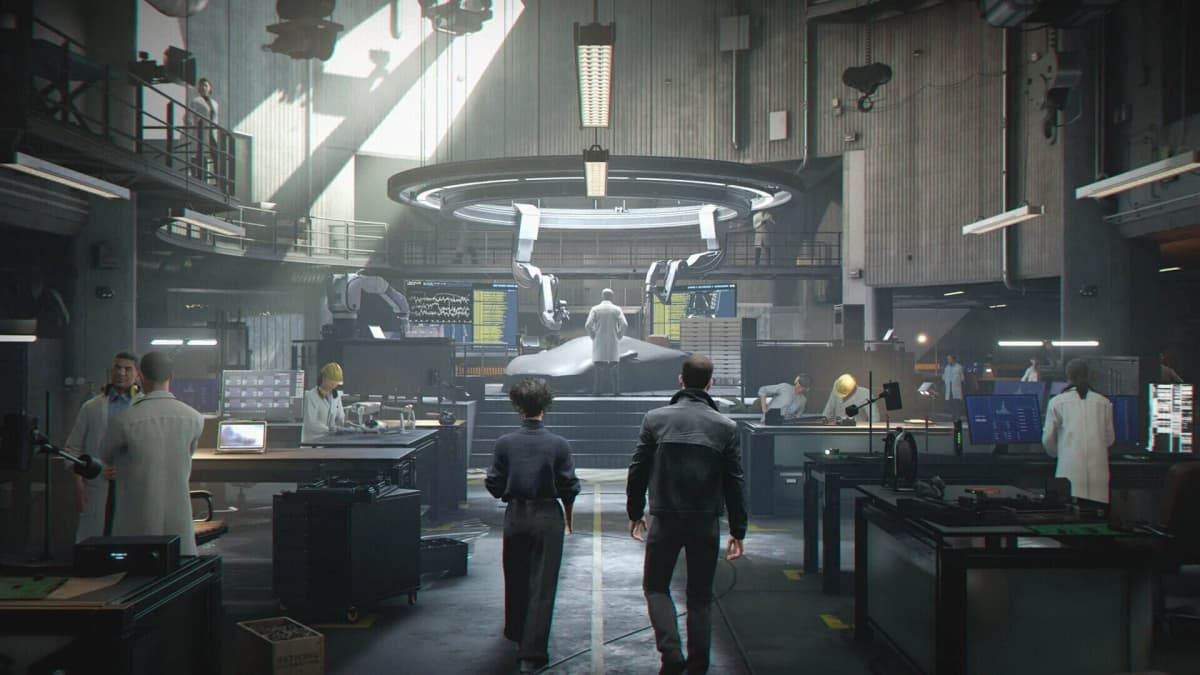
But early Steam sentiment has blind spots. Launch-week users are your hottest audience: pre-release believers, license diehards, and the people willing to pay on day one before the first discount wave. Strong sentiment is good news. It is not yet proof of staying power. Nor does a big concurrent peak automatically mean the game will have legs beyond the first weekend. Single-player games live and die on a different curve than service titles. The real question is not whether people showed up on day one. It is whether the conversation still has oxygen in two weeks, then in two months, then when awards ballots start hardening.
This is also where one uncomfortable question hangs over the launch: how much of the enthusiasm is about Bond finally getting a respectable modern game, and how much is about First Light itself being an all-timer? Those are not the same achievement. Sometimes an overdue competence win gets graded like a revelation because the bar was buried underground.
GOTY buzz is plausible, but “plausible” is doing a lot of work
Yes, 007 First Light belongs in the early GOTY conversation. An OpenCritic average around 88 and strong first-wave player reaction put it there on merit. Pretending otherwise would be contrarian for sport. But there is a big difference between “in the conversation” and “one of the favorites.” Launches in May get judged twice: once when reviews hit, and again when the calendar fills up and recency bias starts bullying the room.

For First Light to stick, it needs more than high scores. It needs memorable mission design that players keep posting clips from, a narrative people talk about beyond “solid Bond story,” and enough mechanical depth that the Hitman audience keeps chewing on it after the credits. If the dominant praise remains broad but vague-cinematic, polished, faithful, fun-that is enough for a hit. It is not always enough for a trophy run.
That is the reality check. Good reviews open the door. They do not carry a game through six months of industry churn by themselves.
What I’m watching next
- Whether Steam user sentiment stays above the low-90 or high-80 range after the first refund window and broader audience rollout.
- How quickly IOI talks about patches, performance fixes, and post-launch support, because a polished launch is easier to defend than a messy second week.
- Whether the Metacritic average stabilizes in the same high-80 band being reported elsewhere, or drifts once more outlets weigh in.
- How the Switch 2 version is positioned later, because “coming later” can mean smart optimization or a port that arrives after the moment has passed.
- Most of all, whether players keep discussing mission design and replay value, not just the novelty of finally having a good Bond game again.
The verdict right now is simple. 007 First Light looks like the real deal, not review-inflated launch-week theater. The critic scores are strong, early player traction is promising, and IO Interactive seems to have avoided the usual licensed-game trap of mistaking brand recognition for design. But the smarter read is not “GOTY lock.” It is this: Bond finally has a modern game worth taking seriously, and now it has to prove it can stay in the room once the rest of 2026 shows up.
FinalBoss // Gear
Level up your setup
01Top-rated gaming headsetson Amazon→02High-refresh gaming monitorson Amazon→03Gaming chairson Amazon→04Discounted game keyson Kinguin→
Affiliate links · As an Amazon Associate, FinalBoss earns from qualifying purchases.
Want to Level Up Your Gaming?
Get access to exclusive strategies, hidden tips, and pro-level insights that we don't share publicly.
Ultimate Gaming Strategy Guide + Weekly Pro Tips