
Table of Contents (14)
Why 2026 Already Feels Like Awards Season
We’re only a few months into 2026 and it already feels like the back half of the year. My backlog is wrecked, my sleep schedule is worse, and every time I think I’ve found my early Game of the Year, something stranger, smarter, or louder drops a week later.
This list isn’t about sales charts—although Call of Duty: Black Ops 7 is absolutely eating right now, topping Circana’s January and YTD numbers. It’s about the games that stuck to my brain after the credits rolled. The ones that had the GamesRadar+ crew throwing around 4-star (and above) scores and then arguing in Slack about the exact order for days afterward.
The mix is wild: a 30th-anniversary survival horror victory lap, a cozy-but-apocalyptic Pokémon spin on Switch 2, remade crime epics, masocore open-world samurai action, and a tactical cat-breeding roguelike that had no right being this good. All of these are out as of March 2026, and they’re the games most likely to define the GOTY conversation—even if heavy-hitters like GTA VI, Wolverine, Fable, and Forza Horizon 6 are still waiting in the wings.
For now, here’s where I think the early 2026 field stands. Expect this order to get messy by December, but every one of these is worth your time.
Key Takeaways
- 2026’s early frontrunners range from AAA blockbusters to bizarre indies.
- Innovations in horror, strategy, and open-world design are stealing the show.
- A healthy blend of nostalgia and fresh ideas keeps every entry memorable.
- Heavy hitters and sleeper hits coexist as the GOTY race heats up.
1. Resident Evil Requiem

Platform: PS5, Xbox Series X/S, PC
Critical Score: 90+ on OpenCritic
Resident Evil Requiem is exactly what a 30th-anniversary game should be: part greatest-hits tour, part bold reboot of ideas the series hadn’t quite nailed before. I went in expecting a comfortable nostalgia trip and got a full-blown thesis statement on what survival horror can be in 2026.
The split perspective between veteran agent Leon S. Kennedy and newcomer FBI analyst Grace Ashcroft is the magic trick. Leon’s sections are loud, messy, and gloriously over-the-top—you’re mowing through swarms in the streets of Raccoon City, popping knees and lining up headshots in the chaos. Then the game yanks you back to Grace, inching through the Rhodes Hill Care Center with a flashlight and a half-empty handgun, counting every bullet like it’s 1996 and you’re back in the Spencer Mansion.
Rhodes Hill is the bit that really sold me. The creak of every door, the way your footsteps echo in those tiled corridors, the sickly green emergency lighting—it all feels like a modernized riff on classic Resi paranoia without just copying room layouts. I burned twenty minutes circling one locked ward because I was too afraid to push into an area I knew the game wanted me to visit. That’s survival horror working exactly as intended.
Between story missions you can revisit iconic zones in Mercenaries mode, tackle time-attack challenges, or hunt for hidden costumes and prototype weapons. The DLC Mercenary Squad adds three-player co-op for even more bedlam. With replayable difficulty tiers and an AI director that tweaks enemy spawns based on your playstyle, every run feels tense. It may not be the outright scariest entry—that crown still belongs to a certain Mansion—but it’s the one I can most easily see people arguing about when GOTY season hits.
2. Mewgenics

Platform: PC, Console (TBD)
Critical Score: 89 on OpenCritic
Mewgenics is the game I keep thinking about when I’m supposed to be playing everything else. The first time I rolled a party with a hairless berserker named Mrs. Fuzz and a fragile wizard who was allergic to literally everything on the battlefield, I knew this cat-breeding tactics roguelike from Edmund McMillen and Tyler Glaiel was going to be a problem for my free time.
On paper, it sounds like chaos: part The Binding of Isaac, part Into the Breach, with a splash of D&D-style skill checks. In practice, it’s a razor-sharp strategy game hiding inside a mound of grotesque, extremely-online humor. Each run starts with you assembling a squad of cats, assigning them classes, and then diving into turn-based encounters all about positioning, synergies, and managing the weird quirks your little murder machines are born with.
The real hook is the long game. Failing a run doesn’t feel like losing; it feels like genetic research. You take home what you’ve learned, you start breeding for traits like “acid purr” or “piercing hiss,” and suddenly you’re three hours deep into trying to create the perfect caster who can also tank an explosion from a smug, pipe-smoking rat. The D&D-style events between fights—skill checks, traps, and horrible little narrative vignettes—keep pushing you into risky plays that somehow always feel like your fault when they go sideways.
Community challenges let you swap custom genetic templates and tackle user-designed dungeons, while a tiered difficulty system caters to both casual cat lovers and hardcore tacticians. Wrapped around all that is an outstanding soundtrack and that unmistakable McMillen art direction: ugly-cute in a way that would be off-putting if the underlying design wasn’t so confident. Mewgenics isn’t just a novelty; it’s one of the deepest, most replayable tactics games I’ve touched in years, and a genuine early GOTY contender.
3. Nioh 3
Platform: PS5, Xbox Series X/S, PC
Critical Score: Mid-80s on Metacritic/OpenCritic
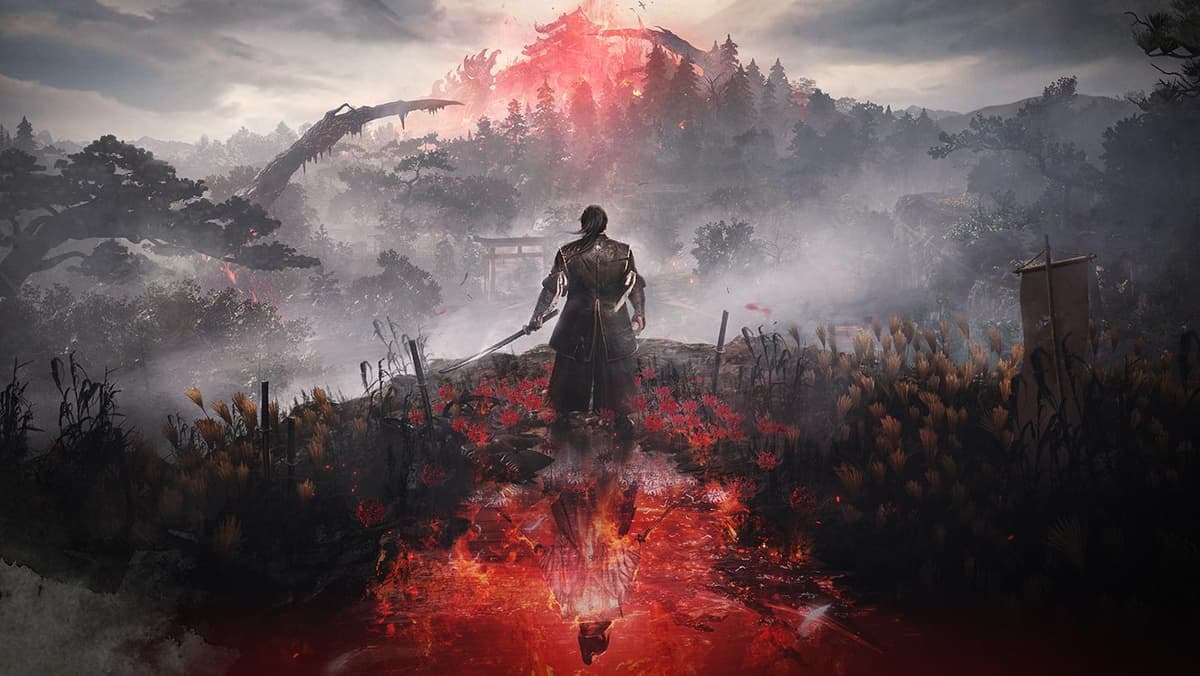
I’ve bounced off more Soulslikes than I care to admit, but Nioh 3 finally feels like Team Ninja figuring out how to make their brutal flavor of action-RPG work in a bigger space without losing its teeth. The jump to an open world sounded like a gimmick when announced; a few hours in, it clicked that this is how Nioh always wanted to be.
Each region is sprawling and dense rather than aimless. You’ve got yokai-infested villages, shrines tucked into cliffside grottoes, secret caves that spiral into pocket dungeons—and instead of being railroaded, you’re gently nudged. Hit a wall on one boss? Wander off, stumble into a side area, find new armor sets, unlock another shortcut, or discover a hidden shrine mission. It actually feels like “best of both worlds” without the usual padding.
The real party trick is the dual combat identities. Flipping mid-combo between heavier samurai style and a tricksy ninja loadout with a single button press turns fights into improvisational jazz. One second you’re deflecting a giant yokai’s swing with a katana, the next you’re raining kunai from mid-air. New boss encounters—like the ravenous Celestial Tengu atop Iron Mountain Peak—highlight how well the world and combat mesh, with dynamic weather and day/night shifts altering enemy behavior.
Co-op missions and daily trials extend the lifespan, while the revamped kulelager of weapon crafting and talisman enchantments lets you fine-tune builds. It’s still firmly masocore, but more readable and fair than earlier games, which is probably why it’s selling over a million copies in its first weeks. If Elden Ring was your gateway, Nioh 3 is the 2026 release that will truly hook you.
4. Pokémon Pokopia
Platform: Switch 2
Critical Score: 9/10 from GameSpot and CBR
Pokémon fans (myself very much included) have been begging for a truly cozy spin on the series for years. Pokémon Pokopia on Switch 2 is exactly that wish granted—just… filtered through the small detail that humanity is gone and you’re a Ditto impersonating its long-lost trainer in a ruined world.
Pokopia quietly ditches most of what you’d expect from a mainline entry. There are still battles here and there, but the real game is restoration and care. You’re dropped into enormous, wrecked biomes and asked to coax life back by placing structures, decorations, and environmental props that attract different Pokémon. Build out a pond with the right plants and stones and specific water-types show up. Arrange forest clearings a certain way and shy grass-types emerge. Designing these little terrariums scratches the completionist itch while feeling like genuine world-building.
What surprised me most is how emotionally heavy it can get without ever dropping the cozy tone. Because you’re a Ditto wearing the face of your former trainer in a world without humans, there’s this undercurrent of grief that sneaks up on you in dialogue and environmental storytelling. One late-game area, where you’re rebuilding a town square from old photos and half-remembered stories, hit way harder than I was ready for after an hour spent arranging picnic spots for a herd of Mareep.
Sharing your islands online, trading custom habitat blueprints, and hunting for Shiny Pokémon hidden in rare weather events adds layers of replay value. It absolutely feels like a system seller for Switch 2. If you’ve ever wished Pokémon would slow down and let you just exist with these creatures, Pokopia is the one.
5. Yakuza Kiwami 3 & Dark Ties

Platform: PS5, Xbox Series X/S, PC
Critical Score: High 80s on OpenCritic
I still remember squinting through the original Yakuza 3 on PS3, juggling a half-translated import save and grainy cutscenes because I couldn’t wait for a proper Western release. Coming back to that story in Yakuza Kiwami 3 & Dark Ties on modern hardware feels like seeing an old friend again—except this time he’s running an orphanage in Okinawa and doing everything he can to stay out of the life that defined him.
This remake (plus its new Dark Ties expansion) gives one of the series’ most underrated stories the treatment it always deserved. The tension between Kiryu’s heart-of-gold dad energy at the Morning Glory orphanage and the political conspiracy dragging him back into the underworld hits much harder with updated cinematics, tighter pacing, and gloriously crunchy real-time combat. Getting back to raw street brawls with brutal Heat Actions—like the new Dragon Style—feels like coming home after a few years of turn-based detours.
Dark Ties layers in extra side stories that connect later entries without overwhelming newcomers: dojo tournaments, new minigames (including a revamped hide-and-seek with the kids), and a host of collectible relics that unlock unique Heat moves. Some of the goofier PS3-era side activities are gone, but overall the package is leaner and more exciting than ever.
It’s not just nostalgia bait. Kiwami 3 & Dark Ties is the definitive way to experience one of Kiryu’s most important chapters, and its narrative weight alone earns a spot in the 2026 conversation.
6. Romeo Is a Dead Man
Platform: PS5, Xbox Series X/S, PC
Critical Score: Mid-80s on OpenCritic/GameSpot
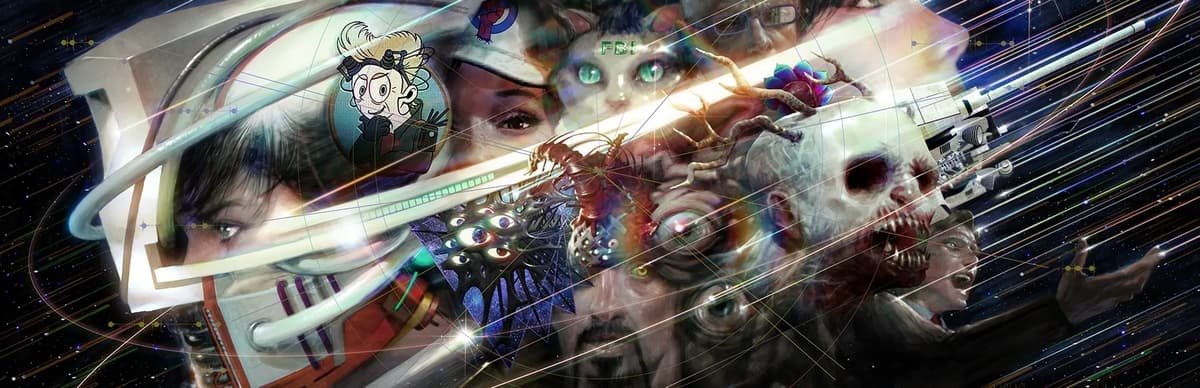
The first ten minutes of Romeo Is a Dead Man are a mission statement: you die, you’re snatched out of time by an FBI Space-Time taskforce, your jacket starts talking to you, and five minutes later you’re carving through a nightclub full of temporal anomalies with a sword in one hand and a shotgun in the other. It’s Suda 51 at his most unfiltered in years, and that’s going to excite and repel people in equal measure.
Moment-to-moment, this is a hyper-violent third-person hack-and-slash shooter—equal parts stylish and gleefully messy. Combos flow from melee to gunplay to bizarre time powers that let you rearrange encounters. In one standout mission, “Midnight at the Belltower,” you loop time to dodge collapsing floors and reset a boss’s attack pattern mid-fight. Between missions, you retreat to a hub that shifts to 16-bit JRPG style, letting you upgrade gear and talk to a cryptic man inside a TV who dispenses puzzles.
It’s not clean. The camera will fight you. Some encounters feel tuned by someone who really wanted you to suffer. But that struggle is part of the appeal. Romeo’s existential search for meaning—he’s a time-cop who can’t remember his past life—gives the chaos a surprising melancholic edge beneath the punk aesthetic.
Romeo Is a Dead Man will absolutely not be for everyone, and that’s exactly why it belongs up here. In a year where plenty of games chase safe trends, this is one of the boldest swings.
7. Cairn

Platform: PC, PS5 (exclusive)
Critical Score: 9/10 from GameSpot
Cairn is the only game this year that’s made me realize I’d stopped breathing. There’s a moment—halfway up some nameless face of rock—where your stamina bar is screaming, the wind is howling, and you’re staring at two possible handholds knowing one is a dead end and the other is salvation. When you commit, your own fingers tense on the controller like you’re the one hanging there.
Built around solo climbing a brutal mountain, Cairn turns every ascent into a self-contained survival story. The climbing itself is painstaking: each move is a decision, each rest point something you’ve earned. You’re constantly weighing risk versus safety—do you burn precious energy stretching for that tempting ledge, or play it safe and hammer in another piece of gear? Weather shifts, your grip degrades, and a single mistake can send you into a long, ugly fall that forces you to reassess your entire route.
Outside the wall, the game is almost quiet. Brief interludes back at camp weave scraps of story about why you’re making this climb—lost family, obsession, redemption—and small gear upgrades feel monumental once you’re seventy meters up with a storm rolling in. No garish icons, no sprawling map—just you, the rock, and the consequences of your decisions.
Developer Aava Studios even included a built-in photo mode so you can capture those heart-stopping moments. Community speedruns highlight secret shortcuts and one-handed solos, but the real triumph is simply reaching the summit. In a year packed with loud open worlds, Cairn stands out by stripping everything down to focus on a single, exquisitely stressful idea.
8. Demon Tides
Platform: Multi-platform (PC & console)
Critical Score: High 80s on OpenCritic
If you grew up mainlining 3D platformers and have been mourning their slow decline, Demon Tides feels like a small miracle. It takes everything that made Demon Turf such a cult favorite—the tricky movement, the attitude, the inventive level design—and blows it out into a full archipelago of wild playgrounds for demon queen Beebz to conquer.
Each island in Demon Tides has its own biome, theme, and mechanical twist. One moment you’re chaining wall-runs through a neon city of floating billboards; the next you’re threading through wind tunnels above a cursed ocean. The core moveset pulls from the best in the genre—tight long jumps, snappy air control, satisfying momentum—but the secret sauce is how much you can customize it. Demon transformations tweak jump arcs, and talismans add trade-offs like extra speed at the cost of stamina drain.
It ends up feeling like you’re speccing an RPG character, except the build you’re optimizing is “how does my platformer feel under my thumbs?” Even with all that flexibility, the levels are tuned tightly enough that nailing a run still feels like an achievement. Optional boss gauntlets and time trials will chew you up if your focus slips, while a robust photo and replay editor turn personal bests into shareable highlight reels.
Demon Tides is a masterclass in movement design and creativity. It’s one of the few games in 2026 that truly made me grin just from pure momentum, and it absolutely earns its spot among the year’s most memorable experiences.
9. Styx: Blades of Greed
Platform: PC, PS5, Xbox Series X/S
Critical Score: Mid-80s on OpenCritic/GameSpot
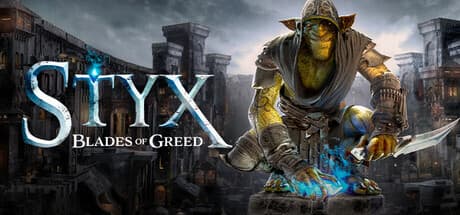
Big-budget stealth games are an endangered species, which is why Styx: Blades of Greed feels like such a treat. It’s basically “what if Metal Gear Solid V went full goblin thief,” and somehow that’s not only a real sentence but one of the more accurate ways to describe it.
Rather than linear stages, Blades of Greed structures its campaign around large, interconnected maps that expand as the story unfolds. Each district is a web of entry points, patrol routes, and vertical shafts just begging to be exploited. As Styx, you’re on a mission to hoard magical Quartz—partly to save reality, mostly because if the world ends there’ll be nothing left to steal. That self-serving streak makes even heroic objectives feel like grand heists.
The toolset is gloriously nasty. Sneak up chimneys, crawl through gutters, spike guards’ food to poison them, or pop out a gooey clone to distract patrols. When everything clicks, you feel like a mastermind orchestrating the perfect theft: slip in, grab what you came for, and slip out with nobody any the wiser. The game trusts you to choose your approach—go loud and muddy through smoke bombs, or ghost a level without leaving a single footprint.
Blades of Greed isn’t as polished as the biggest stealth brands, but its sandbox design and creative freedom put it ahead of any other goblin-themed thief sim. If you’ve been craving a modern stealth playground that rewards thinking outside the box, Styx is essential.
10. Call of Duty: Black Ops 7
Platform: PC, PS5, Xbox Series X/S
Sales: Over 1M copies in two weeks; #1 January & YTD (Circana)
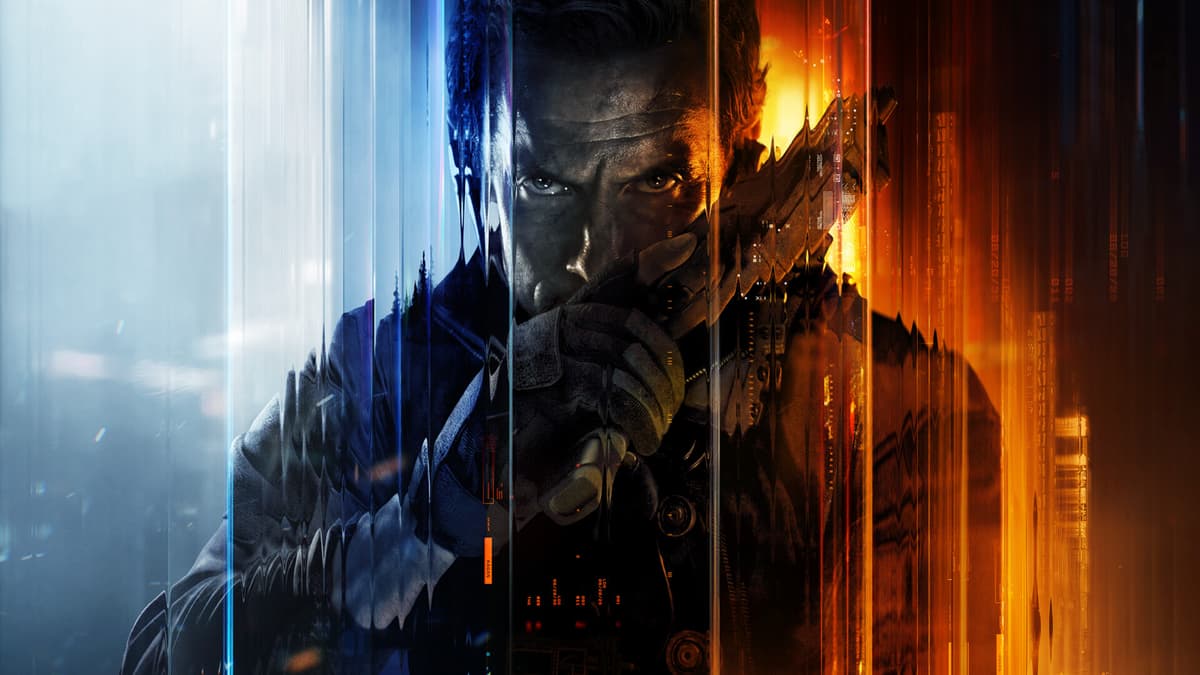
Here’s the interesting thing about 2026: the game dominating sales isn’t my personal number one—or even top five—but Call of Duty: Black Ops 7 is still too strong to ignore. With over a million copies sold in its first two weeks and Circana putting it at #1 in January and year-to-date, it’s the commercial heavyweight in a field full of critical darlings.
Black Ops 7 doesn’t reinvent the franchise after a decade of annual releases. What it does do is double down on what keeps people coming back: snappy, responsive gunplay; 60 fps fluidity; and a grab-bag of modes that make it dangerously easy to lose an evening. The campaign leans into covert ops gone wrong, bouncing between flashbacks and present-day missions with enough intrigue to keep you curious about the next briefing.
Multiplayer is where it really finds its groove. Even if the map list has its share of duds, every firefight feels dialed in. Slip in a few rounds between heavier games like Cairn or Nioh 3, and suddenly you’re deep into a Prestige track you didn’t plan on grinding. Zombies mode, Warzone integration, and a seasonal calendar of events give you constant reasons to log in.
Is it as daring as the weirder indies on this list? Absolutely not. But in terms of mechanical polish and crowd-pleasing design, Black Ops 7 earns its place. It’s the clearest example of how critic favorites and commercial giants coexist—and sometimes clash—in 2026’s GOTY race.
Methodology & Honorable Mentions
To rank these early frontrunners, I looked at:
- Critical reception (OpenCritic/Metacritic scores)
- Originality and innovation within each genre
- Personal stickiness—games I couldn’t stop thinking about
- Community buzz and replay value
Near misses that narrowly missed the top 10:
- Esoteric Ebb – A deep, tabletop-inspired TTRPG adventure.
- REANIMAL – A surreal action-platformer with killer art direction.
- NBA 2K26 & Madden NFL 26 – Sports behemoths feeding the competitive crowd.
- Battlefield 6 – A strong FPS still finding its footing post-launch.
Conclusion
2026 has already surpassed expectations, delivering a diverse lineup that spans survival horror, cozy world-building, brutal action, and gleeful weirdness. Each of these ten games brings something unique to the table—whether it’s heart-pounding fear, schematic depth, or pure mechanical joy.
As GTA VI, Wolverine, Fable, and Forza Horizon 6 loom on the horizon, this list offers a snapshot of the early currents shaping the GOTY race. These are the titles critics debate, friends recommend, and players return to long after the credits roll.
FinalBoss // Gear
Level up your setup
01Top-rated gaming headsetson Amazon→02High-refresh gaming monitorson Amazon→03Gaming chairson Amazon→04Discounted game keyson Kinguin→Affiliate links · As an Amazon Associate, FinalBoss earns from qualifying purchases.
Want to Level Up Your Gaming?
Get access to exclusive strategies, hidden tips, and pro-level insights that we don't share publicly.
Ultimate Top Strategy Guide + Weekly Pro Tips