
Table of Contents (12)
Why February 2026’s Indies Hit Different
2025 felt like the year indies officially stopped being “underdogs”. When something like Clair Obscur: Expedition 33 walks off with the biggest awards of the year, it changes how you look at every new release. I went into 2026 with my radar permanently tuned to smaller teams and weirder ideas, and February did not disappoint.
This isn’t a ranked list, and it’s not pretending to be exhaustive. It’s just the stuff that genuinely stuck with me over the month: the indies that ate my evenings, plus a few non-indie releases that muscled their way into the conversation. I’m talking survival horror, roguelike tactics, turn-based oddities, and a 2D Soulslike that absolutely humbled me.
Couple of quick ground rules. One: the numbers are for navigation only, not for “best to worst”. Two: I’m focusing on games that were playable in February 2026 in some meaningful way – full launches first, with a bit of room near the end for demos and forward-looking picks that defined the month for me. Three: this is all based on my own time with these games, not a Metacritic spreadsheet, even if I’ll nod to scores here and there.
If you came out of awards season wanting more ambitious indies in your life and you’ve already lost track of what dropped in February, consider this your catch-up guide before March’s chaos hits.
1. Crisol: Theater of Idols
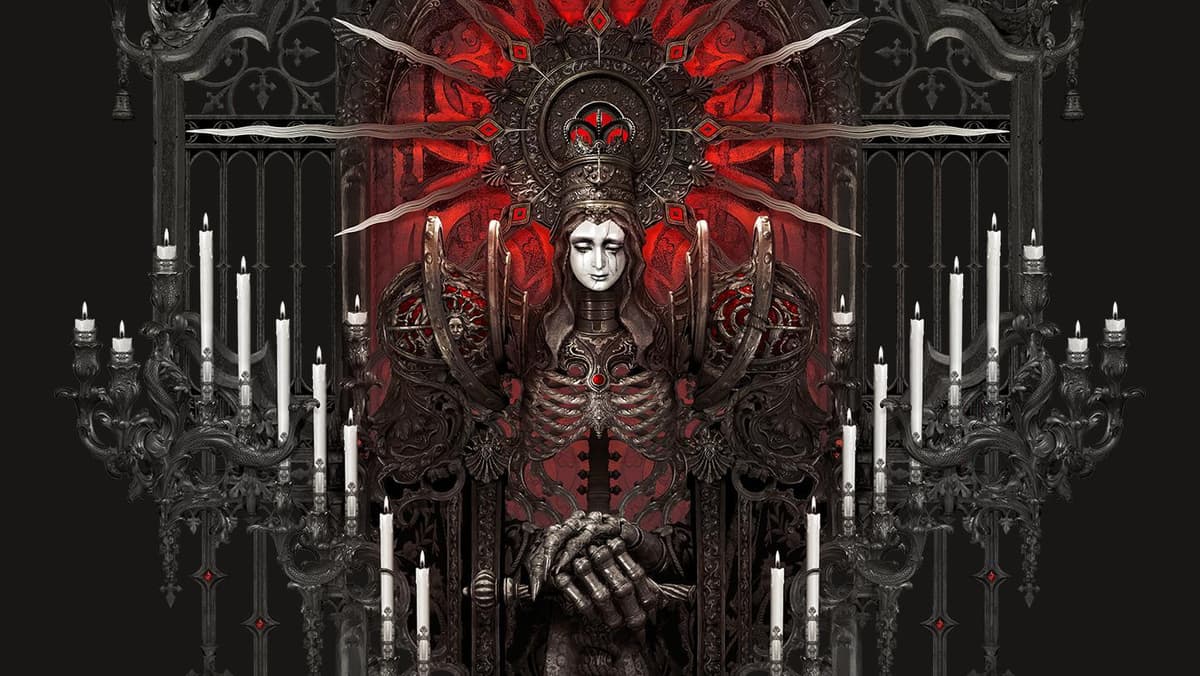
Before anyone jumps down my throat about calling this an “indie”: yes, Crisol: Theater of Idols is published by Blumhouse Games, a name you absolutely recognize if you watch horror movies. But in sheer scope, budget, and the way it takes risks that a safer AAA horror wouldn’t touch, it feels totally at home in the indie space. This is a tight, first-person survival horror game that lives or dies on a single bold idea: your blood is both your ammo and your lifeline.
The first time I realized I’d overused my blood-powered weapon and was now creeping through a chapel with a sliver of health left, I knew exactly what kind of game this was. Every shot is a little bargaining session with yourself. Do you burn more HP to take this thing down cleanly, or risk a melee encounter because you’re terrified of the next room? It creates that classic survival horror tension, but in a way that feels fresh rather than just “we cut down your ammo drops.”
Atmosphere-wise, it leans hard into a gothic, religiously charged weirdness that had me thinking about Blasphemous one minute and early Resident Evil the next. People have thrown out comparisons to BioShock too, and I get it – not because it’s a shooter, but because the world feels cohesive and designed around a central, unsettling conceit. If you want a horror game that actually makes you manage your resources instead of just sprinting from set piece to set piece, Crisol is one of February’s must-plays.
2. Mewgenics
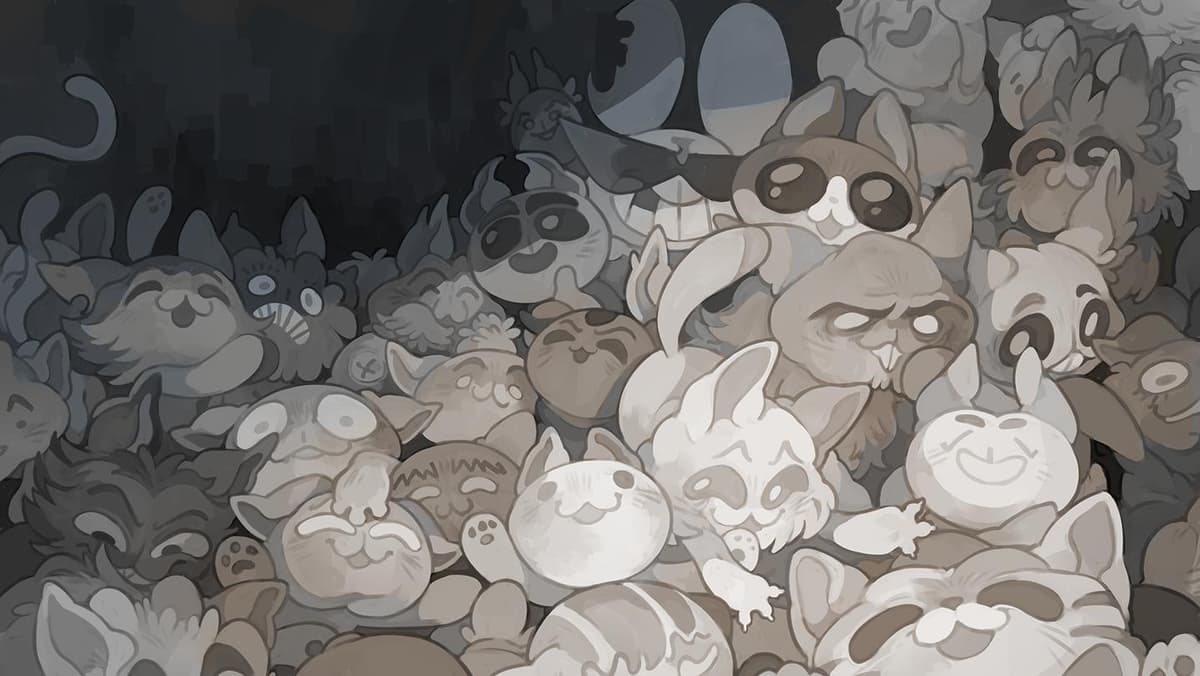
Mewgenics is the game on this list I’m most hesitant to recommend to “everyone” – and also the one I can’t stop talking about to the right kind of sicko. It’s a roguelike, it’s turn-based, and it’s dense. This isn’t something you boot up for a 20-minute chill session after work. It’s a tactical cat-breeding fever dream piled high with systems: over a thousand abilities, nearly a thousand items, and more than 200 enemies and bosses all colliding run after run.
The pitch sounds like a meme — weaponized cats, dark humor, absurd mutations — but once you’re a few hours in, what stands out is the tactical depth. Positioning, turn order, synergies between your bizarre little feline units: it all matters. I had one run where a single, seemingly useless trait on a weak cat ended up being the cornerstone of a late-game build, purely because of how it interacted with a relic I’d written off in earlier attempts. It’s the kind of design that rewards curiosity and punishes autopilot play.
The tone is pure, unfiltered weirdness — bleak jokes, grotesque situations, and that specific kind of offbeat writing that makes you laugh and grimace at the same time. With its 90-ish Metacritic score, it’s already sitting near the top of 2026’s critical darlings, and honestly, that tracks. But be warned: if you bounce off turn-based systems or get overwhelmed by too many options, this one will chew you up. If you love digging into mechanically deep roguelikes, though, Mewgenics might quietly become your entire personality for a while.
3. Hermit And Pig
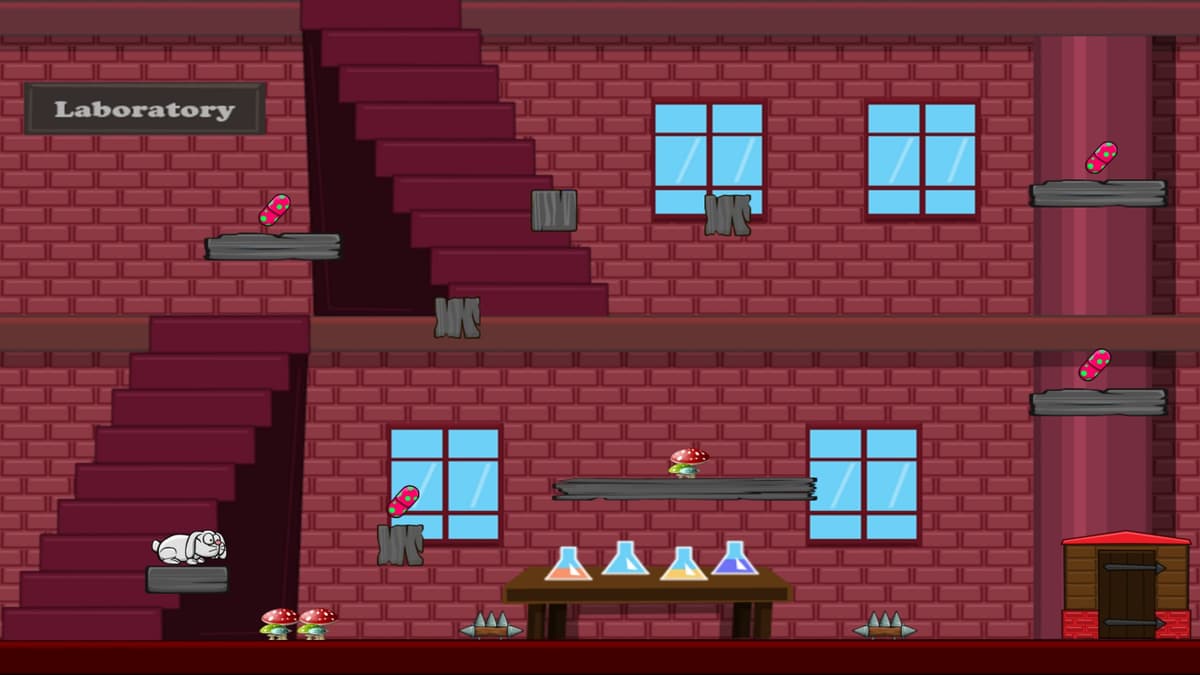
Hermit And Pig is the polar opposite of something like Mewgenics on the surface — cozy pixel art, a simple title, and a focus on exploration and story. But underneath that approachable veneer is a surprisingly sharp little turn-based adventure RPG. Developed and published by Heavy Lunch Studios, it leans into three things I absolutely adore: tight resource management, meaningful choices in dialogue and travel, and combat that rewards paying attention instead of button mashing.
Combat is classic turn-based on paper, but the timed input mechanics give it a rhythm-game edge. Hit your button prompts cleanly and you’ll squeeze out bonus damage or stronger blocks; mistime them and you’re suddenly eating more damage or losing out on precious resources. It’s a simple layer, but it kept me engaged in battles that would’ve otherwise been “mash attack to win.” There were a few tense encounters where nailing a string of perfect inputs was the only reason I limped away instead of reloading.
What really stuck with me, though, was the vibe. The pixelated art has that warm, handcrafted look that makes every little settlement and forest path feel like a diorama. The relationship between the hermit and their pig isn’t some huge melodramatic arc, but the small moments — a shared campfire, a line of dialogue after a rough fight — build a low-key intimacy. If you like your turn-based RPGs more about the journey than min-maxing a spreadsheet, Hermit And Pig is one of February’s easiest recommendations.
4. Tearscape
If you’re a serial button-masher, Tearscape is the game that will finally force you to break the habit or rage-quit trying. This 2D top-down action adventure RPG from indie studio Nerds Take Over wears its Dark Souls inspiration right on its sleeve — not in a lazy “it’s hard, therefore Soulslike” way, but in how it builds its entire combat rhythm and world layout around patience and precision.
Stamina management is the star here. Swing too many times without thinking and you’re a sitting duck. Roll late and you’re punished instantly. Early on, I tried to brute-force my way through a miniboss with spammed attacks and got absolutely demolished for my trouble. It wasn’t until I started watching tells, counting my swings, and treating stamina like liquid gold that fights started to click. When you finally take down a tough enemy after learning its patterns, that classic Soulslike dopamine rush hits hard, even in 2D.
The world itself deserves a shoutout. Levels fold back on themselves with clever shortcuts that feel legitimately earned. You’ll push deep into some eerie, hostile area, thinking you’re miles from safety, only to kick down a ladder or unlock a gate and realize you’ve looped back near an earlier checkpoint. That interconnected design does so much work in making the world feel cohesive and intentional. If you’ve been craving a challenging, moody 2D action RPG that respects your time but not your mistakes, Tearscape is absolutely worth getting humbled by.
5. Reanimal
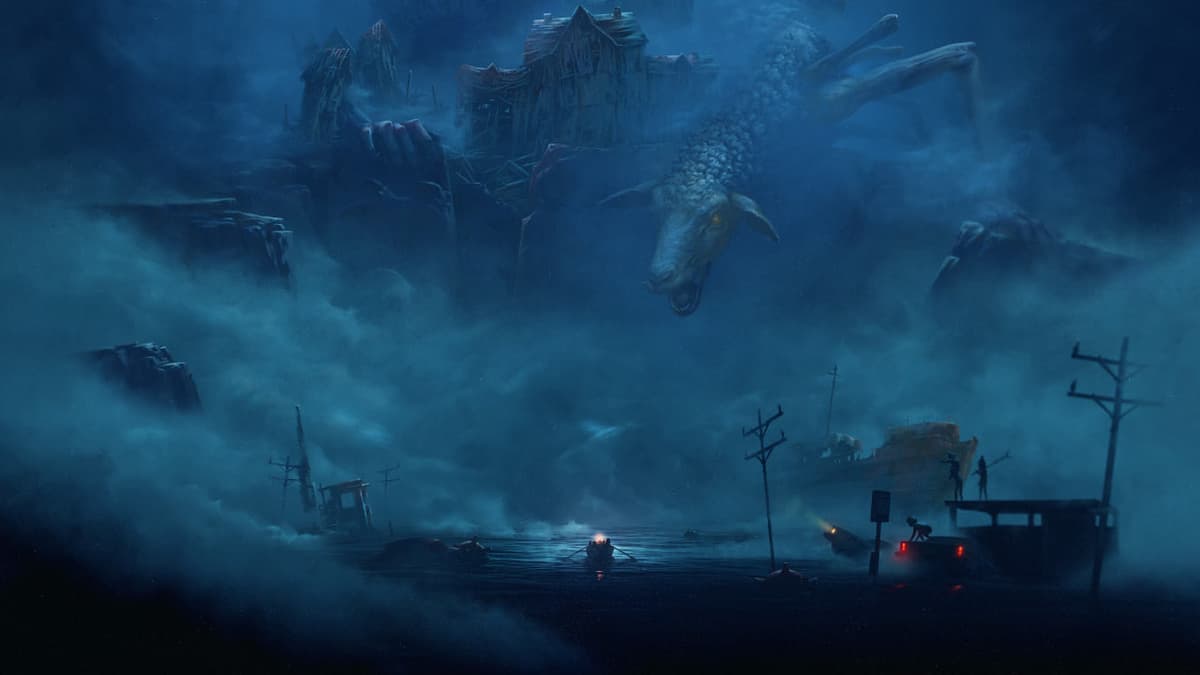
On the non-indie side of February, Reanimal is the one that genuinely surprised me. I’ve loved this studio’s work since their earlier horror platformers, but Little Nightmares 3 left me pretty cold — too short, too slight, like a really well-produced bonus episode rather than a full sequel. Reanimal isn’t much longer in terms of raw hours, but it feels so much more complete and confident in what it wants to be.
Structurally, it hits that sweet spot of creepy environmental storytelling and tightly designed set pieces. You’re constantly being funneled into these tense little dioramas of danger: a chase through a crumbling tenement, a stealth section that makes you hold your breath, a puzzle that forces you to interact with the environment in ways that feel clever rather than contrived. I lost track of how many times I stopped just to admire the twisted, almost theatrical staging of a new area before inevitably getting jumpscared by something lurking in the background.
What really sells it, and why some fans are half-jokingly calling it the “real Little Nightmares 3,” is how it balances tone and mechanics. The movement feels better, the puzzles hit that right level of “I feel smart for figuring this out,” and the story actually lands instead of just… stopping. If you’ve liked this studio’s previous games at all, Reanimal is an easy recommendation from February — short, sharp, and way more satisfying than its immediate predecessor.
6. Norse: Oath Of Blood
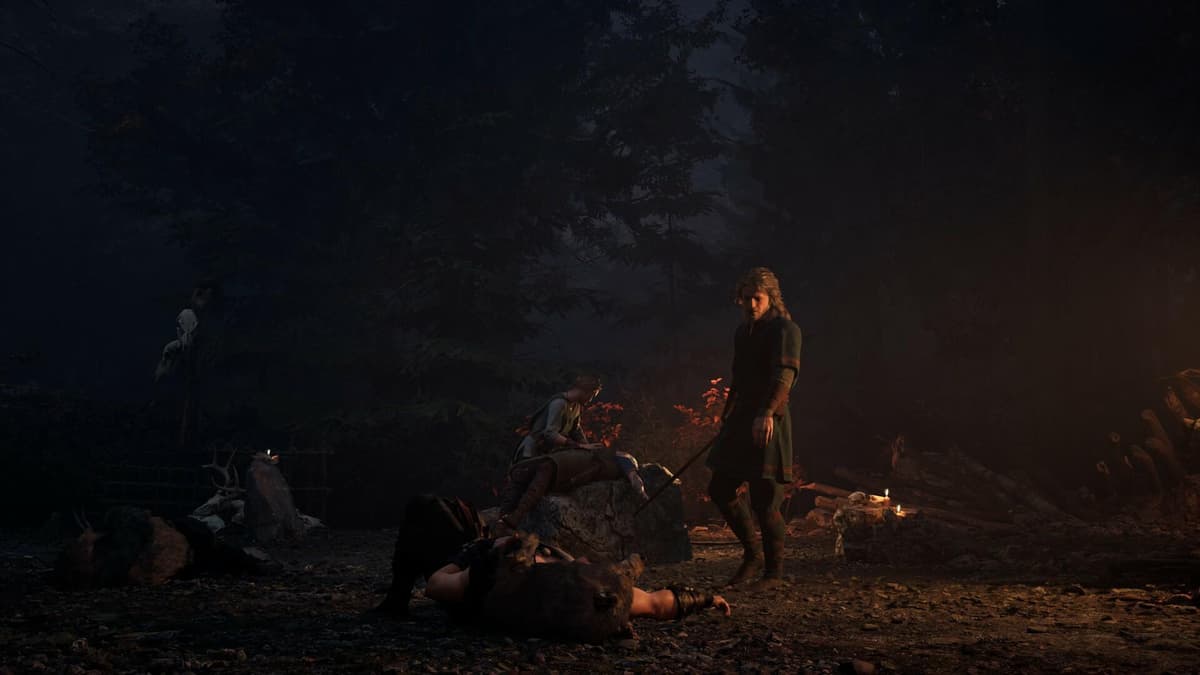
Norse: Oath Of Blood sits in that crunchy tactical RPG space that absolutely devours your brain when it’s firing on all cylinders. Set in a grimy medieval world that leans more into mud and gallows humor than shiny heroics, it forces you to think three moves ahead or accept that you’re going to watch a lot of your best units bleed out on the battlefield.
The battles themselves are where it shines. Positioning, flanking, turn order — all the usual suspects are here — but the scenarios often throw in wrinkles that kept me from falling into a comfy routine. One early mission had me defend a half-built palisade with a ragtag crew against a numerically superior force, and I only squeaked through by abusing elevation and funneling enemies into a chokepoint. On higher difficulties, the game expects that kind of play from you constantly, and it can be exhausting in a good way.
Between missions you’re not just clicking menus; you’re building a settlement up from almost nothing. It isn’t as deep as a full city builder, but deciding whether to invest in better facilities, research, or comforts for your people actually changes how tough later fights feel. The whole package isn’t perfectly polished — optimization is rough in places, and you’ll notice some jank — but for the price, it’s a surprisingly robust medieval tactics fix. If you miss the days of losing entire evenings to brutal, punishing strategy campaigns, Norse: Oath Of Blood is one of February’s more underappreciated releases.
7. Yakuza Kiwami 3 – Dark Ties DLC

I’m fully with the crowd that bounced off Yakuza Kiwami 3’s reworked ending. The decision to keep Mine alive felt off to me, both thematically and in terms of how the narrative had been building. So I went into the Dark Ties DLC with a raised eyebrow — and came out feeling like I’d just played one of the best combat-focused slices this series has offered in years.
What makes Dark Ties sing is how it leans into Mine’s unique fighting style. He’s not just “Kiryu but slightly faster” or “Kiryu but with a gun.” His moveset feels deliberately awkward at first, with timing windows and combo paths that don’t map cleanly onto the muscle memory you’ve built up from the main game. On normal difficulty, enemies already hit like trucks, so the DLC forces you to actually engage with his toolkit instead of cheesing fights with the same three strings.
The story isn’t some giant retcon, but it does a lot of subtle work in reframing Mine and giving his arc more emotional weight. But honestly, even if you only care about the brawling, it’s worth a look. Arena-style encounters, boss fights that make you learn patterns instead of just spamming heat moves, and a difficulty curve that assumes you aren’t here for a casual stroll — it all adds up. I wouldn’t tell anyone to buy the full game solely for this DLC, but if you already own Kiwami 3, Dark Ties is the part of February that made me glad I didn’t uninstall it.
8. Resident Evil Requiem

Resident Evil Requiem was easily my most anticipated February release, and it somehow still managed to overshoot my expectations. It’s a sub-10-hour campaign, give or take how much you poke at every corner, but those hours are packed. If your favorite flavors of Resident Evil are 2, 4, and 7, this feels like a deliberate attempt to thread that exact needle.
The pacing is what really impressed me. You get stretches of slow, oppressive horror that evoke wandering around the Baker house — creaking floorboards, doors you’re scared to open, that constant dread of “I know something is going to move in this room eventually.” Then, just when you’ve hit your limit, the game swerves into more kinetic, over-the-shoulder action sequences that scratch the same itch as RE4’s iconic village and castle runs. It never fully tips into campy action movie territory, but it’s not afraid of a bit of spectacle either.
What makes it a standout, rather than just another solid RE entry, is how confident it feels about its runtime. It doesn’t hang around. There’s very little bloat, almost no obvious padding, and by the time the credits rolled I felt satisfied instead of exhausted. If you’ve stuck with the series through its many reinventions, Requiem is basically a love letter to the eras most fans argue about online — and, for me, the best big-budget horror experience February had to offer.
9. Steam Next Fest – February 2026’s Demo Rabbit Hole
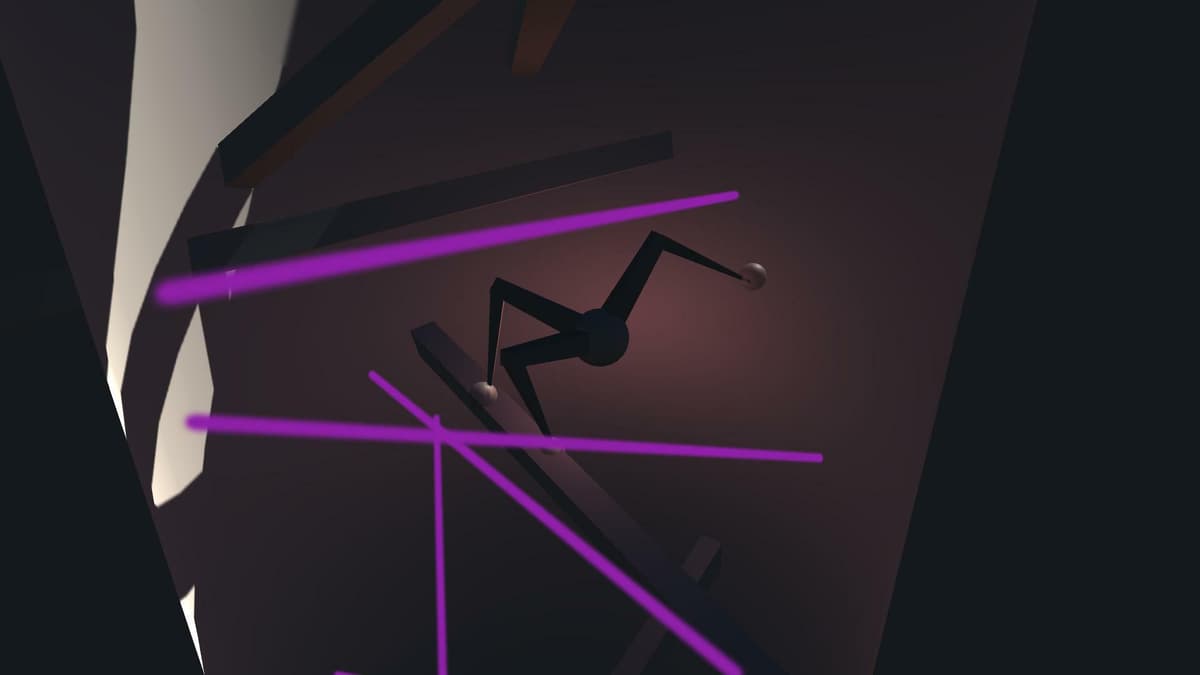
Even outside of full releases, a good chunk of my February was swallowed by Steam Next Fest demos. With thousands of short slices vying for your time, it’s easy to get overwhelmed and bounce off the whole thing, but a few stood out enough that I kept thinking about them even while playing the “real” games on this list.
Vampire Crawlers was the first one that hooked me — a messy, chaotic spin on the horde-survival formula that clicked once I stopped treating it like a mindless auto-battler and started actually experimenting with builds. Voidling Bound left more of a tonal impression than anything else; its moody, abstract sci-fantasy presentation made its small demo area feel strangely vast. Darkhaven is clearly still in a rough, early state, but there’s something about its survival-ARPG mash-up that feels promising in that “keep this wishlisted and hope it sticks the landing” way.
Then there was Celestial Return, which sold me almost entirely on boss intros and art direction — one of those demos where you finish the available content in under an hour but spend the next day idly thinking about how it might expand at launch. None of these are out in full yet, but Next Fest is a big part of what February gaming looks like now, especially if you’re into indies. If you skipped the event because it felt like too much, you probably missed some of the most exciting early glimpses of what the rest of 2026’s indie slate has in store.
10. Looking Ahead: The Indies February Got Me Hyped For
February wasn’t just about what I could play right now; it was also a month of trailers, previews, and blog spotlights that blew up my 2026 wishlist. Between platform showcases and coverage from indie-focused channels, I came out of the month with a mental shortlist of games I’m absolutely going to lose time to later this year.
On the cozier side, things like Coffee Talk Tokyo and Fishbowl caught my eye — games that promise quieter, more intimate stories and a chance to just exist with characters for a while. At the other end of the spectrum, there are titles like Hela and Mina the Hollow that look like they’re gunning for that “tight, combat-driven adventure” slot, clearly built by small teams but not afraid of ambition. Horror fans have Ontos on the horizon, while roguelike diehards are probably already circling things like Never Grave.
Then you’ve got the more niche stuff floated in creator roundups — CRPG projects like Sector Unknown, stealthy Metroidvanias such as Sticks: Blades of Greed, narrative-first experiments like Banquet for Fools and Esoteric EB, and that wonderfully titled There Are No Ghosts at the Grand. None of these launched in February, but the month did a lot of the heavy lifting in terms of getting them in front of players. If you’re the type who likes being there “from day one” with new indies, February was a great time to start curating your own 2026 hit list.
Wrapping Up February’s Indie Haul
Looking back at February 2026, what stands out to me isn’t just that there were good games — that’s almost a given these days — but how varied they were. In the same month, I was bleeding myself dry in a grim horror theater, min-maxing cursed cats in a roguelike, timing button presses in a quiet pixel-art adventure, and getting schooled by a 2D Soulslike that refused to let me mash my way to victory.
Throw in a few surprisingly sharp non-indie releases, a slate of Next Fest demos that hinted at what’s coming next, and a growing list of future indies to obsess over, and February ended up feeling less like a breather between big months and more like its own little festival. If you only have time for one or two games from this list, I honestly think you can’t go too wrong with any of the indie headliners — but if you care about where games are headed, it’s worth keeping an eye on the demos and upcoming projects that quietly stole attention this month too.
Either way, get through as much of this backlog as you can now. March 2026 is already looking wild, and I have a feeling the indie side of the conversation is only going to get louder from here.
FinalBoss // Gear
Level up your setup
01Top-rated gaming headsetson Amazon→02High-refresh gaming monitorson Amazon→03Gaming chairson Amazon→04Discounted game keyson Kinguin→Affiliate links · As an Amazon Associate, FinalBoss earns from qualifying purchases.
Want to Level Up Your Gaming?
Get access to exclusive strategies, hidden tips, and pro-level insights that we don't share publicly.
Ultimate Top Strategy Guide + Weekly Pro Tips