
Before World of Warcraft turned the genre into a mainstream ritual, 2004 was already full of MMOs trying to solve the same hard problem: how do you sell veterans another box without making their existing characters feel obsolete? The year’s strongest expansions offered answers through new worlds, endgame loops, faction tools, classes, and even entirely separate modes of play.
This ranking is about the ideas that aged best, rather than a clean scorecard of which expansion contained the most zones. Some were rough, some were contentious, and several arrived around complicated regional release schedules. Every one of them, that said, put a useful design tool on the table — one that later became familiar to players moving through Azeroth, Outland, and beyond. The Burning Crusade would package several of those tools into a landmark 2007 expansion: a level-cap rise to 70, Outland, Blood Elves, Draenei, flying mounts, Jewelcrafting, and broad class-kit changes.
That is the standard here: expansions that gave players a meaningful new reason to log in, rather than another stretch of map with the same old errands.
Table of Contents (10)
1. Star Wars Galaxies: Jump to Lightspeed
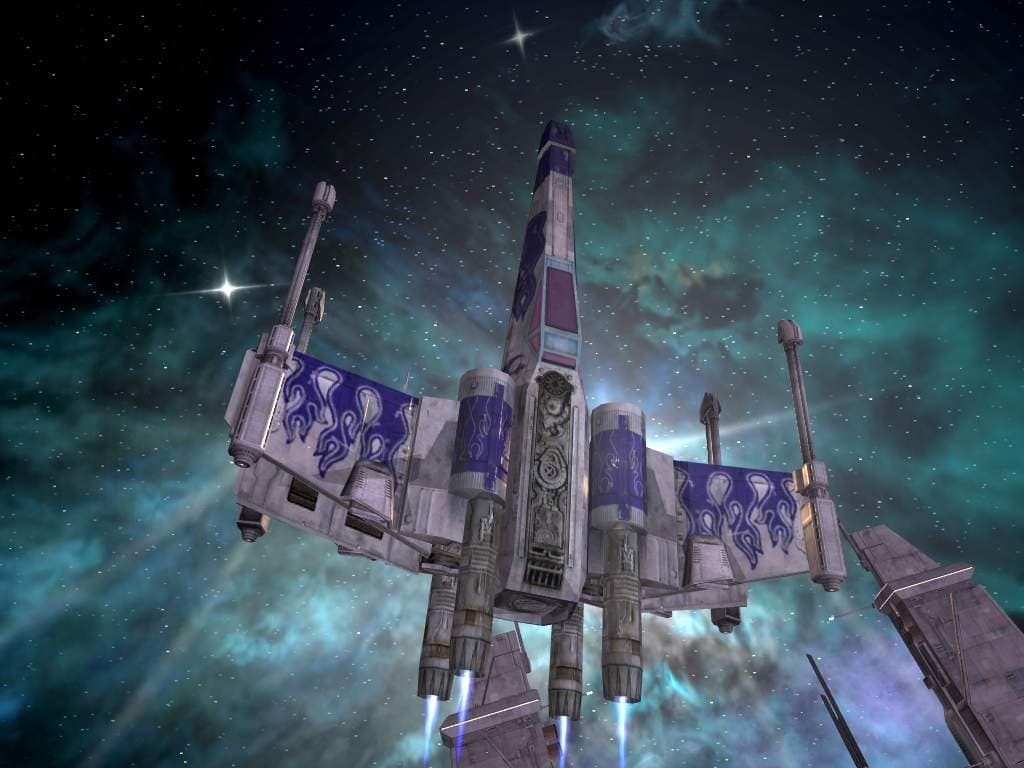
Jump to Lightspeed made the boldest move of 2004: it added space combat to an MMO whose fantasy had always demanded it. Piloting professions gave players a dedicated path through the new activity, while Sullustan and Ithorian characters expanded the game’s playable identity at the same time.
The lasting lesson is bigger than starfighters. A great expansion can open a parallel game inside the existing one, provided that parallel game has its own progression, skills, and reasons to keep playing. Later MMO expansions would often add a feature; Jump to Lightspeed added a whole second horizon.
2. Dark Age of Camelot: New Frontiers
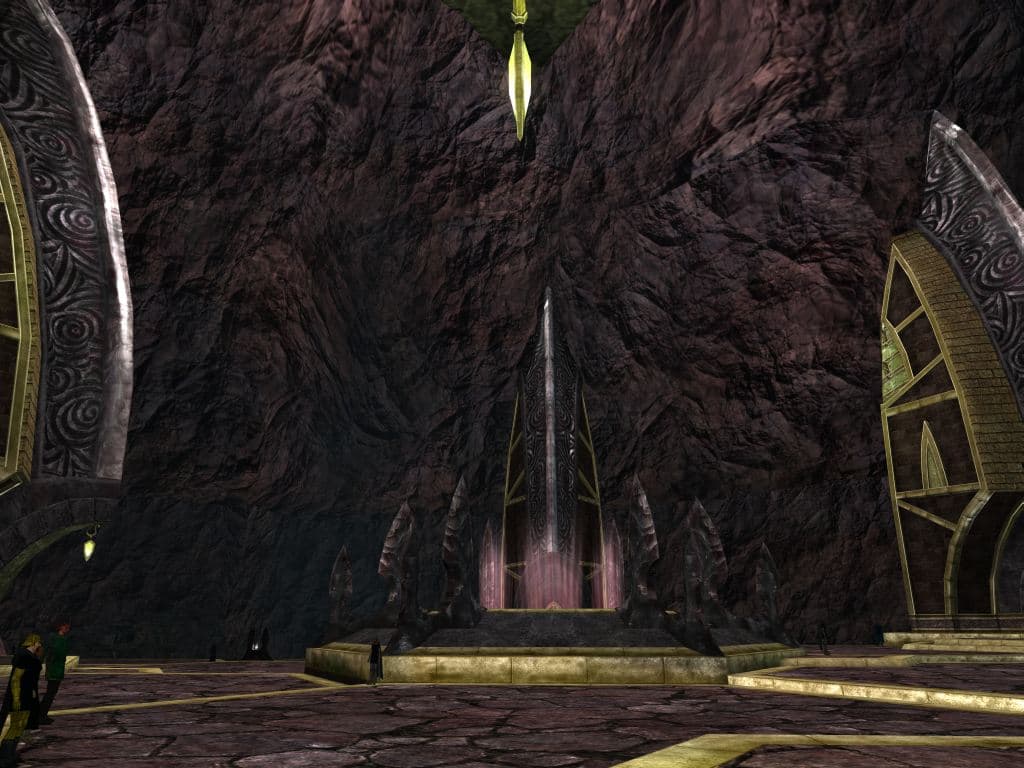
New Frontiers was a free expansion with a very practical purpose: make realm-versus-realm warfare legible, strategic, and worth returning to. It added 14 zones, reworked keeps, and split the experience between “old” and “new” frontier eras.
That separation mattered. PvP worlds need room for experiments without turning every existing player routine into rubble overnight. WoW’s later arena seasons and PvP structure took a different route, but the principle holds: competitive systems live or die by clear objectives, understandable geography, and places players recognize as worth defending.
3. Anarchy Online: Alien Invasion
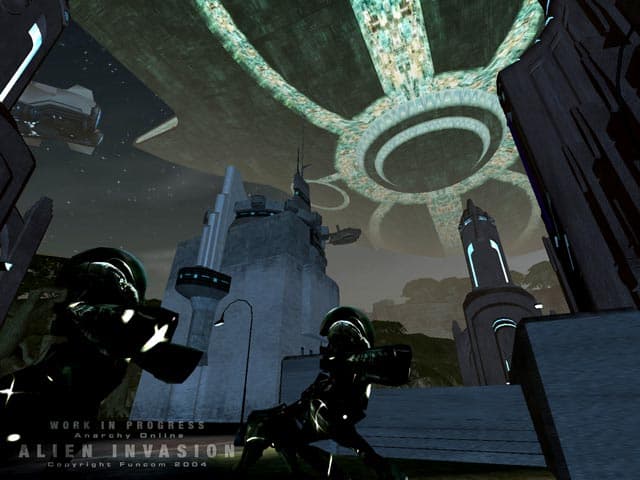
Player-built cities were the heart of Alien Invasion. Guilds could establish towns, then defend them against alien attacks; the expansion also refreshed the user interface and starter experience. That combination was smart because it gave established organizations a new responsibility while making the front door less hostile to newcomers.
MMO social systems become real when they create obligations, not merely guild tags. A city worth building and protecting gives a group a shared stake in the world. The lesson remains valuable for modern live games: housing, bases, and communal projects only matter when they produce stories beyond decoration.
4. EverQuest: Lost Dungeons of Norrath
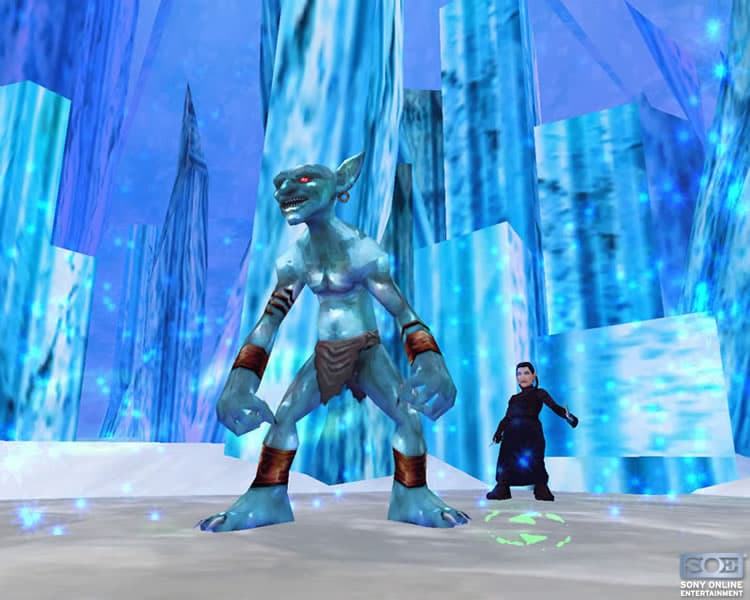
Lost Dungeons of Norrath, EverQuest’s sixth expansion project, spread dungeons and raids across the game world and across its level range. It was a decisive argument for repeatable instanced content as an MMO’s connective tissue, giving groups a focused destination without requiring every session to become an all-night expedition.
Players now take dungeon queues and compact group objectives for granted, but this was the useful version of the idea: activity scaled around a party’s available time and power. WoW would make dungeons a central progression language, especially as The Burning Crusade used Outland’s dungeon and raid loops to anchor the trip from level 60 to 70.
5. Final Fantasy XI: Chains of Promathia
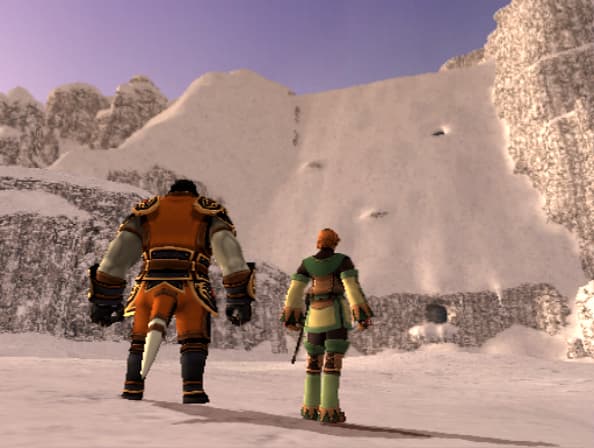
Chains of Promathia did something expansion discourse often forgets is possible: it continued the game’s story without adding new jobs. Instead, it brought a substantial storyline and many explorable areas, trusting narrative stakes and difficult cooperative progression to carry the package.
That restraint is why it belongs this high. New classes are a reliable headline, yet they can distort balance and pull attention away from the game’s best existing roles. A strong narrative expansion can deepen a world by giving veteran parties reasons to use what they already know. Content cadence benefits from that kind of confidence.
6. EverQuest: Gates of Discord
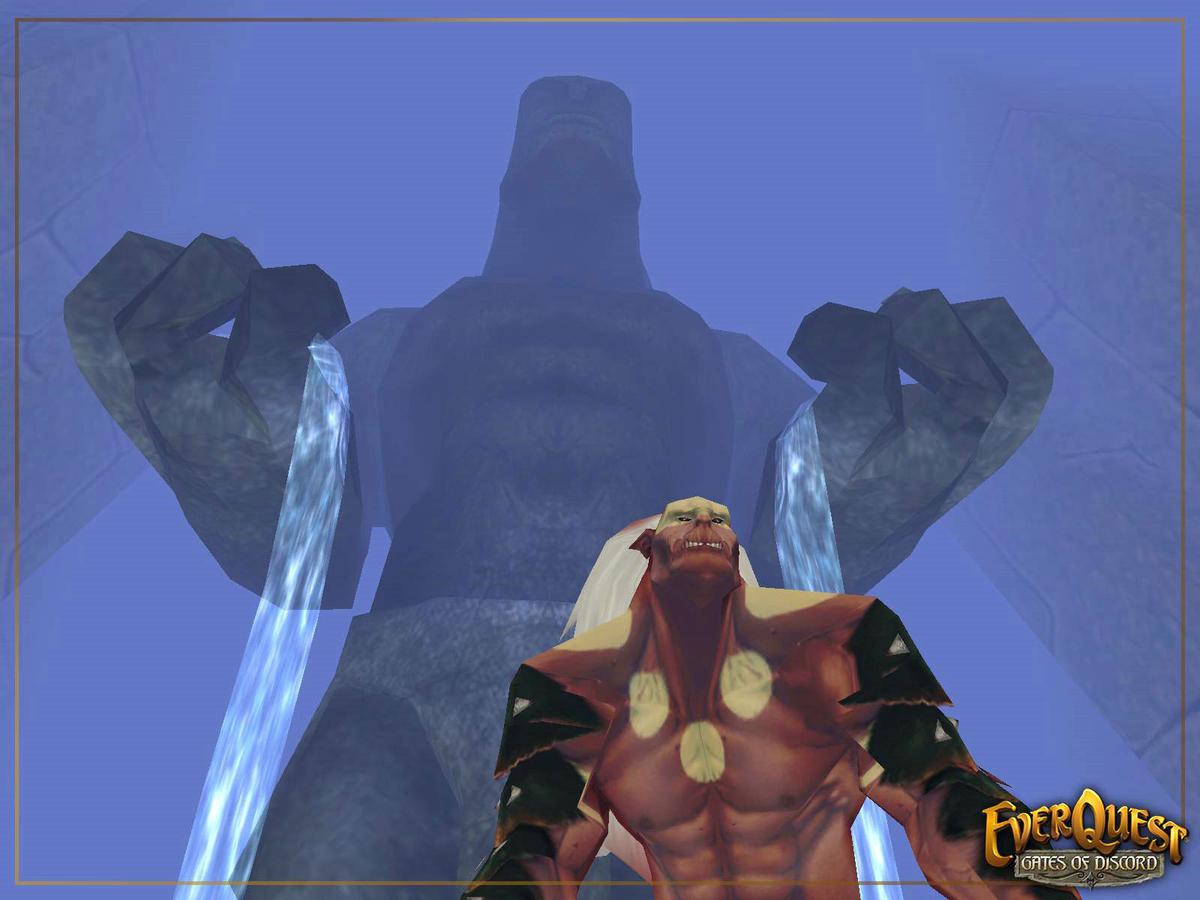
Gates of Discord went hard at the endgame, adding high-level content and enemies designed to create pressure. The approach generated enough player unrest that SOE held a player summit to address problems with the expansion. That fallout is part of its legacy, not an awkward footnote.
Endgame difficulty has to be aspirational before it becomes exhausting. Players will accept a wall when they can read the route around it — better gear, sharper coordination, a clearer preparation loop. When the wall feels disconnected from that ladder, an expansion starts burning through goodwill. It is a lesson every raid-focused MMO has relearned at least once.
7. Dark Age of Camelot: Trials of Atlantis
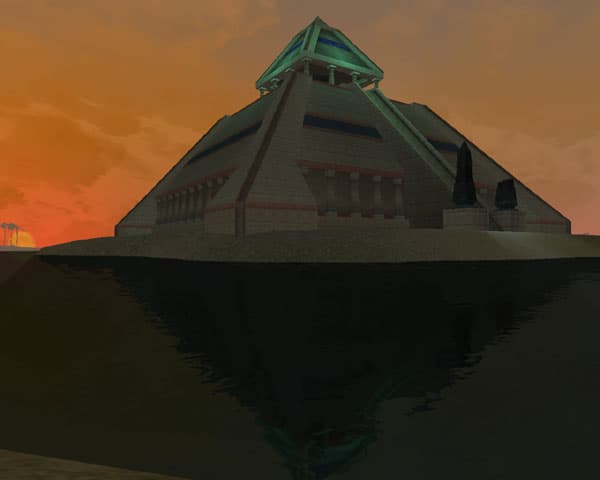
Trials of Atlantis added three Atlantis zones alongside additional regions and dungeons, plus the Half-Ogre, Frostalf, and Shar races. On paper, that is the classic expansion bundle: territory, adventures, and fresh character identity. In practice, it also showed how much power expansion-specific advancement can have over a competitive player base.
Its useful warning is that PvP-minded players judge every new system by whether it broadens options or establishes a new mandatory checklist. WoW’s Blood Elves and Draenei became meaningful faction hooks in The Burning Crusade, but new races alone did not demand that everyone re-earn their right to participate. That difference matters.
8. Anarchy Online: Shadowlands
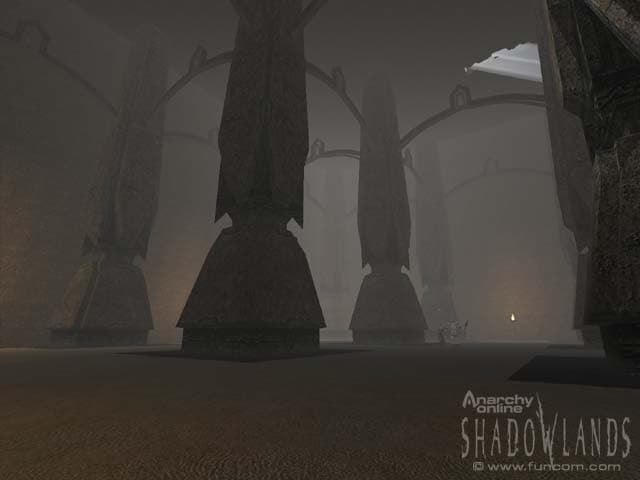
Shadowlands took players to a huge floating realm above the planet and built a separate leveling path through it. The expansion also added the Shade and Keeper classes. Its central strength was the willingness to give the new space a different mood and structure instead of treating it as a few extra fields stitched onto the old map.
This is the world-design lesson that The Burning Crusade later made especially clear with Outland: a new continent earns its keep when it changes how progression feels. In Outland, flying mounts transformed traversal into three-dimensional exploration and endgame mobility. A new landscape needs a new grammar, not only new quest markers.
9. Final Fantasy XI: Rise of the Zilart
Rise of the Zilart added a new storyline and a ton of new regions, expanding Final Fantasy XI outward with the confidence of a game that knew its players wanted a larger journey, not a replacement for the one already underway.
Its contribution was the expansion-as-continuation model. A persistent world benefits when a new chapter makes old achievements feel like prologue. WoW used this logic effectively in 2007: players needed the original game to install The Burning Crusade, then carried their established characters into a new continent instead of beginning from zero.
10. Ultima Online: Samurai Empire
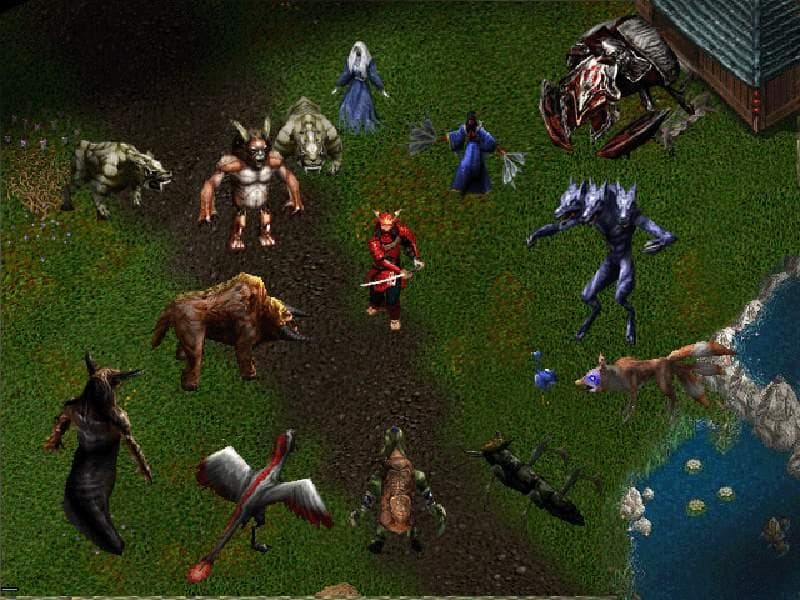
Samurai Empire arrived as the final Ultima Online expansion to receive a widespread physical box release. That detail places it at a fascinating turning point: MMOs were still products people bought off shelves, yet their real value increasingly came from the ongoing world and the communities maintaining it.
Physical-box nostalgia can obscure the important part. Expansions had to feel like events because players paid for a substantial new chapter up front. The Burning Crusade followed that model in Europe with a €34.99 retail price and a €69.99 Collector’s Edition, while still needing to deliver systems durable enough to reshape daily play: Jewelcrafting changed demand around gems and gear sockets, while new talents and abilities changed the combat conversation for every class.
The practical takeaway for anyone revisiting MMO history — or weighing a WoW Classic ruleset — is to look past the zone count. The expansions with the longest shadow changed a habit: where groups gather, how characters advance, what guilds build, or what players risk. That is also the sensible direction for Classic Hardcore experimentation: account-based roguelike traits, a level-60 completion requirement, stricter “Nintendo Hard” servers, and formalized self-imposed challenges could create new goals without pretending the old world needs to be rebuilt from scratch.
FinalBoss // Gear
Level up your setup
01Top-rated gaming headsetson Amazon→02High-refresh gaming monitorson Amazon→03Gaming chairson Amazon→04Discounted game keyson Kinguin→Affiliate links · As an Amazon Associate, FinalBoss earns from qualifying purchases.
Want to Level Up Your Gaming?
Get access to exclusive strategies, hidden tips, and pro-level insights that we don't share publicly.
Ultimate Top Strategy Guide + Weekly Pro Tips