
Table of Contents (12)
Why these 10 mobile games still live on my home screen in 2026
The mobile stores feel more like slot machines than libraries right now. New games land every Thursday, half of them disappear a week later, and it is painfully easy to waste an evening downloading nonsense that dies after a single ad-filled level. Around the time 2026’s big console releases started piling up, I realised something slightly embarrassing: I was still spending a ridiculous amount of time playing the same handful of games on my phone instead.
This list is those games. They are not all brand-new releases this week, and that is exactly the point. Every single one of these iOS and Android titles still feels sharp, modern, and worth discovering in 2026, whether you play on an iPhone, iPad, or a humble Android handset. I rotated plenty of other games in and out, but these 10 never left my home screen for long.
I picked them using a few simple rules that matter a lot more to me than shiny store banners:
- They play brilliantly in short sessions but hold up for long binges.
- They respect your time and, mostly, your wallet.
- They still feel mechanically or emotionally fresh in 2026.
Some are pixel-art action games, some are chill farm sims, and at least one is about lying to friends in the most entertaining way possible. All of them earned a permanent spot on my phone the hard way: by surviving years of impulse installs and brutal storage purges.
1. Vampire Survivors
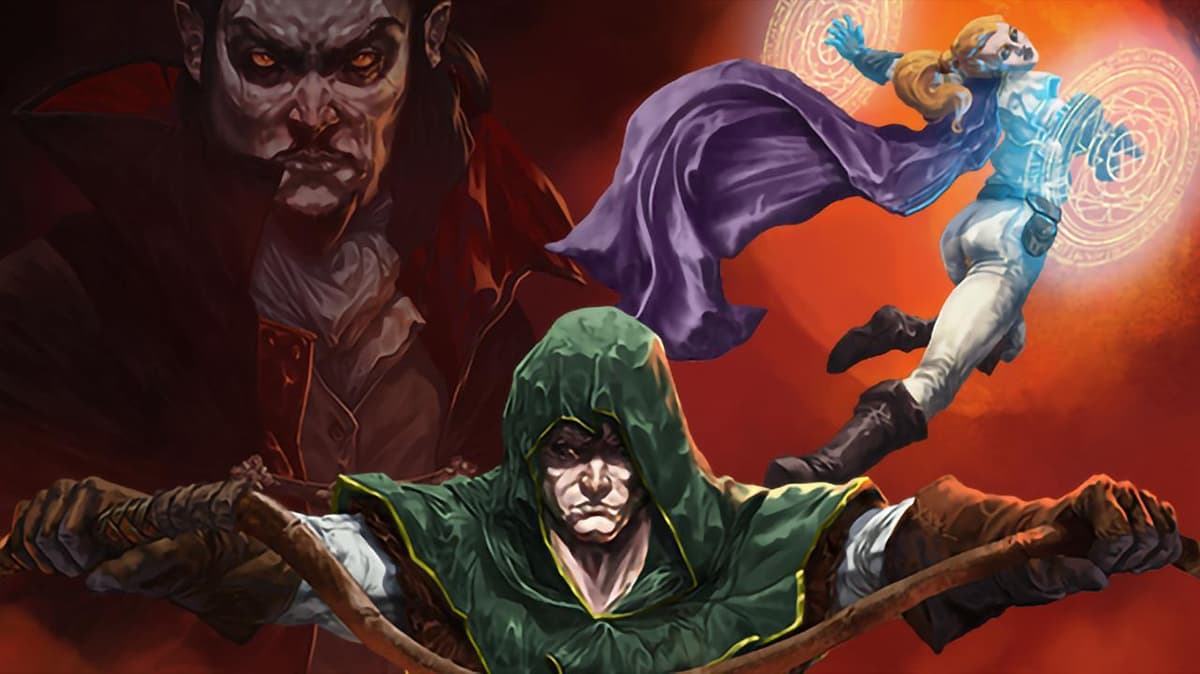
The first time I saw screenshots of Vampire Survivors, I genuinely assumed it was a joke. The art looked like something left on a forgotten SNES dev cart, and the UI felt like it escaped from a bootleg Flash game. Then I installed the mobile version on a whim and lost a full weekend to thirty-minute runs that kept turning into three-hour marathons.
On mobile, the game’s genius becomes even clearer. Your character auto-attacks, so your thumb only has one job: weave through an increasingly ridiculous mountain of enemies while your build ramps from pathetic to screen-melting. A single round is technically a quick hit of chaos, perfect for a commute or a waiting room, but the unlock drip-feed and “one more upgrade” feeling completely wreck any attempt at self-control. I remember unlocking Gallo Tower on a train ride and almost missing my stop because I wanted to see if my bizarre garlic-whip build could actually survive the final few minutes.
The mobile port runs comfortably on modest phones, the touch controls are precise enough once you get used to the floaty movement, and offline play means it works perfectly on flights or patchy connections. The base download is free with ads, and optional DLC adds extra characters and stages without feeling mandatory. In a world flooded with “bullet heaven” clones by 2026, the original still hits harder than any of its imitators and earns its permanent slot on my home screen.
2. Genshin Impact
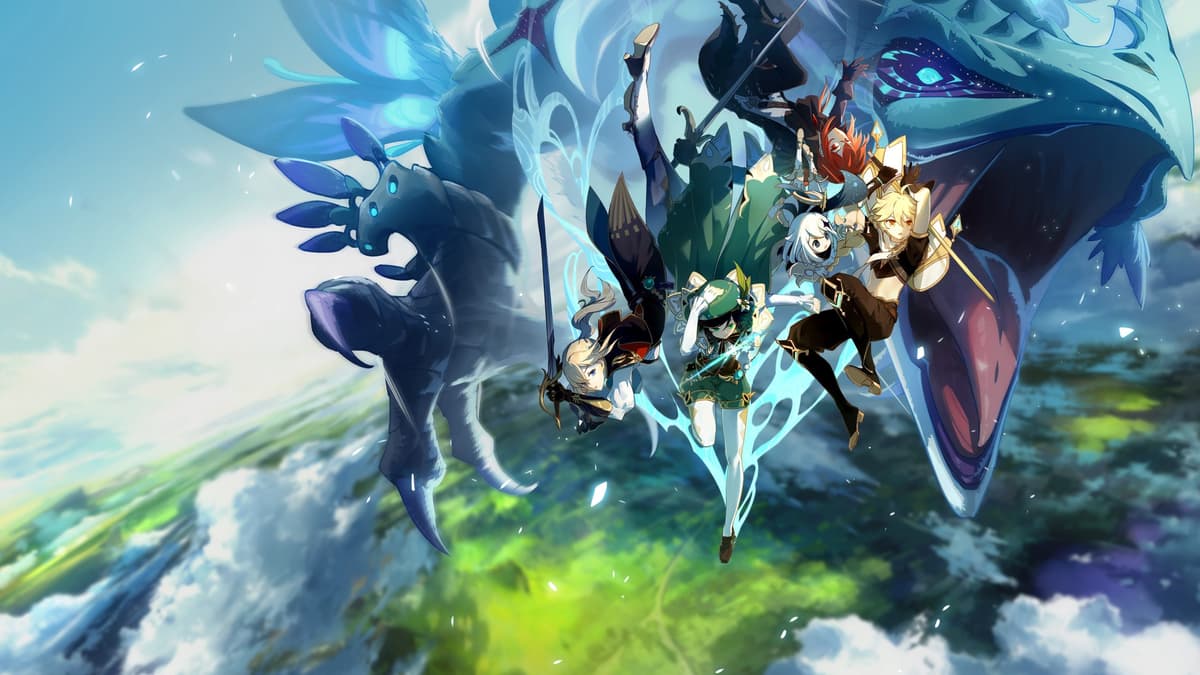
I rolled my eyes very hard when people first described Genshin Impact as “Breath of the Wild but gacha.” It sounded like a cynical mash-up, and I fully expected to bounce off after an hour. Instead, it turned into the kind of game I dip into almost every day on my phone, whether to clear a quick domain or wander off and climb some random cliff that looked interesting in the distance.
On mobile, the open world still feels absurdly generous. Gliding over Mondstadt’s windmills, swapping between elemental abilities mid-combo, and discovering tiny environmental puzzles all land surprisingly well on a touchscreen once the controls are tuned to your device. I spent a whole lunch break slowly picking my way up Dragonspine, half-frozen and under-levelled, stubbornly refusing to log out until I planted a teleport waypoint at the peak. Cross-save with PC and console means progress never feels trapped either, which is critical when bouncing between setups.
The monetisation side needs honest treatment. This is a gacha game with banners designed to tempt impulse pulls. I eventually set myself a hard rule: no spending, full stop. Played that way, Genshin becomes a surprisingly generous free adventure. The story quests, exploration, and constant stream of events keep it feeling alive in 2026 without forcing a cent. For players who enjoy having a giant, colourful RPG living on their phone, it remains unmatched, provided you go in with clear boundaries and a willingness to ignore the siren call of the wish button.
3. Marvel Snap
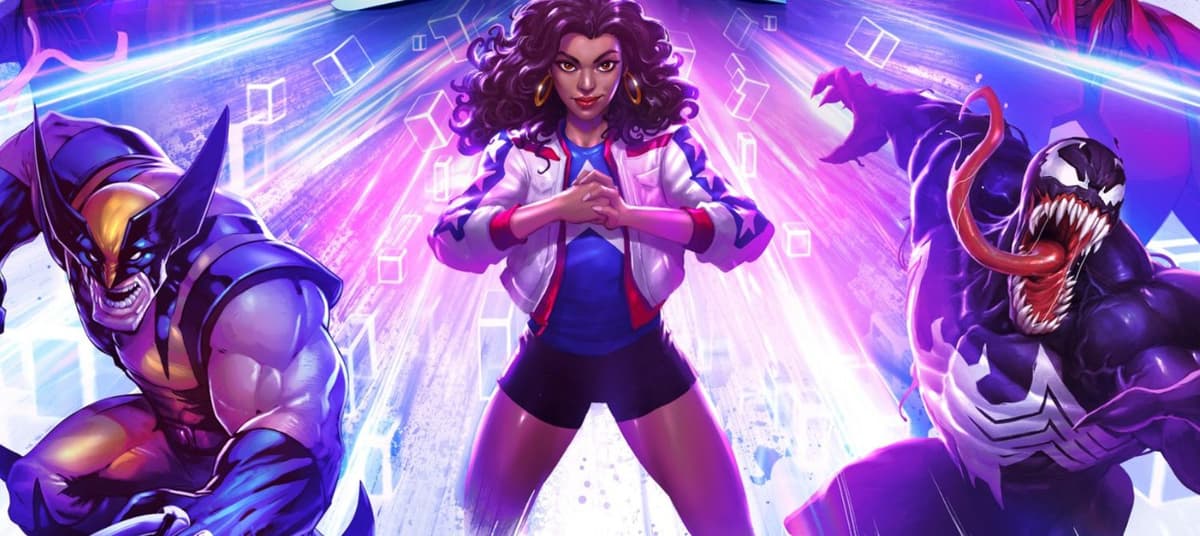
By the time Marvel Snap arrived, I was convinced my brain had no room left for another collectible card game. Hearthstone, Slay the Spire, random roguelike deckbuilders; the genre felt saturated. Snap bulldozed that fatigue almost instantly with one simple trick: matches that finish in a couple of minutes yet still feel like proper mind games.
A match plays out on three lanes, each with a weird location effect that can completely warp your plan. Decks are only twelve cards, turns zip by, and the “cube” system lets you raise the stakes when you feel confident about a read. It is a format that lives perfectly on phones. Portrait orientation, clean visuals, and the ability to sneak in a full match while waiting for a bus or a coffee order make it dangerously easy to overindulge. I still remember hitting Infinite rank one season while absentmindedly queueing between errands, realising afterwards that I had effectively climbed an entire ladder on autopilot.
The monetisation leans into battle passes and cosmetics, with card acquisition occasionally feeling a little stingy. That said, the core experience remains fully playable for free, and new cards continue to reshape the meta in 2026 enough to keep deck-building interesting. As a daily mobile ritual, Snap stands out because it respects your time incredibly well. Sessions can be five minutes or fifty, and both feel valid, which is exactly the sweet spot a modern phone game needs to hit.
4. Slay the Spire
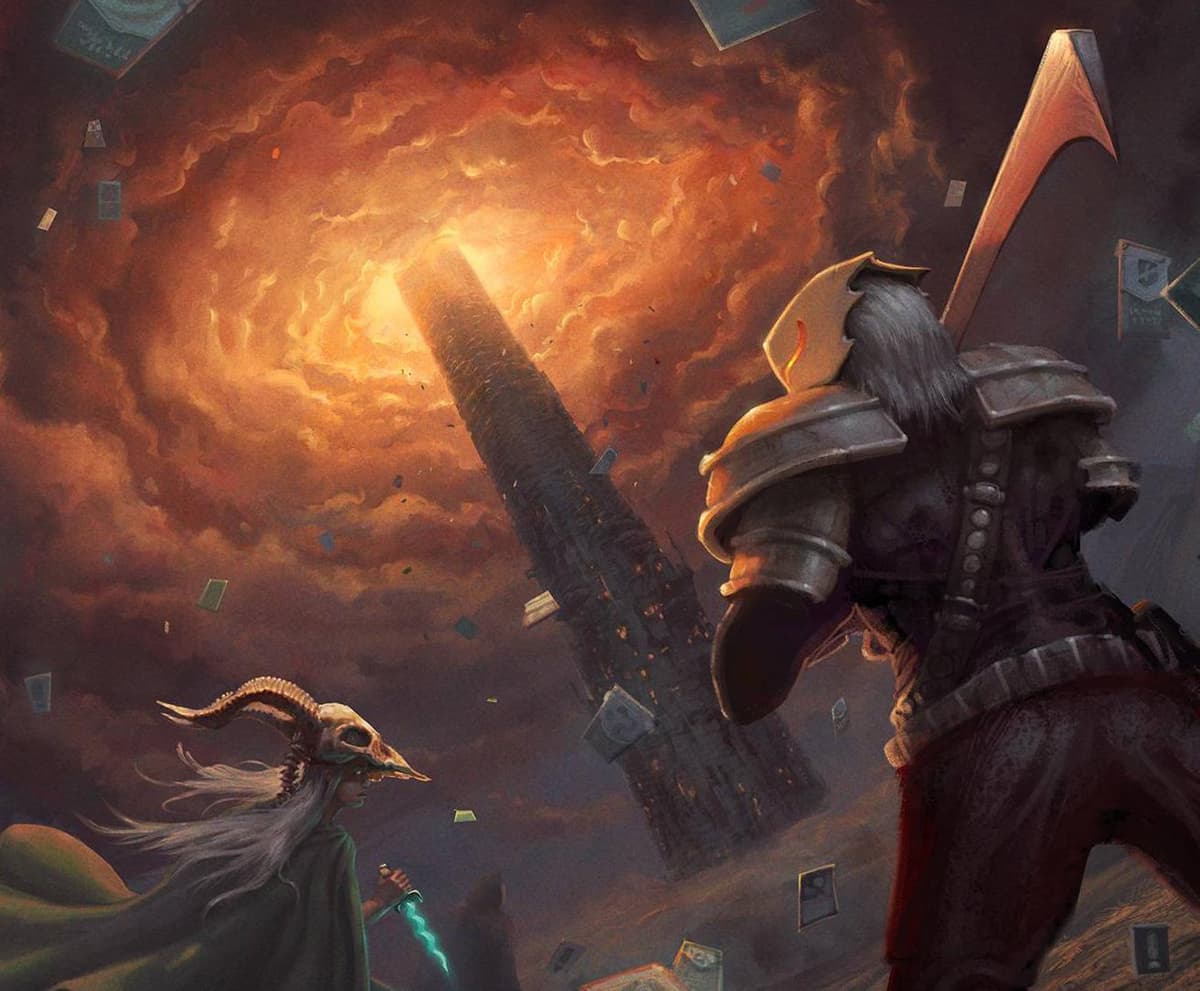
Slay the Spire is the game that made Roguelike Deckbuilder a full-blown genre, and the mobile version quietly turned it into one of the most dangerous “just one more run” traps on my phone. I originally played it on PC, where late-night sessions regularly stretched until dawn. On a touchscreen, that same loop condenses into something even more insidious: a quick climb before bed that somehow becomes an hour of painstaking card choices and route planning.
Each run through the Spire is a string of tiny decisions that snowball into incredibly specific builds. Maybe a Silent poison deck falls perfectly into place, or a Defect run transforms into a machine-gun orb barrage thanks to a single relic. The mobile port nails the feel of those decisions. Dragging cards onto enemies feels natural, turn indicators are clear, and runs resume cleanly even if real life interrupts. I still vividly remember beating the Heart for the first time on my phone during a train ride, clinging on with a fragile Ironclad deck that relied on a single well-timed Reaper to stabilise.
The only real downside is small text on tiny screens, so a larger phone or tablet helps. Beyond that, this is the definitive way to carry one of the best-designed single-player games of the last decade in your pocket. Even in 2026, with clones everywhere, nothing quite matches the clean tension and razor-sharp balance of Slay the Spire. It is the game I reinstall the moment I clear storage for a big download and always regret deleting in the first place.
5. Dead Cells
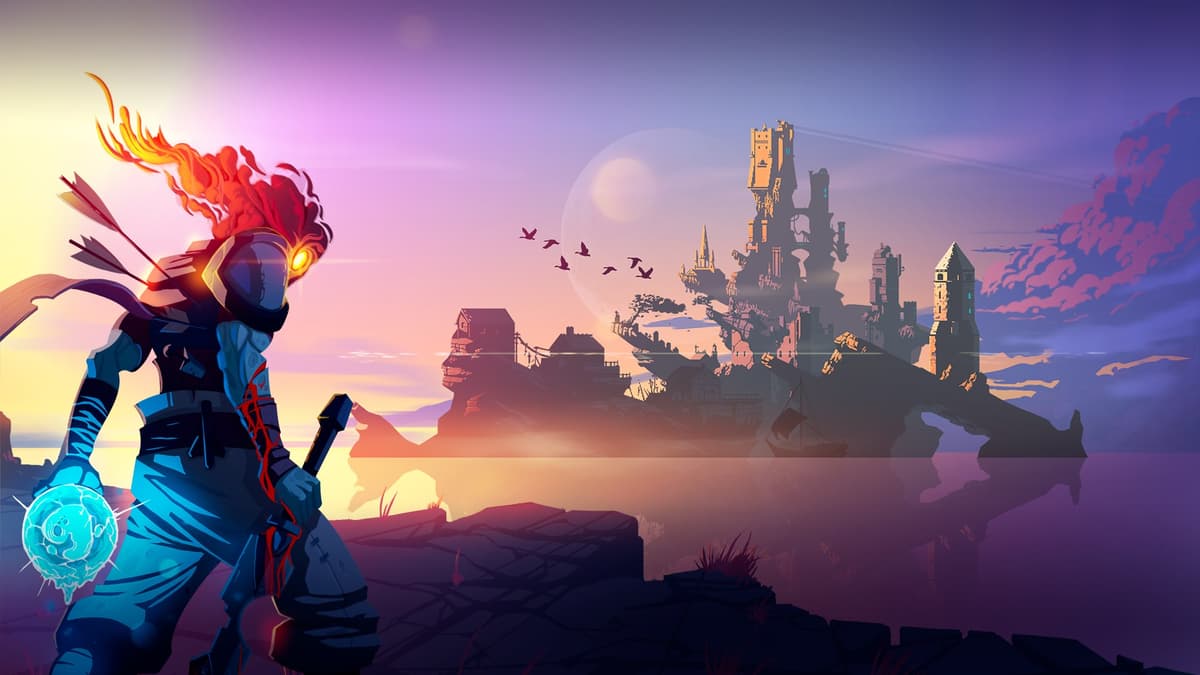
Touchscreens and precision action do not always coexist peacefully, but Dead Cells manages to make it work to a frankly ridiculous degree. The first time I loaded it up on my phone, I expected a lovely-looking but slightly compromised port. Instead, within a few runs, I was rolling through mobs, parrying with exact timing, and chaining abilities in a way that felt almost as good as playing with a controller.
Dead Cells is a ruthless but fair action roguelite. Every death sends you back to the start, but the knowledge and muscle memory you build along the way create this constant sense of improvement. Progressing from struggling against the first boss, the Concierge, to sprinting through early biomes without taking a hit never stops feeling satisfying. On mobile, customisable controls and optional assists like auto-hit go a long way toward making that learning curve less painful. I still remember the first time I reached the Clock Tower on touchscreen only, palms sweating, realising I had completely forgotten I was not holding a gamepad.
The art direction is pure mood, with chunky, almost pixel-art visuals that pop beautifully on OLED screens, and the soundtrack hits as hard as the combat. Runs can be surprisingly compact if you play aggressively, which makes it perfect for short bursts, yet the meta-progression and hidden paths keep long sessions compelling. In 2026, with mobile phones powerful enough to run full-blown console experiences, Dead Cells stands as proof that buttery-smooth, high-skill action is absolutely possible in your pocket.
6. Stardew Valley
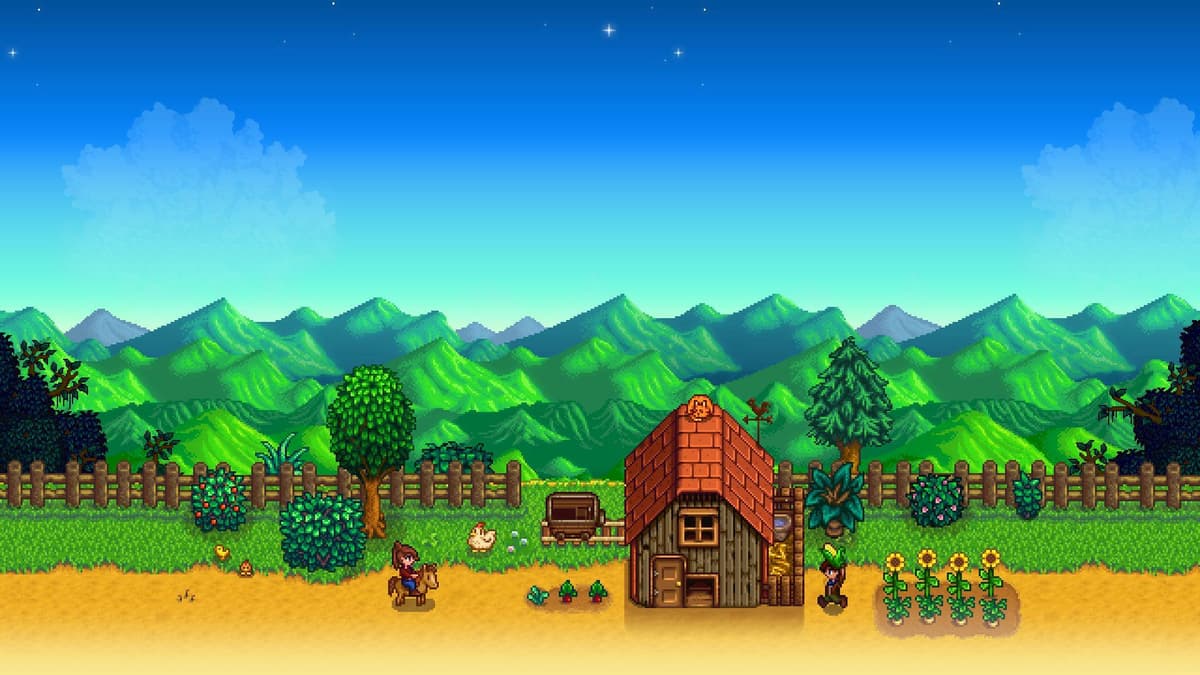
Stardew Valley is the polar opposite of the typical mobile dopamine machine. No daily login streaks, no energy timers, no push notifications begging for attention. It is just a small farm, a sleepy town, and an almost absurd amount of cosy detail. On mobile, that slow pace is not a drawback; it is the reason the game works so well.
Days in Stardew unfold gently. Plant some crops, water them, maybe dive into the mine for a few floors or wander into town to chat with villagers. Touch controls let you tap your way around chores, and the ability to suspend and resume instantly means even half a day of in-game time fits neatly into a real-world coffee break. I still laugh at the memory of my first winter, realising I had hoarded almost no hay for my animals because I ignored the silo tutorial, and then spending several evenings of train commutes fixing that mistake.
What keeps Stardew feeling fresh in 2026 is how many different play styles it supports. Some players min-max crop layouts and optimise for profit, others role-play relationships and festivals, and a few treat it as a gentle dungeon crawler with extra steps. The mobile port includes the full game, offline play, and runs great on both iOS and Android, especially on tablets where the extra screen space makes navigation smoother. When life feels noisy, this is the game I open, plant a few virtual parsnips, and let my brain unwind.
7. Among Us
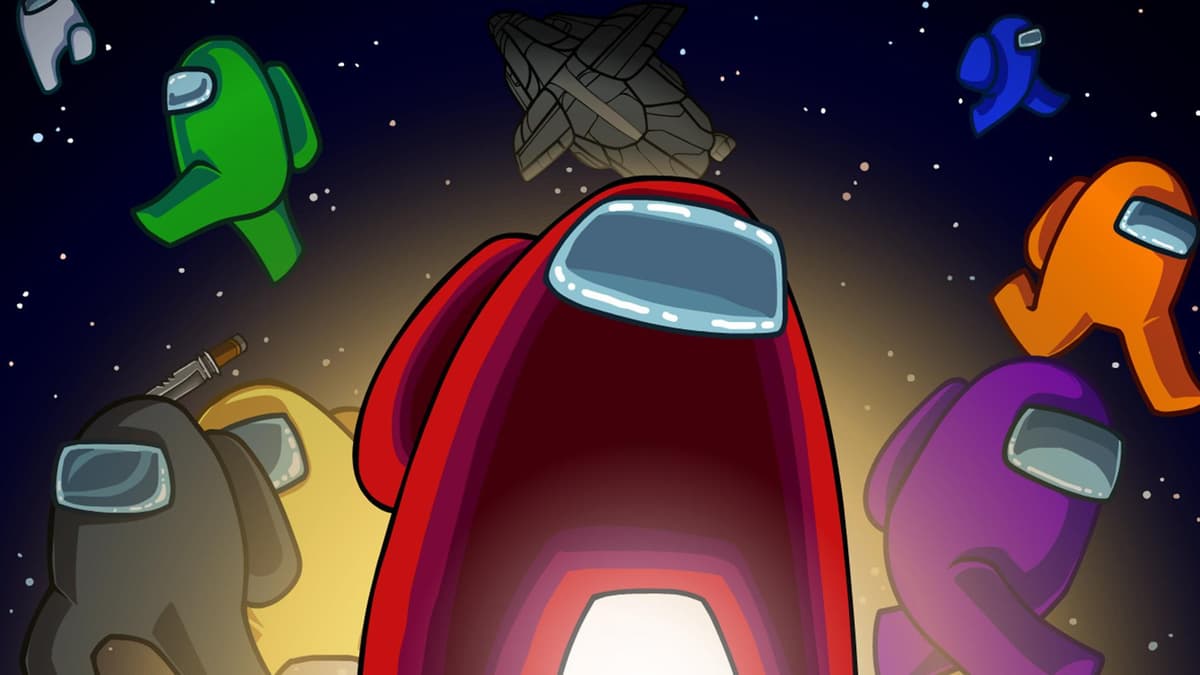
Among Us went from niche oddity to cultural phenomenon so quickly that it sometimes gets dismissed as a pandemic fad. That take misses something important. Under the memes and streamer chaos sits one of the cleanest social deduction designs ever put on mobile, and it still absolutely sings in 2026 when played with the right group.
The loop is painfully simple. Crewmates complete tasks; impostors sabotage and eliminate them. Meetings turn into frantic blame games where everyone insists on innocence just a little too loudly. On mobile, the low system requirements and free-to-play model mean almost any friend can jump in, whether they are on iOS or Android. I have lost count of the late-night Discord sessions spent arguing over vent sightings, misreads, and that one friend who somehow manages to look guilty even when they are completely clear.
Regular updates layered in new roles, maps, and cosmetics over the years, giving veterans fresh wrinkles without overwhelming newcomers. Matches are short, which suits phone play perfectly, but the memories last an embarrassing length of time. Among Us stays on my phone because no other mobile game creates stories quite this vivid. It is the one title on this list that can turn a dull evening into a legendary night of betrayal and laughter, purely through conversation and a handful of tiny tasks on a spaceship.
8. Into the Breach (Netflix Edition)
Into the Breach looks almost toy-like at first glance, with its tiny pixel mechs and bite-sized maps. Underneath that modest presentation lives one of the most surgical tactics games ever made. The mobile version, available through Netflix on both iOS and Android, quietly turned my phone into a portable puzzle box that never seems to run out of clever scenarios.
Each mission plays out on a small grid where stompy mechs defend buildings from giant insects. The twist is that enemy actions are fully telegraphed in advance. Victory comes from manipulating positions, pushing monsters into each other, or using your own buildings as bait in just the right way. It feels closer to solving a series of intricate chess problems than playing a traditional strategy game. I still remember a flight where a single mission consumed almost the entire boarding period, as I tried to find a line that saved one last city block with a one-hit-point mech and a desperate artillery shot.
On mobile, the tap-to-move interface might as well be the native way to play. Runs can be short or sprawling, but the ability to close the app mid-mission and resume later makes it ideal for fragmented play. The Netflix requirement is a minor hurdle, yet for anyone already subscribed, this version is a gift. In a landscape full of noisy auto-battlers and idle grind, Into the Breach stands out as an exquisitely clean tactics experience that rewards careful thought over raw stats.
9. GRIS

GRIS arrived on my phone during a period when I felt burnt out on games that treated every moment like a checklist. Within minutes, its hand-painted art and gentle platforming completely reset my expectations for what a mobile game could feel like. It is quiet, emotionally heavy without being overwrought, and it moves at a pace that invites breathing rather than rushing.
The game follows a young woman moving through stages of grief, expressed through shifting colours and environments rather than lengthy dialogue. Puzzles are light but satisfying, asking just enough to keep attention fully engaged without ever turning into brick walls. On a touchscreen, the simple movement and interactions feel natural, as if the world is responding directly to your fingertips. I clearly remember playing the first “red” section on a dimly lit bus ride, headphones in, realising that I had barely blinked for several minutes.
Performance on both iOS and Android holds up well, and the art style scales gracefully to different screen sizes. GRIS does not lean on endless progression or daily tasks; it tells a complete, self-contained story in a few hours and then leaves an afterimage in memory. In 2026, surrounded by loud live-service titles, it still feels brave in its restraint. Whenever someone insists that mobile games cannot be emotionally resonant, this is the title I point to, because it proves the opposite with almost no words at all.
10. Monument Valley 2

By the time I finally played Monument Valley 2, the original had already become shorthand for “beautiful mobile game,” and expectations sat somewhere between unfair and impossible. The sequel somehow met them anyway. It kept the impossible architecture and elegant touch puzzles, then layered a surprisingly affecting story about a parent and child on top.
Each level is a tiny diorama where perspective is the real mechanic. Rotating structures, sliding platforms, and subtle visual tricks open paths that feel genuinely magical the first time they reveal themselves. On a phone or tablet, directly manipulating those spaces with a finger creates a sense of intimacy that no other platform really matches. I still think about a late-game moment where the two characters separate and reunite, expressed entirely through shifting geometry rather than dialogue. It landed harder than many big-budget cutscenes.
Technically, Monument Valley 2 is modest, which makes it a dream on older devices and perfect for quick sessions. It loads fast, plays smoothly offline, and can be enjoyed in silence or with headphones for the full impact of its soundtrack. In 2026, plenty of puzzle games flaunt bigger visuals or more complicated mechanics, but very few feel as intentional and complete. This is the rare mobile title that I happily reinstall just to revisit specific levels, the way someone might re-read a favourite short story.
Wrapping up: a tiny library that survives every storage purge
Every few months, my phone hits that dreaded “storage almost full” warning, and a ruthless clean-up begins. Screenshots vanish, half-watched videos go to the void, and dozens of impulse-download games disappear without a second thought. The ten titles in this list almost never leave. They survive because they fill very specific roles: the five-minute tactics puzzle, the twenty-minute roguelite burst, the cosy hour-long farm session, the chaotic social-deduction night with friends.
Mobile gaming in 2026 stretches from throwaway time-wasters to genuinely essential experiences. These games land firmly in the second camp. They respect attention, feel great on touchscreens, and still offer something distinctive even years after release. New releases will keep flooding the App Store and Google Play every week, and plenty of them are worth trying, but whenever someone asks for a short list of mobile titles that actually justify staying installed, this is the library I recommend first.
FinalBoss // Gear
Level up your setup
01Mobile gaming controllerson Amazon→02Top-rated gaming headsetson Amazon→038BitDo controllerson Amazon→Affiliate links · As an Amazon Associate, FinalBoss earns from qualifying purchases.
Want to Level Up Your Gaming?
Get access to exclusive strategies, hidden tips, and pro-level insights that we don't share publicly.
Ultimate Top Strategy Guide + Weekly Pro Tips