
My test for an Assassin’s Creed ranking starts at street level: a target is nearby, guards are closing in, and the escape route either feels like a clean improvisation or a wrestling match with the controls. That moment tells you more than release-date prestige ever will.
This is a series with huge swings in stealth, movement, combat weight, world design, and technical polish. The best entries create a rhythm where scouting, striking, and disappearing feed each other. The weaker ones can still have a great setting or a memorable premise, but they ask players to tolerate too much friction for too little payoff. Here are the ten rules that make an Assassin’s Creed ranking useful in 2026.
Table of Contents (10)
1. Stealth Has to Be More Than Waiting in a Bush
Stealth belongs at the top of the grading sheet because it is the fantasy the series sold from day one. A strong entry gives players room to study a route, use the environment, create an opening, and vanish when the job turns ugly. If stealth becomes a rigid checklist, the player stops feeling like an assassin and starts feeling like someone trying to satisfy a fussy mission trigger.
That is also why a game can have a striking city, sharp costumes, and a famous historical period yet still land low. If sneaking through it is tedious, the atmosphere only carries the experience for so long.
2. Parkour Must Feel Like an Escape Tool
Parkour earns its place when it gives a player options under pressure. Rooftops, ledges, crowds, and alleys should form a readable escape network rather than a decorative obstacle course. A great chase feels improvised even when the world has carefully built the route for you.
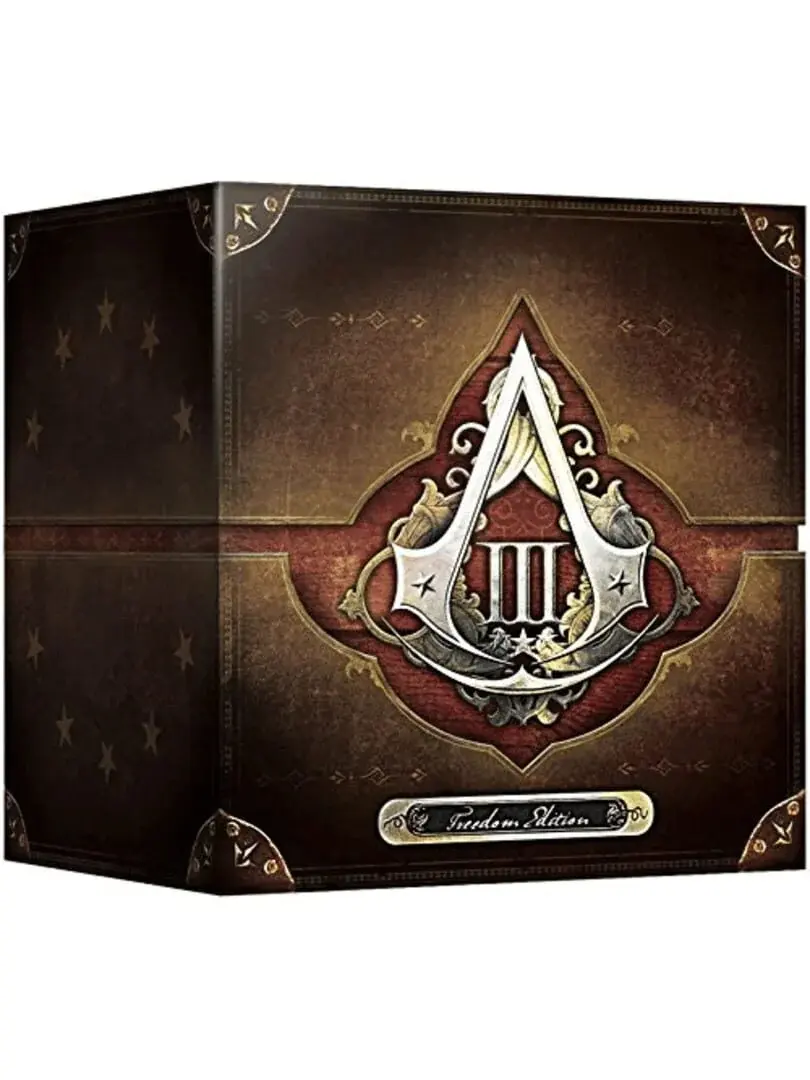
The rough early design of Assassin’s Creed III: Freedom Edition matters here. It helped establish the series’ central mix of movement and stealth, but later games needed to make that foundation more responsive and more expressive. A ranking that only rewards historical importance misses whether the movement still feels good in the hands today.
3. Assassin’s Creed III: Freedom Edition Deserves Credit, Not a Free Pass
Assassin’s Creed III: Freedom Edition is the franchise’s rough sketch: important, recognizable, and plainly less refined than the games that built on its ideas. Its core parkour and stealth systems gave the series a workable identity, yet the world lacks the density and narrative pull that help later settings become places players want to inhabit for dozens of hours.
The crowd-blending system captures both sides of that legacy. The idea was smart-lose yourself among ordinary people instead of crouching behind the nearest crate-but limited hiding options could turn a clever concept into a frustrating one. It belongs in the conversation because it laid groundwork, while its limitations keep it from winning a modern playability contest.
4. Freedom Beats Map Size Every Time
A larger map does not automatically produce a better Assassin’s Creed game. The important question is whether the space gives players meaningful ways to approach trouble. Can a route be changed on the fly? Can an objective be observed from a useful vantage point? Does the world support a clean getaway after the kill?
Assassin’s Creed Black Flag remains essential to this debate because it represents the kind of freedom players remember: a game whose identity is tied to the feeling of range and possibility. That feeling deserves more weight than raw acreage when the franchise gets ranked.
5. A Great Setting Needs Playable Texture
Historical settings are the series’ unfair advantage, but a gorgeous period backdrop cannot do all the work. The strongest worlds have texture: streets that support pursuit, crowds that matter to stealth, landmarks that help players orient themselves, and spaces worth revisiting after the main objective is over.
That is why “best setting” and “best game” should stay separate categories. A setting can be unforgettable while the missions inside it feel constrained, repetitive, or too brittle to replay. Rankings get much sharper once they stop treating those as the same achievement.
6. Combat Should Have Weight Without Erasing the Fantasy
Combat is a support system in Assassin’s Creed, not the main reason the fantasy works. It needs impact and urgency, but it should never make an open fight feel like the easiest answer to every problem. When every encounter turns into a routine brawl, planning a stealthy approach starts to feel optional in the worst way.
The better ranking question is simple: does combat rescue a messy plan without making careful play pointless? That balance separates games players revisit from games remembered mainly for a few strong scenes.
7. Assassin’s Creed Liberation Needs Its Limits Counted
Assassin’s Creed Liberation deserves to be judged on the experience it provides now, rather than being waved through on novelty or dismissed because it sits outside the biggest entries. The key issue is whether its systems give the player enough flexibility to sustain the series’ stealth-and-mobility loop.
This is where franchise rankings often get sentimental. A distinctive place in the catalogue matters, but replay value comes from what happens between major story beats: navigation, infiltration, combat, and how often the game lets a player solve a problem their own way.
8. Assassin’s Creed Chronicles Cannot Live on Style Alone
Assassin’s Creed Chronicles is a useful stress test for any ranking because it asks a narrower version of the series’ central question: how satisfying is stealth when freedom is reduced? A focused format can sharpen the tension, but it also exposes every compromise in movement, combat, and level design.
That makes it a valuable part of the franchise conversation rather than an automatic contender for the top. A game with tighter boundaries has to make those boundaries feel deliberate. If players feel pushed down one obvious route, the assassin fantasy loses its edge fast.
9. Assassin’s Creed Syndicate Has to Earn Its Fun
Assassin’s Creed Syndicate belongs in the middle of the debate because rankings should account for compromise. A game can offer appealing characters, a strong setting, or enjoyable stealth moments while still falling short on freedom and consistency. Those trade-offs matter more on a replay, when surprise no longer covers the seams.
Players choosing an entry today should care less about where it sat in a launch-year argument and more about whether its systems still click together. If the controls, mission structure, and stealth routes invite experimentation, it rises. If they repeatedly remind you of the game’s restrictions, it slides.
10. Assassin’s Creed Valhalla Has to Survive the Replay Test
Assassin’s Creed Valhalla is the final reminder that scale creates its own problems. A huge game can feel generous at first and exhausting later if its freedom is spread too thinly across content that does not reward repeat visits. For a modern ranking, hours of material are not automatically hours of enjoyment.
Bug tolerance belongs in the verdict, too. Technical roughness, awkward mission behavior, and systems that fight the player hit harder once the initial spectacle fades. The Assassin’s Creed games that last are the ones that make a second mission feel as inviting as the first: find the angle, make the move, and leave before the city realizes what happened.
FinalBoss // Gear
Level up your setup
01Top-rated gaming headsetson Amazon→02High-refresh gaming monitorson Amazon→03Gaming chairson Amazon→04Discounted game keyson Kinguin→
Affiliate links · As an Amazon Associate, FinalBoss earns from qualifying purchases.
Want to Level Up Your Gaming?
Get access to exclusive strategies, hidden tips, and pro-level insights that we don't share publicly.
Ultimate Top Strategy Guide + Weekly Pro Tips