
Table of Contents (12)
Pokopia Is Game Freak’s Best-Reviewed Game, and PC Can’t Have It
Pokopia sits at 88 on Metacritic, making it the highest-rated Pokémon title on the aggregator and the rare spin-off that humbled the mainline entries. It moved 2.2 million copies in its launch weekend and crossed four million in five weeks. Players are already using its sandbox tools to rebuild Kanto block by block, recreating Pallet Town and Lavender City with obsessive precision. The catch? It is chained to Nintendo’s hardware, and PC players are stuck watching from the sidelines.
This list is not a consolation prize. These eleven PC games deliver the same core fix: creature interaction, town rebuilding, resource management, and a strict no-combat philosophy. Some share direct development DNA with Pokopia. Others simply understood the assignment. All of them are playable right now.
1. Dragon Quest Builders 2
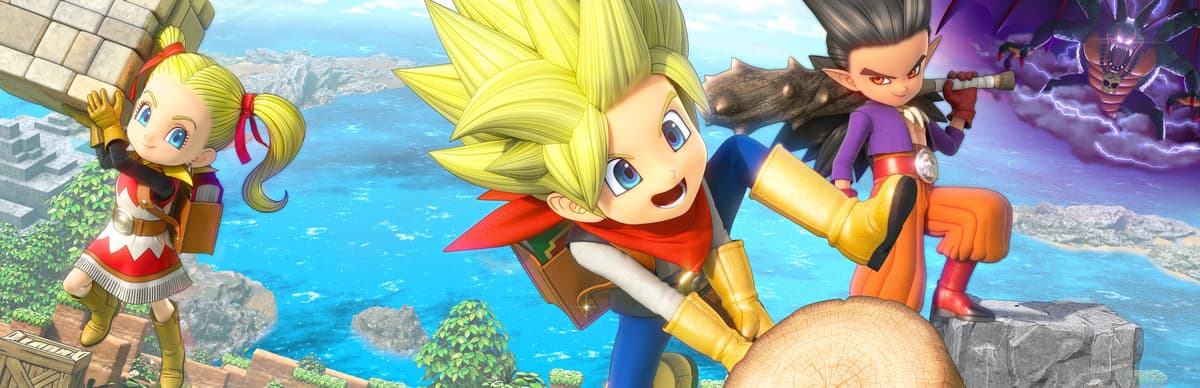
This is not a spiritual successor; it is a blood relative. Omega Force directed both Pokopia and Dragon Quest Builders 2, and the shared DNA is obvious the moment you start slamming down blocks. You get the same satisfying resource loop-chop, craft, construct-but with a heavier emphasis on combat and a full JRPG narrative holding it together. Where Pokopia strips out fighting entirely, DQB2 keeps it optional enough that you can treat it like a noisy distraction between builds. If you want the exact toolset that birthed Pokopia’s construction logic, this is the only place on PC to find it.
Skip it if you want a pure life-sim. The slime battles and boss fights are constant, and the story railroads you harder than Pokopia’s gentle sandbox ever does.
2. Ooblets
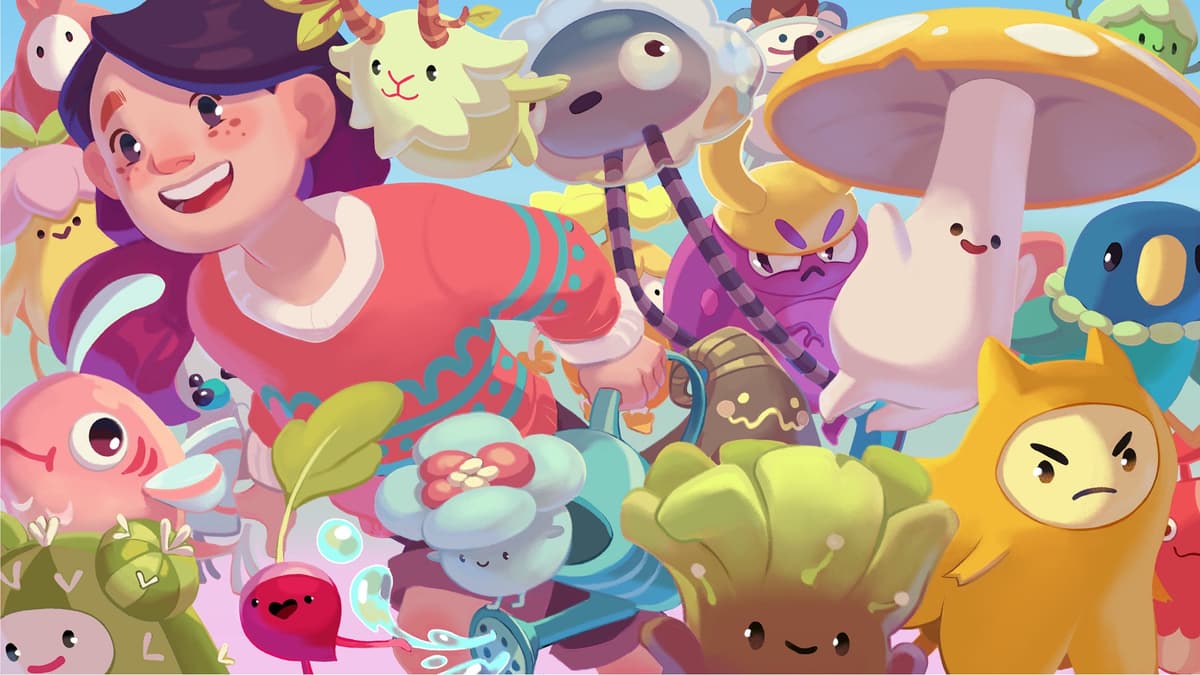
Ooblets is the game Pokopia would be if Game Freak fully committed to creature collecting without the RPG baggage. Instead of combat, your little plant-and-animal hybrids settle disputes through dance-offs. The rhythm is pure life-sim: farm crops, befriend locals, unlock new Ooblets, and expand your homestead. The aesthetic is aggressively adorable, and the pacing refuses to rush you. It mirrors Pokopia’s non-violent philosophy so closely that the two feel like cousins.
The downside is scope. Ooblets is a smaller, more intimate project, and its world never reaches the vertical scale of Pokopia’s block-built valleys. Play it for the vibe, not the epic.
3. Critter Cove
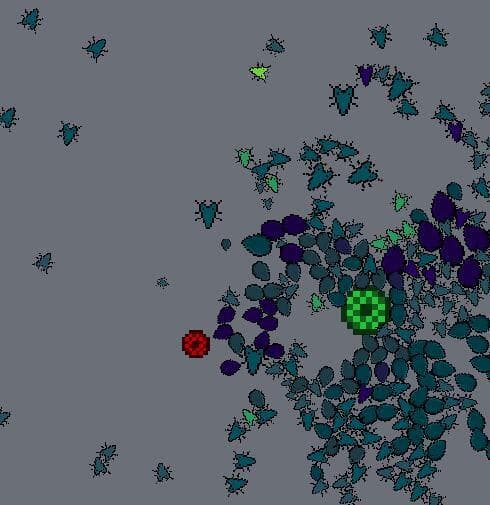
Critter Cove lands in the exact same zip code as Pokopia: you befriend creatures, rebuild a struggling town, and manage resources without ever raising a fist. The difference is tone. Where Pokopia leans into polished Nintendo charm, Critter Cove feels like a passion project built by people who mainlined Animal Crossing and decided to add more raccoons. The creature designs are weird in the best way, and the town rehabilitation loop gives you tangible milestones every session.
It lacks Pokopia’s production budget, so expect jankier animations and a smaller map. Still, for creature-collecting community building on PC, the alignment is uncanny.
4. Littlewood
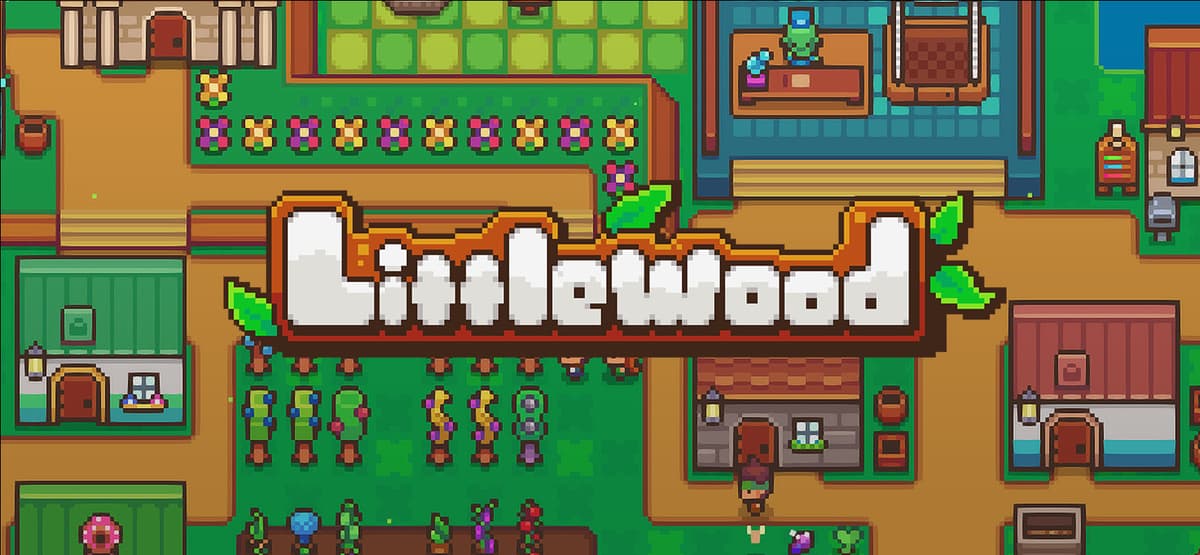
Littlewood asks a question most RPGs ignore: what happens after the hero wins? The answer is you settle down, chop wood, and place furniture on a grid. There is no combat, no looming threat, just the quiet pleasure of rebuilding a world that already got saved. Its loop-gather, craft, arrange, repeat—mirrors Pokopia’s resource management exactly, and the pixel-art towns you cobble together carry the same pride-of-ownership vibe.
It is lighter on creature interaction than Pokopia, focusing more on NPC relationships. If you are here strictly for the monster buddies, bump this down the list.
5. Slime Rancher 2
The creature-collecting fantasy does not need turn-based battles or Poké Balls. Sometimes it just needs a vacuum gun and a rainbow of hungry slimes. Slime Rancher 2 drops you on a lush archipelago where the wildlife is bouncy, profitable, and occasionally explosive. You build out your ranch, manage resources, and study slime behaviors to keep them fed and happy. The combat is nonexistent; the tension comes from supply chains and escape artist slimes.
It skews more toward management than town building, so if Pokopia’s community reconstruction is what hooked you, this will feel lonelier. Play it for the critter obsession.
6. Paleo Pines
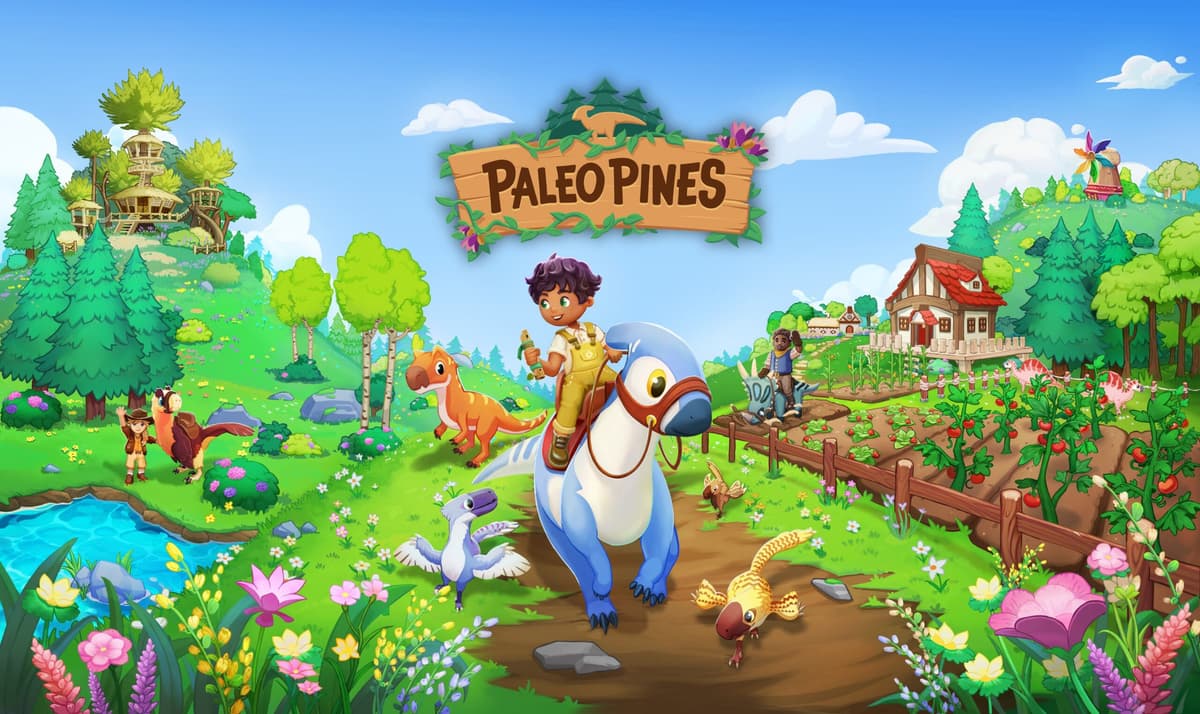
If Pokopia’s creatures are the main attraction, Paleo Pines understands the assignment. You run a ranch on an island full of friendly dinosaurs, and your entire progression hinges on befriending them through food, care, and patience. There is no combat, no dungeon crawling, just the slow, satisfying process of earning a triceratops’ trust. The ranch customization and crop management layer on top give you a town-like space to shape.
The pace is glacial even by cozy standards. Players who need constant checklist dopamine will bounce hard. Everyone else will name their first parasaur and never look back.
7. Grow: Song of the Evertree
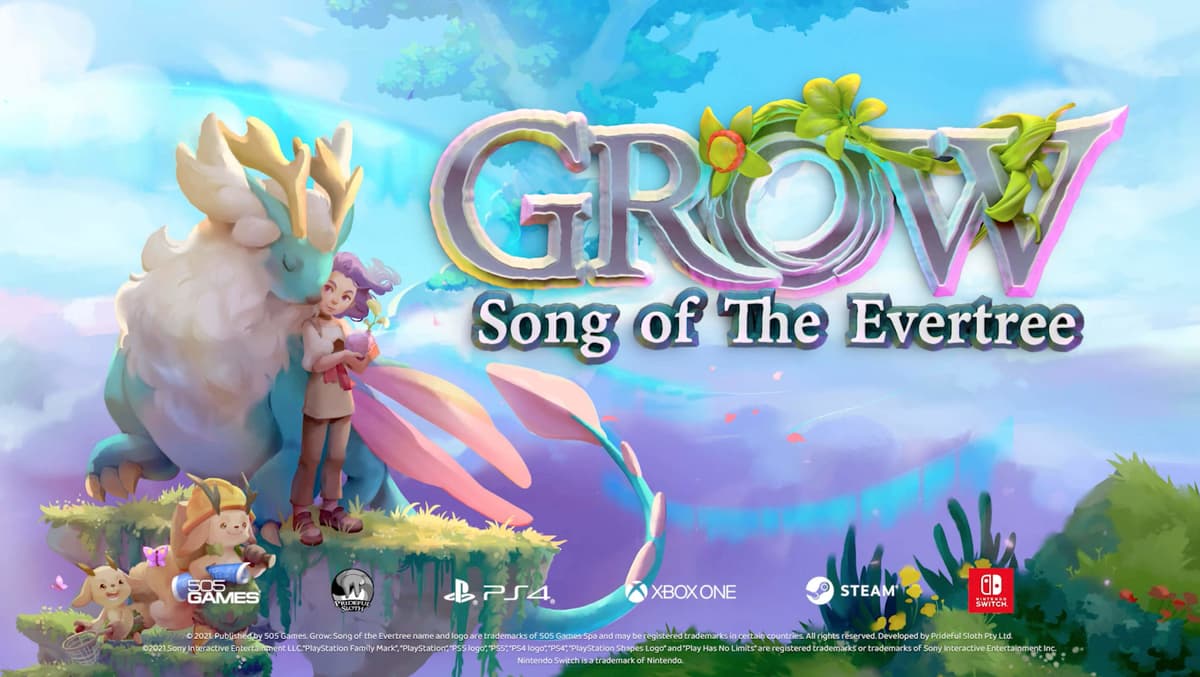
This is the most underrated town-builder on PC, and it shares Pokopia’s fixation on environmental manipulation. You play as an alchemist restoring a world by literally growing biomes on the branches of a giant tree. Creatures return as the land heals, shops open, and the settlement breathes again. The block-by-block terraforming and sandbox freedom echo Pokopia’s construction tools, while the soundtrack and art direction nail the same stress-free headspace.
The platforming can be clumsy, and the narrative is saccharine even for the genre. Treat it as a creative sandbox first, a story second.
8. Cozy Grove
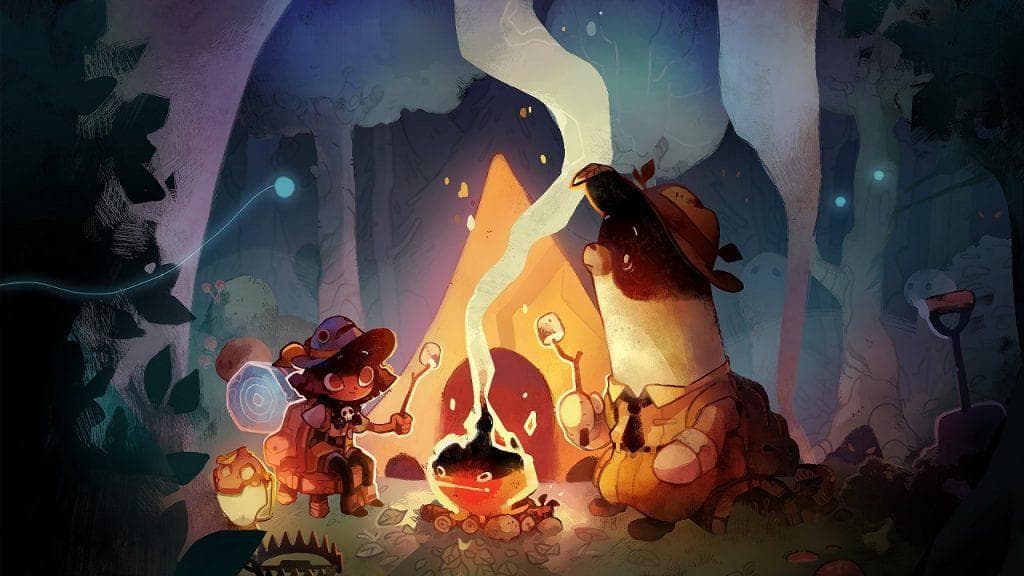
Cozy Grove is a slow burn, but it understands Pokopia’s daily-rhythm appeal better than almost anything here. You camp on a haunted island and help troubled spirit bears find peace through fetch quests, crafting, and light decoration. The creature interaction is front and center—the bears are memorable, weird, and surprisingly emotional—and the real-time pacing means you check in for thirty minutes, make progress, and log off without guilt.
It is lighter on building depth. You are not reconstructing a metropolis; you are tidying up a campsite. Come here for the characters, not the architecture.
9. Bugsnax
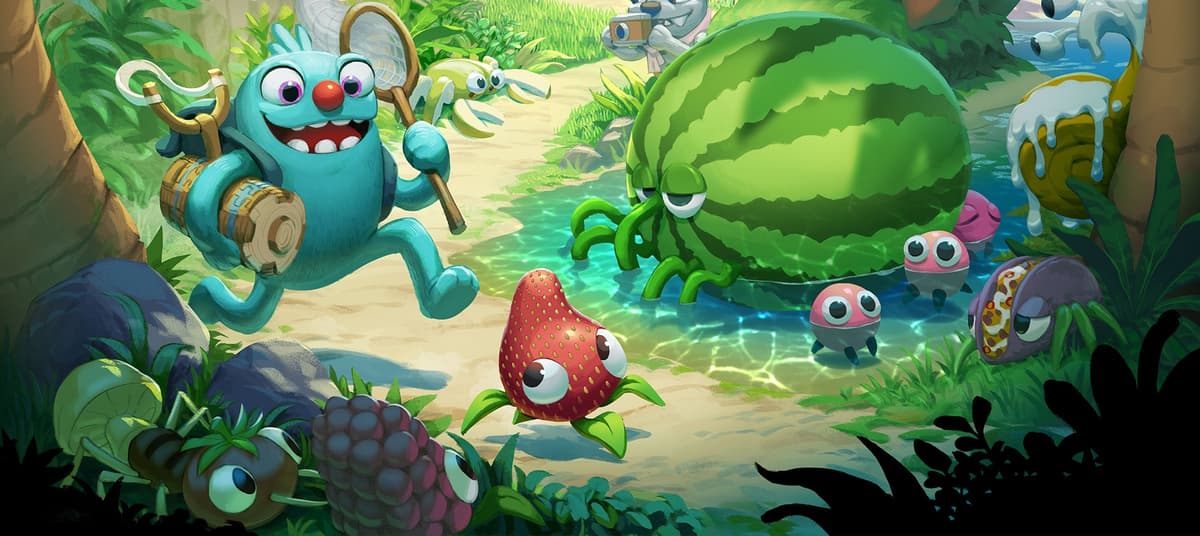
Bugsnax runs on one deliciously weird question: what if the creatures were also snacks? You trap, lure, and collect living food-bugs on an island mystery tour, and the puzzle-like approach to creature capture feels like a clever remix of Pokopia’s non-violent taming. The narrative has teeth—this is darker than it looks—but the core loop of cataloging every Snak and filling out your guide is pure collector brain fuel.
It is more linear and story-driven than Pokopia’s open sandbox. Once you have seen the credits, the replay value thins out.
10. Garden Story
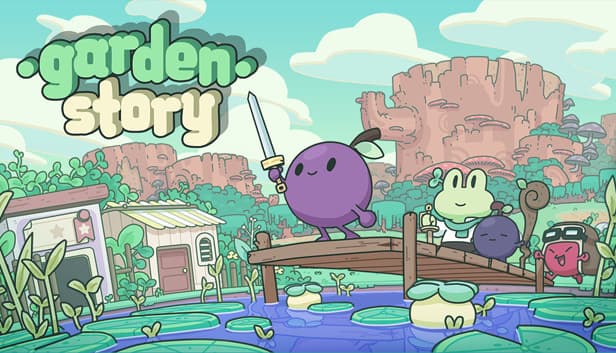
Garden Story shrinks the scale but keeps the heart. You play as a grape named Concord who rebuilds a fractured community by repairing infrastructure, helping neighbors, and clearing rot from the region. There is no combat in the traditional sense; conflict is solved through chores and conversation. The town-rehabilitation structure is almost identical to Pokopia’s early hours, and the top-down pixel art gives it a distinct retro warmth.
It is short. You can see most of what it offers in under fifteen hours. Treat it as a palate cleanser between longer sims.
11. The Wandering Village
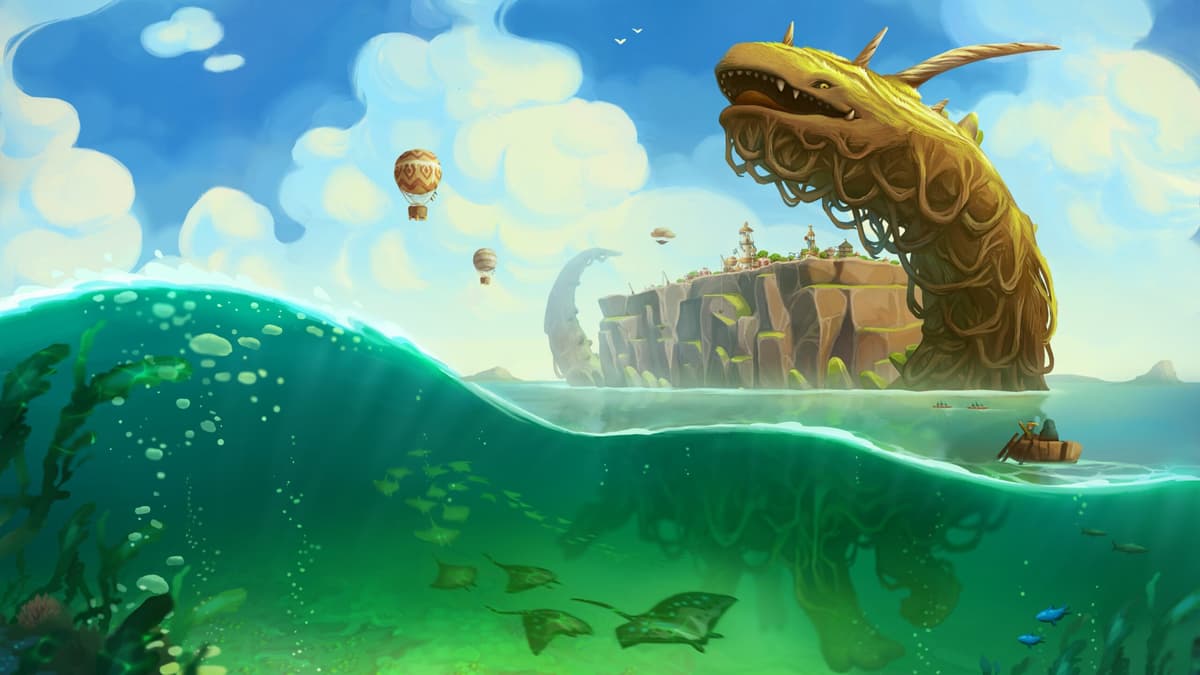
No other game on this list commits to the symbiosis idea quite like The Wandering Village. You build a settlement on the back of a giant wandering creature, balancing your villagers’ needs against the health of the beast carrying them. The creature interaction is the literal foundation of the game. Resource management is ruthless, and the art style is strikingly unique, but the core conceit—coexisting with something massive and gentle—mirrors Pokopia’s best moments.
It is heavier on survival mechanics than true cozy comfort. If you want zero stress, look higher up the list. If you want proof that creature-centric building can get weird and ambitious, this is it.
FinalBoss // Gear
Level up your setup
01Best-selling Switch 2 gameson Amazon→02Switch 2 accessorieson Amazon→038BitDo controllerson Amazon→04Discounted game keyson Kinguin→Affiliate links · As an Amazon Associate, FinalBoss earns from qualifying purchases.
Want to Level Up Your Gaming?
Get access to exclusive strategies, hidden tips, and pro-level insights that we don't share publicly.
Ultimate Top Strategy Guide + Weekly Pro Tips