
Frostpunk has quietly stopped being “that one brutal city-builder from 2018” and turned into something else: a long-term franchise with a roadmap that now stretches to 2027 and likely beyond. 11 bit studios’ Frostpunk Franchise Fest wasn’t just a content dump; it was the moment the series formally moved into the same category as long-lived strategy platforms like Civilization and Cities: Skylines.
Table of Contents (8)
Key takeaways
- 11 bit has sold around 11 million copies across Frostpunk and Frostpunk 2, giving it the numbers to justify a full franchise strategy.
- The original Frostpunk is finally coming to Nintendo Switch with no release date yet – a very late but potentially lucrative port.
- Frostpunk 1886, a “definitive” remake of the first game with new content, is scheduled for 2027, effectively resetting the base of the series.
- Frostpunk 2 is getting its first major expansion, Breach of Trust, on 23 June, with closed playtests already underway and a clear signal that more DLC is coming.
This isn’t a content drop, it’s a long-game franchise plan
The headline-grabbers are easy to list: Switch port, big Frostpunk 2 DLC, full remake in 2027. What matters more is the shape of that list.
11 bit has effectively drawn a timeline: keep the original game alive on new hardware, keep Frostpunk 2 active with expansions, and then replace the original entirely in 2027 with Frostpunk 1886 – a “definitive” remake that folds in additions and upgrades rather than spinning up Frostpunk 3 immediately.
This is the same pattern we’ve seen with strategy-adjacent games that turned into platforms: Paradox with Stellaris and CK3, Colossal Order with Cities: Skylines, even Firaxis when it kept Civilization V alive for years with expansions instead of racing to VI. You don’t reboot every few years; you widen and deepen what’s already there while pulling in new players via refreshed editions and new platforms.
In that light, the Switch port, Frostpunk 1886, and Breach of Trust all read less like isolated announcements and more like parts of one pipeline: broaden the audience now, raise the floor of technical quality and content later, and keep Frostpunk 2 in the conversation the whole time.
The 11 million sales figure across Frostpunk (2018) and Frostpunk 2 (2024) is the justification for this shift. You don’t plan a 2027 remake and multi-stage DLC roadmap unless the series has crossed from “critical darling” to reliable revenue line.
A very late Switch port that still makes business sense
On paper, bringing the original Frostpunk to Switch in 2026 is absurdly late. The game launched on PC in 2018 and hit PS4/Xbox One in 2019. Nintendo owners are used to late ports, but this is late even by that standard.
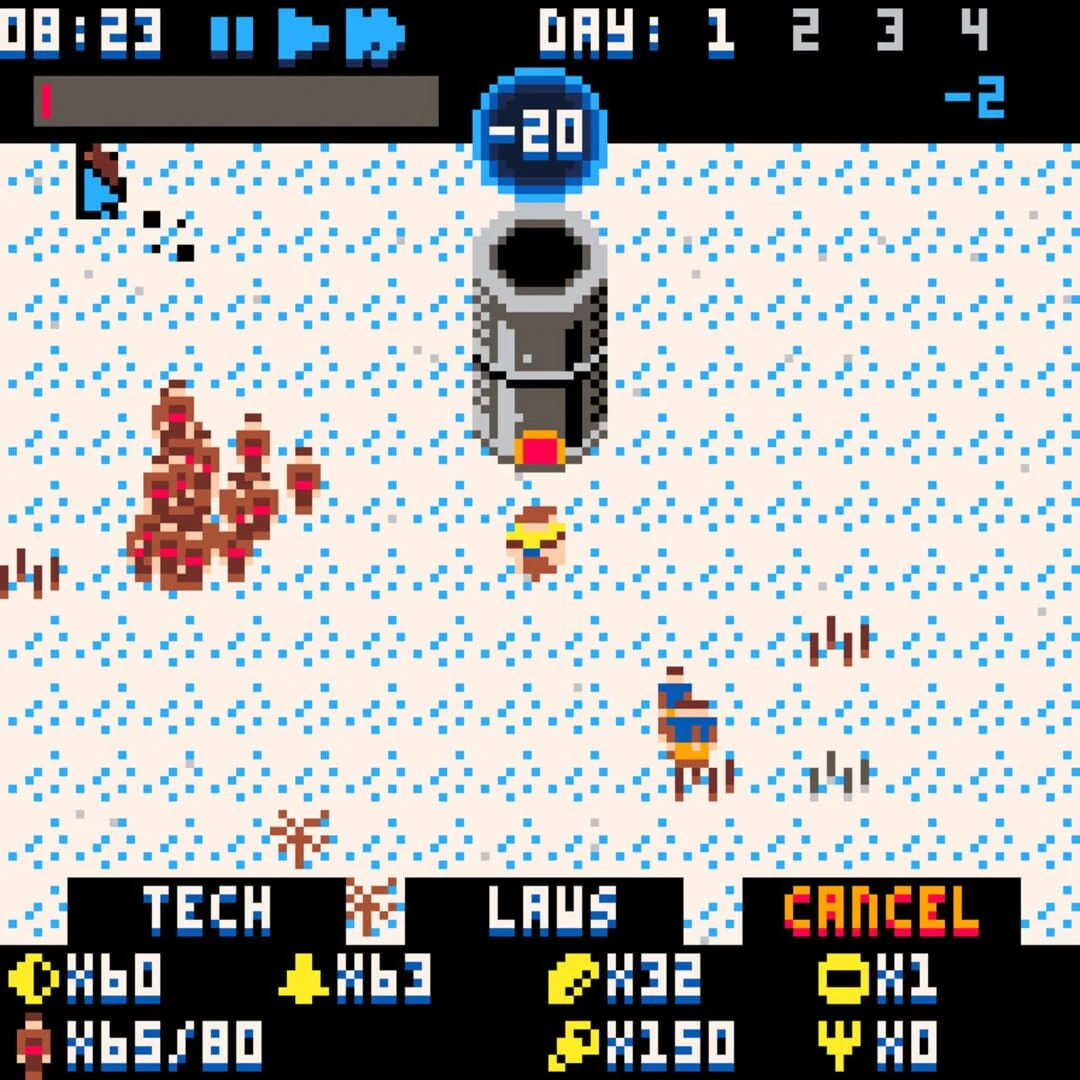
And yet, it’s not hard to see why 11 bit pulled the trigger now:
- Frostpunk 2 exists and needs a funnel. A new wave of players discovering (or rediscovering) the first game on Switch is effectively a long-tail marketing campaign for Frostpunk 2 and its future console versions.
- Switch’s audience fits the game. Survival city-builders and management sims have quietly carved out a niche on Switch. Frostpunk’s slower pace and pausable systems work well on portable hardware if the UI survives the transition.
- There’s a next Nintendo machine coming. Coverage of the event notes that the studio is planning compatibility with Nintendo’s next Switch hardware. Launching late in the current cycle is less weird if you’re essentially targeting the cross-over period.
The question the studio didn’t answer – and the one that matters most to players – is how they’re fitting a heavily UI-driven, CPU-hungry city sim onto aging Switch hardware without gutting it.
If I had one question for the PR team, it would be this: are we looking at a fully featured port with all DLC and Endless Mode, or a cut-down “best effort” that trades simulation depth for performance? The messaging so far stresses that the core loop – heat management, lawmaking, exploration, resource triage – is intact, but it’s silent on technical compromises and feature parity.
Given 11 bit’s previous Switch work (This War of Mine, Moonlighter, Children of Morta via partner studios), the team at least knows the pitfalls. Those ports were generally solid but not flawless, with predictable resolution and performance trade-offs. Frostpunk’s isometric view and relatively slow pace help, but the thermal map, dense overlays, and constant information checking are going to be a real UI design test on a handheld screen.
Frostpunk 1886: a “definitive remake” that quietly resets the series
The 2027-bound Frostpunk 1886 is described as a definitive edition of the first game: more than a remaster, less than a numbered sequel. That framing matters.
From what’s been outlined so far, 1886 aims to:
- Move the original campaign and scenarios onto a newer tech base (likely leveraging Frostpunk 2’s engine learnings).
- Fold in all post-launch content and tweaks from the original release.
- Add meaningful new material, rather than just visual upgrades.
In other words, it’s the version of Frostpunk you’d tell new players to start with, not just a prettier port. That has a couple of implications.
First, 11 bit is acknowledging that the original game, as important as it was, now shows its age both technically and structurally. The moral-decision hook is still strong, but city-builders and survival sims have moved on. A 2027 release gives them time to revisit clunky systems, improve onboarding, and re-balance around what they’ve learned from years of post-launch data and from Frostpunk 2’s more complex city model.
Second, 1886 gives the studio a way to consolidate its audience around a single “canonical” Frostpunk experience without having to carry every legacy version forward forever. If Frostpunk 2 keeps expanding while 1886 becomes the entry point, you essentially get a two-pillar franchise: one tightly scripted, one sprawling and systemic.
What 11 bit isn’t talking about yet is upgrade paths or pricing. If you own Frostpunk and its DLC on PC, do you get a discount, a free upgrade, or nothing? Historically, definitive remakes are where goodwill and monetisation strategy collide. CD Projekt’s approach to The Witcher 3’s next-gen update set one bar; full-priced “definitive editions” set another. Where 11 bit lands will say a lot about how it sees its relationship with the long-time PC base that made those 11 million copies possible.
Breach of Trust turns Frostpunk 2 into a live expansion platform
Breach of Trust, arriving 23 June, is the part of this package that affects active players immediately. It’s Frostpunk 2’s first major DLC, pushing into volcanic themes and digging deeper into New Edinburgh’s politics of leadership, fear, and – as the name makes painfully clear – betrayal.
The reveal trailer focuses less on new mechanical bullet points and more on tone: the plea for citizens’ trust, the search for life beneath the ice, and the simmering sense that the social contract in Frostpunk 2’s megacity is about to snap. That’s on-brand for the series, but the expansion’s very existence is also a structural statement.
By confirming a named, date-stamped DLC this soon after launch – and by putting it into closed playtests – 11 bit is signaling that Frostpunk 2 is a platform it plans to keep layering. The studio has already hinted there’s more DLC on the roadmap. That doesn’t mean battle passes or hard live-service mechanics, but it does mean the “one and done campaign” fantasy is dead. If you buy into Frostpunk 2, you’re buying into an evolving ruleset.
There are two friction points to watch here:
- Console timing. Frostpunk 2’s console versions, already delayed to summer 2026, now sit in an awkward place. If Breach of Trust lands first on PC, console players could arrive months behind the balance and content curve.
- DLC structure and pricing. We don’t yet know if this is the first of a few big expansions, part of a pass, or the beginning of a more frequent drip-feed. Each model treats player time – and wallets – very differently.
Mechanically, the volcanic angle and subterranean exploration teased in coverage could push Frostpunk 2’s city design in more vertical, layered directions. Done well, that’s exactly what a first expansion should do: stress the simulation in new ways, not just add another district and a couple of laws.
The thing 11 bit didn’t say out loud
For all the talk of milestones and new content, one number was conspicuously missing: any concrete commitment on how often players should expect major updates.
The pattern is familiar: celebrate sales, announce a substantial early DLC, tease that “more is coming”, and stop just short of defining the cadence. That keeps expectations flexible for the studio, but it makes it harder for players to decide how deep to go now versus waiting for a more complete edition.
From a distance, Frostpunk’s roadmap looks like this:
- 2026: Frostpunk 2 PC evolves via Breach of Trust and likely further patches; console versions finally arrive; original Frostpunk starts its long walk onto Switch.
- 2027: Frostpunk 1886 lands as the version of the original the studio wants everyone to remember.
- Post-2027: a stable two-game ecosystem, where expansions and ports keep the world of New London and New Edinburgh economically viable without rushing a third numbered title.
Whether that’s good for players depends almost entirely on how transparent 11 bit is willing to be about its DLC plans and upgrade paths. The creative side of the news – more stories of impossible decisions in the ice, a reimagined original, a portable version – is strong. The business side is still in Schrödinger’s box.
What to watch next
- 23 June – Breach of Trust launch. Watch reviews and player sentiment around balance, length, and how well the new systems integrate with Frostpunk 2’s core. If this lands well, expect a more aggressive DLC cadence.
- Details on the Switch port. The first real test will be a gameplay showcase or technical breakdown. If 11 bit is confident, it will show handheld performance and talk openly about compromises.
- Clarification on Frostpunk 1886 pricing and upgrades. Any statement about discounts for existing owners, or bundling with future complete editions, will tell you how consumer-friendly this franchise phase is going to be.
- Console roadmap for Frostpunk 2 DLC. If console players are left waiting significantly longer for Breach of Trust and whatever comes after, that two-tier ecosystem will become the main friction point for the series.
TL;DR
11 bit has turned Frostpunk into a long-term franchise, announcing an undated Switch port of the original, a “definitive” Frostpunk 1886 remake for 2027, and Frostpunk 2’s volcanic-themed Breach of Trust DLC for 23 June. Underneath the trailers and sales milestones is a clear strategy: keep Frostpunk 2 evolving with expansions while resetting the original with a rebuilt edition and pushing onto new hardware. The real test will be how 11 bit handles DLC cadence, console parity, and upgrade pricing – the parts of this plan it hasn’t spelled out yet.
FinalBoss // Gear
Level up your setup
01Top-rated gaming headsetson Amazon→02High-refresh gaming monitorson Amazon→03Gaming chairson Amazon→04Discounted game keyson Kinguin→Affiliate links · As an Amazon Associate, FinalBoss earns from qualifying purchases.
Want to Level Up Your Gaming?
Get access to exclusive strategies, hidden tips, and pro-level insights that we don't share publicly.
Ultimate Gaming Strategy Guide + Weekly Pro Tips