
Table of Contents (14)
Why PS Plus is secretly a survival game goldmine
Every time I open the PS Plus Extra catalog, I end up ignoring the big AAA headliners and hunting for one specific thing: survival games. I am that player who hoards canned food, panics when the in‑game temperature dips below zero, and spends 40 minutes deciding where to place a campfire. Right now, PS Plus has a surprisingly stacked line‑up for people like me.
This list focuses on survival experiences that have been available through PS Plus Extra or Premium, ranging from brutally realistic simulations to strange hybrids with cars, cities and cosmic horror. Sony rotates the catalog regularly, and availability can vary by region, so it is always worth double‑checking the store page in case something has cycled out. Still, as a snapshot of what the service has offered, it shows how varied the genre has become on PlayStation 4 and PlayStation 5.
I am ranking these less like a “Metacritic scoreboard” and more by how deeply they got under my skin and how distinct they feel from one another. Pure cold‑weather misery, jungle infections, paranormal road trips, steampunk city management and even 2D sandbox chaos all make the cut. If you have a PS Plus subscription and a high tolerance for digital suffering, these are the survival games worth burning your free time on.
1. The Long Dark
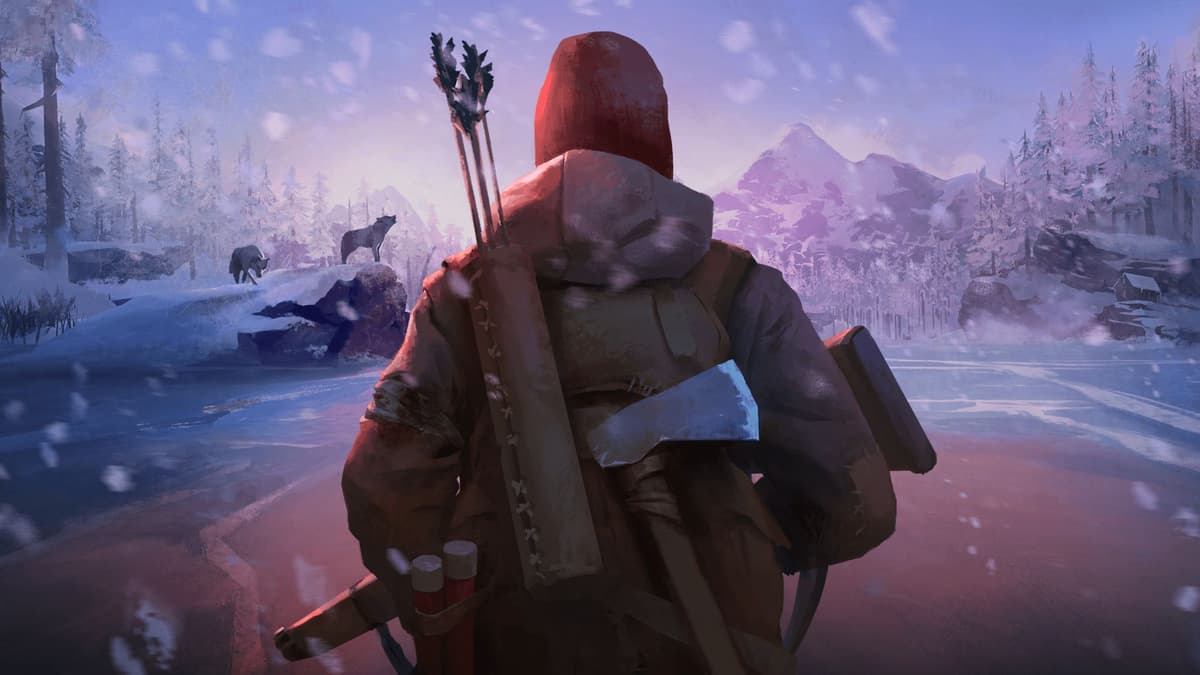
Whenever someone asks me what “pure” survival feels like, The Long Dark is the game that pops into my head. No zombies, no mutants, no crafting lasers out of scrap, just you, the Canadian wilderness and a long list of ways to freeze, starve or bleed out. On PS4 and PS5, that slow, deliberate pacing hits hard. You feel every second of a blizzard as you limp between cabins with your last match cupped in your hands.
The game tracks temperature, wind chill, fatigue, calories, condition, encumbrance and more, and the systems force you into the kind of ugly trade‑offs that define good survival design. I still remember a run on Mystery Lake where I had to decide between cooking a wolf carcass in the open or sprinting to shelter before the wind picked up and snuffed my fire. The radial interaction menu on a DualSense or DualShock feels tense when your health is ticking down while you scroll to “light torch”.
There are two main ways to play. Sandbox Survival Mode is the star, a largely narrative‑free struggle where death is permanent and every decision echoes across hours. The episodic Wintermute story is more guided and forgiving, but it doubles as a great tutorial for new players. The Long Dark earns the top spot because it understands something a lot of games forget. Surviving should feel exhausting, scary and occasionally boring in the best way, and that constant low‑level dread never really goes away.
2. Frostpunk
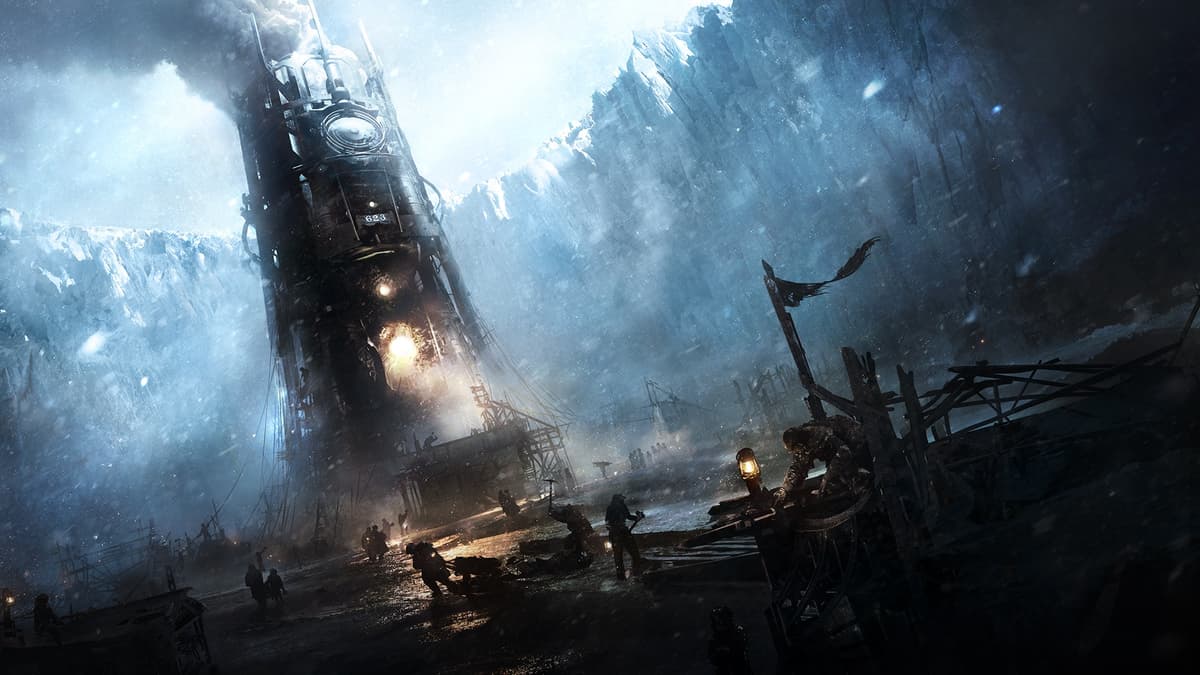
If The Long Dark is about keeping one person alive, Frostpunk is about saving an entire frozen city by becoming the kind of leader you might hate in any other game. This is survival wrapped inside a city builder, set around a giant coal‑burning generator in a world smothered by ice. You do not control a hero, you control laws, working hours and the fate of children, and PS Plus making this available has quietly given a lot of console players their first real taste of moral survival strategy.
On console, the interface maps neatly to a controller: radial menus for buildings, quick jumps between districts, and a constant eye on the temperature timeline at the top of the screen. That temperature bar is the real villain. It drops in brutal scripted waves that force you to overwork people in the coal mines, sign emergency laws and funnel resources into insulation or automatons. I still remember hovering over the “Child Labour” law for minutes, knowing it would keep the generator running but crush hope in the city.
What makes Frostpunk brilliant as a survival game is that the core resource is not just wood or steel, it is hope. Starving citizens can riot, sick workers stop your production chains, and a single bad cold snap can wipe out half the population if you miscalculate. Every new scenario in the console edition twists the formula in clever ways, forcing new priorities and different kinds of cruelty or compassion. It is rare that a management game leaves me staring at the TV after a failed run, wondering if I did the right thing. Frostpunk does that regularly.
3. Pacific Drive
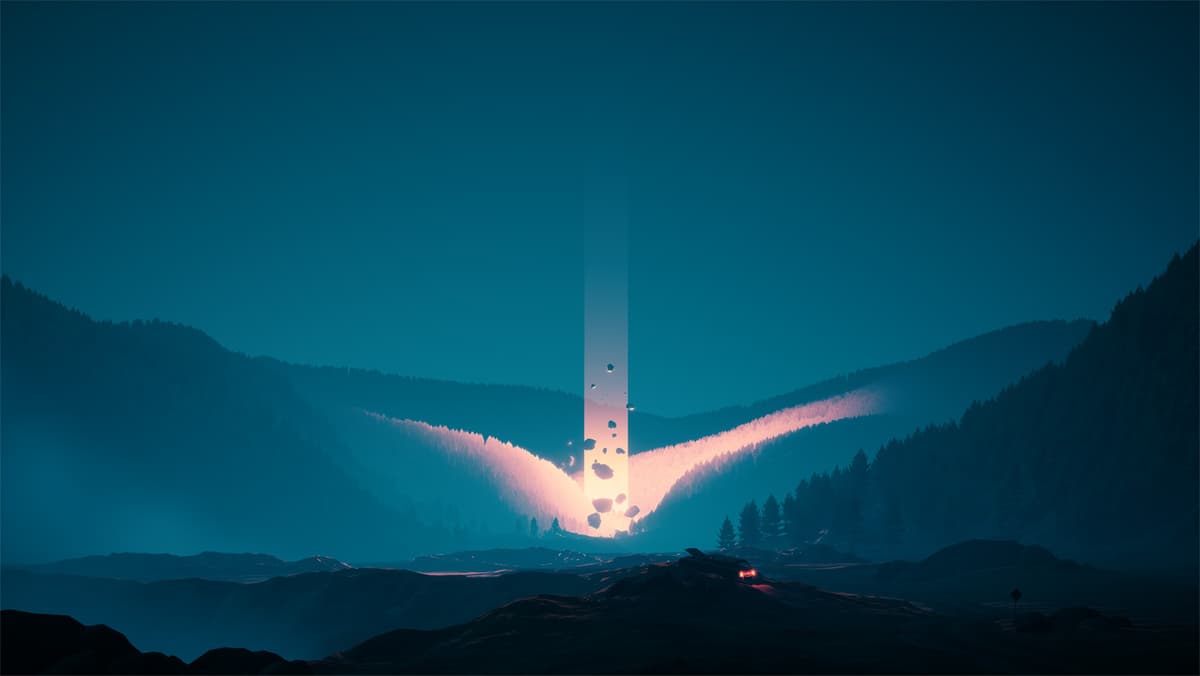
Pacific Drive is the game that convinced me a beat‑up station wagon can feel like a beloved RPG party member. It calls itself a “run‑based driving survival game”, but that undersells how strange and tense it feels. You operate out of a dilapidated garage on the edge of a paranormal exclusion zone inspired by the Pacific Northwest, and every trip into the twisted forest roads is a gamble with your car as the only lifeline.
The loop is simple and addictive. Drive into the zone, dodge anomalies, scavenge scrap, then race back to safety before an apocalyptic storm closes in. Between runs, you pop the hood, rip off panels, weld on armour, swap out doors you salvaged from wrecks and reorganise the chaos of tools in your trunk. My favourite memory is trying to outrun a rolling ball of warped reality, headlights flickering, windshield cracked, radio screaming static, while I limped along on a single intact tyre.
On PS5 in particular, the haptics and audio design sell the survival aspect. You feel the crunch of gravel, the shudder when you clip debris and the sickening drag when a wheel is about to give out. Unlike more traditional survival games, Pacific Drive does not ask you to count calories or manage thirst. Instead, it turns distance, fuel, battery charge and your car’s structural integrity into the resources you obsess over. It earns a high place here because it shows how far the genre can stretch without losing that core tension of barely scraping through alive.
4. Green Hell
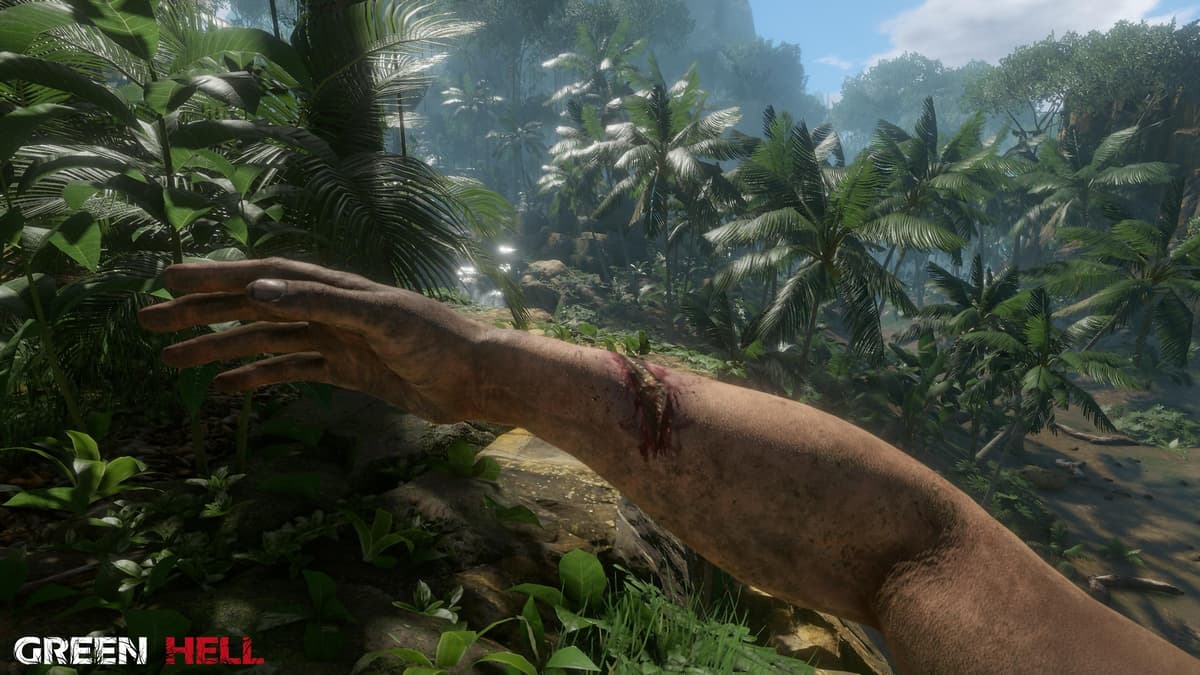
Green Hell is the game that humbled me. I went in cocky after hundreds of hours in other survival sandboxes and walked out with food poisoning, parasite infections and a deep distrust of every plant in the Amazon rainforest. This is one of the most unapologetically realistic survival sims that has hit PlayStation via PS Plus, and it takes the fantasy out of the genre in the best possible way.
The jungle is not just a backdrop. It is a system that constantly pokes holes in your plans. Drink from the wrong river and you get parasites that drain your sanity. Ignore a small wound and it festers. Eat unknown mushrooms and you either get a helpful buff or end up hunched over, losing half your health bar. The notebook‑based crafting and inspection system is brilliant on a controller. You manually rotate your character’s limbs to check for leeches or bandage cuts, and every success feels earned rather than handed to you.
There is a story mode with psychological twists and cooperative survival for players who prefer suffering with friends. What sticks with me is the ambient soundscape on PS4 and PS5. Every rustle in the undergrowth could be a harmless capybara or something that wants you dead, and the weather swings from blinding sun to storms that wash away your carefully placed campfires. Green Hell is high on this list because it nails that fantasy of being utterly out of your depth in nature, where knowledge and preparation matter more than any weapon you craft.
5. Chernobylite
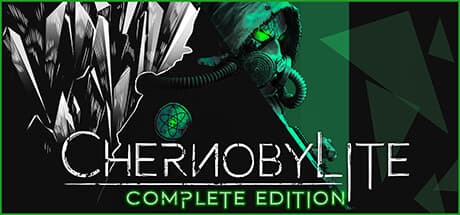
Chernobylite feels like someone smashed S.T.A.L.K.E.R., a heist planner and a base‑building survival game into one radioactive fever dream and somehow made it work on console. Set in a sci‑fi version of the Chernobyl Exclusion Zone, you are a scientist searching for a lost loved one while reality itself frays around you. It is one of the more narrative‑driven survival titles that has appeared on PS Plus, but the day‑to‑day loop is all about staying alive in a hostile, irradiated sandbox.
Each day you choose missions on a map of Pripyat and its surroundings, send companions to gather resources, then head out yourself with whatever gear you can craft back at base. In the field, it plays like a slower, tenser immersive sim. You sneak around soldiers, scavenge materials and nervously watch your Geiger counter while distorted creatures stalk the edges of the zone. I will never forget creeping through an abandoned kindergarten, flashlight trembling, while the dosimeter clicked faster and the soundtrack slipped into eerie whispers.
Back at your hideout, you invest resources in workbenches, comfort items and life support systems that keep morale and sanity from collapsing. The twist is a time‑bending mechanic that lets you redo key story missions at the cost of precious Chernobylite, rewriting alliances and outcomes. That structure pushes you into tough calls about whether to protect your crew’s physical health, upgrade weapons, or gamble everything on one more timeline. Chernobylite earns its place here by blending survival with character‑driven storytelling, giving every scavenging run emotional weight.
6. Dredge
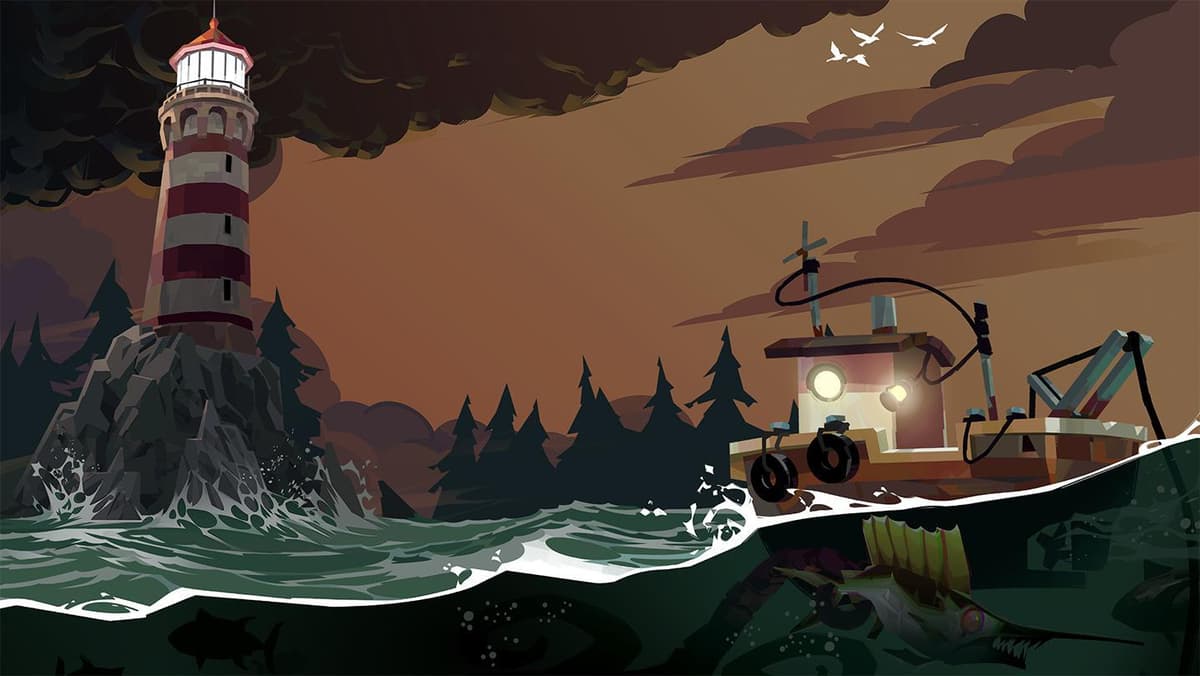
Dredge is the chilled‑out fishing game that slowly turns into a creeping nightmare, and it slipped into PS Plus like a quiet little trap for unsuspecting players. By day, you pilot a small fishing boat around a compact archipelago, playing short timing mini‑games to catch different species and packing them into a grid‑based inventory. Sell your haul, upgrade your hull, research new rods and engines and enjoy the gentle hum of the waves.
Then night falls, and everything warps. A panic meter starts to rise, fog closes in, rocks appear where there were none and things with too many eyes circle just out of view. The same seas that felt cozy in daylight suddenly feel hostile, and every decision to stay out a little longer for a valuable catch becomes a genuine risk. One of my worst runs ended with my engine damaged, lights failing and a massive shape passing under the boat while I limped toward a distant lighthouse.
Then night falls, and everything warps. A panic meter starts to rise, fog closes in, rocks appear where there were none and things with too many eyes circle just out of view. The same seas that felt cozy in daylight suddenly feel hostile, and every decision to stay out a little longer for a valuable catch becomes a genuine risk. One of my worst runs ended with my engine damaged, lights failing and a massive shape passing under the boat while I limped toward a distant lighthouse.
🎮 Get This Game at the Best Price
Compare prices instantly and save up to 80% on Steam keys with Kinguin — trusted by 15+ million gamers worldwide.
*Affiliate link — supports our independent coverage at no extra cost to you
Survival here is about time management and restraint. You juggle money, cargo space, sanity and the temptation to push just a bit deeper into cursed waters. On PS4 and PS5, the simple controls and clean interface make it easy to slip into that “one more trip” rhythm. Dredge sits comfortably in the middle of this list because it is a perfect bridge between traditional cozy games and harsher survival titles, proving that atmosphere and clever systems can create tension without walls of meters and status effects.
7. Surviving the Aftermath
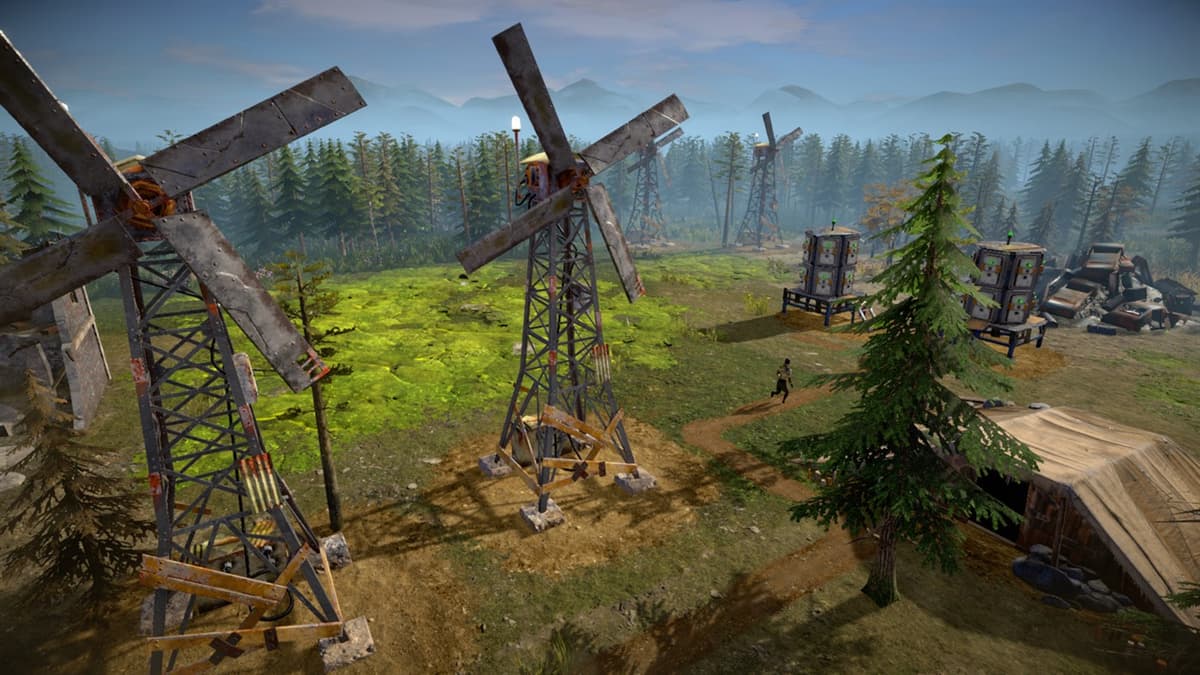
Surviving the Aftermath scratches a very specific itch. It is that feeling of zooming out from the individual survivor and managing an entire settlement scratching out a living in a ruined world. Think of it as the more sprawling, sandbox cousin to Frostpunk that has shown up in the PS Plus catalog. You build a colony from a small gate and a handful of people into a sprawling compound surrounded by toxic wasteland, raiders and environmental disasters.
The survival layer here is about logistics and long‑term planning. You place tents or houses, water collectors, farms and medical tents while a constant stream of events throws curveballs. Meteor showers smash buildings, contamination forces you to reorganise production, and plagues can rip through a population that is living too close together. Specialists act as your elite agents on a world map, scavenging resources, fighting bandits and discovering other factions, and their injuries or deaths have real consequences back home.
It can feel overwhelming on a first console run. There are a lot of menus and system layers, but once it clicks, it becomes one of those games that swallows multi‑hour sessions without you noticing. I remember planning a perfectly efficient layout only to have a nuclear fallout event tank my colony’s happiness and force a rushed pivot into entertainment buildings and better housing. Surviving the Aftermath earns its spot because it captures the messy, improvised feel of rebuilding society rather than just rebuilding a single shelter.
8. Terraria
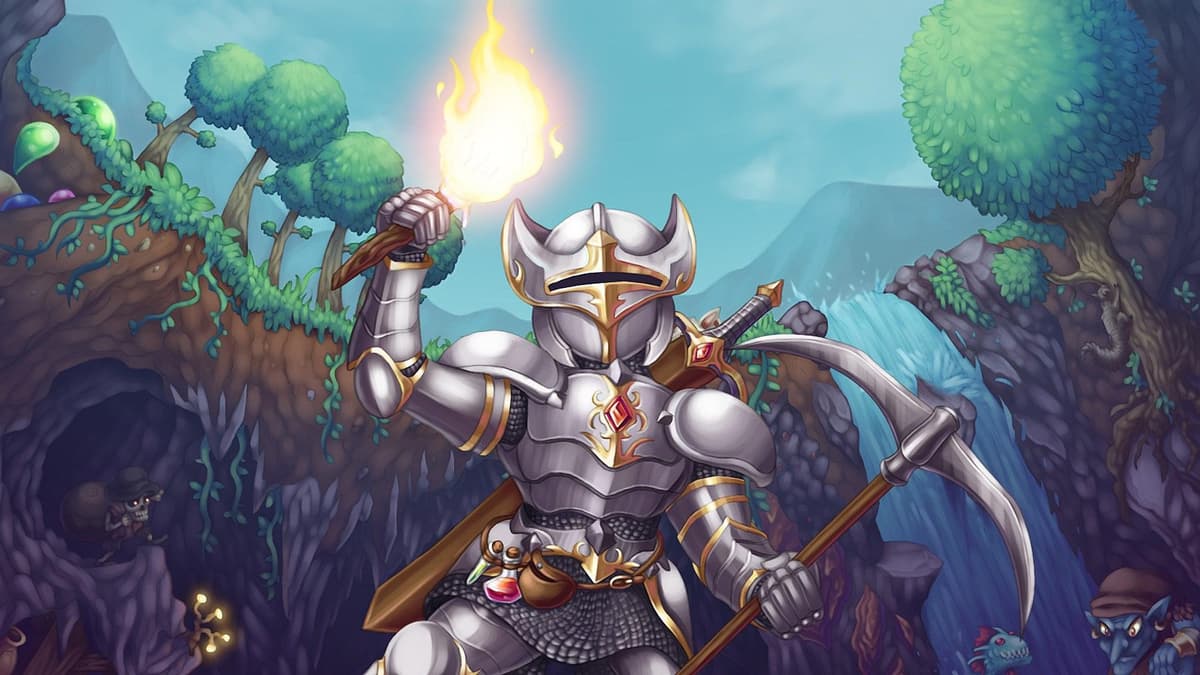
Terraria has been around so long that it is easy to forget how sharp its survival edge is in the early hours, especially on console. Drop into a fresh world on PS4 or PS5 and the vibe is immediately different from a lot of modern, quest‑marker‑heavy games. You have a copper pickaxe, a sword, a basic guide NPC and a sun that is already arcing toward a very unfriendly night.
The first dusk in Terraria is pure low‑tech survival. You scramble to dig a hole or slap together a wooden shack before zombies and flying demon eyes swarm your position. From there, the game blossoms into an absurdly deep 2D sandbox packed with bosses, biomes and gear, but that survival DNA never completely vanishes. You always feel a little exposed when you push deeper underground or into new zones like the Corruption or Crimson, especially in Expert or Master modes.
On PlayStation, the controls have been refined over the years so digging, building and inventory management on a controller feel surprisingly natural once you adjust. Split‑screen or online co‑op turns it into the ultimate couch survival adventure, complete with the classic moment where someone accidentally opens a path for lava and wipes half a base. Terraria sits here not just because it is endlessly replayable but because it proves survival does not need realistic graphics or punishing meters to feel intense. Sometimes a pixelated blood moon and a horde at your door do the job perfectly.
9. Stranded Deep
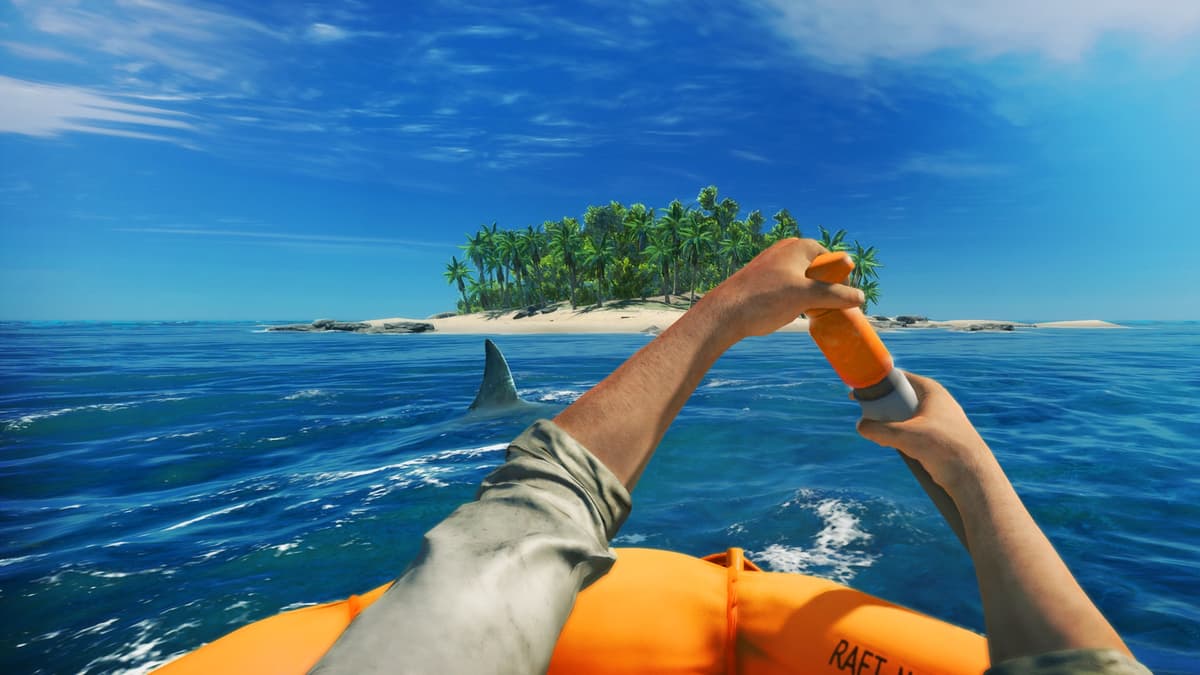
Stranded Deep is basically the playable version of that “alone on a desert island” daydream, then it keeps going until the fantasy turns into a grindy, shark‑filled reality. You start in a plane that crashes into the ocean, scramble into a life raft and wash up on a tiny, forgiving starter island. The first hours are all about splitting coconuts, spearing fish in the shallows and learning which plants will not wreck your stomach.
Survival gets interesting once you leave that comfort zone. Your raft becomes your lifeline as you island‑hop, upgrade it with better materials and lashings, and try not to flip it in rough seas. I still remember paddling out to a shipwreck for loot, only to look back and see my raft drifting further away, current and waves pulling it out while a shark circled between us. Those moments of genuine panic sell the game better than any menu screen ever could.
On PS4 and PS5, the controls are a little clunky but manageable, and co‑op adds a layer of shared disaster that feels right at home in a survival game. You juggle hunger, thirst, sun exposure and health while slowly upgrading from a lean‑to and campfire to proper shelters and crafted tools. Stranded Deep lands lower on the list because it is rougher around the edges than some of the other titles here, but that roughness also gives it charm. It feels like wrestling with the ocean rather than gliding through a polished theme park.
10. Fade to Silence
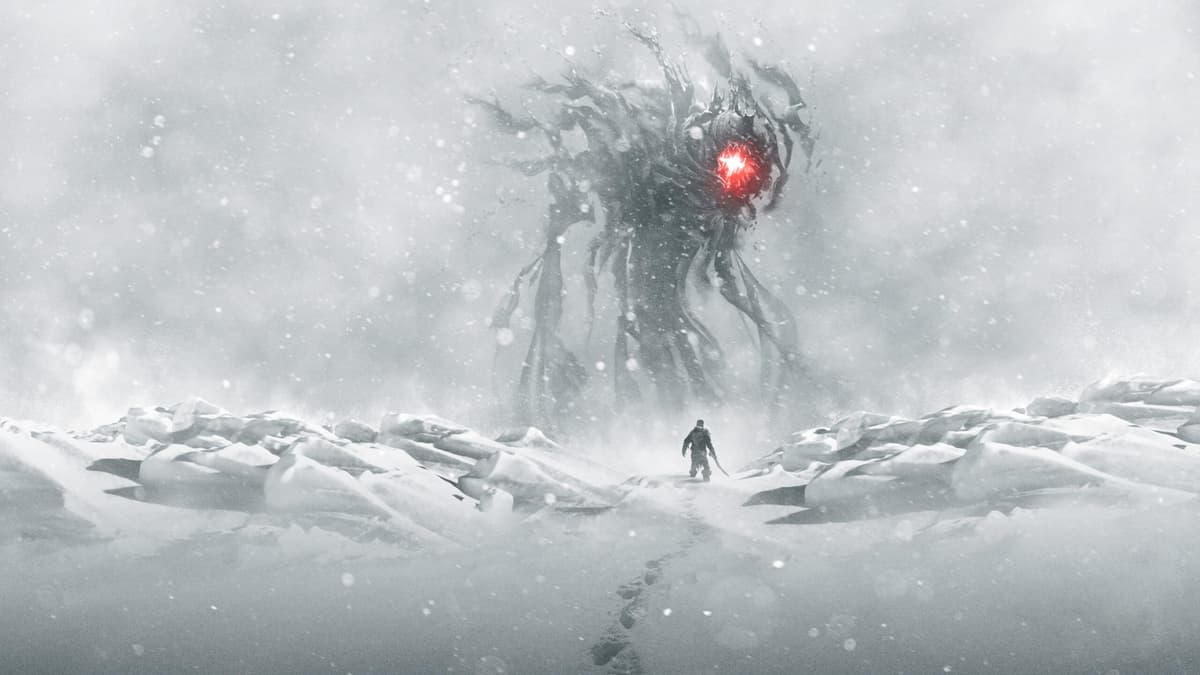
Fade to Silence is one of those PS Plus survival games that many people scroll past without realising how weird and ambitious it actually is. Set in a frozen, post‑apocalyptic world smothered by an eldritch corruption, you play Ash, a survivor haunted by a sinister inner voice that comments on almost everything you do. The game blends third‑person exploration, base‑building and a kind of soft roguelite structure with limited lives and meta‑progression.
The survival pillars are familiar on paper, yet they feel unnervingly harsh in practice. You manage hunger, cold, fatigue and sanity while trudging through snowstorms, scavenging ruined farms and factories, and fighting off twisted creatures. Persistent cold is the star of the show here. Getting caught in a blizzard far from camp is almost always fatal, and watching your temperature drop as you desperately search for a fire source creates some of the tensest moments I have had in a survival game on console.
What gives Fade to Silence its own identity is the settlement system and that ever‑present voice. You rescue followers with their own skills and flaws, expand a central refuge, assign people to gathering and crafting tasks and gradually push further into the world. Failures feed back into future attempts, smoothing progression without defanging the threat. I still think about a run where I ignored a storm warning to go after a resource cache, only to return to a half‑buried base and a dead companion. It is a flawed game, a little clunky in combat and visuals, but as a survival experience it lingers.
11. Disaster Report 4: Summer Memories
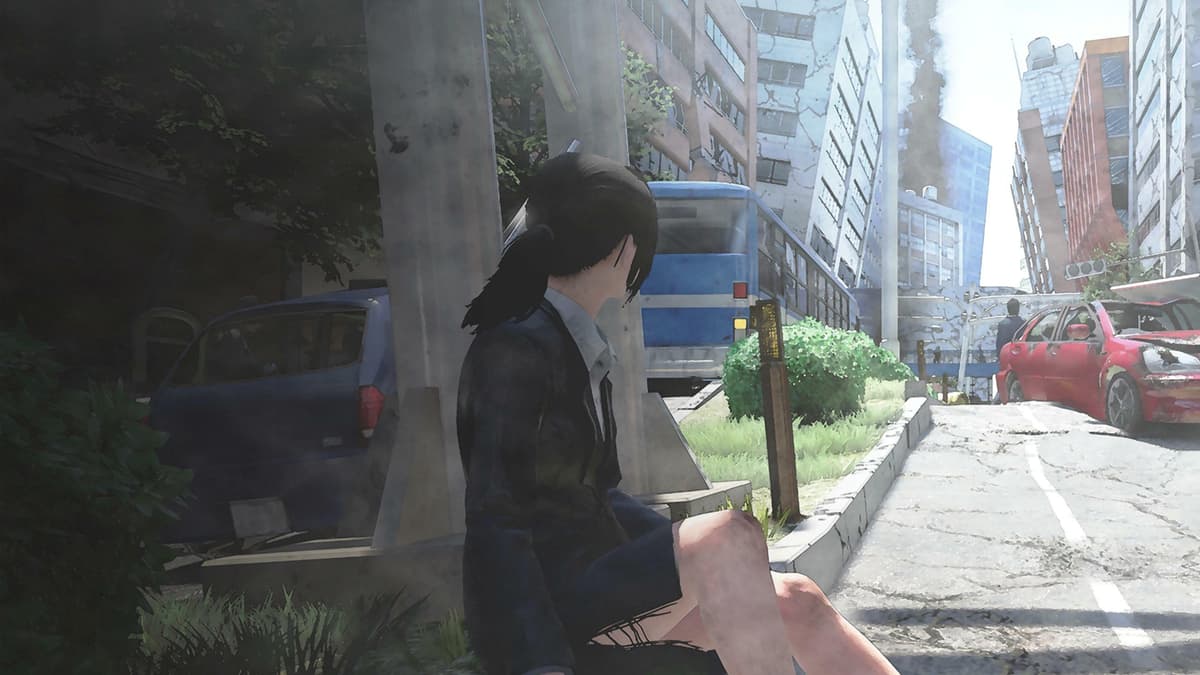
Disaster Report 4: Summer Memories stretches the definition of “survival game”, but it absolutely belongs in this conversation, especially when PS Plus puts it in front of players who might never have touched the series. Instead of crafting axes or shooting mutants, you are an ordinary person in a city shredded by a massive earthquake, trying to stay alive through aftershocks, building collapses and human chaos.
Gameplay on PS4 and PS5 feels like a throwback to early 2000s adventure titles. You walk, climb, crawl and occasionally sprint through streets that can crumble underneath you, watching for visual cues and tremor warnings that hint at incoming danger. There are meters for hunger, thirst and stress, and managing those adds a light survival layer, but the heart of the game is in its vignettes. You help trapped office workers, deal with opportunistic looters, stumble into oddly comedic situations and make dialogue choices that can be surprisingly dark or kind.
What makes Disaster Report 4 stand out in this list is its focus on the human side of catastrophe. Set pieces like navigating a collapsing highway or picking your way through a flooded shopping district stick in my memory more than any boss fight. It is janky and tonally strange, but also unlike anything else on PS Plus. As a survival experience, it reminds you that sometimes the scariest thing is not the environment itself but the way people react when the ground literally drops out from under them.
Finding your next survival obsession on PS Plus
Looking across this line‑up, it is wild how many different shapes “survival” can take on PlayStation. The Long Dark and Green Hell represent the brutally grounded end of the spectrum, where a bad decision about shelter or food ends your run in minutes. Frostpunk and Surviving the Aftermath zoom out, turning survival into a question of policy and city planning. Pacific Drive and Chernobylite twist the genre into paranormal directions, while Terraria and Stranded Deep lean into sandbox experimentation and long‑term progression.
The best part is that PS Plus Extra and Premium keep lowering the barrier to trying these kinds of games. Titles that might have looked too niche or intimidating on a store page suddenly become evening experiments, downloaded on a whim. Catalogs do rotate, and availability can shift over time and between regions, but even a subset of this list in your library is enough to feed a serious survival habit for months.
Whether you gravitate toward solitary suffering in frozen forests, meticulous colony management or strange road trips through haunted exclusion zones, there is at least one game here that can take over your brain for a while. Clear some hard drive space, embrace the grind and let PS Plus turn your PS4 or PS5 into a machine dedicated to keeping digital people alive by the thinnest of margins.
FinalBoss // Gear
Level up your setup
01Top-rated gaming headsetson Amazon→02High-refresh gaming monitorson Amazon→03Gaming chairson Amazon→04Discounted game keyson Kinguin→Affiliate links · As an Amazon Associate, FinalBoss earns from qualifying purchases.
Want to Level Up Your Gaming?
Get access to exclusive strategies, hidden tips, and pro-level insights that we don't share publicly.
Ultimate Top Strategy Guide + Weekly Pro Tips