
Table of Contents (14)
Why these 12 anime mobile games stand out in 2026
If you just want the short version: in 2026, the anime mobile games actually worth installing are Genshin Impact, Honkai: Star Rail, Wuthering Waves, Arknights, Epic Seven, Zenless Zone Zero, Guardian Tales, Dragon Ball Z: Dokkan Battle, One Piece: Bounty Rush, The Seven Deadly Sins: Grand Cross, Disney Twisted Wonderland, and Seven Knights Re:BIRTH. Between them you’ve got open worlds, turn-based epics, tower defence, retro adventures, and a pile of shonen licenses.
This isn’t just a collection of big names. I focused on four things: how good they feel to actually play on a touchscreen, whether the stories and characters stick with you, how strong the art and animation are, and how aggressive (or reasonable) the gacha and monetisation feel day to day. If a game looked pretty but played like a spreadsheet, it didn’t make the cut.
The selection lines up pretty closely with the big March 27, 2026 anime-mobile roundups, but reordered by player type rather than pure popularity. So if you’re wondering where to start, you can treat this as a menu: explorers up top, theorycrafters in the middle, licensed anime fans in the back third, and story-first players getting the last word.
I mainly play on a mid-range Android phone and a small iPad, usually with the sound on and auto-battle off unless I’m grinding. That colours the rankings a bit: responsive controls and clean UIs matter more to me than idle income charts. With that in mind, here’s what actually deserves space on your home screen.
1. Genshin Impact
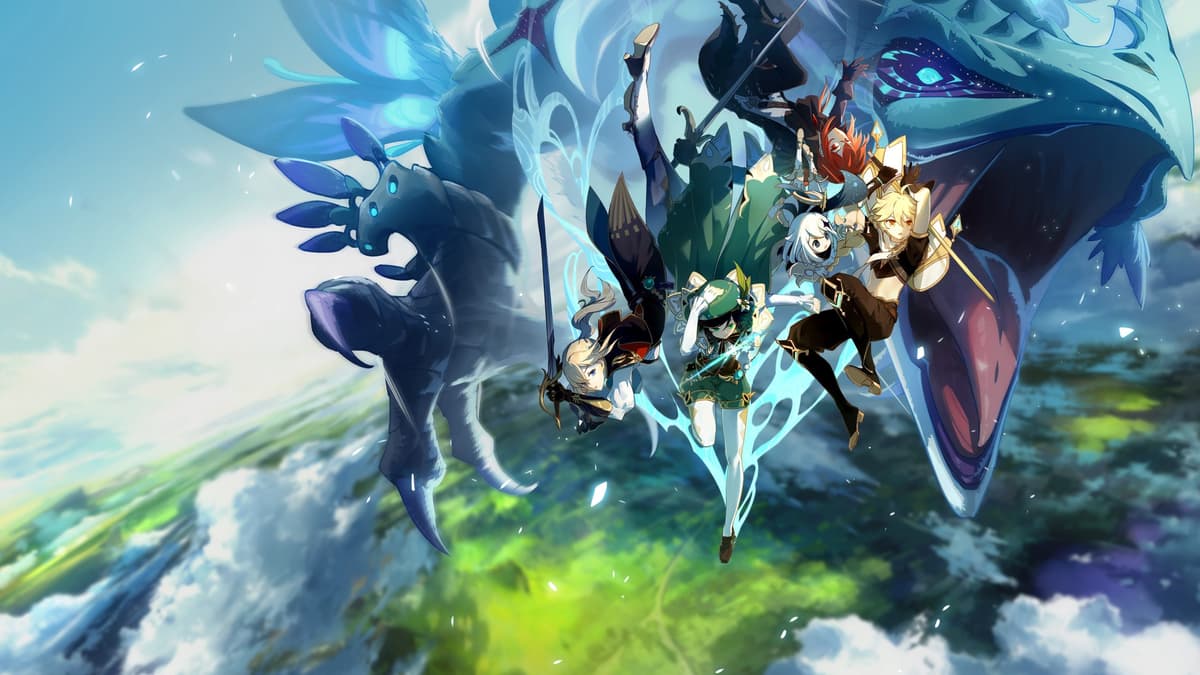
Genshin is still the yardstick every other anime mobile RPG gets measured against, and there’s a reason almost every list puts it near the top. The first time I glided off the cliffs outside Mondstadt on my phone and the frame rate actually held, it stopped feeling like a “mobile port” and more like I was sneaking a console game into my commute.
The core loop is simple but dangerously effective: explore a sprawling open world, solve little environmental puzzles, chain elemental reactions in combat, and slowly build a roster of characters with wildly different playstyles. On touch controls, the dodge-tap and quick-swap elemental combos are surprisingly natural once you tweak the button layout. It’s one of the few mobile action games where I don’t feel like I’m fighting the UI more than the enemies.
Gacha-wise, Genshin sits in that “not predatory, but definitely not gentle” middle ground. You can clear most current content with starter or easily earned characters if you plan teams properly and engage with artifacts. Limited banners will absolutely tempt you, but the game showers you with exploration and event currency if you’re active. If you love exploration, tinkering with builds, and playing mostly solo with optional co-op, Genshin is still the safest overall recommendation on this list.
2. Honkai: Star Rail
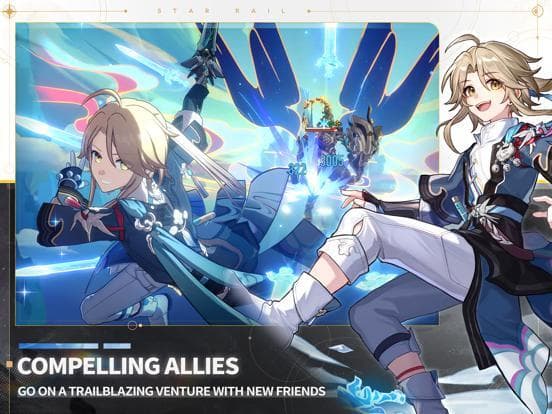
If Genshin is for players who want to roam, Honkai: Star Rail is for those who’d rather settle into a good JRPG. The first time I cleared a major boss on my phone while half-following the story and half-counting break bars, it hit me how much this feels like a handheld console RPG that just happens to live in a gacha launcher.
Combat is turn-based, but fast. You juggle weaknesses, toughness bars, and ultimate timing, with flashy camera cuts that somehow don’t turn into unreadable clutter on a small screen. The story leans hard into sci-fi and character drama; if you’re the type who reads every side text and actually enjoys voiced dialogue, this is one of the richest narrative experiences in the mobile anime space right now.
On the gacha side, Star Rail is a bit more forgiving than it looks at first glance. The endgame modes (like the roguelite-style runs) are perfectly clearable with a well-built mix of free and standard characters, as long as you understand roles and relic sets. Where it does pressure you is in chasing specific limited units that enable certain comps, but again, you’re not locked out of enjoying the game if you skip banners. If you want a “sit down with a story arc every night” kind of game, this is your best bet.
3. Wuthering Waves
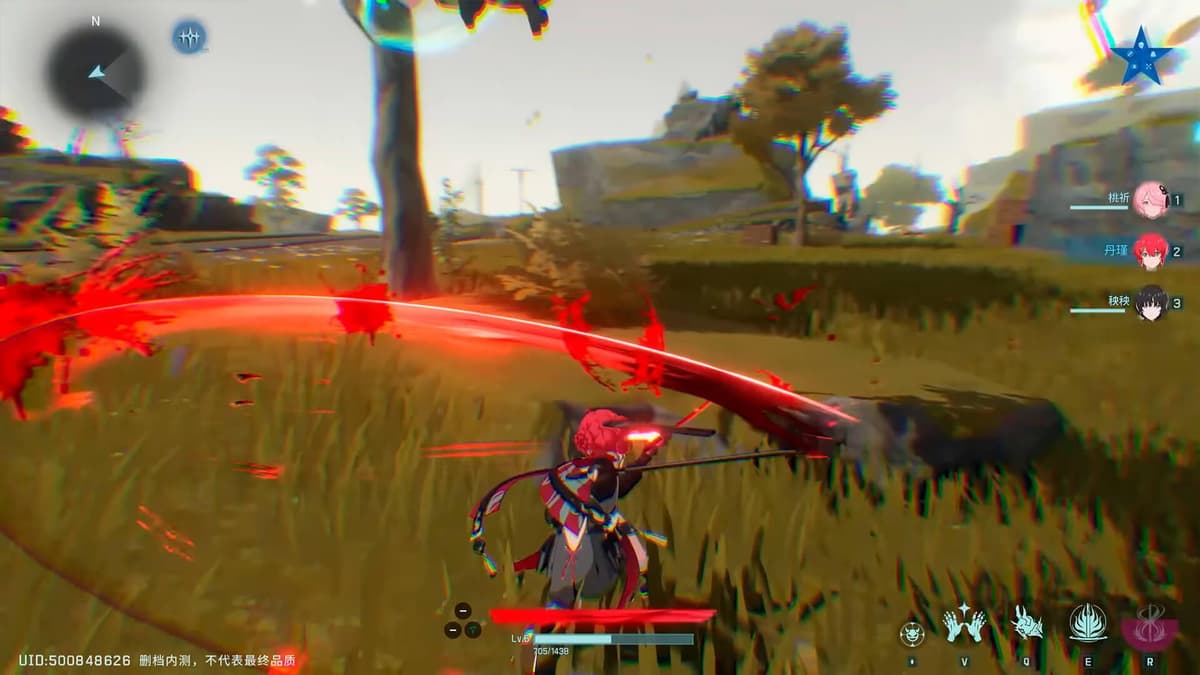
Wuthering Waves is the first open-world anime gacha that genuinely made me rethink what mobile combat can feel like. The first time I parried an attack, swapped to another character mid-air, and finished with an echo skill, it finally clicked: this is the game you pick if you care more about combat flow than pristine polish.
The movement tech alone puts it in its own lane. Grappling, air dashes, wall-running – it all plays nicely with a well-configured virtual stick. The world itself is denser than it first appears, full of little platforming challenges and miniature arenas that actually make use of your kit instead of just being checklist filler. It feels built for players who love labbing combos and shaving seconds off boss runs.
Its gacha has a reputation for being a bit kinder than some rivals, especially around weapons, though you’ll still feel banner pressure if you want very specific team synergies. The real upside is that the baseline roster and freely earned characters are extremely usable; you don’t spawn into an endgame wall after a few weeks. If you bounced off Genshin’s more methodical combat but still want an open-world anime grind, Wuthering Waves is the one to test your thumbs on.
4. Arknights
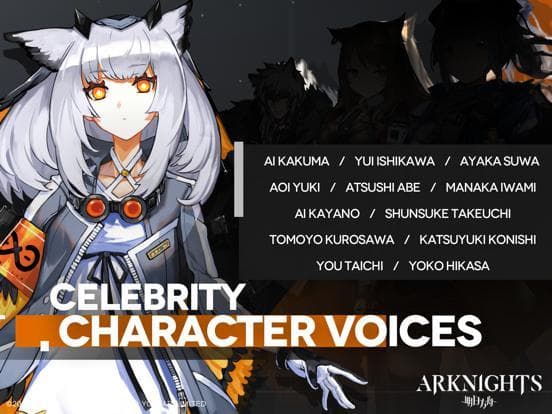
Arknights is the game that convinced me tower defence can be just as tense and cerebral as any turn-based RPG. I still remember the first time a “simple” contract event completely dismantled my usual team, forcing me to think about tile placement, timing, and skill cycling instead of just overlevelling a favourite operator.
On mobile, its strengths are obvious: battles are short but intricate, touch controls feel natural for dragging and dropping units, and the clean, sharp UI makes it easy to read the battlefield even when chaos erupts. The vibe is closer to a dystopian sci-fi anime than a traditional fantasy gacha, backed by surprisingly heavy story arcs about disease, discrimination, and politics. If you’re willing to read, there’s a lot more substance here than the cute character art suggests.
Gacha and monetisation are on the friendlier end of the spectrum. You can clear essentially all content with a mix of low-rarity and a few lucky high-rarity pulls, and the game is famous for making even 3- and 4-star units viable with the right strategies. Revenue comes more from cosmetics and long-term fans than from hard walls. For players who enjoy planning, experimenting with weird operator combos, and steadily mastering tricky maps, Arknights is still the strategy pick to beat.
5. Epic Seven
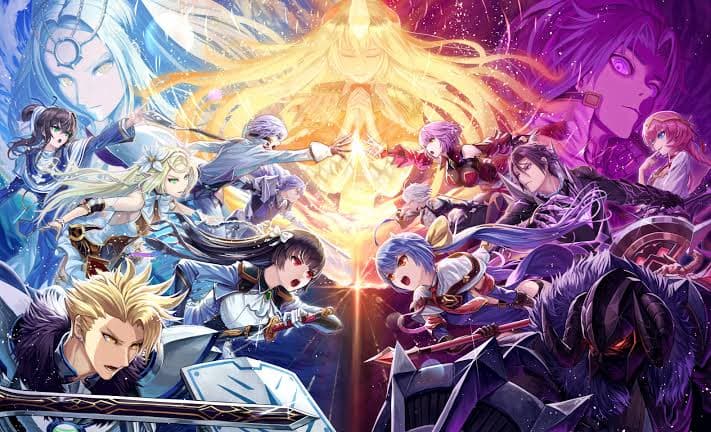
Epic Seven is basically the “classic gacha RPG” template done with enough style and depth that it still stands out in 2026. The first time I dropped a full team’s worth of chained skills in PvP and watched the screen explode in layered animations, it felt closer to watching an anime episode than a mobile battle log.
Combat is turn-based and deceptively simple on the surface: speed, turn order, skill cycling, and debuffs. Underneath that is a build-crafting rabbit hole of gear sets, substats, and synergy. The 2D art is still some of the nicest in the genre – character animations are smooth without being cluttered, and it’s easy to read what’s going on, even in auto battles on a phone.
This is one of the more demanding gachas if you care about high-end PvP, especially the real-time arena scene that reviewers keep praising. Chasing top-tier units and perfect gear rolls can absolutely become a second job. The flip side is that if you’re content focusing on PvE, story, and moderate arena play, the game gives you plenty of free units and resources over time. It’s the right pick if you love number-tweaking and long-term roster building more than exploration.
6. Zenless Zone Zero
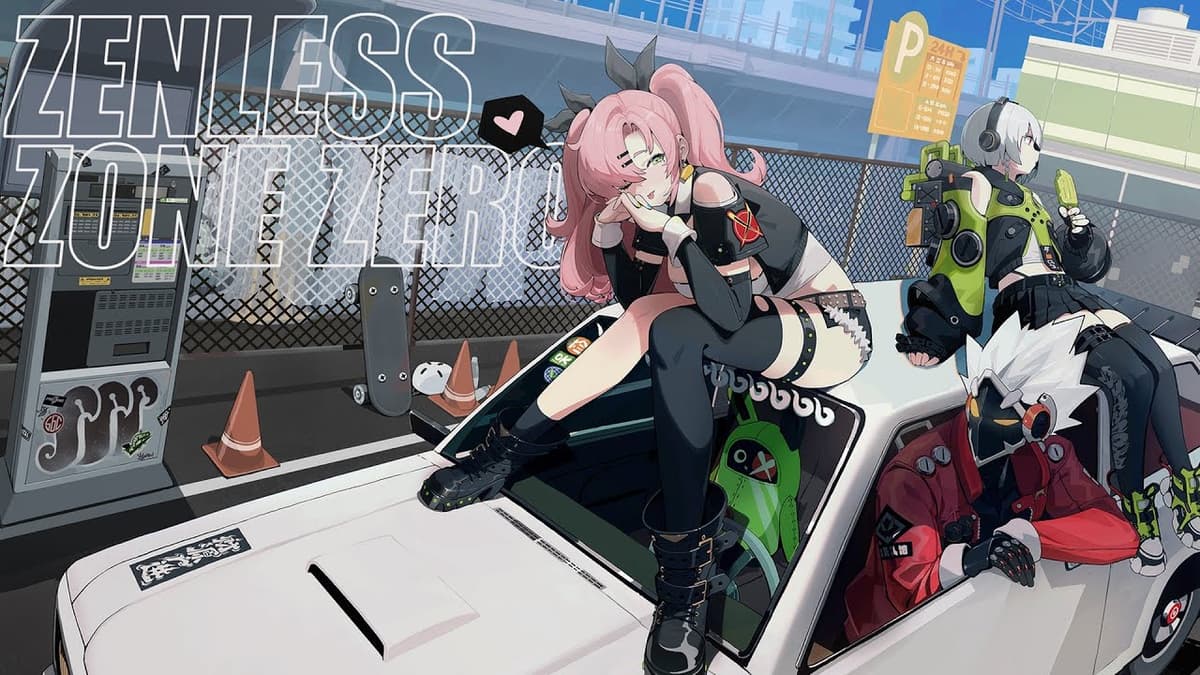
Zenless Zone Zero is the stylish action kid of the HoYoverse family, and it feels built for short, intense mobile sessions. The first time I cleared a Hollow run with perfect dodge timings and tag-ins, it reminded me more of a character action game than a typical gacha brawler.
Fights are tight arenas where you swap constantly between characters, cancelling into assists and ultimates while watching enemy patterns for parries and dodges. The controls are surprisingly precise on a touchscreen once you tweak sensitivity, and the shorter, run-based structure means you can jump in for 10 minutes and still feel like you accomplished something. Wrap that in a modern urban fantasy setting with strong music and a cast that leans heavily into personality, and you get one of the most distinctive vibes in mobile anime gaming right now.
Its gacha model is recognisably HoYoverse: tempting, but not impossible to live with. You can enjoy the story and most content with a modest roster, but certain characters undeniably warp the meta. Where Zenless wins is in how well it supports “light” play – log in, run a few Hollows, progress a bit of story – without making you feel like you’re drowning in chores. If you want snappy, skill-based action over sprawling maps, this is the one from the big names to try.
7. Guardian Tales
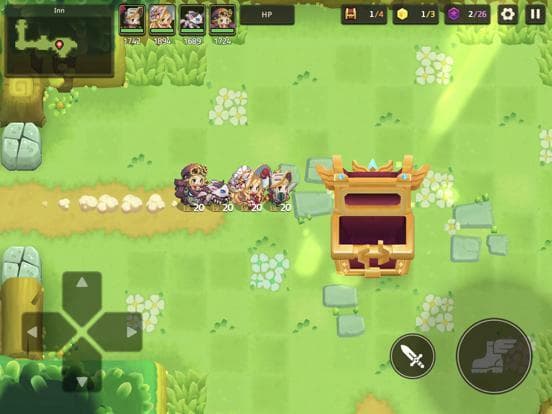
Guardian Tales is the game I recommend when someone says they want “something like a classic Zelda, but anime and on mobile.” The first time I pushed a block the “wrong” way and got roasted by a hidden joke NPC, I realised how much personality is squeezed into those chunky pixels.
Gameplay is top-down action with light puzzles, secret rooms, and boss fights that actually demand dodging and positioning even on a small screen. Stages are short enough for quick sessions, but packed with references, gags, and side stories that make it feel more like a lovingly made parody RPG than a disposable gacha. The pixel art sells every reaction and special move without ever getting visually noisy.
There is gacha here for heroes and weapons, but it feels more like a way to expand your toy box than a choke point. You can clear the main story and a lot of side content with the units the game hands you, and it’s generous with pulls if you play consistently. If you grew up on 16-bit adventures and want that feeling with modern humour and an anime edge, Guardian Tales absolutely earns a spot on your phone.
8. Dragon Ball Z: Dokkan Battle
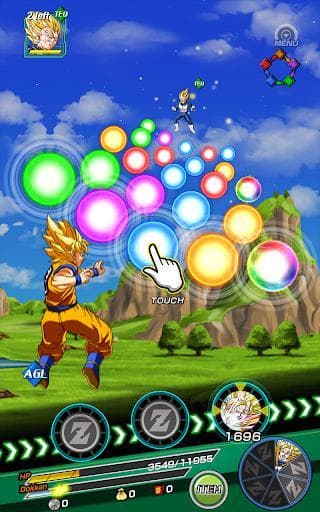
Dokkan Battle is the definition of “doesn’t look like much in screenshots, completely hooks you once you understand it.” I remember booting it up expecting a lazy license game, then losing an afternoon optimising a team just to squeeze out a slightly faster clear on an event boss.
Instead of direct action, you get a hybrid of board-game movement and puzzle combat. You tap coloured ki orbs to power up your characters’ super attacks, timing and route choices matter, and team-building is all about exploiting links and categories. It’s turn-based and easy to control on any device, which makes it perfect for one-handed play, but there’s enough depth in the event design and unit synergy to keep long-time players engaged.
The gacha is as aggressive as you’d expect from a game that survives off anniversary hype and limited banners, but it’s also showered with free multi-summons during big celebrations. If you’re a Dragon Ball fan, there’s nothing else on mobile that comes close to the sheer volume of arcs, transformations, and “what if” units represented here. If you’re not into the series, you’ll probably bounce off it quickly; if you are, this is almost mandatory.
9. One Piece: Bounty Rush
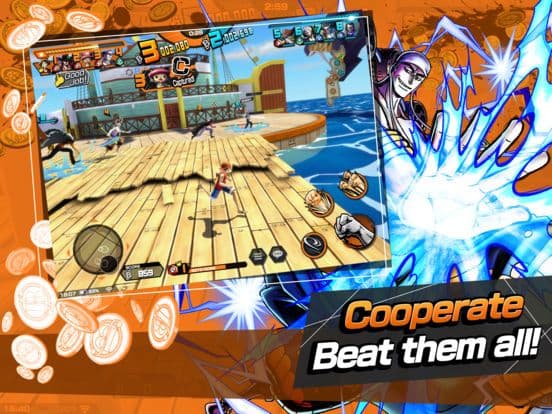
Bounty Rush is the One Piece game that finally made mobile PvP click for me. The first time I sprinted across Alabasta as a runner, grabbed a treasure point at the last second, and watched the score flip as the timer hit zero, I realised how well the series’ chaotic energy translates to 4v4 matches.
Each character slots into a role – attacker, defender, runner – and your job isn’t just to chase kills but to play the objective. Controls are simple: a movement stick, dodge, basic attacks, and two skills. That simplicity is a feature on touchscreens, keeping fights readable even when three Devil Fruit users are spamming supers in the same zone. Stages are loaded with details from the anime, and the camera does just enough work to keep you oriented without making you seasick.
As with most licensed gacha PvP games, chasing the latest limited characters is where the pressure hits. Older units do get power-crept, and serious ranked play basically assumes you’re keeping up with banners. That said, for casual and mid-tier matches, smart play and positioning can still carry you. If you want a One Piece game that feels like the crew brawls from the show, Bounty Rush is the current go-to on mobile.
10. The Seven Deadly Sins: Grand Cross
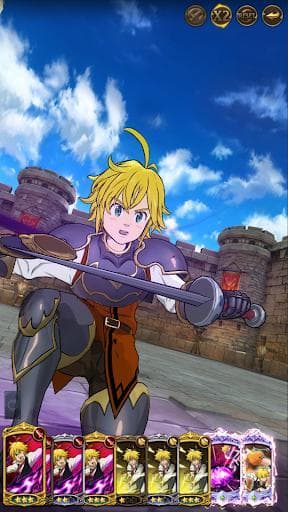
Grand Cross is the rare licensed game where the production values actually match the anime it’s adapting. The first time I hit a story boss and the game seamlessly shifted into a fully voiced cutscene that mirrored the show, it felt less like a side project and more like a playable season.
Combat revolves around skill cards: your characters’ abilities appear as cards on a grid, and merging them upgrades their power and effects. It’s surprisingly tactile on a phone – you’re dragging, combining, and timing ults rather than just spamming skills off cooldown. The 3D models and special attacks track closely with the anime, so when you pull off a big ultimate, it lands with proper weight.
Monetisation is about what you’d expect for a shonen license: lots of limited banners tied to story arcs and collaborations, strong incentives to log in daily, and a clear gap between casual spenders and hardcore collectors. But if your main goal is to relive the story with some interactive layers, the free route is more than viable, especially early on. For fans of The Seven Deadly Sins, this is the adaptation that takes both narrative and game systems seriously enough to warrant the download.
11. Disney Twisted Wonderland
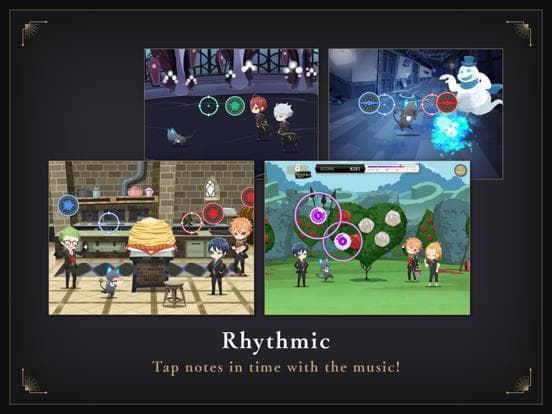
Twisted Wonderland is easily the strangest entry here, and that’s exactly why it belongs. The first time I got pulled into a multi-part character episode about a Disney villain-inspired dorm and then got tossed into a rhythm duel, it felt less like a typical gacha and more like a cross between an otome visual novel and a music game.
You’re dropped into Night Raven College, a magic academy where every dorm channels a classic Disney villain in anime-boy form. The bulk of your time is spent reading story scenes, raising character affinity, and enjoying the banter. Gameplay is split between light turn-based “lessons” and rhythm battles, both tuned to be playable on almost any device without twitch reflexes. The art direction is the star: character designs, UI, and backgrounds are all cohesive in a way most licensed games never achieve.
The gacha leans more into collecting favourite characters and outfits than raw power creep, which makes it a solid pick for players who care more about worldbuilding and aesthetics than min-maxing. You can enjoy the main story without pulling constantly, though event cards will tempt you if you fall for a particular dorm. If you want an anime-style mobile game that’s mostly about hanging out in a well-written universe, Twisted Wonderland is worth the time.
12. Seven Knights Re:BIRTH
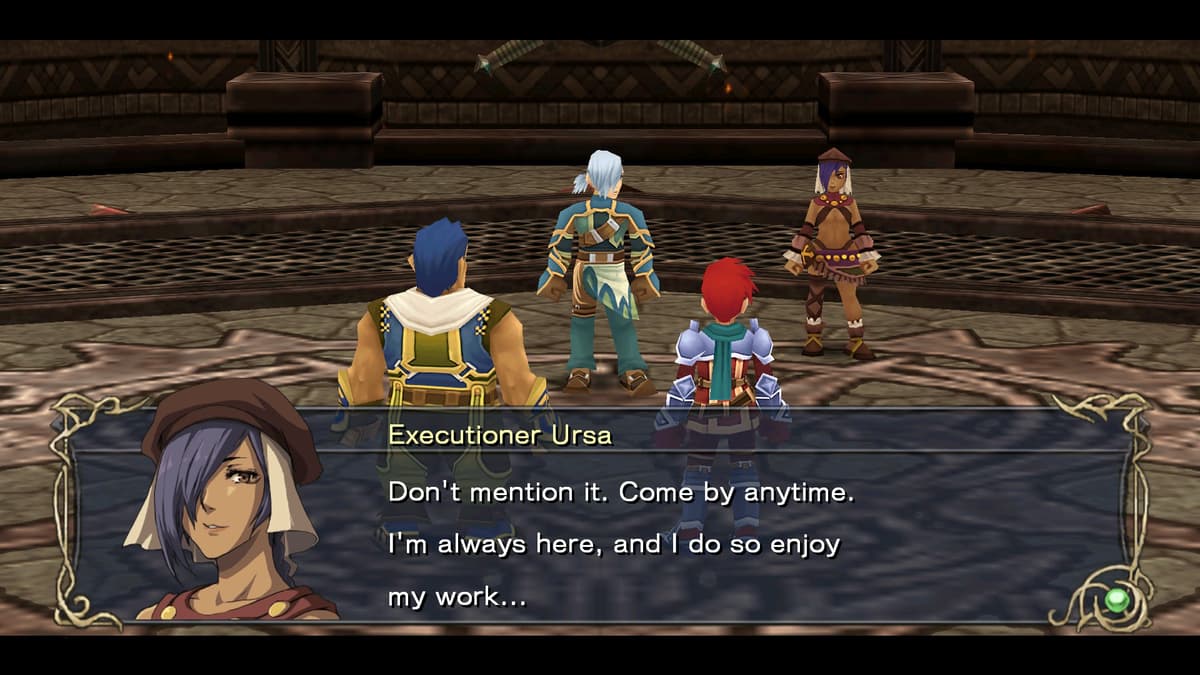
Seven Knights Re:BIRTH is the newer face on this list, and it exists for people who want big, flashy skill animations and a traditional party-based RPG structure without drowning in busywork. The first time I unleashed a full chain of ultimates and watched the screen fill with over-the-top effects, I had that old-school mobile gacha rush again – in a good way.
The game builds on the original Seven Knights formula with more cinematic battles and streamlined progression. You assemble teams of heroes with complementary roles, then tackle story stages, dungeons, and boss fights that actually ask you to think about turns, buffs, and targeting rather than just slamming auto from day one. The interface is clean, the tutorials are less of a wall than many competitors, and it feels comfortable on both phones and tablets.
As a modern gacha, it still lives and dies on banners, but the early game is generous and there’s a clear attempt to make previously earned units stay relevant through upgrades and systems rather than constant obsolescence. The fact it’s already picking up award nods suggests it’s doing something right in a crowded field. If you like the idea of a more “classic” anime gacha RPG with a fresh coat of paint and big-budget presentation, Re:BIRTH is the one to try while it’s still in its hungry, update-heavy phase.
Choosing the right anime mobile game for you
The practical way to use this list is to match your playstyle first, and your favourite IP second. If you want open worlds and exploration, start with Genshin Impact or Wuthering Waves. If you prefer thoughtful, numbers-driven play, look to Honkai: Star Rail, Arknights, or Epic Seven. If you’re chasing licensed nostalgia, Dokkan Battle, Bounty Rush, and Grand Cross are the strongest bets. And if you mainly care about story and vibes, Guardian Tales, Twisted Wonderland, or Seven Knights Re:BIRTH will treat you well without demanding your entire wallet.
All of them are free to download on iOS and Android, and every one here is playable without spending if you’re patient and realistic about what you’re aiming for. Pick one that fits how you actually like to play, set your own limits on gacha pulls, and treat these games as long-term side hobbies rather than full-time jobs. That’s where anime mobile gaming in 2026 is at its best.
FinalBoss // Gear
Level up your setup
01Mobile gaming controllerson Amazon→02Top-rated gaming headsetson Amazon→038BitDo controllerson Amazon→Affiliate links · As an Amazon Associate, FinalBoss earns from qualifying purchases.
Want to Level Up Your Gaming?
Get access to exclusive strategies, hidden tips, and pro-level insights that we don't share publicly.
Ultimate Top Strategy Guide + Weekly Pro Tips