
The best games like Final Fantasy Tactics earn the comparison through demanding grid battles, meaningful character builds, and campaigns where one bad deployment can ruin a clean plan. This ranking favors turn-based tactical RPGs with real progression choices over games that merely borrow a fantasy war aesthetic.
FINAL FANTASY TACTICS – The Ivalice Chronicles remains the modern baseline: it launched on September 30, 2025 for Switch, Switch 2, PlayStation 4, PlayStation 5, Xbox Series X|S, and PC. As of September 2026, its standard edition is listed at $49.99 on Steam, with a $59.99 Deluxe Edition, and it has dipped to $34.99 on PC during a March 2026 sale. That matters because this list is not trying to replace Ivalice so much as solve the next problem after it: what to play when you still want height bonuses, class friction, squad planning, and missions that punish lazy positioning. For broader picks beyond this specific lane, see FinalBoss’s best turn-based RPGs and best tactical RPGs guides.
Start here if… pick Tactics Ogre: Reborn for another political fantasy epic, Fell Seal: Arbiter’s Mark for the closest job-system substitute, or Triangle Strategy for a polished modern campaign built around hard choices and terrain-heavy battles.
Table of Contents (12)
1. Tactics Ogre: Reborn
Release year: 2022
Platforms: PC, Nintendo Switch, PlayStation 4, PlayStation 5, Xbox Series X|S
Price guidance: $49.99 standard / $59.99 Digital Premium on Steam; console pricing varies by storefront.
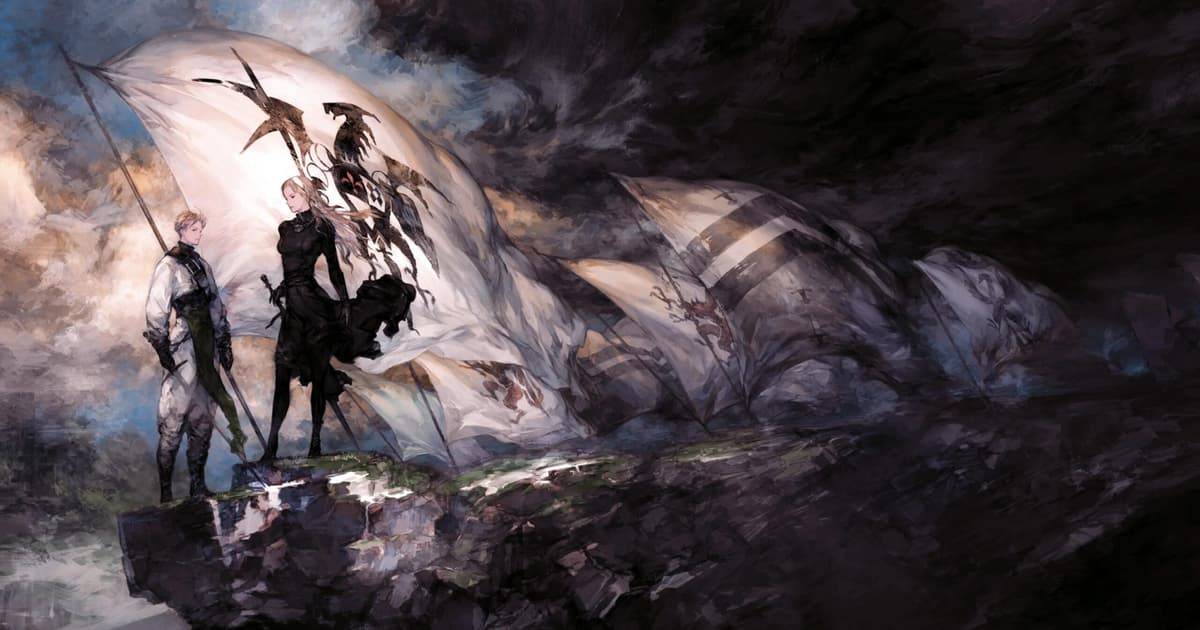
Tactics Ogre: Reborn is still the cleanest first recommendation because it shares the same battlefield grammar that makes Final Fantasy Tactics so tense. Elevation matters, facing matters, turn order matters, and equipment choices matter before the first sword swing. A unit standing two tiles higher is not decorative map dressing; it changes hit flow, spell reach, and the logic of the entire turn. That alone puts it closer to Ivalice than most so-called alternatives.
Its distinct edge is encounter structure. A lot of tactical RPGs let you recover from sloppy openings through raw stats or broad class flexibility. Tactics Ogre: Reborn is harsher. Deployment order, choke-point control, and target priority all start pulling weight immediately, which is exactly the feeling Final Fantasy Tactics fans usually mean when they say they want “another one of these.” The branching campaign deepens that match by giving every route a heavy political mood instead of a generic save-the-kingdom arc. It is a civil war story full of compromised decisions, shifting loyalties, and the kind of grim aftermath that fits players who loved Ivalice more for its pressure than its brand. The revised progression is more controlled than the original game’s class chaos, so you get less sandbox nonsense than in FFT. That is a trade-off, but it also keeps maps hand-tuned and sharp. If the part you miss most is hard tactical planning on an isometric grid, start here.
2. Final Fantasy Tactics Advance
Release year: 2003
Platforms: Game Boy Advance
Price guidance: Resale-market pricing varies widely for cartridges and hardware; no current standardized digital store price was independently verified for this entry.
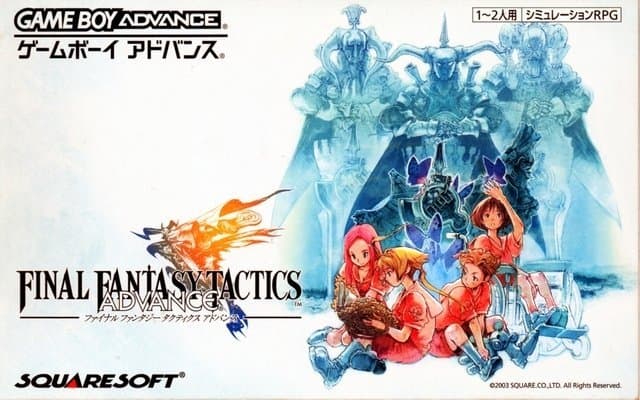
The most obvious follow-up remains one of the best because it preserves the mechanic a lot of FFT players are truly chasing: equipment-taught abilities feeding a flexible job system. Final Fantasy Tactics Advance trades the original game’s harsher political mood for a more magical, portable version of Ivalice, but the pleasure loop is instantly familiar. Equip gear, learn abilities, change jobs, keep what you learned, and slowly turn an ordinary clan member into a deeply specific answer to a very specific battlefield problem.
Its defining wrinkle is the Judge law system, and whether you love this game usually depends on whether that system feels like tactical spice or tactical vandalism. Every battle can ban an action type, weapon category, or spell family, with penalties for breaking the rule. Yes, it can be annoying when the law kneecaps your favorite plan. It can also be brilliant. FFT battles are at their best when they force adaptation instead of letting a pet build steamroll everything, and Final Fantasy Tactics Advance hard-codes that demand into mission design. The smaller-screen, mission-based structure also gives it a quicker rhythm than the original: less grand campaign momentum, more “one more fight, one more unlock, one more job combo.” If what you want is not another grim war chronicle but more of that delicious class-mixing obsession, this is still one of the most direct answers available.
3. Fell Seal: Arbiter’s Mark
Release year: 2019
Platforms: PC, Nintendo Switch, PlayStation 4, Xbox One
Price guidance: Current pricing varies by platform and region and was not independently verified for this entry.
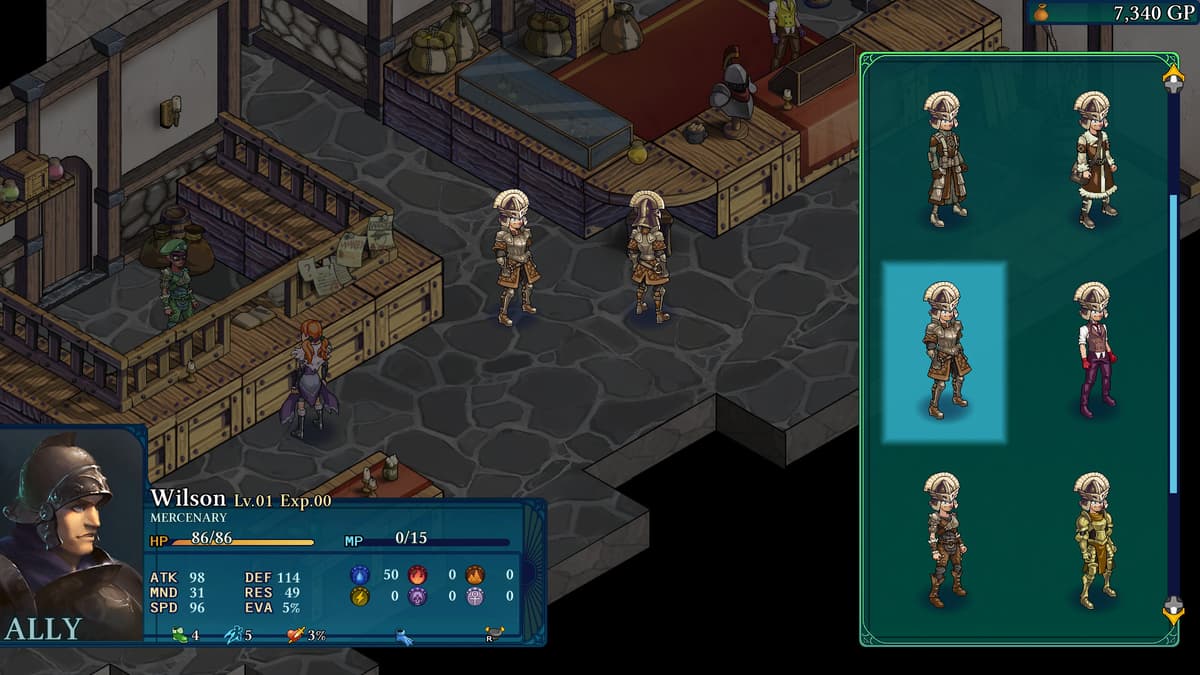
Fell Seal: Arbiter’s Mark goes straight for the mechanical heart of Final Fantasy Tactics, which is why it ranks this high. The big draw is not atmosphere or nostalgia. It is buildcraft. Classes, sub-classes, passive abilities, gear-based stat nudges, and a large recruit pool all combine into the same kind of unit tinkering that makes FFT players lose an hour in menus without noticing. A character can carry the mobility of one class, the active toolkit of another, and passives from elsewhere that make the whole setup suddenly click.
That sounds broad, but the distinct reason it belongs here is how clearly it understands job progression as a puzzle instead of a checklist. Some tactical RPGs offer many classes that mostly resolve into obvious upgrades. Fell Seal is stronger when it asks what role a unit should perform on a map, then lets you stack tools toward that answer. Need reach, durability, and status utility on one body? There is a route for that. Need a backline specialist who can pivot into emergency support without becoming dead weight? There is a route for that too. The monster system helps it stand out even more, since creatures grow through their own class trees and can stay relevant rather than existing as disposable gimmicks. The presentation is more modest than Square Enix’s big-name tactics catalog, but the systems are not. If your favorite part of FFT was opening the unit screen and making a monster of your own design, this is one of the closest modern substitutes on PC and console.
4. Triangle Strategy
Release year: 2022
Platforms: Nintendo Switch, PC, PlayStation 4, PlayStation 5, Xbox One, Xbox Series X|S
Price guidance: $59.99 standard / $64.99 Deluxe on Steam; pricing on other storefronts varies.
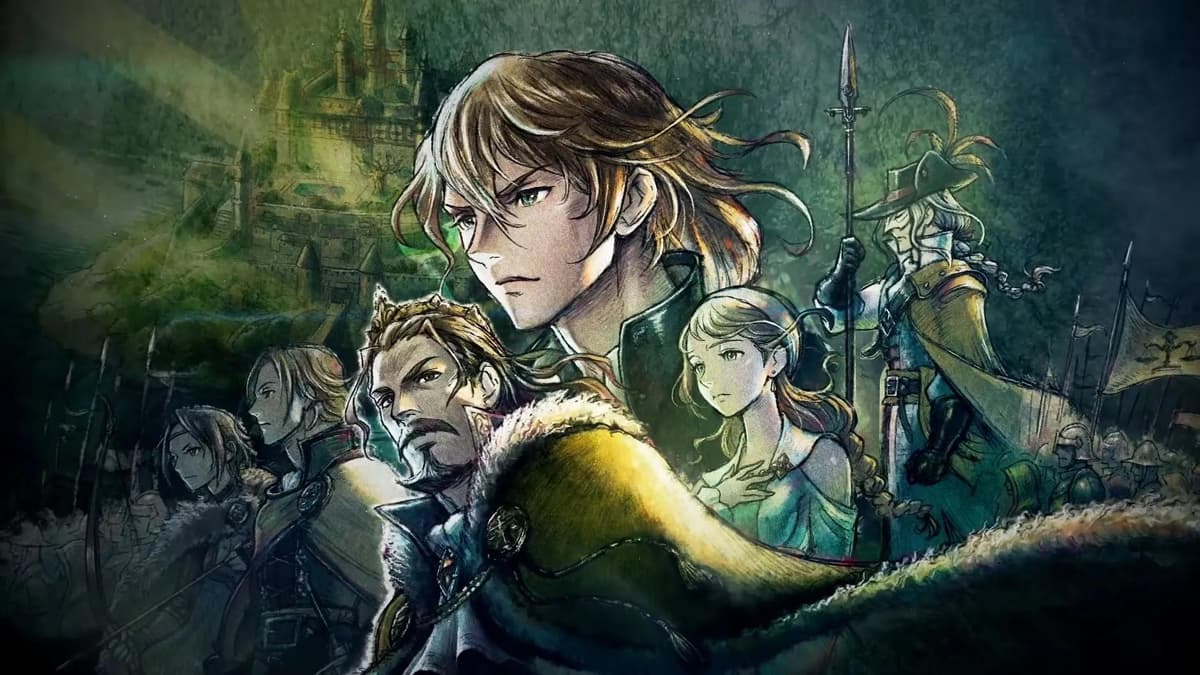
Triangle Strategy strips away endless job swapping and replaces it with a tightly authored roster, which sounds like a loss until the battles start asking better questions. Instead of building one universal super-squad, you evaluate terrain, turn order, enemy approach lanes, and which specialist matters most on this map. An archer perched on a roof, a mage freezing ground to alter movement, or a shield unit holding a narrow stairway each changes the encounter in a way that feels grounded in the map rather than in spreadsheet excess.
Its distinct reason for FFT fans is terrain discipline. Height differences, ladders, chokepoints, fire, ice, and follow-up attacks are not nice extras; they are the fight. That makes positioning decisions feel expensive in the best possible way. You are not simply choosing who attacks next. You are choosing where your whole line can safely exist two turns from now. The story also earns the comparison, though in a different register than Ivalice. It is serious, political, and interested in compromise, but it delivers that through long stretches of dialogue and branching convictions rather than through relentless class experimentation. That pacing will test players who want constant map-to-map momentum. Still, if what you admired most in Final Fantasy Tactics was the sense that every hill, roof, and lane on the board had tactical meaning, Triangle Strategy absolutely belongs in the top tier.
5. Final Fantasy Tactics A2: Grimoire of the Rift
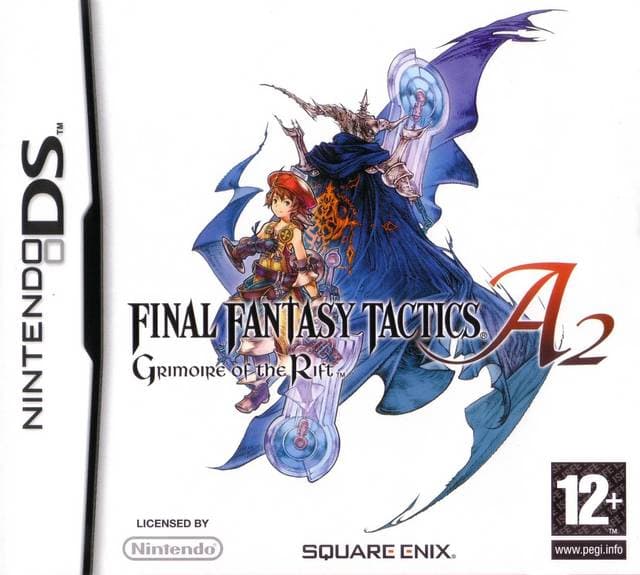
Release year: 2007
Platforms: Nintendo DS
Price guidance: Resale-market pricing varies widely for cartridges and DS hardware; no current standardized digital store price was independently verified for this entry.
Final Fantasy Tactics A2: Grimoire of the Rift is the portable recommendation for players who hear “more systems” and immediately say yes. Where the Game Boy Advance entry proved the formula worked in smaller missions, A2 turns the whole thing into a tactical hobby game. More races, more jobs, more clan management, more dispatch missions, more side content, more reasons to keep poking at team composition long after a leaner campaign would have rolled credits. It is less concerned with building a single severe political arc and more interested in making the player live inside its systems.
The distinct FFT-style hook here is mission cadence. Instead of pushing every bit of weight into one main story march, A2 turns progression into a web of contracts, quests, auctions, crafting, and roster tuning. That means each new job unlock or racial ability synergy feels like something you earned through a long chain of tactical errands, not a single plot checkpoint. The law system returns, but it is less punishing and easier to live with, which shifts the focus back to job combinations instead of rule frustration. Different races having access to different job sets also gives party-building real texture. You are not simply swapping weapons on five interchangeable bodies; you are shaping a team around asymmetric strengths. The story is lighter than the original Final Fantasy Tactics, sometimes much lighter, but the system depth is so generous that it remains an easy recommendation for players who want endless roster tinkering on handheld hardware.
6. Fire Emblem: Three Houses
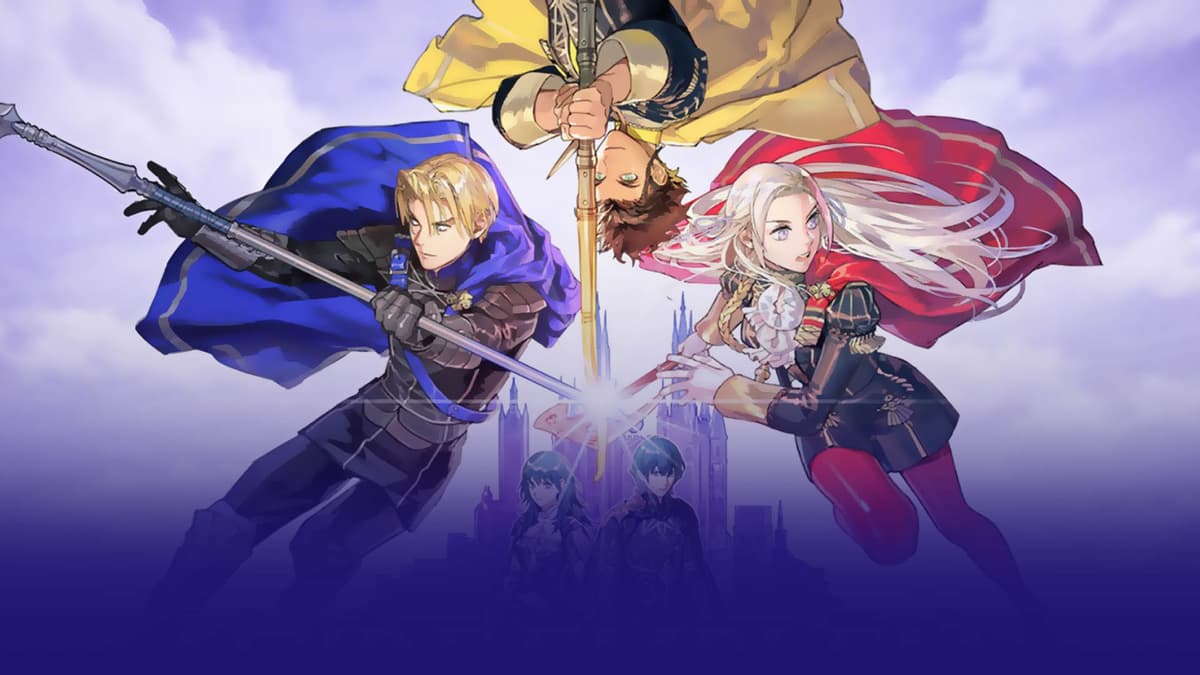
Release year: 2019
Platforms: Nintendo Switch
Price guidance: Current pricing varies by region and storefront and was not independently verified for this entry.
Fire Emblem: Three Houses belongs here because it understands that tactical tension starts before deployment. In FFT, a bad build decision or neglected unit can echo through multiple fights. Three Houses captures that same pressure through teaching, skill growth, class certification, and scarce resource planning. You are not only moving pieces on a battlefield. You are shaping students into the kinds of units you hope the war will eventually require, then living with the results when the campaign cashes that preparation out.
Its distinct reason on this list is the training-to-class pipeline. A lot of strategy RPGs handle class changes as a simple level gate. Three Houses makes it more personal and more deliberate. Weapons practiced in tutoring sessions, support bonds formed between characters, and long-term investment in a unit’s strengths all feed into what that character can become. That gives squad development emotional weight as well as tactical function. The maps are generally less vertically intricate than FFT at its best, and the monastery routine can feel like homework on repeat playthroughs. Those are real caveats. Even so, permanent death, route-based storytelling, and flexible class paths keep battles tense in a way that will feel familiar to players who like their tactical mistakes to hurt. Choose this if you want the strategy layer tied closely to character drama, school-life management, and a war story that asks you to care about the people behind the stat sheet.
7. Disgaea 7: Vows of the Virtueless
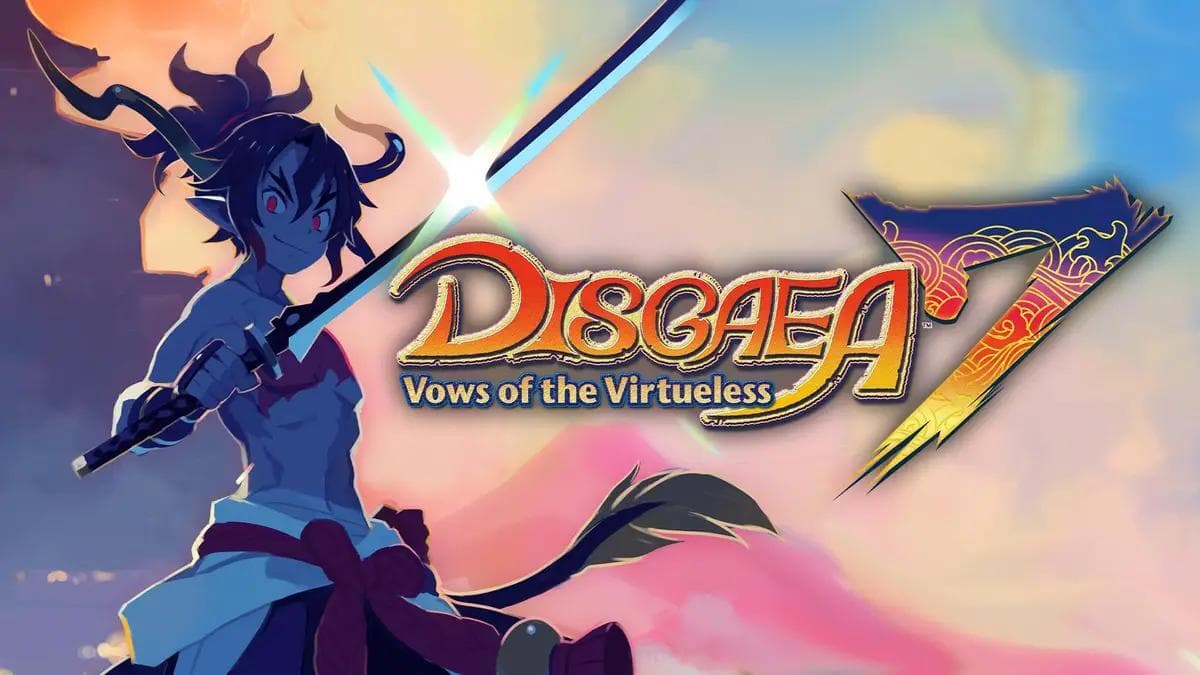
Release year: 2023
Platforms: PC, Nintendo Switch, PlayStation 4, PlayStation 5
Price guidance: Current pricing varies by platform and region and was not independently verified for this entry.
Disgaea 7 takes tactical RPG escalation to cartoonish extremes and refuses to apologize for it. If Final Fantasy Tactics is careful steel, Disgaea is a fireworks factory built on a grid. Numbers explode, damage totals become jokes, and a supposedly simple fight can turn into a chain of throws, lifts, buffs, counters, and systems stacked on systems. That tonal gap is enormous, but the game still earns a place here because its maps reward players who enjoy wringing every advantage out of a ruleset.
Its distinct reason for FFT fans is spatial manipulation. In FFT, positioning matters because terrain, turn order, and threat range punish carelessness. In Disgaea 7, positioning matters because characters can be picked up, thrown, repositioned, and used to create absurd action economies. That makes the grid itself feel playful rather than solemn. The Item World adds another layer by turning gear improvement into its own tactical grind, which will either sound glorious or exhausting depending on your tolerance for scale. The modern quality-of-life features help a lot: faster combat, cleaner repetition, and a smoother path through systems that used to feel hostile to newcomers. It is not the right recommendation for someone chasing Ivalice’s mournful political tone. It is the recommendation for players who loved finding broken angles in a turn-based system and would happily trade subtle drama for tactical excess, gigantic numbers, and enough postgame depth to become a long-term obsession.
8. The Banner Saga

Release year: 2014
Platforms: PC, Nintendo Switch, PlayStation 4, Xbox One, mobile
Price guidance: Current pricing varies by platform and region and was not independently verified for this entry.
The Banner Saga is not a job-system match for Final Fantasy Tactics, and it is better to say that plainly than to blur every tactical RPG together. What it does share is a sense that every decision costs something. Your caravan crawls through a dying world while food, morale, supplies, and trust all stay fragile. Battles matter, but so do the choices between them, and that campaign-layer dread gives the whole game a pressure that FFT fans usually recognize immediately.
Its distinct reason on this list is the armor-and-strength combat model. Attack strength doubles as both health and damage output, while armor reduces incoming punishment, so every target choice becomes more interesting than “finish the weakest enemy.” Sometimes cracking armor first is the right move even when a kill looks tempting, because reducing a dangerous unit’s future threat matters more than a short-term knockout. That compact system creates the same kind of turn-by-turn anxiety that makes a great tactical RPG sing. It also keeps battles readable without making them shallow. The trade-off is customization. You are not building wild cross-class hybrids or sculpting a giant bench of specialists the way you would in FFT. The appeal is tighter and bleaker: hard fights, painful consequences, and a world where survival rarely feels clean. Pick this one if what you loved in Final Fantasy Tactics was less the job math and more the feeling that victory can still leave scars.
9. Wartales
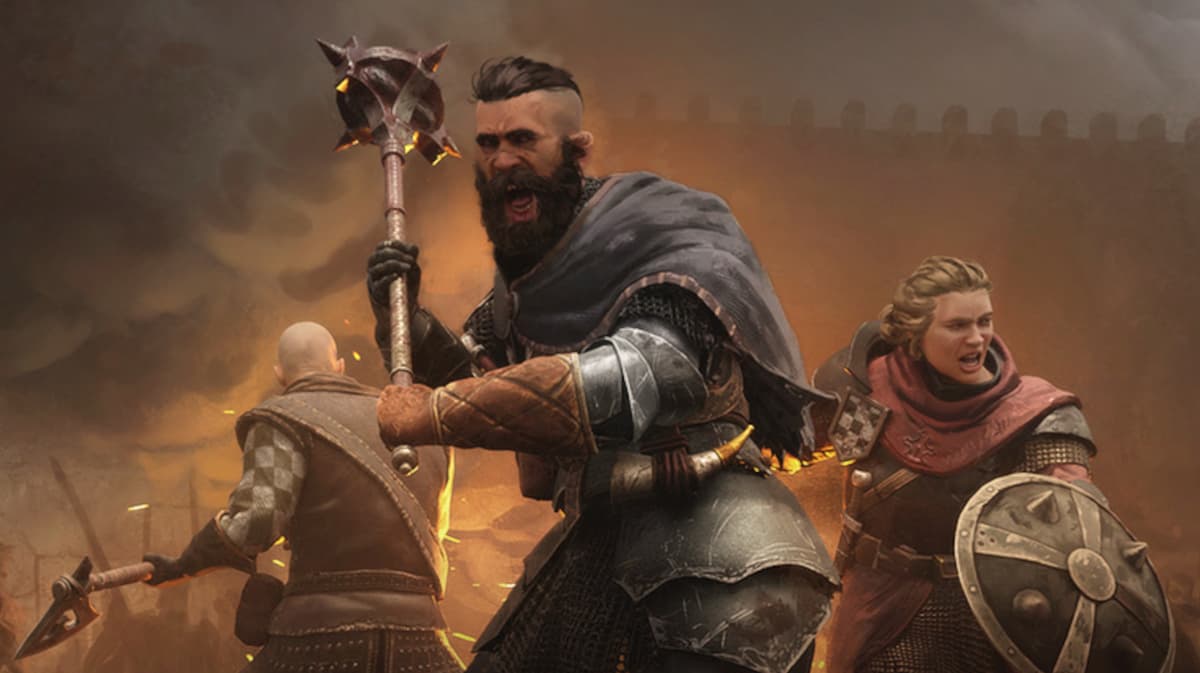
Release year: 2023
Platforms: PC, Nintendo Switch, PlayStation 5, Xbox One, Xbox Series X|S
Price guidance: Current pricing varies by platform and region and was not independently verified for this entry.
Wartales swaps royal conspiracy for mercenary survival, but it understands something crucial that FFT also understands: a battle should not end when the last enemy drops. You recruit a company, pay wages, manage food, repair gear, set camp, and decide whether the next contract is worth the risk. That broader management layer makes every turn-based fight feel materially connected to the state of the group. Winning can still leave you broke, injured, and one bad job away from a spiral.
Its distinct reason here is the cost of attrition. Many tactical RPGs treat damage as a short-term inconvenience solved by a menu after combat. Wartales makes injuries, armor loss, and economic wear part of the ongoing campaign rhythm, which changes how aggressive you want to be in any given encounter. Holding a brute in place while a ranger and spearman work angles does not feel like abstract puzzle-solving; it feels like protecting an investment you cannot casually replace. The game is more open-ended than Final Fantasy Tactics, and that freedom brings looser pacing. Some players will miss the authored story momentum of a classic political fantasy. Others will love that the tactical layer feeds directly into survival logistics. Choose it if the part you want to preserve from FFT is the sense that squad composition matters because lives, gear, and long-term readiness are all on the line, not because a cutscene told you they are.
10. Sword of Convallaria
Release year: 2024
Platforms: PC, mobile
Price guidance: Free-to-play; optional spending varies by platform and storefront.
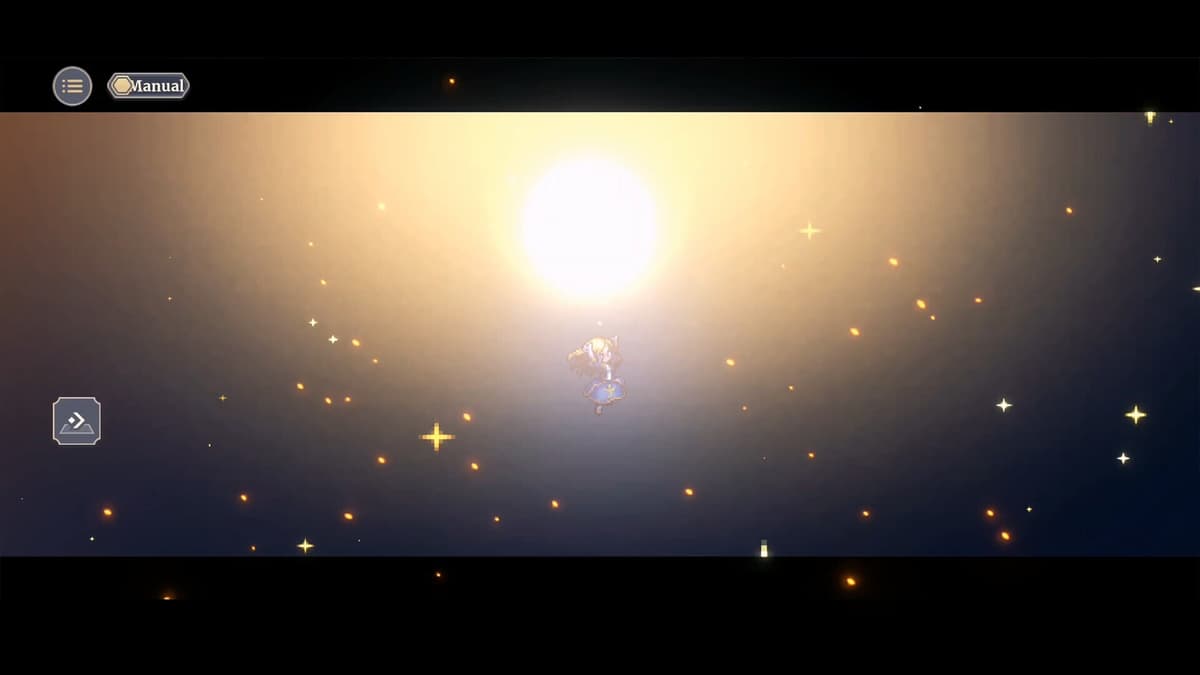
Sword of Convallaria understands why old-school isometric tactics remain satisfying. Small maps, meaningful hazards, flanking pressure, height differences, and turn order all combine into brisk encounters where a few tiles can decide everything. That sounds basic, but many newer tactics games chase spectacle and forget how much drama you can get from a narrow lane, a ledge, and an enemy formation that punishes overextension. Sword of Convallaria remembers.
Its distinct reason for FFT fans is hazard play. Knocking units into dangerous spaces, controlling approach lines, and making the map itself do some of the work gives its fights character beyond raw damage racing. That is the same broad design instinct that makes strong FFT maps memorable: the board is not neutral ground, it is part of the ruleset. The branching campaign structure helps too, because choices alter routes and outcomes instead of sitting there as decorative morality paint. The obvious caveat is the business model. Players who want one self-contained premium tactics campaign may bounce off the free-to-play frame on principle, and that is understandable. Even so, the tactical foundation is sturdy enough that it deserves a look from anyone hunting for a modern, compact-grid game with real positional bite. It is especially easy to recommend to players who miss the feel of classic handheld or mid-budget tactics design more than they miss any one specific Final Fantasy trademark.
11. The Hundred Line: Last Defense Academy
Release year: 2025
Platforms: PC, Nintendo Switch
Price guidance: Current pricing varies by platform and region and was not independently verified for this entry.
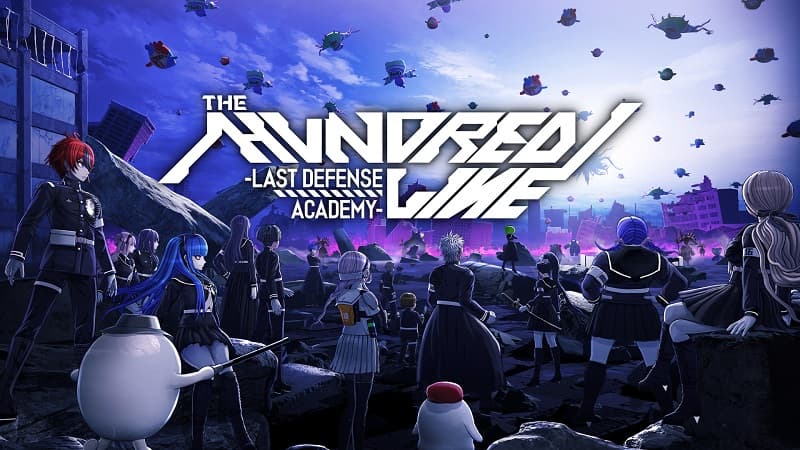
The Hundred Line: Last Defense Academy is the 2025 curveball on this list, but it earns the slot because its combat has urgency instead of mere formality. The setup revolves around surviving 100 days of defense battles, and that structure immediately pushes the game away from leisurely optimization. Objective protection matters. Roster limits matter. Timing matters. The question is not only whether a unit can win a trade, but whether spending that unit here is worth what the broader defense plan loses somewhere else.
Its distinct reason for FFT-adjacent players is sacrifice pressure. Plenty of tactical RPGs let you play cautiously until a clean answer appears. The Hundred Line is more interested in when a desperate play is correct and how much value you can squeeze out of a limited roster under siege conditions. That gives its maps a welcome sense of panic. The character writing and presentation are much louder and stranger than Ivalice’s measured political tragedy, so anyone expecting austere medieval intrigue should adjust immediately. The same goes for its narrative emphasis: this is a story-heavy game with a big personality, not a dry systems sandbox. Still, Voltage-fueled power plays and defense-focused maps create a tactical rhythm that feels genuinely different from the rest of this list. Pick it if you want turn-based grid battles attached to high-drama storytelling and objective-based missions where bold decisions matter more than preserving a perfect formation forever.
12. Metal Slug Tactics
Release year: 2024
Platforms: PC, Nintendo Switch, PlayStation 4, PlayStation 5, Xbox One, Xbox Series X|S
Price guidance: Current pricing varies by platform and region and was not independently verified for this entry.
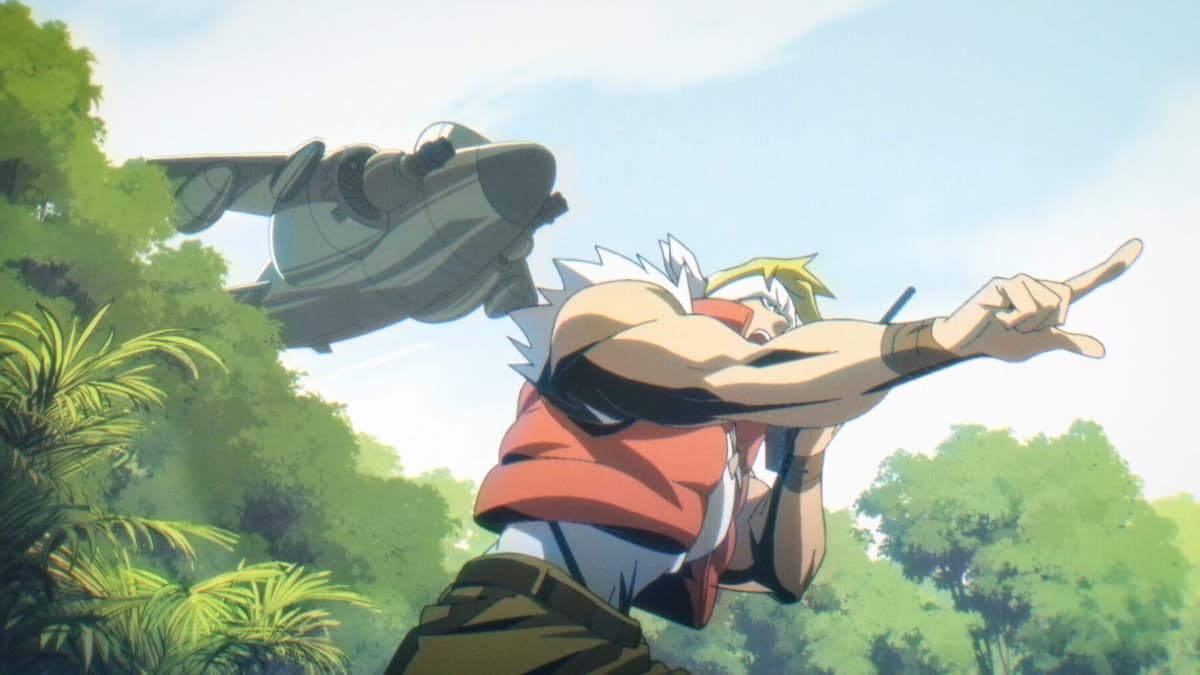
Metal Slug Tactics is the least traditional recommendation here, but it earns the comparison through movement. In a lot of tactical RPGs, moving is a tax you pay before attacking. Here, moving is part of the attack plan. Units generate Dodge by repositioning, build Adrenaline for stronger actions, and can chain attacks with teammates when the board state lines up. That means every turn asks a delicious question: do you hold still for a supposedly perfect shot, or do you keep the squad in motion and trust the system to reward aggression?
Its distinct reason for FFT fans is action economy through placement. Final Fantasy Tactics often shines when a unit stands in exactly the right tile, at exactly the right elevation, threatening exactly the right lane. Metal Slug Tactics chases that same satisfaction from a faster, more arcade-like angle. The grid still matters, party synergy still matters, and careless placement still gets punished, but the rhythm is shorter and snappier because the roguelite structure keeps runs compact. There is no sprawling kingdom to save, no enormous bench of hand-built specialists, and no 50-hour political novel hiding behind the next deployment screen. That will disqualify it for some readers. For others, it is exactly the point. If the part of FFT you wanted to preserve was crisp positional decision-making rather than court intrigue or endless class grinding, this is a sharp, clever detour that trims the fat and keeps the tactical spark.
The practical order is still simple. Buy Tactics Ogre: Reborn for the nearest full-scale successor, play Fell Seal: Arbiter’s Mark for job-system experimentation, and choose Triangle Strategy for a modern story-first campaign where terrain does real work. Players with original hardware should not skip the two Final Fantasy Tactics Advance games; they remain the most direct route to more Ivalice-style tactical building even if their tone is lighter. If you want the weirder branches of the family tree after that, go to Wartales for campaign attrition, The Banner Saga for consequence-heavy combat, or Metal Slug Tactics for short-form positioning puzzles. For more squad-based recommendations once this list runs dry, FinalBoss’s best strategy RPGs guide is the next stop.
FinalBoss // Gear
Level up your setup
01Top-rated gaming headsetson Amazon→02High-refresh gaming monitorson Amazon→03Gaming chairson Amazon→04Discounted game keyson Kinguin→Affiliate links · As an Amazon Associate, FinalBoss earns from qualifying purchases.
Want to Level Up Your Gaming?
Get access to exclusive strategies, hidden tips, and pro-level insights that we don't share publicly.
Ultimate Top Strategy Guide + Weekly Pro Tips