
An initiative tracker ticking down while a wounded companion stands one square from safety is where isometric RPGs earn their keep. The camera angle is familiar; the real appeal is consequence. A bad movement order can turn a clean fight into a reload, while one clever spell, shove, flank, or dialogue choice can rescue an entire campaign.
This editorial ranking is for players who want turn-based battles or deliberate tactical systems, rather than every game that happens to use an isometric camera. I prioritized games with party-building depth, encounters that reward planning, and enough character choice to make a second run feel meaningfully different. Newer releases are here, but classics stay put when they still embarrass modern RPGs with smarter quest design or nastier combat puzzles.
For broader recommendations beyond this angle, FinalBoss also has guides to the best turn-based RPGs, the best games like Final Fantasy Tactics, and the strongest XCOM-style games. This list is where those tastes meet: party RPGs with a tactical brain. And one quick ground rule before the ranking starts: I only call out current storefront and price details below where those details are firmly verified for 2026. For the rest, the focus stays on why each game belongs on the list and what kind of player it suits.
Table of Contents (14)
Start Here If…
- You want the complete modern package: Start with Baldur’s Gate 3.
- You want the hardest buildcraft and the longest campaign: Choose Pathfinder: Wrath of the Righteous.
- You want tightly designed combat without a 100-hour commitment: Buy Tactical Breach Wizards.
- You miss the old Infinity Engine era: Go straight to Pillars of Eternity II: Deadfire.
- You want grim tactical warfare and a more contained story: Pick Warhammer 40,000: Rogue Trader.
One notable 2026 RPG that does not belong on this list
The Blood of Dawnwalker is not ranked here because it is not an isometric RPG. It is a dark fantasy open-world action RPG from Rebel Wolves, and its confirmed launch date is September 3, 2026 on PC, PlayStation 5, and Xbox Series X|S. The verified standard edition is priced at $69.99, with an Eclipse Edition at $79.99 and a Collector’s Edition at $199.99. If you want a separate vampire-action conversation, that game absolutely has one coming. If you are here for party tactics, grids, turn order, and top-down crisis management, this list stays in its lane.
1. Baldur’s Gate 3
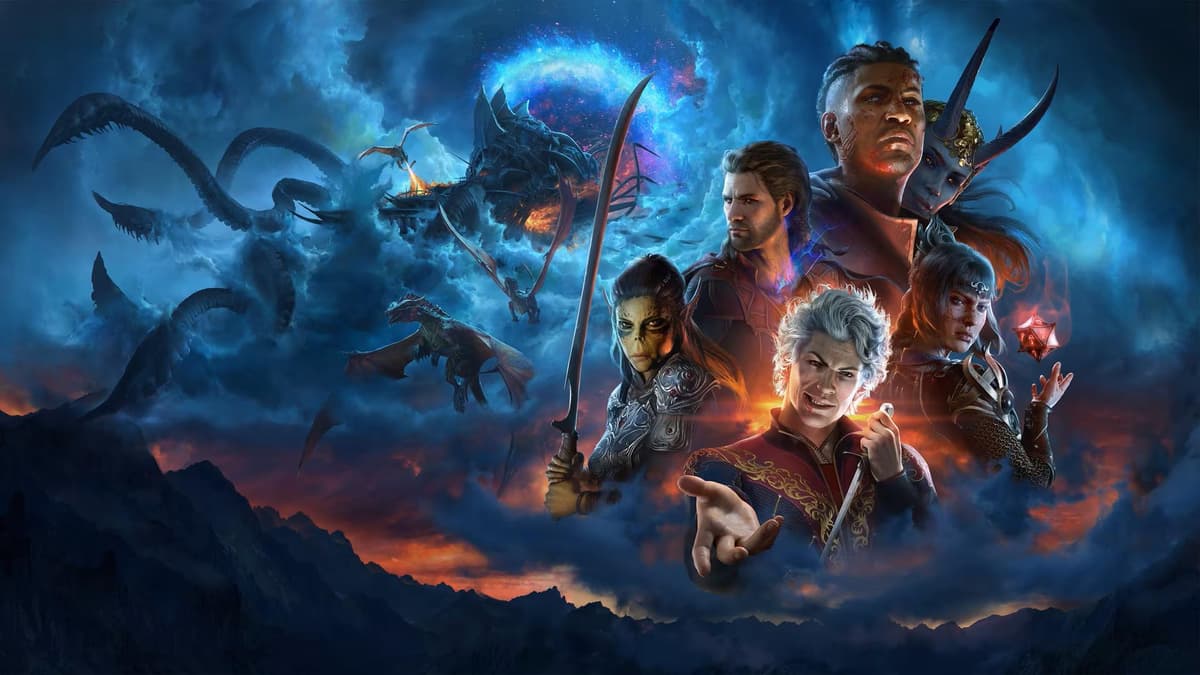
Verified 2026 storefront details: Windows, Mac, and Linux on Steam, with Steam Deck Verified support. The standard Steam price has been $59.99, and the lowest observed 2026 Steam price was $41.99 on July 30. Xbox lists the standard edition at $69.99 and the Digital Deluxe Edition at $79.99.
Baldur’s Gate 3 takes the top slot because it makes improvisation feel like a legitimate combat discipline. Height, surfaces, line of sight, shove distance, throwable junk, summoned creatures, and spell interactions all matter. A fight can swing because someone noticed a chandelier, a cliff edge, a bottle of grease, or a route around the guards. Most RPGs advertise freedom; this one builds enough systemic connective tissue to let players test it without the whole illusion collapsing the moment they get weird.
It also understands a point many role-playing games still miss: failure is content. A failed roll does not have to be a reload screen. It can be an ambush, a dead ally, an angry faction, or a conversation that spins into glorious nonsense. That design philosophy keeps the role-playing alive when the plan breaks, which is exactly when many CRPGs, meaning computer-style role-playing games built around party management and heavy player choice, become the most memorable.
The size is the only real warning label. This is a huge campaign, and at full price it still asks for a serious commitment in both money and time. But if someone wants one recommendation that covers tactical combat, character writing, experimentation, and replay value without a thousand asterisks, this remains the safest answer. It is the rare blockbuster RPG that still feels like it was made by people who enjoy asking, “What happens if the player tries something rude, reckless, or brilliant?”
2. Pathfinder: Wrath of the Righteous

The reason to play Pathfinder: Wrath of the Righteous is the Mythic Path system. It does more than hand the protagonist a flashy late-game toy. It changes the role that character occupies in the world, which means power, story tone, companion reactions, and even the emotional shape of the campaign can shift dramatically from run to run. Angel, Lich, Azata, Aeon, Trickster, Demon: these are not cosmetic labels. They are declarations of intent, and the game is willing to let them hit with proper force.
That ambition is exactly why it lands so high and why it scares some players off. Character creation can feel like being handed a rulebook in a thunderstorm. There are classes inside classes, prestige options, feat chains that look innocent until they ruin a build, and difficulty spikes that punish casual guessing. The crusade management layer is still divisive too, because not every player came here hoping to manage a war table between demon fights. My advice remains simple: use the turn-based option if you want readable battles, tune the difficulty without shame, and let the complexity become part of the attraction rather than an accusation.
Who is it for? People who enjoy planning almost as much as winning. If Baldur’s Gate 3 is the recommendation for improvisers, Wrath of the Righteous is for the player who smiles when a build finally clicks after six levels of setup. Few games reward obsessive tinkering this aggressively, and even fewer let your buildcraft feed directly into the campaign’s identity. Messy? Absolutely. Magnificent in its own overloaded way? Also yes.
3. Divinity: Original Sin 2
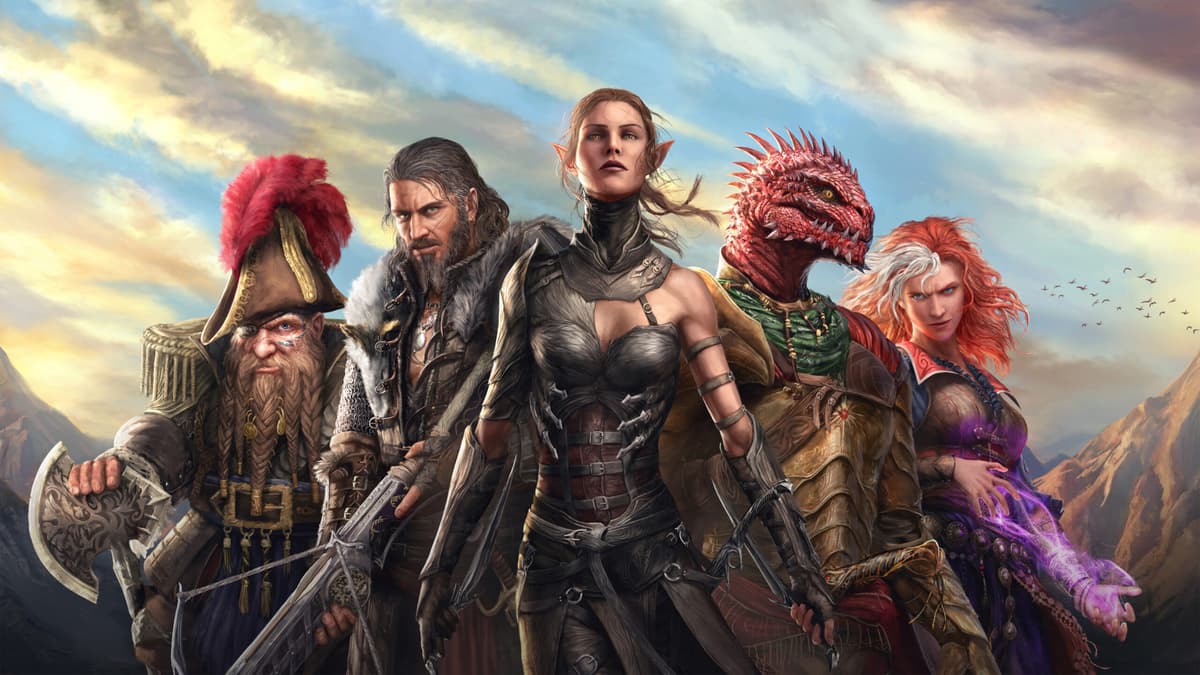
Before Baldur’s Gate 3 became the blockbuster reference point, Divinity: Original Sin 2 was the game that taught an alarming number of RPG players to fear innocent-looking puddles. Its combat is a glorious chain reaction machine. Water conducts electricity, oil catches fire, poison becomes a weapon, blood becomes part of the board state, and one sloppy decision can turn a manageable brawl into a chemistry demonstration gone criminally wrong.
That systems-first attitude is why the game still belongs near the top in 2026. It does not merely ask whether you can hit hard enough. It asks whether you can shape the battlefield before the fight finishes shaping you. Teleportation, crowd control, elevation, choke points, elemental combos, sneaky pre-fight setup: the best encounters reward players who treat the map like an accomplice. It also helps that the campaign remains unusually comfortable with player mischief. Steal, talk, sneak, split the party, approach from an angle the designer probably expected but still had the decency to support.
The familiar caveat has not disappeared. The armor system still splits opinion because physical and magical armor can push parties toward focused damage instead of a freer mix of tools. Even so, the game earns its ranking because so much of the surrounding design is still electric. The origin-character setup gives runs different personalities, co-op remains one of the funniest ways to destroy a carefully arranged room, and the whole thing still radiates the pleasure of rules colliding. Pick it if you want an RPG where every fight threatens to become either a masterpiece or a fire hazard.
4. Warhammer 40,000: Rogue Trader
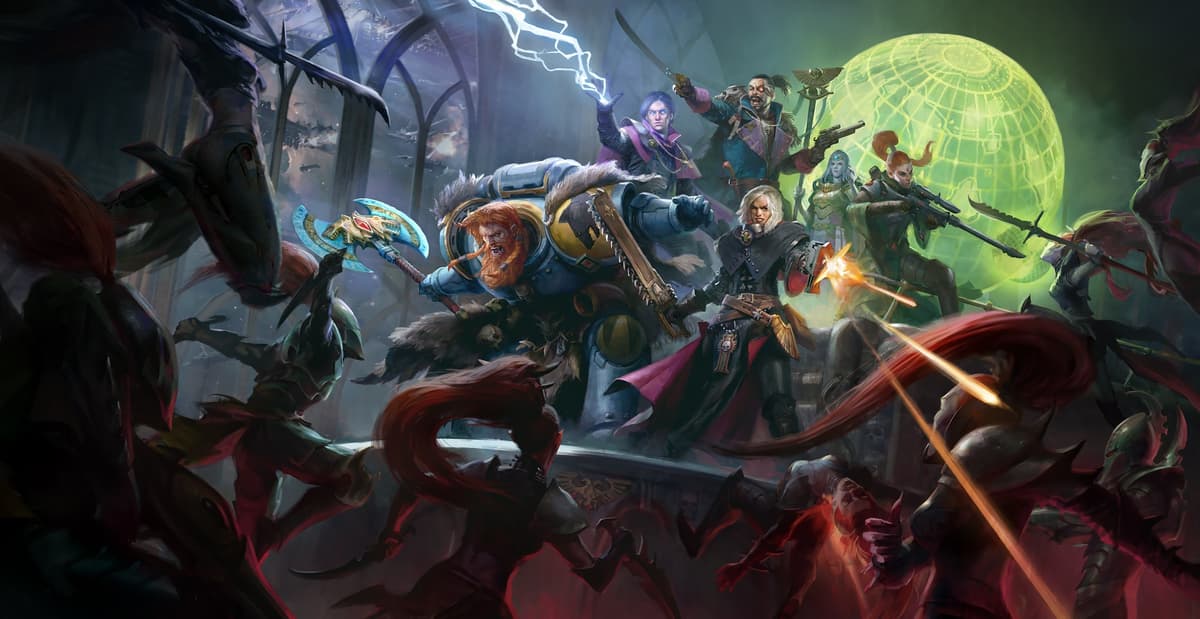
Warhammer 40,000: Rogue Trader earns this placement through the way it turns combat rhythm into momentum, literally and emotionally. This is not just a cover-hugging shootout RPG wearing a heavy coat of grimdark paint. Coordinated attacks build toward bigger turns, abilities trigger off allies’ actions, specialists feed one another, and a good squad starts to feel less like six separate units and more like a terrible machine that becomes deadlier every time the gears catch.
That aggression matters because the setting can easily tempt games into static spectacle. Rogue Trader is better when it lets the player be decisive, opportunistic, and a little ruthless. You feel the appeal of commanding a private power structure in a universe where morality usually arrives late and under-armed. The narrative side leans hard into Warhammer 40,000 terminology, imperial ritual, cruelty, and elaborate nonsense, which is either the hook or the exit ramp. If you bounce off the vocabulary, the whole experience can feel like getting yelled at by a cathedral. If it clicks, the density becomes part of the flavor.
What really keeps it here is tone. Being a Rogue Trader means making choices where every available outcome has blood on it, and the game understands that compromise is often the point rather than the failure state. This is the recommendation for players who want a party-based CRPG that feels harsher and more militarized than high fantasy usually allows. Bring it home if you want tactical combat with ideology, class hierarchy, and enough cosmic malice to make a normal kingdom dispute look quaint.
5. Tactical Breach Wizards
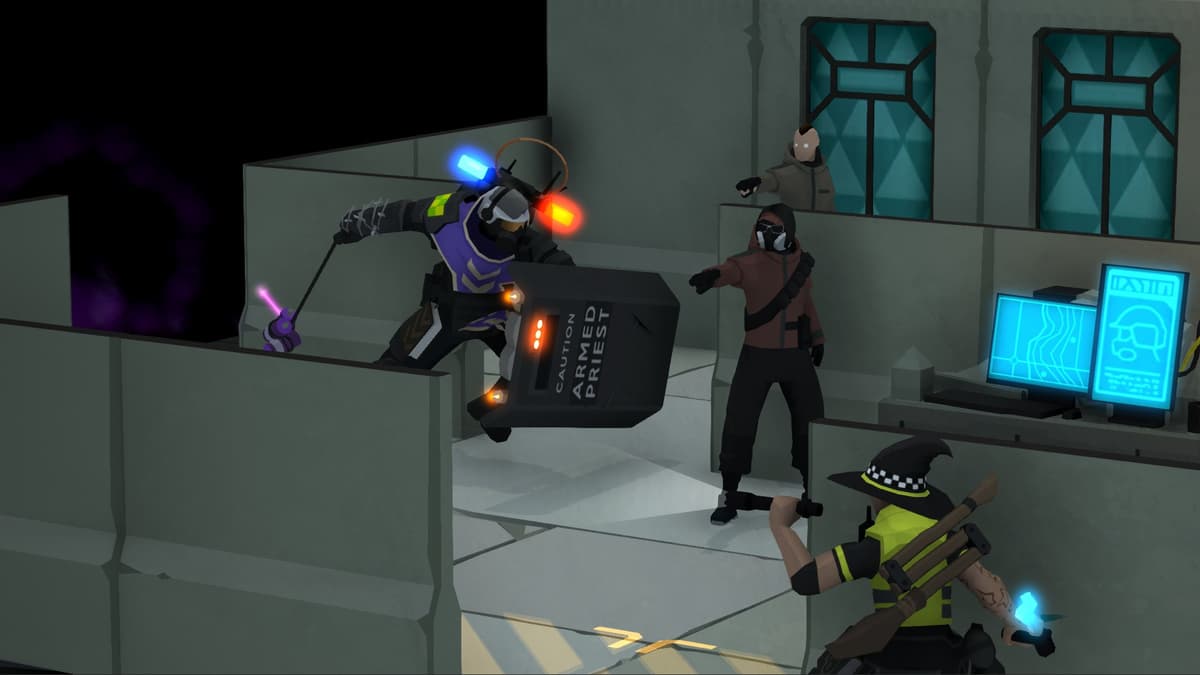
Verified 2026 storefront details: Windows on Steam. A July 2026 Steam listing showed a price of $19.99, while a June 2026 snapshot showed $10.99, so the storefront price has moved and is worth checking before you buy.
Tactical Breach Wizards solves a problem many tactical RPGs create for themselves: dead turns. Every battle is a compact breach scenario built around movement, pushes, angles, interrupts, and delightful abuse of space. Knock someone through a window, redirect a bullet path, rearrange the turn order, then rewind one decision and see if the whole room can be solved with even less collateral damage. The rewind feature is the magic trick here. Instead of treating experimentation like a punishable offense, the game treats it as the point.
That one choice changes the mood of the entire campaign. A lot of tactics games secretly train players to become timid accountants, forever preserving a nearly good turn because the price of testing something fun is too high. Tactical Breach Wizards does the opposite. It dares you to become annoying in exactly the right way. The puzzle is not merely survival; it is style, efficiency, and the joy of discovering that the cleanest solution was one shove away all along.
Its narrower scope is a strength, not a compromise. This is much shorter and more focused than the fantasy epics surrounding it on the list, which makes it an ideal palate cleanser for players who want tactical satisfaction without signing over three calendar months. If you are burned out on campaign sprawl, companion maintenance, and encyclopedic lore dumps, this is the buy. It is sharp, funny, mechanically confident, and refreshingly uninterested in wasting your evening on filler missions that exist only because some spreadsheet demanded a round number.
6. Pillars of Eternity II: Deadfire
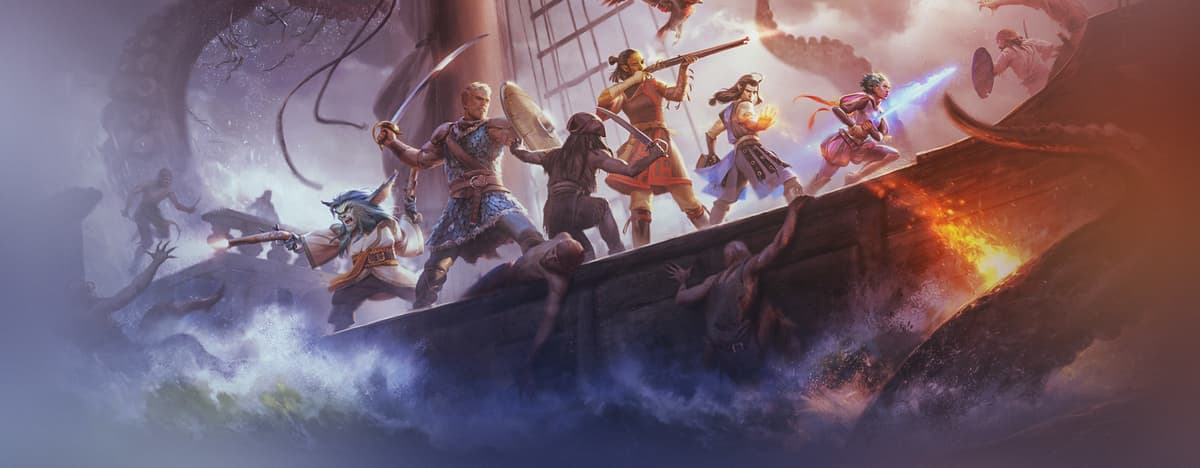
Pillars of Eternity II: Deadfire belongs here because it delivers one of the best settings in the modern old-school revival. The archipelago gives the campaign a sense of movement that many continent-bound fantasy RPGs simply do not have. Sail between islands, chase faction goals, poke at ruins, argue with ideologues, and make decisions in a region where trade, empire, religion, and survival are constantly stepping on one another’s toes. It feels like an adventure in the romantic sense, not merely a job board with prettier water.
For this list specifically, the big draw is how well its class design rewards players who enjoy building a party instead of merely assembling one. Multiclassing opens up combinations that sound reckless on paper and become gloriously efficient once the pieces lock together. The turn-based option also gives the combat a different clarity. Abilities breathe a little more. Positioning reads more cleanly. You get time to savor a plan instead of watching overlapping effects scramble together in a hurry.
The weakest link is still easy to spot. Ship-to-ship sequences are not why people remember Deadfire, and some of the campaign’s broader systems can feel more admirable than beloved. But the companions, the faction politics, the writing, and the sheer texture of the world carry the whole voyage. This is the recommendation for players who miss the Infinity Engine spirit but want something less museum-like than simple nostalgia. It has salt air, gunpowder, philosophical arguments, and enough role-playing friction to make the journey feel alive rather than merely traditional.
7. Solasta: Crown of the Magister
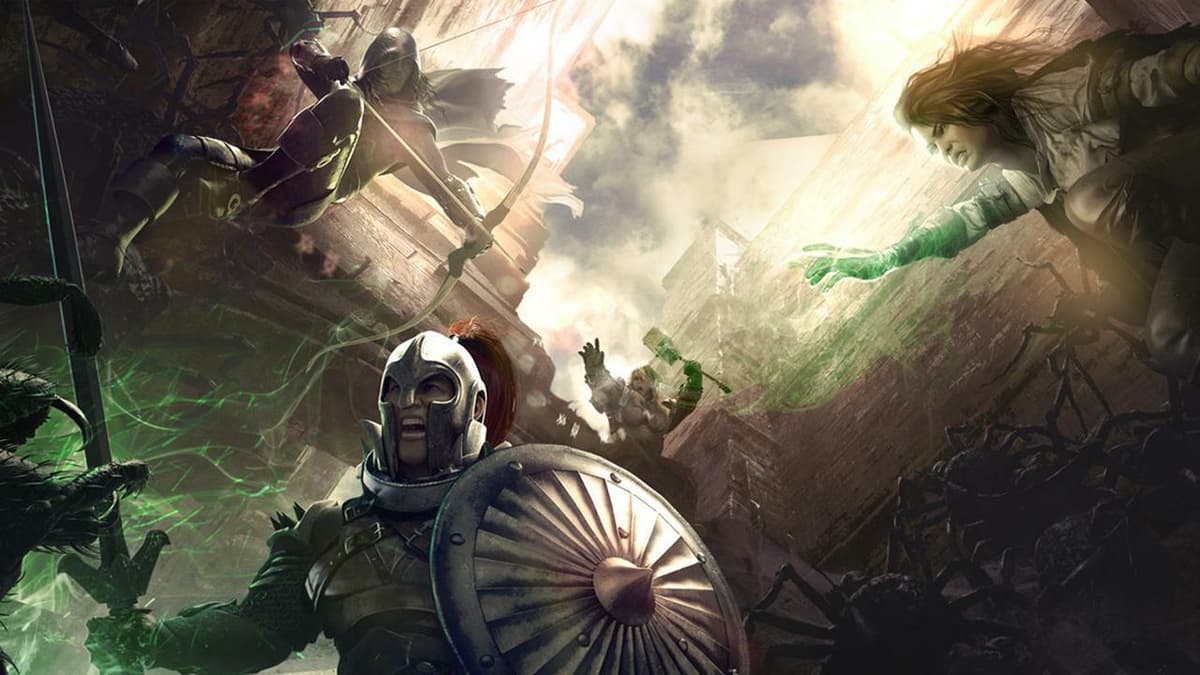
Solasta: Crown of the Magister is the pick for players who care more about the grid than the cutscene. Its standout feature is verticality. Characters climb walls, fly, leap across gaps, light dark rooms, and exploit elevation in ways many digital tabletop adaptations only gesture toward. Too many fantasy tactics games say positioning matters while mostly meaning left, right, and maybe cover. Solasta treats three dimensions like they are part of the language.
That physicality gives fights a wonderfully direct feel. Darkness matters. Range matters. Whether the archer can actually see the target matters. The maps are built to reward practical thinking rather than dramatic posturing, which means a battle can improve immediately when the player stops trying to be heroic and starts trying to be correct. There is a refreshing honesty to that. The game is not asking you to admire its cinematic ambitions. It is asking whether your wizard can change the geometry of the encounter before the monsters do it for you.
The trade is obvious. The party dialogue can be stiff, and the story does not punch with the theatrical force of the genre leaders. If you need lavish character scenes to stay engaged, this will not be the first recommendation. If, however, you want digital tabletop combat that takes line of sight, elevation, and spell utility seriously, it becomes one of the easiest recommendations on the board. Add in community-made content and replay potential rises further. Bring this one home when your patience for bloated spectacle runs out and you want a game that trusts combat craft to carry the conversation.
8. Wasteland 3
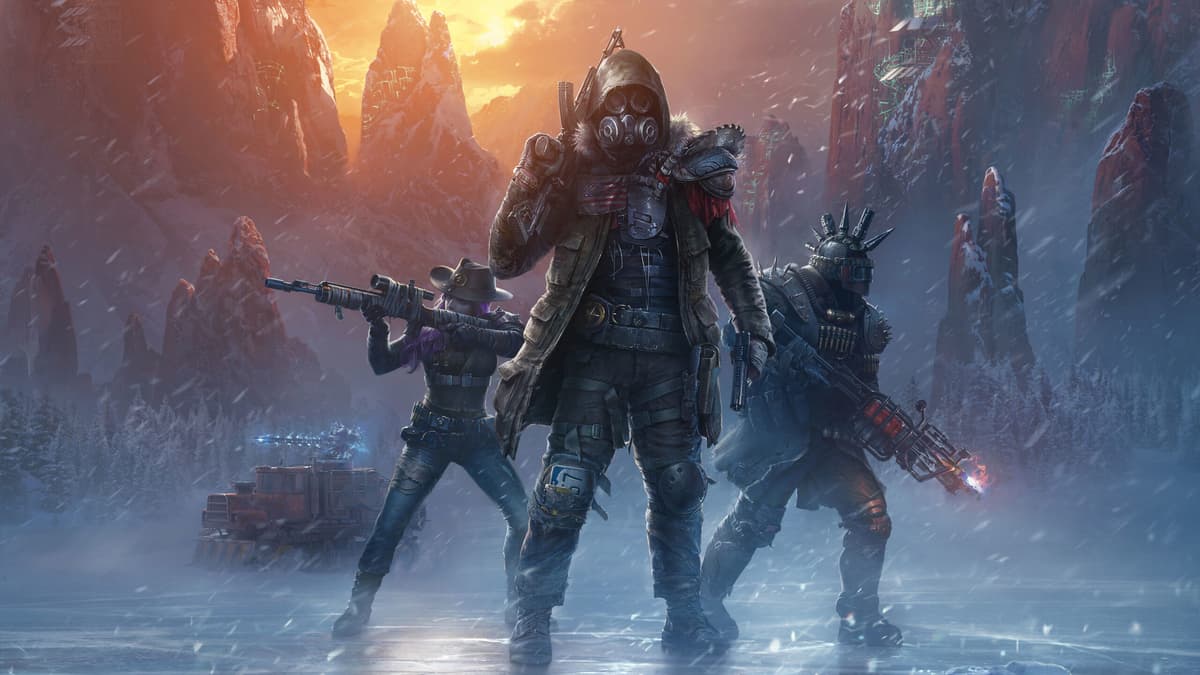
Wasteland 3 understands that post-apocalyptic role-playing works best when the jokes are funny right up until the decision becomes ugly. Its Colorado setting is full of bizarre factions, grotesque set pieces, weird radio energy, and weapons that turn firefights into scrap-metal carnage. Under all that attitude sits a sturdy tactical system built around cover, action points, squad roles, and precise positioning. This is not chaos for chaos’ sake. The nonsense has structure.
What lifts it above a lot of wasteland tourism is the campaign’s sense of responsibility. Ranger HQ helps the game feel like leadership instead of sightseeing. You are not merely wandering through disasters and making moral observations from the passenger seat. You are trying to build something functional in a place that keeps offering expensive reasons not to bother. That gives many choices more bite than a standard binary morality prompt ever could. Even the so-called good route often asks for sacrifice, compromise, or acceptance that someone decent is going to hate the outcome.
Combat is equally strong when the squad composition starts clicking. Specialists matter, status effects matter, and positioning can rescue a bad plan or expose a lazy one. The tone also deserves credit. Plenty of grim RPGs are only grim; Wasteland 3 understands that absurdity can sharpen cruelty instead of softening it. Choose it if you want a party RPG where tactical decisions and political decisions both leave residue. Also choose it if you think a flamethrower should occasionally count as urban planning.
9. The Thaumaturge
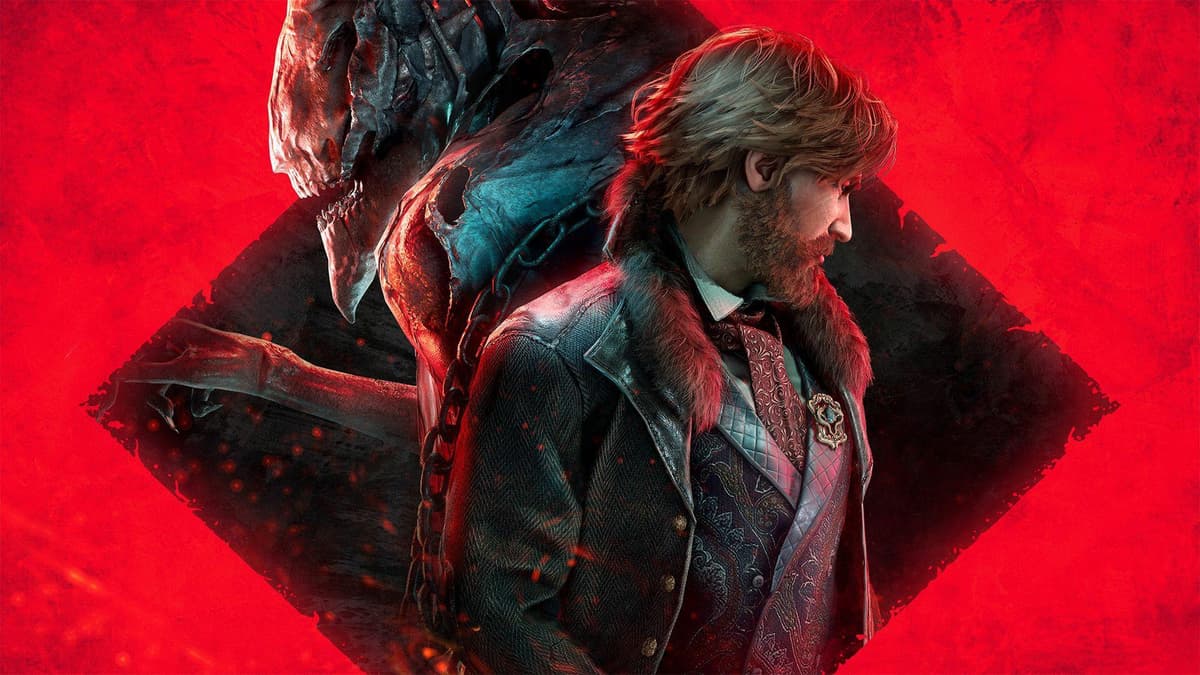
The Thaumaturge has a stronger setting hook than most modern isometric RPGs and, more importantly, a hook it actually uses. Warsaw in 1905 is not just wallpaper here. The city’s tensions, vanity, class friction, and cultural mood feed directly into the game’s supernatural and psychological identity. Its central idea, that human flaws can become both role-playing texture and mechanical leverage, gives the entire campaign a sharper personality than generic fantasy tends to allow.
The other reason it sticks in the memory is its combat timeline. Turn order is not background math; it is part of how you think. Success comes from reading when enemies will act, setting up the correct interruption, and knowing whether this turn is about immediate damage or about preserving control of the next two turns. That makes the battles feel a touch more surgical than explosive. You are not always trying to dominate the room at once. Sometimes you are trying to bend its rhythm until the fight starts happening on your schedule instead of theirs.
This is a more focused, dialogue-heavy experience than the biggest sandboxes on the list, and it is comfortable moving at a deliberate pace. Some players will want the combat to reveal its layers faster. Others will appreciate that the game earns its tone rather than screaming it. Choose The Thaumaturge when standard medieval kingdoms have become wallpaper and you want an RPG with a specific place, mood, and cultural identity. It is not the loudest game here, but it is one of the easiest to remember once its atmosphere gets under your skin.
10. Expeditions: Rome
The great trick in Expeditions: Rome is making Roman military command feel personal instead of merely historical. Tactical battles reward elevation, flanking, status effects, and careful use of each class kit, but the campaign also asks the player to operate in a world where loyalty, reputation, and authority are always in motion. The result has more weight than the usual chosen-hero structure because command is not just a title here. It is the source of pressure.
That pressure gives the whole game a distinctive shape. Winning a battle matters, but so does what that victory costs politically, socially, and emotionally. The historical setting does a lot of work for free because ambition in Rome already arrives carrying knives. When the campaign asks you to think about who follows you, who fears you, and who quietly resents you, it makes routine strategy-game questions feel like character questions. That is a smart trick, and not one every tactics RPG can pull off.
It is fair to say the game occasionally has more systems than elegance. Campaign-layer management can slow the pacing, and some players will prefer a leaner structure with fewer responsibilities between fights. Even so, the payoff is real. This is a superb recommendation for players who want tactical role-playing without defaulting to another pile of elves, demons, or glowing prophecy stones. If your appetite leans toward disciplined formations, political tension, and the sense that every promotion comes with a new enemy, Expeditions: Rome earns its place comfortably.
11. Shadowrun: Dragonfall – Director’s Cut
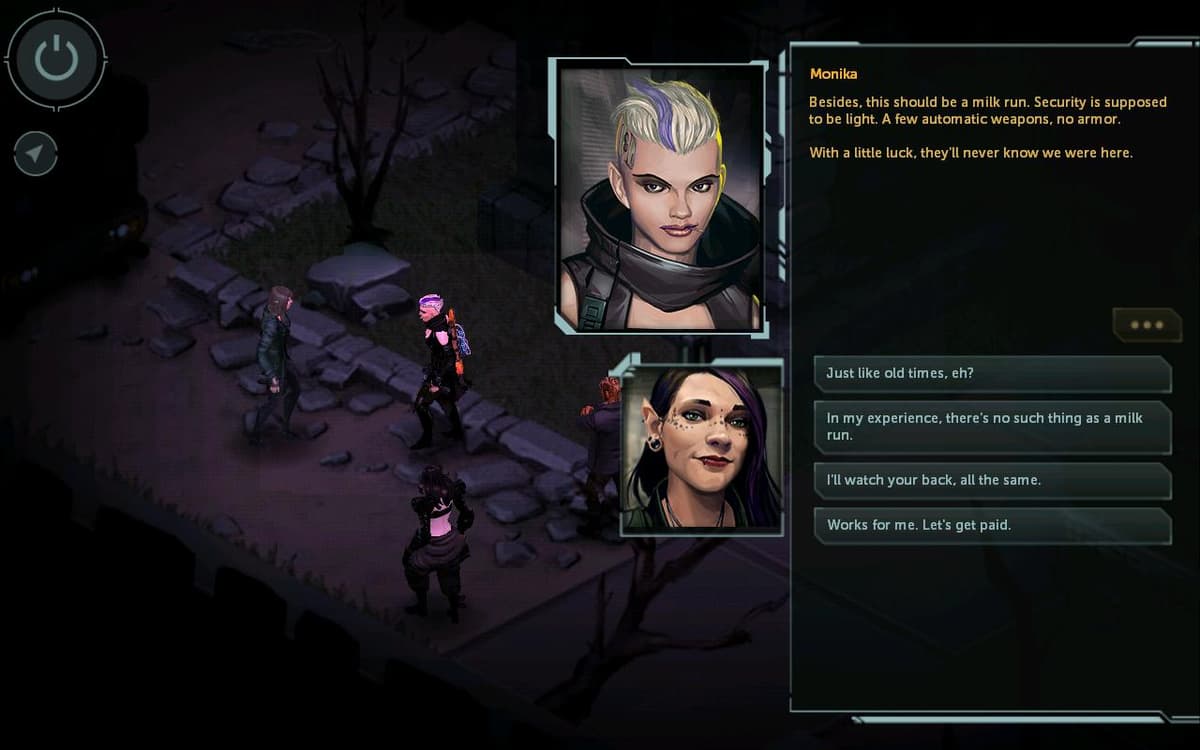
Shadowrun: Dragonfall is the compact classic this genre keeps needing. The Berlin setting makes cyberpunk fantasy feel lived in rather than assembled from brand keywords, and the crew at the center of the story has enough history, friction, and vulnerability to make downtime as valuable as combat. There is a reason people still recommend it years later: it understands scale. It knows exactly how much story, how much worldbuilding, and how much tactical friction it needs to leave a mark without collapsing under its own ambition.
Its missions favor strong setups over endless waves. Every specialist brings a distinct angle to a job, whether that means tech intrusion, spell support, gunplay, or something meaner and more intimate. Because the campaign is comparatively focused, every fight gets to matter a little more. There is less filler, less wandering, and less bloat pretending to be value. When the action starts, the game usually has a reason for it, and that sounds basic until you remember how many sprawling RPGs forget the same courtesy halfway through.
Yes, the production values are modest beside 2026’s biggest RPGs. That has not dulled the writing. The setting still has bite, the companions still work, and the pace is still enviably sharp. This is the recommendation for players who want a complete tactical RPG experience before the next large release eats their schedule alive. Not every great CRPG needs to last forever. Sometimes the most impressive thing a game can do is know when to stop, and Dragonfall knows exactly when it has made its point.
12. Fell Seal: Arbiter’s Mark
Fell Seal: Arbiter’s Mark gets the final spot because its job system is outrageously accommodating. Characters can combine classes, borrow abilities, equip passives, and develop into wonderfully specific tactical units that reflect your priorities rather than a prefab ideal. The pleasure here is not merely seeing numbers go up. It is watching a modest recruit become a weird little machine you built yourself, then discovering that the machine solves problems in ways you did not fully predict when you started sketching the idea.
The maps do their part too. Elevation matters, turn order matters, facing and placement matter, and every deployment asks for more than simple aggression. The battles feel like real puzzles rather than flat arenas with decorative rocks tossed around the edge. If you come from tactics games where unit identity is the whole thrill, Fell Seal understands that appetite immediately. It wants players to experiment, and it is generous about letting those experiments turn into functional, even ridiculous, builds.
The familiar objections still exist. Some players bounce off the visual style, and the story does not carry the prestige aura of the list’s biggest names. That is fine. Not every game needs to win a cutscene arms race to justify its place. This one is here because buildcraft remains one of the purest forms of tactical pleasure, and Fell Seal serves that pleasure with very little pretension. If your favorite part of an RPG is the moment a build finally reveals what it has been trying to become for ten hours, this is an easy game to keep installed.
FinalBoss // Gear
Level up your setup
01Top-rated gaming headsetson Amazon→02High-refresh gaming monitorson Amazon→03Gaming chairson Amazon→04Discounted game keyson Kinguin→Affiliate links · As an Amazon Associate, FinalBoss earns from qualifying purchases.
Want to Level Up Your Gaming?
Get access to exclusive strategies, hidden tips, and pro-level insights that we don't share publicly.
Ultimate Top Strategy Guide + Weekly Pro Tips