
Table of Contents (14)
Why These 12 “Best Games Ever” Still Live In My Head Rent‑Free
Every time a new “best games of all time” list drops – like Dexerto’s latest cross-era top 100 – my group chats light up. Someone’s furious about placements, someone’s defending a childhood favorite like it’s a family member, and someone else is asking why their niche indie roguelike isn’t top 10.
I love these lists, not because they’re definitive (they never are) but because they force you to ask: Which games actually stuck with me? Not just the ones that changed the industry, but the ones that changed how I think about games, that I still recommend to friends in 2026 without a single “well, you have to understand, back then…” disclaimer.
So instead of trying to one-up Dexerto’s 100, I’m zooming in. These are 12 games across five decades and a pile of platforms – SNES, PS2, PS5, PC, Xbox, Switch – that I’d still personally fight for on any all-time list. I’m balancing cultural impact, long-term influence, and the most important stat of all: the urge to replay them right now.
Some of these are the usual suspects you’ve seen a thousand times; some are the ones that finally made me “get it” with a genre. In every case, I’m not just looking at Metacritic or sales. I’m thinking about the late-night raids, the water-cooler plot twists, the boss fights that had me sweating in front of a chunky CRT TV.
You’ll probably disagree with some picks – that’s half the fun. But if Dexerto’s list is the big wide-angle shot of gaming history, this is my close-up: 12 games that, for me, still define what “the best ever” actually feels like.
1. The Legend of Zelda: Ocarina of Time
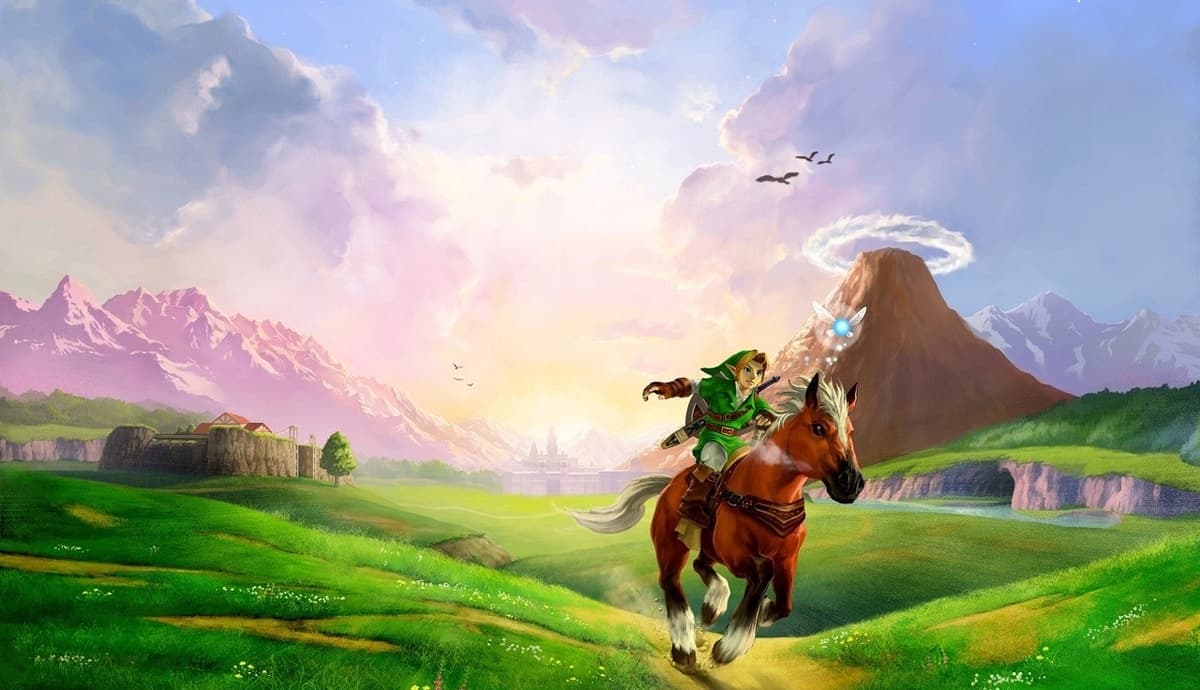
I can still picture the first time I stepped out onto Hyrule Field on a tiny living-room CRT and felt my brain quietly rewire itself. Ocarina of Time isn’t just a “historically important” N64 game; it’s the template half the 3D action-adventure genre is still following in 2026, even if they pretend otherwise.
Lock-on combat, context-sensitive buttons, cinematic dungeon intros, time travel puzzle chains – this was the moment Zelda figured out how to be genuinely 3D without losing that clockwork Nintendo design. The Water Temple memes are old at this point, but they’re memes because we all lived through that same shared puzzle pain, counting keys on graph paper and swearing we’d tried every water level switch twice.
What keeps it in the “best ever” conversation for me is how cohesive it still feels. The game never wastes your time: every song, every item, every side quest feeds back into that central loop of exploring, learning a new tool, then rethinking the world with that tool in hand. Riding Epona across Hyrule at sunset or sneaking through Hyrule Castle gardens with that gentle stealth music is pure, undiluted atmosphere.
Even after dozens of open-world Zeldas and imitators, whenever I replay the 3DS version I’m surprised by how lean and focused it is. There’s no bloat, no map-checklist busywork – just smart dungeon design and a sense of adventure that still hits harder than games with ten times the polygons.
2. Elden Ring
When people complain that modern “best games ever” lists lean too heavily on recency bias, Elden Ring is my counterexample. I knew it was special the first time I wandered off the critical path, got absolutely obliterated by a dragon in Caelid way too early, and still thought, “Yeah, I deserved that. Let me try a different route.”
FromSoftware didn’t just make Dark Souls in an open world; they rethought what exploration could be. Limgrave gently teaches you that every weird rock formation and suspicious ruin is worth poking at. The game almost never yanks your camera around or pops up a “you should go here” tooltip, but somehow everyone collectively found Siofra River, Nokron, and those tiny little Evergaols. That’s design, not luck.
What cements it for me is the way the difficulty and freedom feed into each other. Stuck on Margit? Cool, go find a random cave, discover a new ash of war, come back later with a ridiculous bleed build. I remember respeccing at Raya Lucaria at 2am, trying out some janky spellblade nonsense, and suddenly the game just clicked in a new way.
On an all-time list that stretches back to the SNES and Mega Drive, Elden Ring holds its own because it genuinely pushes the medium forward. It trusts players to be curious, to fail, to learn systems the hard way – and then rewards that curiosity with some of the most spectacular moments I’ve ever stumbled into by accident.
3. The Witcher 3: Wild Hunt
The Witcher 3 is the game that ruined a lot of open worlds for me. I remember booting it up on a creaking PS4, thinking I’d poke around for an hour, and then suddenly it was 3am and I’d forgotten the main quest existed because I was elbow-deep in a missing-person case in Velen that spiraled into something much nastier.
CD Projekt Red didn’t just fill the map with icons; they filled it with stories. The Bloody Baron is the example everyone uses, but it’s emblematic for a reason: a “go find my family” quest that turns into a sickening, messy look at abuse, guilt, and responsibility, and then quietly changes how you see every war-torn village after that. Even tiny contracts – a haunted well, a “simple” monster hunt – are framed with just enough detail that you feel like a working professional, not an errand boy.
What keeps it evergreen for me isn’t just the writing, though; it’s the texture of the world. Riding through Skellige in a snowstorm, hearing the wind whip over the hills, or wandering Novigrad’s back alleys while the soundtrack shifts from tavern shanties to uneasy strings – it still feels lived-in in a way newer games struggle to match.
I’ve replayed Witcher 3 on PC and PS5 now, and every time I try a different build, lean into different dialogue choices, and still find quests I somehow missed. On a list about long-term influence and quality, this is the modern RPG bar for quest design, and we’re still waiting for most studios to clear it.
4. Half-Life 2
There’s a very specific feeling to installing Half-Life 2 on a not-quite-good-enough PC in the mid-2000s, dialing the settings down, and still being stunned by how physical everything felt. Gravity gun in hand, picking up saw blades in Ravenholm and pinning headcrabs to walls – it was the first time a shooter felt like more than just point-and-click.
Valve’s secret weapon here is pacing. Most modern shooters would have turned the airboat or the dune-buggy into entire games; Half-Life 2 lets you enjoy them, then moves on before you get sick of them. City 17’s oppressive opening, the quiet horror of Ravenholm, the sandbox chaos of Nova Prospekt’s antlion pits – each chapter experiments with a different style, but it all flows seamlessly as one continuous journey.
What’s wild is how sparing the game is with explicit story exposition. No codex, no lore logs – just glances at G-Man, background propaganda, and environmental details that tell you everything about the Combine without a lore dump. Alyx and Dog feel more alive than a lot of fully mocapped characters from a decade later.
In an era where some big shooters feel like content slurries, Half-Life 2 still comes off as sharp and confident. It knows exactly what it wants to do with each mechanic, shows you the coolest version of that idea, and then politely leaves before it wears out its welcome. As a “how to make a single-player FPS campaign” textbook, it hasn’t really been topped.
5. Dark Souls
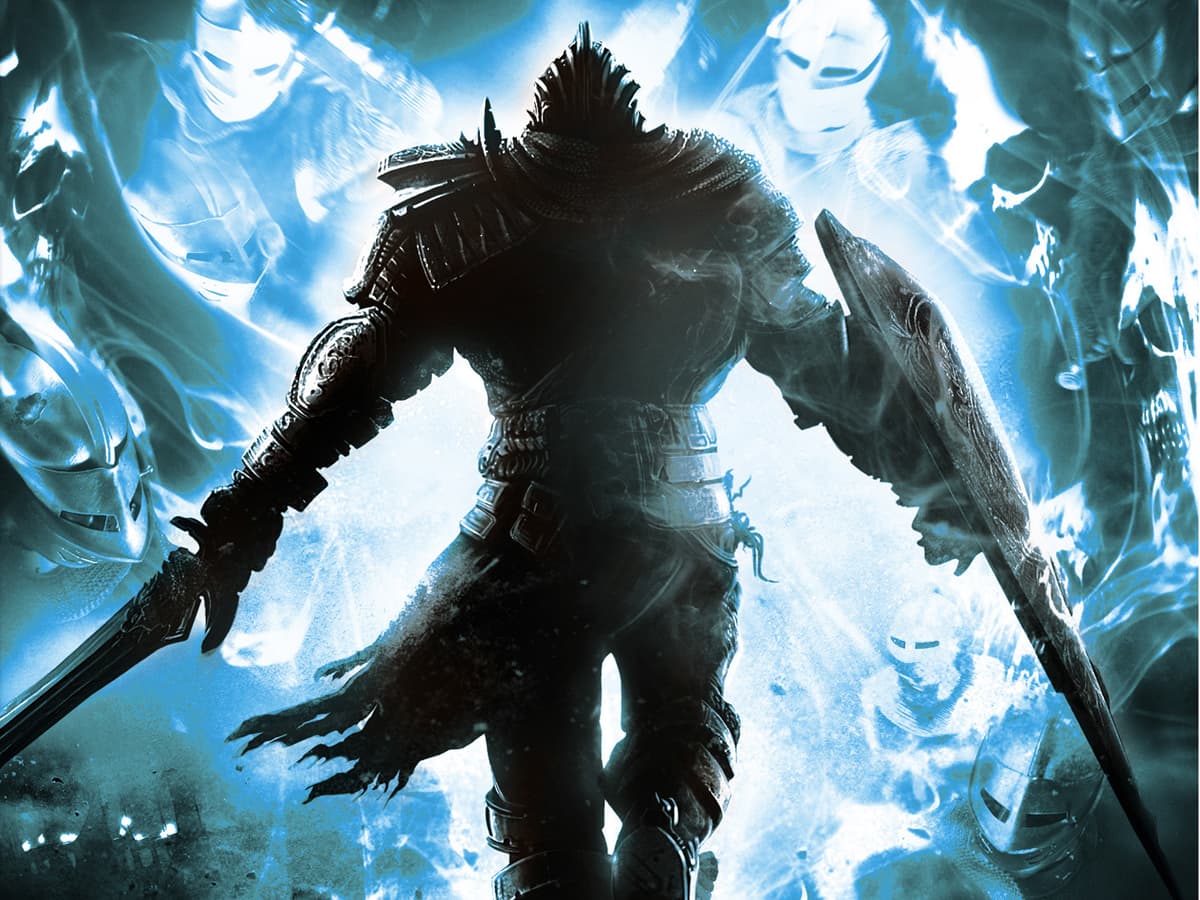
My first trip through Lordran was a disaster. I picked the wrong starting gift, swung a sword like it was a baseball bat, and spent two nights getting flattened by the Taurus Demon. But once Dark Souls clicks, it really clicks – and that “aha” moment is exactly why it still deserves a permanent seat on any all-time list.
People talk about the difficulty, but the real magic is the world design. That moment you kick down the ladder and realise the Undead Parish loops back to Firelink Shrine feels like discovering secret developer blueprints. The entire map is a knot of shortcuts and unseen connections, and the game trusts you to build a mental model of it without a dozen UI arrows screaming in your face.
The asynchronous multiplayer was another revelation. Messages that lied, bloodstains that promised disaster, phantoms flickering in and out of your reality – for a game that feels so lonely, it’s weirdly social. I still remember my first proper co-op session on Ornstein and Smough: two random summons, three strangers rolling around like idiots, and then that triumphant final blow where we all spammed “Well! What is it!” in silent celebration.
Dark Souls spawned a subgenre, sure, but the original remains special because of how stringent it is. No quest log, barely any explanations, NPC storylines you can completely miss. It’s rough around the edges compared to From’s later work, but its willingness to let you fail and discover things on your own is exactly why so many of us still can’t shut up about it.
6. Super Mario 64
I don’t think anything will ever replicate the feeling of pushing an N64 stick for the first time and seeing Mario respond with that perfect little half-step, then jog, then full sprint. Super Mario 64 isn’t just a launch title; it’s the moment 3D platforming figured out what it wanted to be, and honestly, a lot of games still haven’t caught up.
The thing that impressed me on replay years later, via the Switch collection, is how much the game trusts pure movement to carry it. Bob-omb Battlefield is basically an obstacle course playground: no timers, no lives anxiety, just you, experimenting with triple jumps, wall kicks, and that gorgeous long jump. Peach’s Castle hub is a level in itself, hiding secrets in paintings, ceilings, and even the moat if you’re nosy enough.
Yes, the camera can be a pain now, and some late-game levels flirt with pure cruelty (looking at you, Rainbow Ride), but when you’re flowing, nothing else feels like it. I remember chasing that damn rabbit MIPS around the basement for way too long and somehow not being mad, because the act of chasing him was fun in itself.
On any cross-era list that includes modern cinematic blockbusters, Mario 64 is a great reminder that mechanics are timeless. Good jump physics don’t age. A well-crafted playground doesn’t age. You can remaster textures all you want, but if moving around your world isn’t this satisfying, it’s not making my personal top tier.
7. Tetris (Game Boy)
When people talk about “pure game design,” I always mentally picture that chunky gray Game Boy and the Tetris theme burrowing into my skull on long car rides. This is the outlier on the list: no cinematic story, no open world, no RPG leveling – just falling blocks and the creeping anxiety of your own mistakes.
The Game Boy version in particular deserves the spotlight because of what it did for handheld gaming. The link cable battles were my first taste of multiplayer that felt competitive instead of chaotic. Two kids, two Game Boys, one increasingly smug grin as you dropped a perfect “I” piece and dumped four lines onto your friend’s screen. I’ve played fancier versus puzzle games since, but none have that same tight, readable clarity under pressure.
What keeps Tetris relevant in a world full of live-service timesinks is how brutally honest it is. When you mess up, you know exactly why. There’s no gear score to blame, no bad drop system – just your decision-making under time pressure. That’s why it’s so dangerously addictive: it always feels like you could do just a little better next time.
On an all-time list framed around “impact” and “enduring influence,” this is basically ground zero. Every score-chasing mobile game, every “one more run” roguelike owes something to that simple loop of survive, adapt, and clear just enough space to keep going.
8. Super Metroid
Super Metroid is one of those games where the opening five minutes tell you everything without a single heavy-handed tutorial. A quiet space station, a familiar threat, a narrow escape, then you’re alone on Zebes with only rain, ambient sound, and that unnerving sense that something is watching you. It’s 16-bit, but the atmosphere still hits harder than a lot of 4K horror games.
Mechanically, it’s the blueprint for an entire genre. Every time I play a new “Metroidvania” on Switch or PC, I can see the DNA: tightly gated abilities, smart use of backtracking, secrets hidden behind skills you didn’t even know you’d need when you first passed them. The difference is that Super Metroid keeps the fat trimmed. No collectible overload, no skill trees for the sake of it – just a focused toolkit that gets used in endlessly clever combinations.
One of my enduring memories is the final Mother Brain sequence and that last sacrifice – a moment that landed without voice acting, without a single line of text, just pure visual storytelling. Even as a kid, it stung. As an adult replaying it on later Virtual Console releases, it still did.
In a cross-generational “best of” conversation, Super Metroid earns its spot by showing how much you can do with tight level design, strong mood, and trust in the player’s ability to pay attention. It’s lean, it’s sharp, and every return trip to Zebes reminds me how bloated some modern games have become by comparison.
9. Minecraft
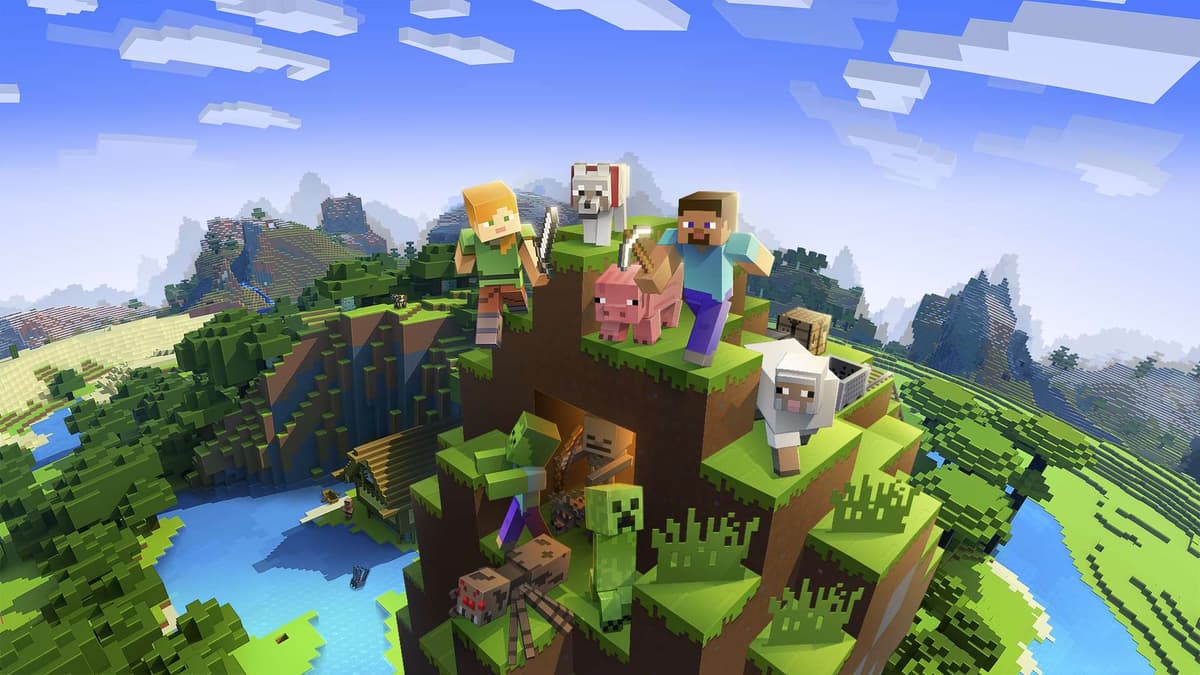
If influence is part of the criteria for “best ever,” then Minecraft is non-negotiable. I still remember my first night in survival mode on PC: punching trees like an idiot, slapping together a dirt hut, hearing that first creeper hiss behind me, and laughing in pure disbelief as my tiny base exploded.
What’s wild is how much this game manages with such simple pieces. Blocks, gravity, a day-night cycle, some basic crafting – and suddenly you’ve got an entire generation learning rudimentary architecture, logic circuits, and project management without realising they’re doing homework. I’ve watched friends build functional calculators with redstone and others spend weekends making cozy cabins on a private Realm. Both playstyles feel equally valid.
Minecraft also quietly predicted where a lot of modern gaming was going: endlessly updated, community-driven, platform-agnostic. I’ve played it on PC, Xbox, and Switch at this point, and the cross-play era means those “meet up after school in the same world” vibes never really went away – they just moved online.
On an all-time list that also honors tightly authored single-player epics, Minecraft is the counterweight: a sandbox that hands you the tools and says, “Go make your own story.” The number of memories people have tied to specific servers, worlds, and builds is staggering. Few games have ever been this flexible, this approachable, and this quietly formative.
10. Final Fantasy VII (1997)
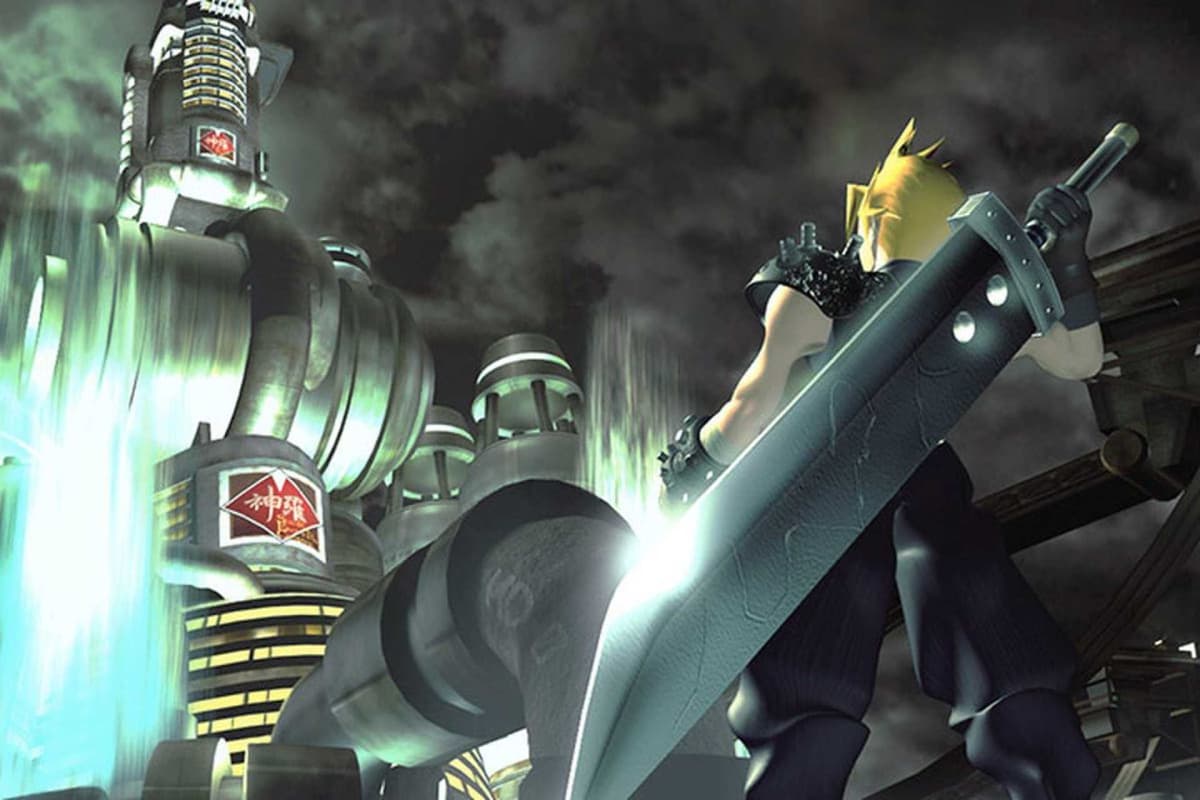
There’s a particular kind of late-90s magic in sliding Final Fantasy VII’s first disc into a PlayStation 1, watching that CG train cutscene, and then suddenly being in control of Cloud as the camera swoops down. It felt like film and game had finally merged into something new, even if the characters were basically Legos with spiky hair.
For a lot of us, this was the first time an RPG story really hit. Environmental terrorism, corporate dystopia, messy identity crises – Midgar set the tone for an adventure that was far more political and strange than the fantasy box art suggested. I still remember the gut punch of that one infamous moment in the Forgotten Capital, the abrupt silence of the soundtrack, and just staring at the screen, waiting for a resurrection that never came.
Mechanically, the Materia system might be my favorite flavor of JRPG buildcraft. Swapping spells and abilities between characters, comboing support Materia with offensive ones to break the game in fun ways – it encouraged experimentation without turning into a spreadsheet. By the time you’re breeding chocobos to get Knights of the Round, you’ve fully committed to the grind and somehow you’re happy about it.
The modern remakes are great in their own right, but the original still earns its all-time stripes. Janky pre-rendered backgrounds and all, it’s a snapshot of PlayStation-era ambition that changed what console RPGs were allowed to be outside Japan.
11. Portal 2
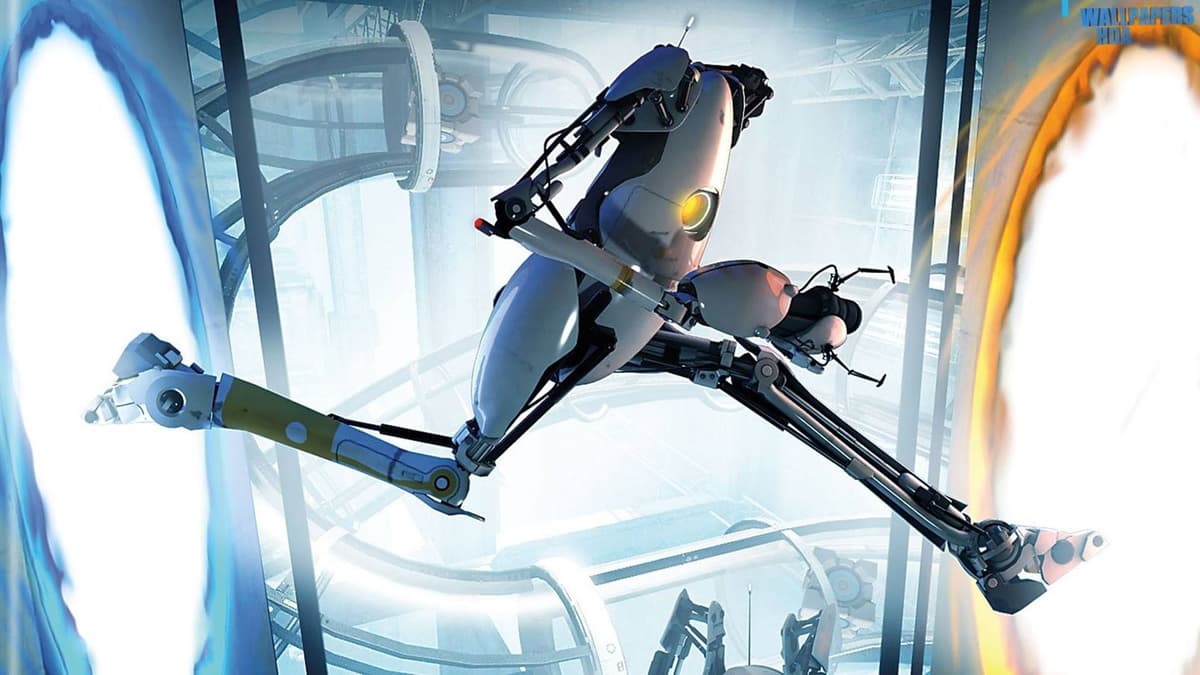
Portal 2 is one of the few games that’s made me stop mid-puzzle and just admire how elegantly it’s teaching me. No walls of text, no overbearing hint system – just level layouts that quietly nudge you toward the right conclusion, one “aha” moment at a time. It’s a masterclass in puzzle design disguised as a comedy about murderous science.
I played the first few hours on PC in one sitting, telling myself “just one more chamber” until the sun was coming up. GLaDOS’s insults, Wheatley’s incompetence, Cave Johnson’s absolutely unhinged voice logs – it’s legitimately one of the funniest games ever written, and the humor lands because the timing is so perfectly interwoven with the puzzles. Jokes hit hardest when you’re already focused and slightly stressed.
Mechanically, layering gels, light bridges, and excursion funnels on top of the original portal gun could’ve turned into chaos. Instead, each new element gets its own little “season” of levels, like a TV show building up a theme before combining them for the finale. By the time you’re surfing on repulsion gel through mid-air portals, you feel like you’ve earned that brain upgrade.
Co-op deserves its own shoutout, too. Few games have made me laugh as hard as watching a friend fling themselves into a pit for the fifth time while we tried to sync a launch. Portal 2 proves you don’t need an open world or a 100-hour runtime to feel “big” – you just need ideas this strong, executed with this much confidence.
12. Bloodborne
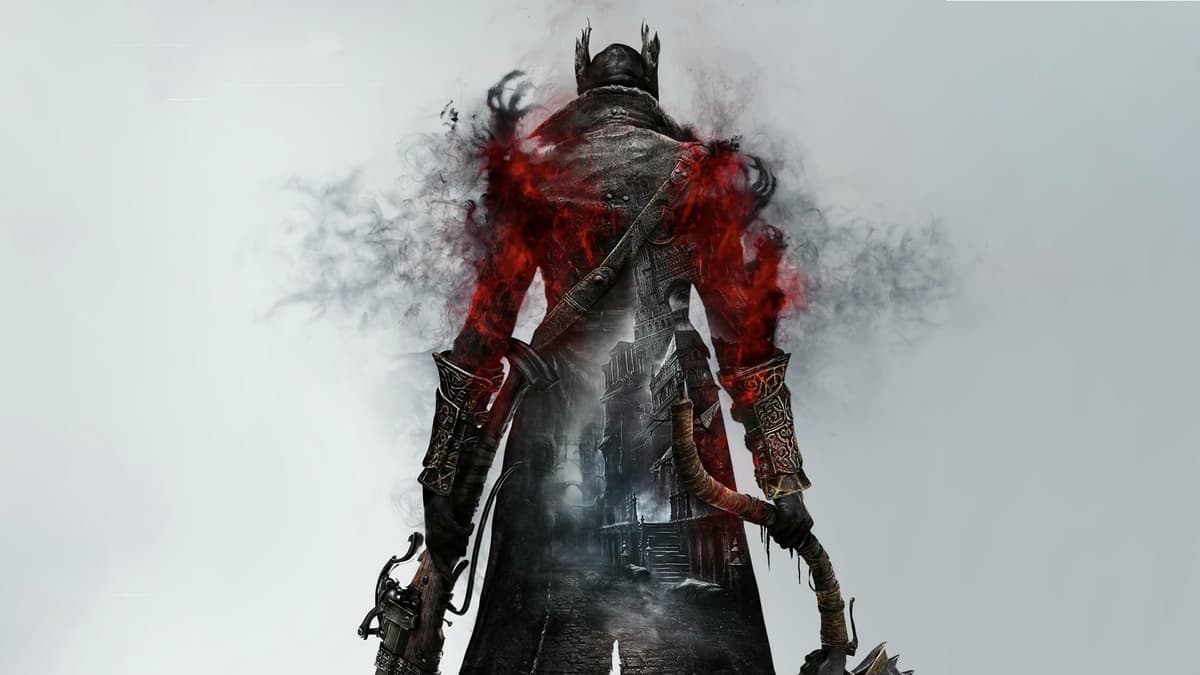
Bloodborne was the game that finally made me put down the shield. After years of turtling through Dark Souls, stepping into Yharnam on PS4 and realising the only way out was forward aggression was a genuine mindset shift. It’s still one of the tightest, most aggressive action games ever made, wrapped in a gothic horror aesthetic that hasn’t been matched.
The thing that hooked me wasn’t just the faster combat – it was the tone. You start off thinking this is a game about werewolves and plague doctors, and then, many hours and many cryptic item descriptions later, you realise you’re in a full-blown cosmic horror spiral. That moment you look up and finally see… well, them… perched above the cathedral is one of my favorite “oh no” reveals in any medium.
Mechanically, the regain system is genius. Take a hit, hit back fast to earn your health back – it’s an aggression incentive that instantly changes your instincts. Bosses like Father Gascoigne and Lady Maria aren’t just difficulty spikes; they’re skill checks making sure you’ve internalised that new rhythm. It took me an embarrassing number of attempts to beat the Orphan of Kos, but when it finally died, I genuinely had to set the controller down and just breathe.
People have been begging for a native PS5 or PC version for years for a reason. Even locked at 30fps, Bloodborne feels singular – a nightmare you keep willingly walking back into. On any all-time list that values both mechanics and mood, it’s an easy yes.
Closing Thoughts: One List, Dozens of Lifetimes
Looking at these 12 next to something sprawling like Dexerto’s top 100, I’m reminded how impossible it is to nail down a “true” canon. There’s no universe where you can neatly rank Tetris against The Witcher 3, or decide if Mario 64 mattered “more” than Bloodborne without bringing your own history to the table.
But that’s exactly why these debates are fun. These games span cartridges, CDs, DVDs, digital downloads, multiple console generations, and an age where we patch and update everything forever. Yet when I think about why they’re here, it comes down to a handful of simple questions: Did they change how we make games? Did they change how we play games? And are they still worth your time today, without a nostalgia asterisk?
For me, every game on this list is a loud “yes” on all three. You could build a pretty compelling personal gaming history just by playing these 12 start to finish – from 8-bit simplicity to sprawling modern epics. And if Dexerto’s new ranking nudged you into revisiting some old favorites or trying a FromSoftware game for the first time, all the better. Just don’t be surprised if, a few years from now, you’re making your own list and arguing just as hard for whatever comes next.
FinalBoss // Gear
Level up your setup
01Top-rated gaming headsetson Amazon→02High-refresh gaming monitorson Amazon→03Gaming chairson Amazon→04Discounted game keyson Kinguin→Affiliate links · As an Amazon Associate, FinalBoss earns from qualifying purchases.
Want to Level Up Your Gaming?
Get access to exclusive strategies, hidden tips, and pro-level insights that we don't share publicly.
Ultimate Top Strategy Guide + Weekly Pro Tips