
Table of Contents (15)
Why these 12 Switch 2 games actually matter right now
The Switch 2 has quietly shifted from “nice potential” to “okay, this is a serious platform” faster than I expected. Between brand‑new Nintendo experiments and a handful of wild third‑party ports, the system’s library now includes titles that genuinely change what the console feels like to own and play.
This list gathers 12 standout games as of March 2026 — a mix of GamePro’s high scorers and a few picks I think round out the library. I ranked them using three practical criteria so you can see why each pick matters for the Switch 2 specifically:
- Exclusives vs. ports: does it feel built for the Switch 2, or like a compromised afterthought?
- Performance: frame rate, resolution, loading and any visual upgrades (I’ll note when a developer has called out specific targets).
- Play feel: moment‑to‑moment gameplay, co‑op (cooperative multiplayer) options, and how it fits handheld vs. docked sessions.
Some of these are obvious — yes, Donkey Kong really is that good — and some are niche. All of them demonstrate a different side of what the Switch 2 can do in 2026.
- Switch 2 finally has system‑defining exclusives (Donkey Kong Bananza) and confident ports (Cyberpunk, Star Wars Outlaws).
- Many ports strike a pragmatic balance: trimmed assets but stable frame rates and shorter load times that make handheld play viable.
- If you value portability, co‑op and hybrid play more than raw pixel counts, the Switch 2 library justifies buying or switching over.
1. Donkey Kong Bananza
Donkey Kong Bananza is the first Switch 2 game that had me thinking, “Yep—this couldn’t have shipped on the old hardware.” It’s only the second time Donkey Kong has led a full 3D platformer (as the main star), and Nintendo clearly packed it with ideas. The premise is goofy in the best way: you and a young Pauline venture toward the planet’s core to make wishes come true while a corporate antagonist—the Void Company—tries to cash in. The tone sits between the whimsy of Mario Galaxy and the sense of wide‑open adventure in Odyssey.
What separates Bananza is how interactive the levels are. You’re not just moving from A to B; you’re actively reshaping environments—tearing down structures, rerouting lava flows, smashing through jungle canopies and discovering new paths. Every zone adds a mechanical twist—shifting gravity, fluid physics, destructible set pieces—so platforming constantly feels fresh. Bananza transformations (think powerful temporary forms) bring back the wild suit energy of the old 3D Mario experiments without feeling like nostalgia for nostalgia’s sake.
- Exclusives vs. ports: Full first‑party build—feels designed around Switch 2 controls and handheld ergonomics.
- Performance: Clean visuals, stable performance and fast loading both docked and handheld; GamePro gave it a 95/100 in a recent roundup.
- Play feel: Joy‑Con 2 support and local co‑op that lets a second player chain abilities; the moment‑to‑moment is joyful and often surprising.
There’s a reason Bananza shows up at the top of lists: it’s the first Switch 2 exclusive that really exploits what the hybrid can do for design, not just power. If you want a showcase first‑party title that argues the system’s upgrade was worth it, this is it.
2. Hollow Knight: Silksong
Silksong arrived with enormous expectation after the original Hollow Knight’s cult success, and the Switch 2 version leans into verticality and speed. Playing as Hornet in Pharloom feels sharper: her expanded moveset emphasizes agility and aggression, and level design matches that tempo with layered arenas, spike climbs and shortcuts that reward experimentation.
On Switch 2 the port aims for a rock‑solid 60 frames per second in both docked and handheld modes, and that makes a noticeable difference in frantic boss encounters where frame stability matters. The higher rendering clarity accentuates the art: Pharloom’s bug cities and fungal biomes pop more than they did on older hardware. There’s also a Switch 2‑exclusive co‑op side mode focused on bug‑hunting (a chill, optional way to explore with a friend) that doesn’t change the single‑player narrative but expands how you can experience the world.
- Exclusives vs. ports: A third‑party port that feels carefully tuned for Switch 2—minimal compromises to core gameplay.
- Performance: Targets 60 fps; the smoother frame rate helps in boss fights and platforming precision.
- Play feel: Fast, tight combat and exploration; especially strong for handheld players craving quick runs or intense boss practice.
It’s not flawless—late‑game balance and pacing bugs have been noted by some players—but for anyone who wanted Hornet’s world to feel responsive and portable, this is arguably the best way to play Silksong.
3. Cyberpunk 2077 (Switch 2 edition)

If you’d told me in 2020 that I’d play a ray‑traced version of Cyberpunk on a Nintendo handheld, I’d have laughed. Yet the Switch 2 edition bundles the updates and the Phantom Liberty expansion into a genuinely playable, portable Night City. Quick note: ray tracing is a lighting/rendering technique that simulates realistic reflections and global illumination to make scenes look more lifelike—it’s often expensive, so seeing it on a hybrid is notable.
CD Projekt RED’s tech breakdown for the Switch 2 version notes that the build includes ray‑traced reflections and a dynamic approach to resolution to keep performance smooth. In handheld, the edition focuses on clarity and responsiveness—developers have discussed targeting higher handheld frame rates than earlier portable attempts. The result is a version that feels good to play: shooting and driving are responsive, quickhacks work cleanly, and the suite of quality‑of‑life improvements over the original 2020 release are all present.
- Exclusives vs. ports: A third‑party port that’s surprisingly ambitious; clearly engineered to try and preserve the core RPG experience on a hybrid.
- Performance: Developer technical notes highlight ray‑traced effects in docked and a performance focus in handheld; expect some texture pop‑in compared to high‑end PC builds.
- Play feel: Night City as a portable sandbox is an odd delight—perfect for burst sessions and surprisingly comfortable for long playthroughs.
If you’ve never played Cyberpunk, the Switch 2 version now offers a credible, portable take. If you’ve completed it elsewhere, this ports adds novelty: a huge, choice‑heavy RPG you can play on a train or in bed without relying on streaming.
4. Kirby Air Riders
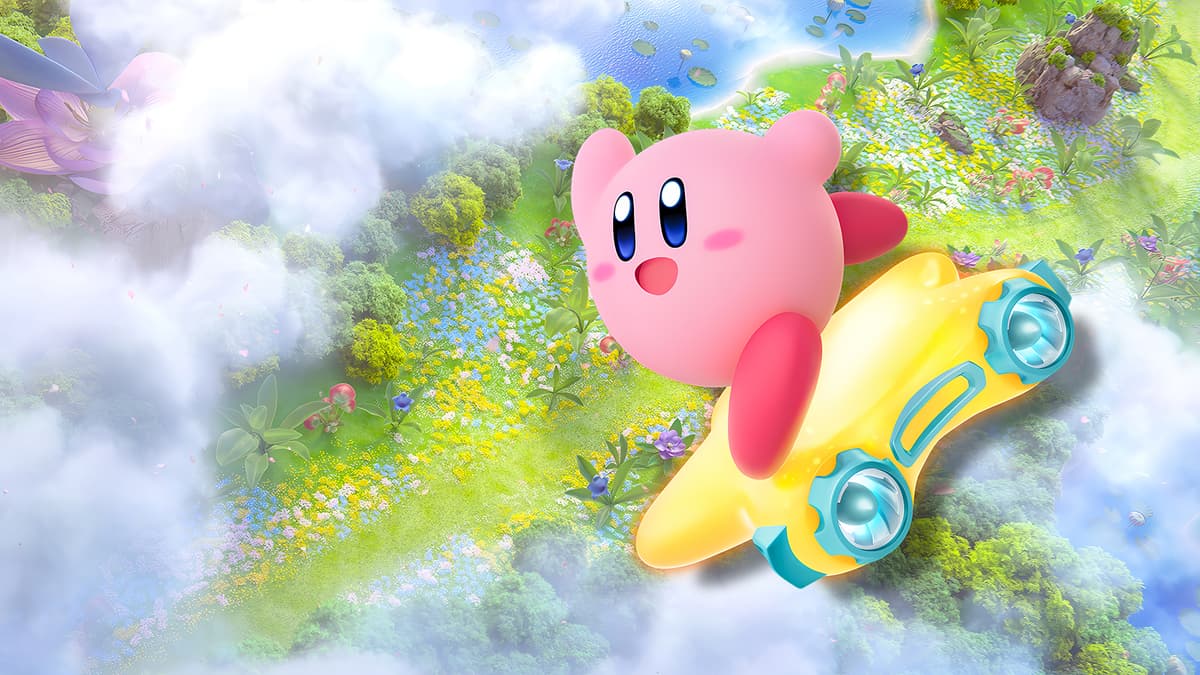
The GameCube cult favorite Kirby Air Ride was always a divisive oddball—half racer, half party brawler. This sequel on Switch 2 keeps the oddball spirit and fixes almost every complaint. There’s now a proper single‑player campaign instead of a loose collection of mini‑modes, and vehicle and rider variety is huge: dozens of machines with distinct handling, acceleration and combat quirks give the game real depth beyond the first five minutes of chaos.
The design aligns more with Smash Bros. energy than Mario Kart: speed, aerial maneuvers and player‑to‑player combat are central. A revamped City Trial/Battle Royale style hub is dense with events, hidden routes and short challenges, and it scales cleanly between local and online lobbies. Technically, the game holds 60 fps even in full madness, and the clean, colorful art sings at the higher resolution the Switch 2 can sustain. It’s the kind of “show this to your friends” title that benefits from the system’s responsiveness and local multiplayer strengths.
- Exclusives vs. ports: First‑party sequel that feels unapologetically Nintendo—built for local chaos and show‑off moments.
- Performance: Stable 60 fps racing with a full field; visuals favor clarity and readability over photorealism.
- Play feel: Fast, floaty, and extremely social—best with friends in the room but solid online too.
Kirby Air Riders is a perfect example of what the Switch 2’s design philosophy can enable: not raw fidelity, but the horsepower to let designers lean into big, expressive ideas.
5. Mario Kart World
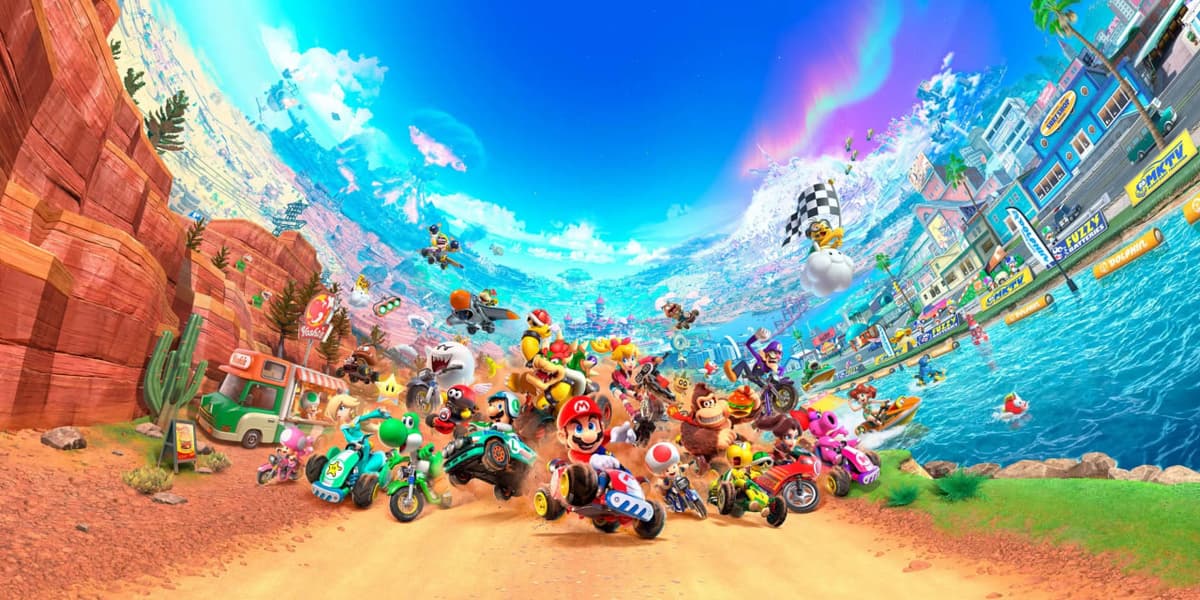
Turning Mario Kart into an open hub was always going to divide opinions. Mario Kart World’s “World” map—an interconnected overworld where you discover events and races—sometimes feels like filler when side challenges lean toward collectathons and quick sprints that don’t always deliver. That said, the core racing is peak Mario Kart: crisply tuned handling, satisfying drift chains and a new trick/grind system that turns tracks into multi‑layered playgrounds for skilled players.
Some of the best tracks play like skateparks for racers, with grind rails and alternate routes that reward mastery and creativity. Nintendo has also patched the World map to make navigation less clumsy, and the K.O. Tour mode (an elimination‑style party mode) is pure social chaos—exactly what you want for a full living room. Switch 2’s boost is mostly at the level of smoother performance, higher resolution and more stable multiplayer; it’s not a hardware showcase like Bananza, but it’s the party staple the console needs.
- Exclusives vs. ports: Full first‑party evolution—more experimental than incremental.
- Performance: Higher resolution and fewer frame drops in hectic multiplayer than previous console iterations.
- Play feel: Tight racing fundamentals with new traversal toys; shines in local multiplayer sessions.
World doesn’t always stick the landing on every idea, but when it does, it feels fresh and incredibly fun—especially if you play locally with friends.
6. Split Fiction
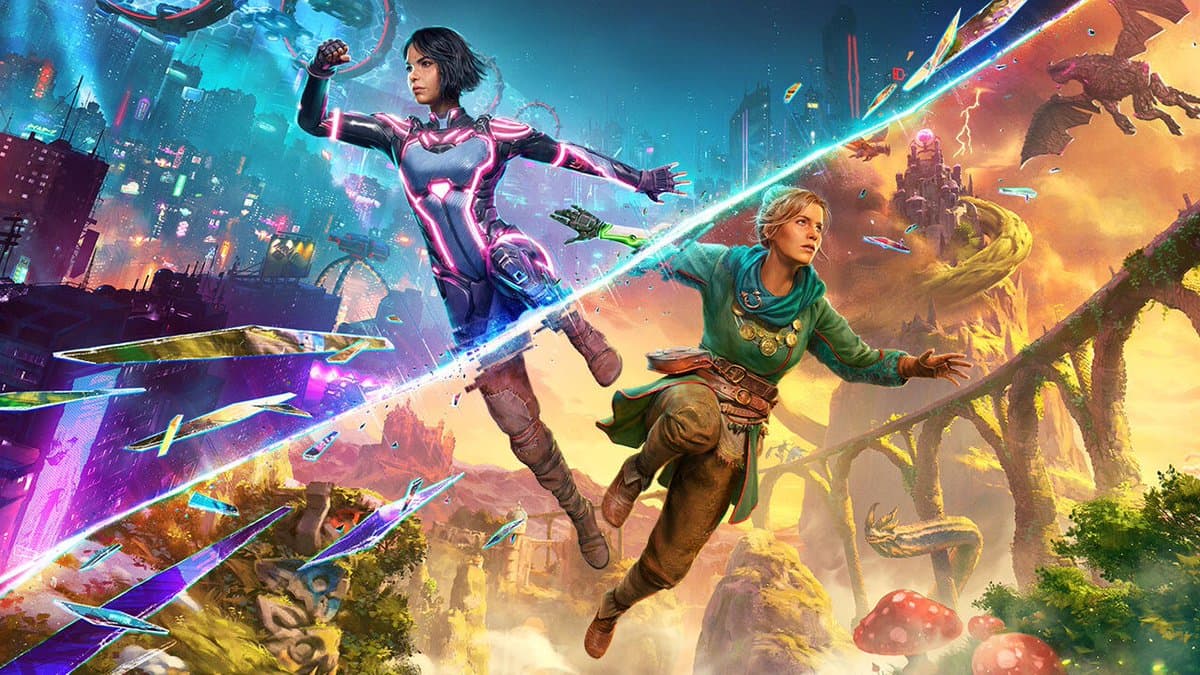
Hazelight has a clear niche: long, cooperative games where the play mechanics evolve constantly. Split Fiction doubles down in the best possible way. You control two authors, Zoey and Mia, who volunteer for a device that lets them step into their own stories. Predictably, something goes wrong, narratives collide, and you hop between genres—noir detective, sci‑fi shooter, storybook platformer—while stitching the plot back together.
Mechanically, Split Fiction is a masterclass in variety. One segment leans on asymmetric information—one player sees clues the other doesn’t—while another turns into a twin‑stick shootout with split abilities. Elsewhere, flipping pages literally shifts level layouts. Hazelight’s pacing chops up ideas into bite‑sized acts so nothing overstays its welcome, and Friend Pass‑style support keeps co‑op approachable: one copy lets two players join locally or online.
- Exclusives vs. ports: Not an exclusive, but optimized for Switch 2 with Friend Pass convenience for co‑op.
- Performance: Some texture and resolution compromises compared to PS5/PC, but frame rate holds in critical sequences.
- Play feel: Constantly inventive co‑op moments—best experienced with someone beside you or a good internet connection for online play.
It isn’t flawless visually on Switch 2, but the design keeps your attention. If you co‑op regularly, Split Fiction belongs on your shelf.
7. Assassin’s Creed Shadows
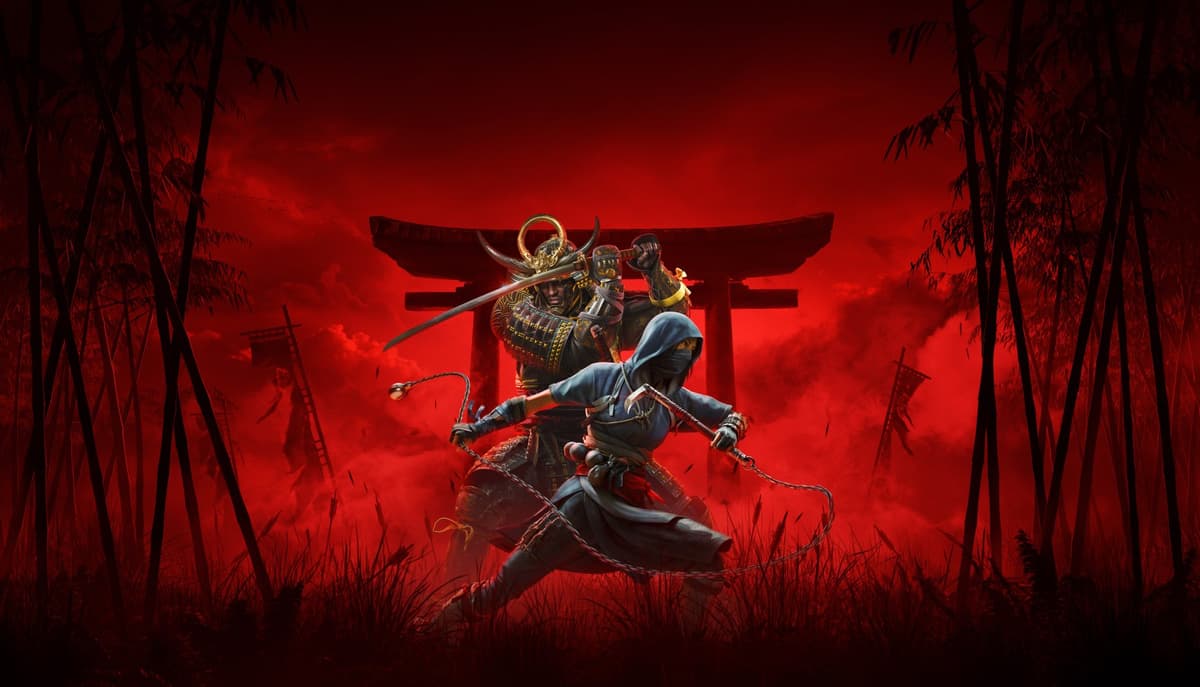
After some bloated recent entries, Assassin’s Creed Shadows feels like a purposeful course correction. The feudal Japan setting was a long‑time fan wish, and Ubisoft uses it to explore two contrasting protagonists: Naoe, a stealth‑focused shinobi, and Yasuke, a Black samurai whose presence complicates social dynamics. The dual‑perspective approach refreshes the series’ rhythms—Naoe leans into subtle infiltration while Yasuke brings weightier combat and spectacle.
Design‑wise, Shadows trims open‑world bloat while keeping the series’ familiar systems—contracts, side activities and base upgrades—present and useful. The Switch 2 port trims assets and uses dynamic resolution/scaling to keep performance serviceable; visually it won’t match PS5 or Series X, but the hybrid form factor adds an obvious convenience: you can gut a contract or squeeze in a quest while commuting, then dock for major story beats.
- Exclusives vs. ports: Big Ubisoft release ported to Switch 2—not first‑party, but thoughtfully adapted for hybrid play.
- Performance: Dynamic resolution and reduced asset density keep gameplay steady; visual compromises are noticeable compared to high‑end versions.
- Play feel: Better fit for bite‑sized sessions on handheld; the dual narrative gives you two distinct ways to replay sections.
If you’ve been burned by recent AC fatigue, Shadows is a practical re‑entry point—less pretty than other platforms, but more flexible in how you play.
8. Star Wars Outlaws
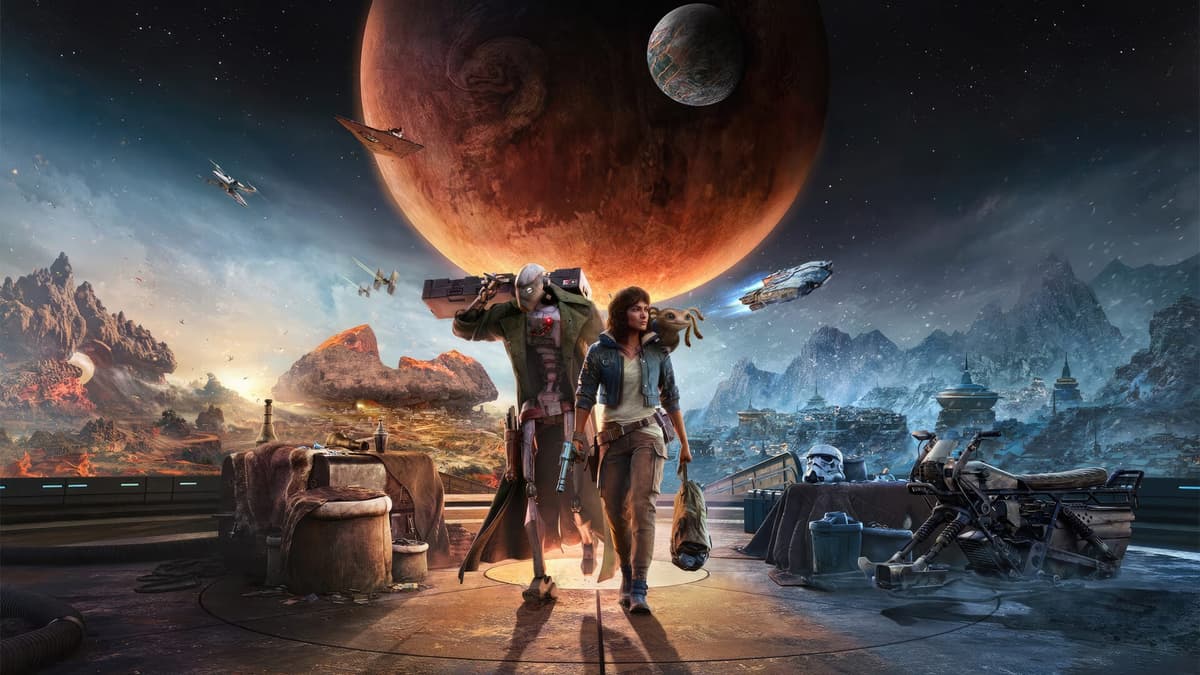
Star Wars Outlaws gives us a different kind of Star Wars story: not another Jedi epic but a street‑level caper. You’re Kay Vess, a thief working through syndicates and heists between The Empire Strikes Back and Return of the Jedi. The story is grounded and the setting—the scummy, lived‑in corners of the galaxy—feels new in the modern Star Wars game space.
The Switch 2 port is an impressive technical effort. Ubisoft’s development notes and player analysis point out that the hybrid build includes ray‑traced effects in docked mode and targets a higher performance tier than the console’s previous generation ports. There are trade‑offs—texture detail and streaming fidelity are reduced compared to PS5/Series X—but the volume of content and the nuanced worldbuilding survive the downshift. Moment‑to‑moment gameplay—stealth, small‑scale combat, exploration—benefits from being handheld; knocking out a quick contract while on the go fits the game’s pacing.
- Exclusives vs. ports: Major third‑party open world brought to Switch 2—feels like a careful port rather than a lazy downscale.
- Performance: Docked mode includes some advanced effects; expect compromises in texture fidelity and occasional streaming hitches.
- Play feel: A great handheld companion for bite‑sized missions; full story beats are better docked for immersion.
If you enjoy open worlds and Star Wars without lightsabers at the center, Outlaws is one of the more successful translations of that formula to a hybrid console.
9. Fantasy Life i
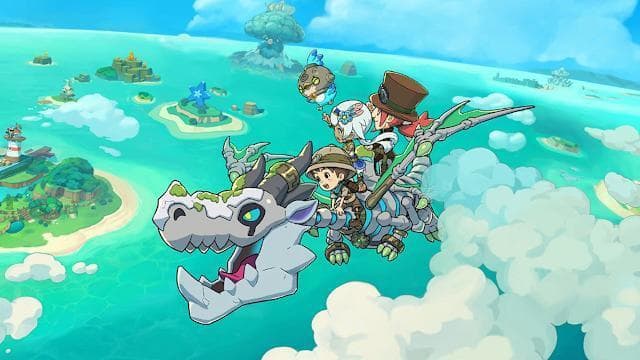
Fantasy Life on 3DS grew a devoted audience because it blended life sim comforts with light action RPG loops. Fantasy Life i on Switch 2 scales that idea into a modern hybrid package: 14 “Lives” (think jobs or classes) let you play as everything from Mercenary and Mage to Woodcutter and Angler. The loop—fight, craft, gather, customize and repeat—remains the core pleasure.
The Switch 2 version pushes multiplayer more strongly: up to three friends can drop in to run jobs together, and Level‑5’s updated systems add features like animal taming that feel like natural extensions. Graphically it keeps things clean and readable rather than chasing flashy effects, and that design choice plays to the platform’s strengths—short bursts, steady frame rates, and pleasing visuals in handheld mode. Level‑5 documentation notes a March 2026 launch for this refreshed edition.
- Exclusives vs. ports: Native reimagination of a previous Nintendo handheld hit—designed to feel at home on Switch 2.
- Performance: Stable, readable visuals and fast load times; not pushing the hardware but optimized for playability.
- Play feel: Cozy, addictive loops that work great in handheld; strong online and local co‑op support.
If you want something lower‑stress that still rewards progression and social play, Fantasy Life i is a quiet winner on the system.
10. Super Mario Bros. Wonder (Switch 2 Edition)
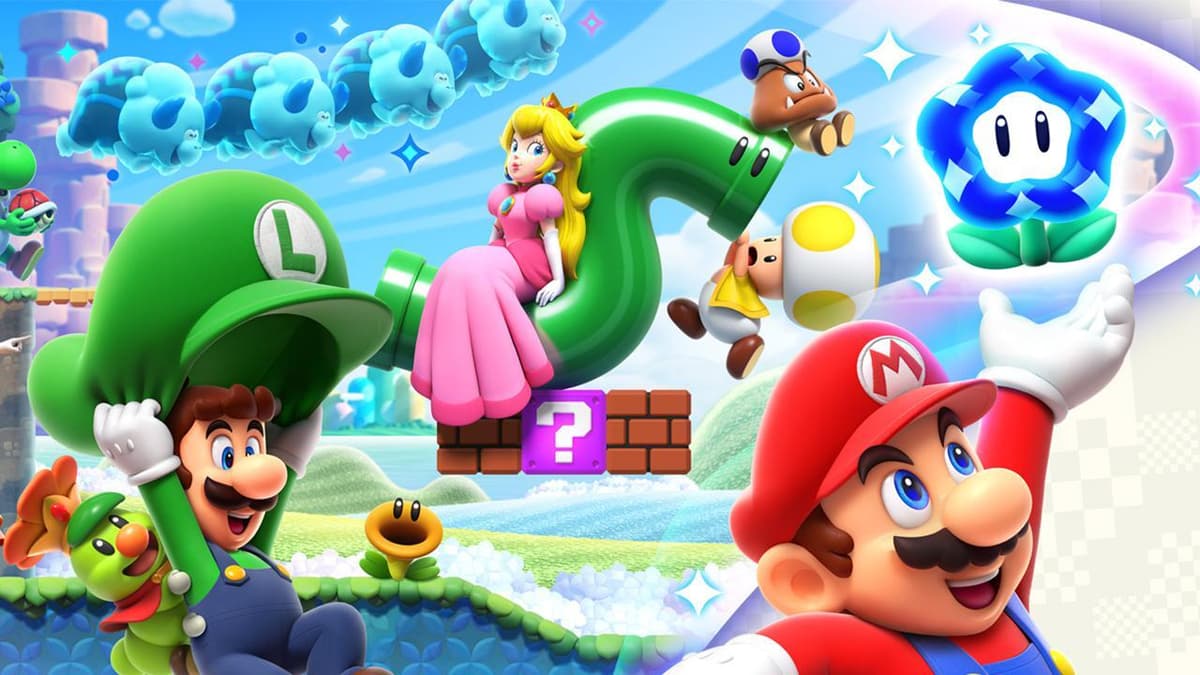
Super Mario Bros. Wonder originally released on the original Switch, but the Switch 2 edition is the one I’d hand to someone buying into the system now. Wonder excels at short, surprising moments: Wonder Flowers can trigger all sorts of level‑shape chaos—stampeding enemies, singing plants, sudden perspective flips—that keep the platforming fresh.
The Switch 2 upgrades are practical: higher resolution, cleaner anti‑aliasing and improved online stability make chaotic multiplayer moments readable. Performance improvements reduce the slight input lag some players noticed on older hardware, which matters in tight platforming. Wonder is perfect for short sessions—knock out a couple of levels on the commute, then dock for late‑game worlds when you’ve got more time.
- Exclusives vs. ports: First‑party Mario 2D design—this edition is the definitive way to play on Switch hardware.
- Performance: Visual polish and improved stability in multiplayer on Switch 2; smoother input handling.
- Play feel: Perfect for short runs and social play; level surprises keep it feeling new even after dozens of runs.
Wonder isn’t trying to wow with raw horsepower; it uses what the Switch 2 offers to make an already excellent game even easier to enjoy anywhere.
11. Kena: Bridge of Spirits (Switch 2 Edition)
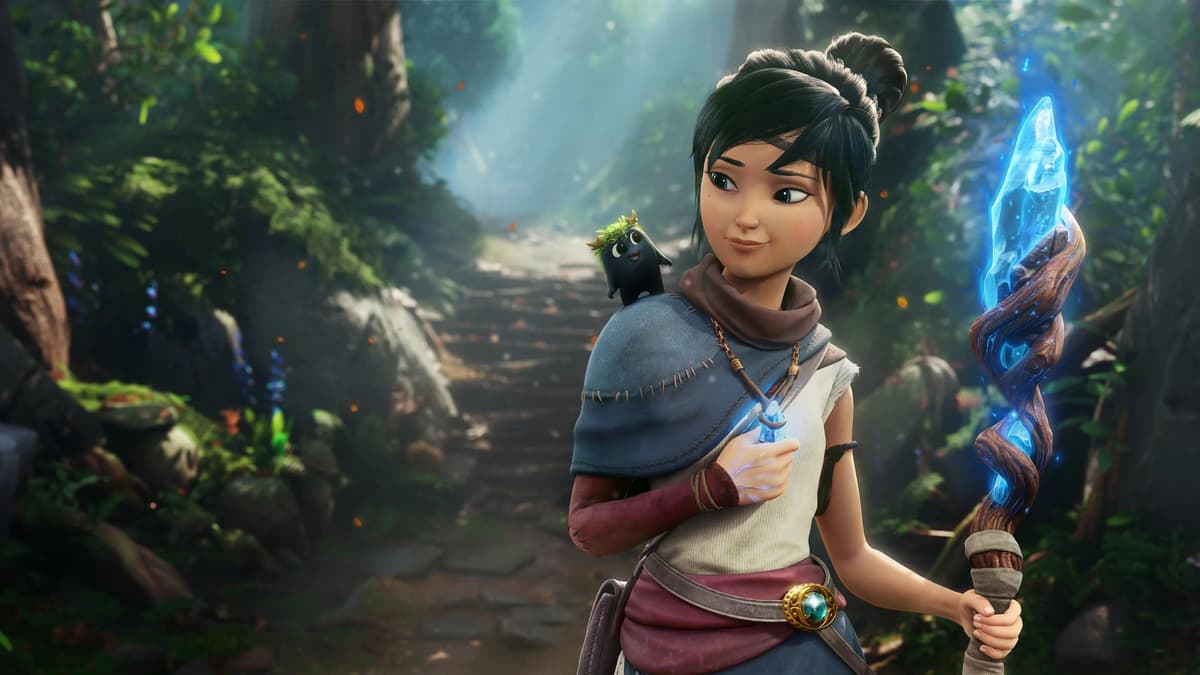
Kena has always been one of those “playable animated movie” games—stunning animation, heartfelt characters and a classic action‑adventure skeleton underneath. The Switch 2 edition bundles DLC and New Game Plus, so you’re not losing content by choosing Nintendo’s hybrid. Visual compromises versus PS5 show up—less dense foliage, simpler shadowing—but the art direction survives the translation.
More importantly, combat and traversal feel tighter at the higher performance target the Switch 2 allows. Shorter load times and a higher stable frame rate keep deaths from feeling punishing during tough bosses. Kena on Switch 2 is the option for players who want a visually striking solo adventure and the chance to play it portably without too many sacrifices.
- Exclusives vs. ports: Third‑party action‑adventure port that preserves the narrative and core gameplay while trimming some visual fidelity.
- Performance: Includes DLC and NG+; visual fidelity reduced but performance prioritized for smooth encounters.
- Play feel: A good fit for players who enjoy story‑heavy single‑player games and want to play them on the go.
Kena on Switch 2 isn’t the top technical showcase here, but it’s arguably the most faithful portable version of its kind on the market.
12. Monster Hunter Stories 3
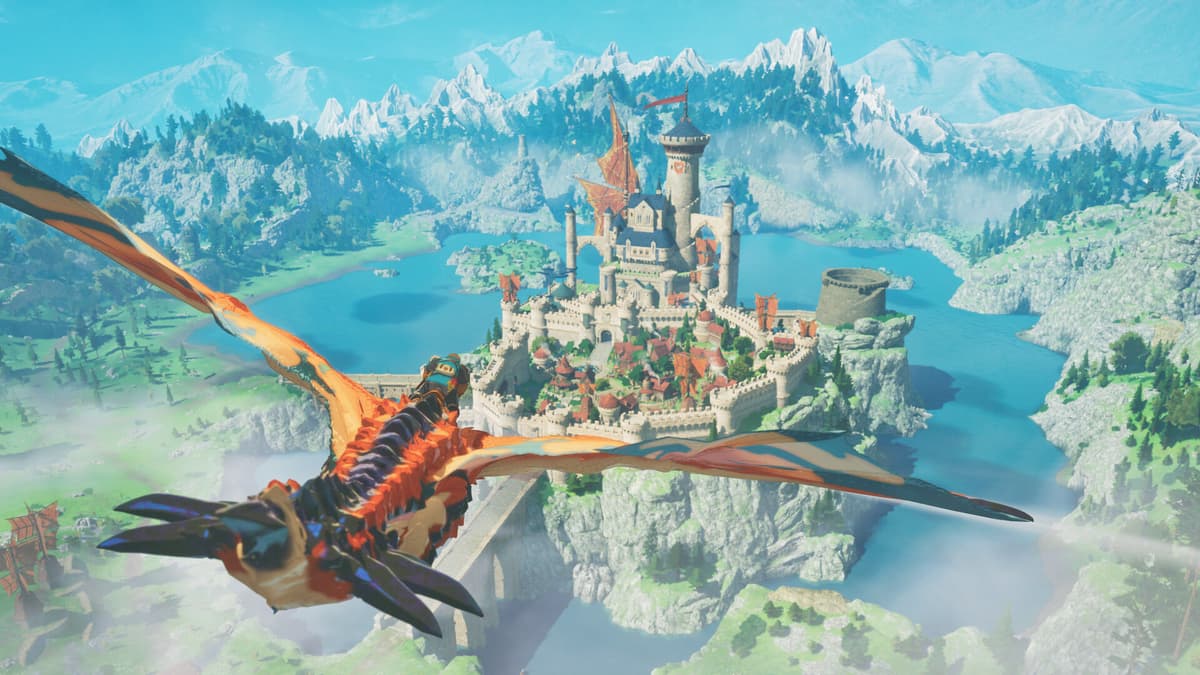
Monster Hunter Stories has always been the JRPG‑leaning cousin to Capcom’s hunting series—turn‑based battles, monster raising and a story about Riders rather than Hunters. Stories 3 on Switch 2 embraces that identity, with livelier towns, denser fields and crisper monster models that reflect the higher hardware ceiling.
The core pleasures—raising Monsties, exploring semi‑open regions and pairing up in co‑op quests—translate well to the hybrid format. Battles run cleanly, and the visual upgrades let the Saturday‑morning anime aesthetic feel closer to players’ memories. As a long‑form handheld RPG that benefits from sleep mode and co‑op, Stories 3 feels purpose‑built for the Switch 2 lifestyle.
- Exclusives vs. ports: First‑party or close‑partner title that leans into handheld strengths.
- Performance: Higher‑res models and steady frame rate under typical encounter loads; not a flashy technical showpiece.
- Play feel: Long, cozy RPG loops; co‑op den quests add a social endgame incentive.
If turn‑based monster collecting is your thing, Stories 3 is exactly the kind of steady, long‑lasting handheld RPG that justifies owning a hybrid.
Where the Switch 2 library stands now
Across these 12 games you can see why the Switch 2 has found its footing. First‑party experiments like Donkey Kong Bananza and Mario Kart World push Nintendo’s series in new directions, indies and AA titles like Silksong and Kena still deliver strong single‑player and portable experiences, and heavyweight ports like Cyberpunk and Star Wars Outlaws prove that current‑gen single‑player sandboxes can work on a hybrid without leaning exclusively on cloud streaming.
There are still obvious trade‑offs versus PS5 and Xbox in raw fidelity and asset density. But if you care as much about where and how you play as you do about pixel counts—if portability, co‑op and hybrid convenience matter—the Switch 2 finally has a library that can justify the upgrade or make it the console you actually reach for most days.
Conclusion
The Switch 2’s early library shows it’s no longer just promising hardware; it’s a practical platform with first‑party highlights, thoughtful ports and strong co‑op offerings. If you prize portability and inventive game design over the absolute highest fidelity, these 12 games make a solid case for why the Switch 2 matters right now.
FinalBoss // Gear
Level up your setup
01Best-selling Switch 2 gameson Amazon→02Switch 2 accessorieson Amazon→038BitDo controllerson Amazon→04Discounted game keyson Kinguin→Affiliate links · As an Amazon Associate, FinalBoss earns from qualifying purchases.
Want to Level Up Your Gaming?
Get access to exclusive strategies, hidden tips, and pro-level insights that we don't share publicly.
Ultimate Top Strategy Guide + Weekly Pro Tips