
12 Soul Knight Heroes That Actually Carry Runs In 2026
Soul Knight’s hero meta has shifted twice this year. The 8.0 anniversary update added Yin-Yang Adept and Arms Expert, then 8.5 (Escape from Monkia) buffed both of Assassin’s unlockable skills, handed Inter-dimension Traveler a brand-new second skill and reworked Special Forces and The Beheaded. I’ve spent the summer rerolling rooms with every hero that looked remotely viable, and this is the lineup that consistently carries full runs on the current build.
Updated 14 September 2026 for Soul Knight v8.5.1 (the 8.5 “Escape from Monkia” build; v8.6.0 lands 21 September with a Physicist third skill and a Priestess skill tune-up, neither of which touches the heroes below).
Table of Contents (15)
Quick answer: the three heroes to main right now
If you only want one pick, take Costume Prince with his third skill, King Violet: the Battle Valor state boosts attack speed, damage and crit, shrugs off control effects and lets you stay transformed through most of a floor, which is why r/SoulKnight calls it the strongest skill in the game. Yin-Yang Adept is the best hero you can play from room one, because Duskbell Talisman and Dawnflare Fist give her homing damage, a dash and a cooldown reset in a single kit. Paladin is the safest: 8 armor and an Energy Shield that absorbs all damage make him the hardest hero on this list to actually lose a run with.
Soul Knight hero tier list at a glance (v8.5.1)
| Tier | Heroes | Why |
|---|---|---|
| S | Costume Prince, Yin-Yang Adept, Paladin, Arcane Knight, Inter-dimension Traveler, Sword Master, Assassin | Built-in immunity or damage reduction plus enough damage to end rooms on their own |
| A | Taoist, Engineer, Knight, Robot | Reliable full-run clears, but the ceiling depends on your weapon rolls |
| B | Vampire | Great sustain in regular rooms, weaker against burst-heavy bosses |
The numbered entries below are not a strict one-to-twelve ranking, so use the table as the verdict and the entries for the why. Stats are base values from the in-game character sheet; skill cooldowns in brackets are the upgraded values.
1. Yin-Yang Adept
Yin-Yang Adept is the hero that finally made Soul Knight feel unfair in my hands. She arrived with the 8.0 anniversary update, costs $1.99, and starts with 5 HP, 5 armor and 180 energy, which is already a comfortable statline before you touch the kit.
The kit is two moves on two buttons. Duskbell Talisman launches a spread of homing talismans (3 at base, 6 upgraded) that stick to enemies and mark them; once your Yin energy climbs past 50 you throw extra talismans, and at 100 the next cast recalls everything into a talisman storm of 15-plus projectiles that orbit her before returning. Dawnflare Fist is the other half: an eight-tile dash that ends in a whirlwind of AoE damage, and if the dash connects with a marked enemy it triggers a bigger explosion and refreshes the cooldown.
That loop is what carries runs. Mark the room with talismans, dash through the densest pack, watch the marks detonate, dash again because the cooldown just reset. Both moves give a short movement-speed boost on cast, so you are constantly repositioning instead of standing in bullet patterns. Give her any ranged weapon with a decent fire rate and Duskbell Talisman adds extra talismans to every burst you fire during the skill, so the damage ramps from strong to ridiculous once skill-damage buffs show up.
Plenty of heroes hit hard, but very few let you control entire rooms while moving this freely. Yin-Yang Adept sits at the top because she compresses crowd control, damage and mobility into one kit that thrives with almost any weapon. If you want a main that makes every floor feel a bit more forgiving, this is the pick.
2. Arcane Knight
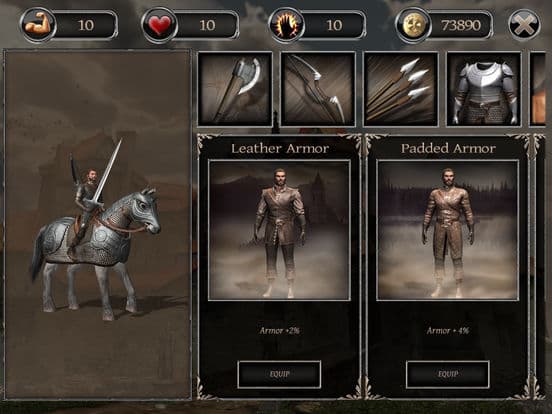
If Yin-Yang Adept is about movement, Arcane Knight is about turning whatever weapon you are holding into a spell. He costs 6,000 gems, starts with 4 HP, 4 armor and 200 energy, and carries the Banishing Staff as his starter weapon.
His first skill, Power Burst, is a chargeable cast whose form changes with the weapon type you carry: a bullet-style burst that grows in size and damage as you charge (10 damage per bullet at full charge), a wide melee-style scratch that hits a five-tile semicircle for 20, or a laser-style beam that ticks for 8. If you are holding a charged weapon, the spell charges and releases together with your attack, so you never have to stop firing to use it.
The second skill, Aegis Circle, is what sold me. Hold to mark a location, release to teleport there and drop a circle that damages everything inside until you leave, while you and any allies standing in it gain up to 6 temporary armor. That is a blink, a damage zone and a shield in one button, and in co-op it is a lifesaver for squishier teammates.
Arcane Knight earns the second slot because he achieves that rare balance of feeling tanky without being sluggish and explosive without being paper-thin. Post-8.5 community tier lists have him in S alongside Sword Master and Assassin, and after a summer with him I agree.
3. Paladin

Paladin is the hero that keeps saving runs I had no business finishing. On paper the statline looks like a liability, 1 HP and 120 energy, but 8 armor, among the highest on the roster, and the iconic Energy Shield flip the math completely. He is also the cheapest S-tier hero here at $0.99.
The shield is the real star. Energy Shield absorbs all damage for its duration, which means bullets, lasers and melee mean nothing while it is up. That freedom to stand still and dump damage is priceless for heavy weapons with long wind-ups, like rocket launchers, beams or shotguns. You can hold a chokepoint, delete a wave and walk out without losing a point of armor.
The other two skills are worth a look once you have him maxed. Holy Warrior transforms him into a giant-sword wielder whose projectiles destroy enemy bullets, and Splash & Bash swaps your weapon for a thrown shield that bounces between enemies and restores armor and energy when it returns. Neither is as braindead-safe as the shield, which is why the community still treats Energy Shield as his carry skill.
The one honest caveat: Paladin has nothing except immunity frames and stats. When the shield is down, that single point of HP means one clean hit through your armor is the end. Some players prefer Werewolf as a tank for that reason, but Werewolf’s 1 armor makes him far less forgiving for most people. If survivability is your main concern, Paladin remains the safest pair of hands in Soul Knight.
4. Costume Prince
Costume Prince is the hero I dropped Assassin for. He costs 12,000 gems, starts with 3 HP, 4 armor and a massive 250 energy, and his first two skills put him inside a costume with its own health bar. Ask r/SoulKnight who the best hero is right now and the answer, over and over, is Costume Prince with his third skill.
That skill is Manifest! King Violet! You transform into King Violet and enter a Battle Valor state that briefly boosts movement speed and builds Valor points. At low Valor you take reduced damage from big hits. At high Valor you gain attack speed, damage and crit, immunity to control effects and a shorter cooldown on Violet Impact, a leap that deals area damage on landing while your basic attacks spray barrages of bullets. Holding the attack button at high Valor hurls his blades. Because Valor decays over time and refills as you fight, you can stay transformed through most of a floor and its boss.
The first two skills are no joke either. Transform! Slime King! makes you a Grand Slime that spawns small slimes when hit and slams the ground to poison an area, with a cooldown that scales from 2 seconds at full costume health to 12 (10) seconds if the costume breaks. Forward! Crystal Crab King! gives you an ice-spike shield that spikes attackers, immunity to freeze and an Absolute Defense stance where you stand still and take no damage.
The only reason Costume Prince is not sitting at number one is that this list ranks heroes, not skills, and King Violet is the third skill rather than the one you unlock with him. Plenty of veterans also admit he makes the game boring. If you do not care about that, he is the strongest single pick in Soul Knight.
5. Taoist
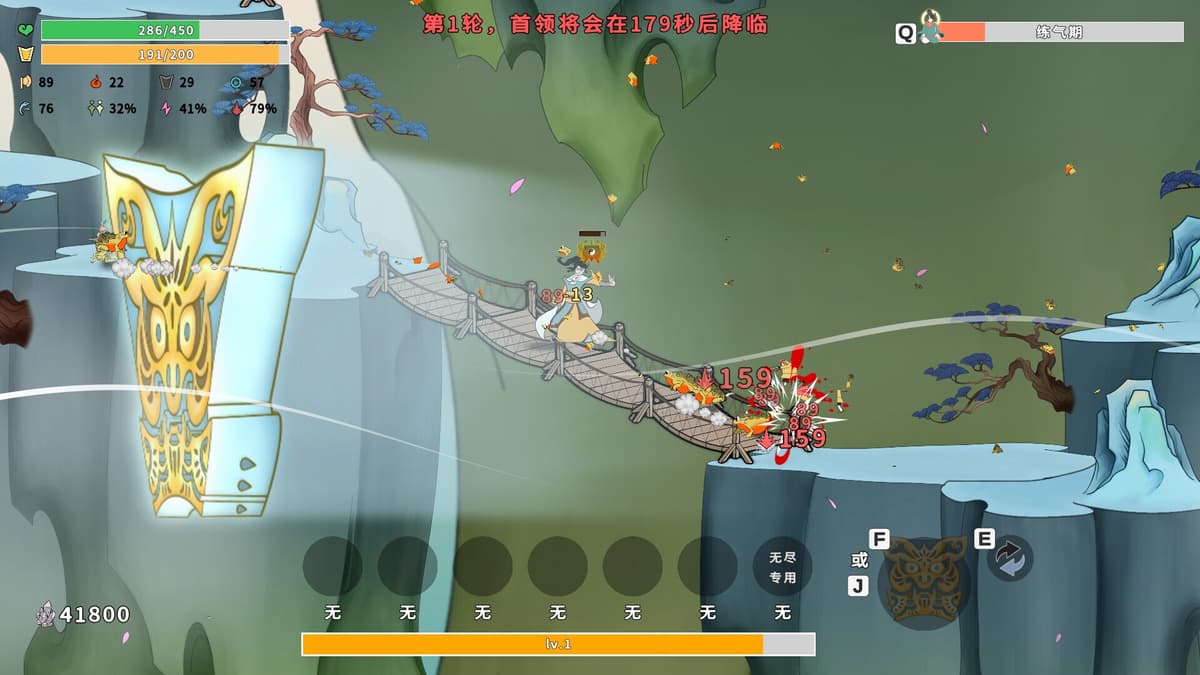
Taoist is the first truly divisive pick on this list. He costs $1.99 and starts with 4 HP, 4 armor and 180 energy, and his passive turns your non-primary weapons into floating weapons that fight alongside you, which is already free damage before you press a button.
His first skill, Genesis of Swords, summons 7 swords that circle you, destroy incoming bullets and mark whatever your attacks hit; when the skill ends every sword flies at the enemies, prioritising the marked ones. Bagua drops a spell circle that repels everything outside it and reflects enemy bullets back for damage, while allies who walk through it pick up a random buff. Sword Fly, the third skill, puts you on a flying sword: much faster, able to cross any obstacle, and you take no damage while flying.
What Taoist does best is sustained offense with a defensive layer built in. Genesis of Swords is a bullet shield and a delayed nuke at once, and Sword Fly is the tool speedrunners use to skip patterns and dump boss damage. That pairs beautifully with piercing or wide-area weapons, since you double-dip on every marked target on screen.
Where Taoist falls short is comfort. Four HP and four armor mean the kit does not save you from bad positioning the way Paladin’s shield or Yin-Yang Adept’s dash reset does, and his damage relies on you keeping the swords fed with marks. Once everything feels natural, Taoist deserves the hype as a top A-tier main; he asks more of you defensively than the heroes above, but if your dodging is on point he will feel like cheating.
6. Robot
Robot is the quiet powerhouse that does not look impressive on the select screen, then refuses to die once a run gets going. The standout stat is 6 armor, one of the highest on the roster, backed by 3 HP and 180 energy. He is crafted rather than bought, so you need 20 Parts and 20 Batteries from the workshop to unlock him.
The first skill, Electric Overload, continuously shocks nearby enemies, starting with two targets, and every kill it lands extends its duration, up to an extra 20 seconds. In a crowded room that means one cast can chain into a near-permanent shock field around you. Drone Swarm summons four drones whose type depends on the primary weapon you were holding when you cast it, and tapping the button triggers each drone type’s unique effect. EMP fires ten bolts that damage and stun everything around you while destroying bullets in the area.
In practice, Robot’s kit makes every point of survivability count: the armor soaks chip damage, EMP wipes patterns that would otherwise eat your HP, and Electric Overload kills the trash mobs before they can add to the mess. The downside is that he has no dash or immunity window, so you have to respect slow projectiles and environmental hazards more than the mobile heroes do.
Robot lands in the middle of the list because he does not hit the absurd highs of the S-tier monsters, but the combination of tankiness and self-sufficient crowd control makes him an incredible comfort pick when you just want consistent wins.
7. Knight
Knight is the definition of reliable. This is the first face most players see in Soul Knight, and for a free starter with 6 HP, 5 armor and 180 energy, Knight holds up shockingly well even after you unlock the flashier options. I still come back to him when I want to test a new patch because his baseline is so honest.
Dual Wield is the heart of the kit. For a short window you wield your current weapon in both hands, instantly doubling output, and that scales with almost everything worth using, from gatling-style machine guns to hard-hitting single-shot rifles. Superior Fire goes further and fires every weapon in your stock at once, which is chaotic but hilarious with a full inventory.
The skill the community keeps talking about is Chaotic Strike, the third one, which inflicts a random effect on every enemy your weapons hit for a short duration. Pair it with a fast-firing gun and the elemental chaos it produces has more than one veteran calling it broken in level mode. It is the reason Knight is A tier rather than “starter tier” on current lists.
Knight sits seventh because, compared to the specialists above, he lacks an immunity window or a built-in reset. What he offers instead is rhythm and consistency, and almost any buff feels useful, so you never feel locked into a narrow build path. If you like heroes that let your weapons and game knowledge do the talking, Knight remains an excellent main long after you have unlocked everyone else.
8. Vampire
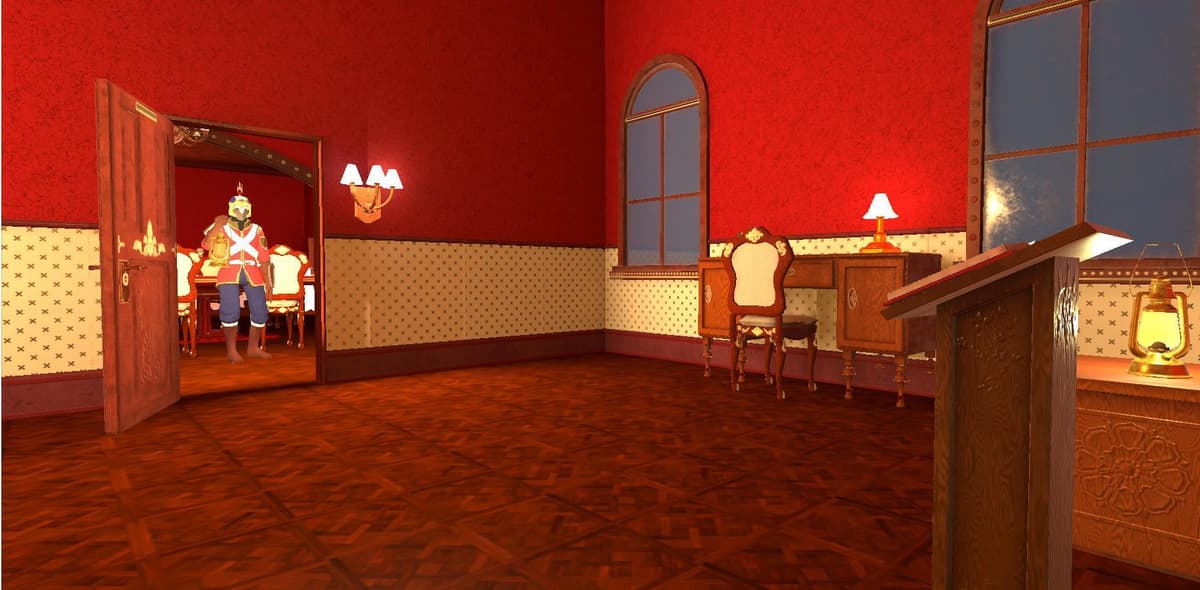
Vampire is the answer for players who hate relying on a limited stack of health pots. He costs $0.99, starts with 3 HP, 4 armor and 120 energy, and every one of his skills is about stealing something back from the enemy.
Bat Swarm releases a swarm of bats that attack enemies and drain their health into yours, and if you are already at full HP the drain can restore energy and armor instead. Alien Swirl creates a black hole that pulls in nearby enemies and every bullet on screen while stealing life from anything caught in it. Immortal, the third skill, is the big one: for a short window all damage taken is converted into health and energy, and if you are full it temporarily raises your max HP by up to 10.
In regular rooms that sustain changes the rhythm of a run. You can stay in mid-range longer, soak a few hits, then drain back what you lost from the next wave, which frees up relic decisions because you can afford riskier offensive buffs. The weakness is bursty boss fights and ultra-dense patterns where you cannot stay on targets long enough to heal, and 3 HP does not leave much margin when that happens.
Vampire is B tier on most current lists, and I think that is fair: he is a fantastic main for players who enjoy a bruiser playstyle and hate being chipped down, but he does not carry as hard as the immunity-based heroes above him.
9. Engineer
Engineer scratches a very specific itch: controlling the battlefield rather than reacting to it. He costs $0.99 and comes with a sturdy 5 HP, 5 armor and 180 energy, so you are not a glass cannon while you set up.
Gun Turret summons a turret for fire support, and you can have three active at once, which turns doorways into kill zones. Armor Mount, in solo play, temporarily puts you in the armor mount parked in the robotics facility, which is the closest thing Engineer has to a panic button. Interceptor, the third skill, builds a laser turret that shoots down enemy bullets, or attacks enemies when there are none to intercept; enemies it hits can drop parts, and recasting near the turret spends those parts on upgrades along different paths.
From a survivability standpoint, having something else to draw fire and delete projectiles is huge. The best Engineer runs weave weapon fire and turret placement together, using turrets to manage one side of the room while you handle the other. Several post-8.5 tier lists actually put him in S, and it is easy to see why in cramped rooms.
Engineer lands at ninth because the ceiling is high but the floor is rough: turrets take a second to matter, and careless placement leaves you exposed. With practice, though, he becomes a fantastic main for players who enjoy setup and watching enemies walk into prepared death zones.
10. Inter-dimension Traveler
Inter-dimension Traveler is the hero r/SoulKnight names most often as the strongest free-to-play pick, and after the 8.5 update it is hard to argue. He costs 20,000 gems, and the statline is deliberately strange: 1 HP, 4 armor and only 30 energy, balanced by a passive that gives him a chance to be immune to any incoming damage and enhances every fifth bare-hand attack.
Dimension Jumping, the first skill, is the carry. You move faster, enter a warp state in which you are immune to damage and can pass through obstacles, and every enemy you touch gets marked; marked enemies take damage when their countdown ends. In combat you keep generating dimensional rifts, and crossing them restores energy and sends out shockwaves that mark new enemies and speed up existing countdowns. Tap the button again to exit the warp early.
The 8.5 update added Blackhole Refract / Blackhole Burst as a second skill. Refract drops a black hole and turns you invisible, with a chance to fully negate incoming damage; it stores up to three casts, and any bullets or lasers you fire into a black hole are duplicated and fired out of the others. Burst detonates them for damage. It is a very different, more weapon-focused way to play him, and it is why his skin and skill were the headline of the patch.
The reason he is not higher is the learning curve: 1 HP means a single mistake outside the warp state ends the run, and Dimension Jumping’s low energy pool punishes sloppy casting. Learn the rift loop and he is the closest thing to a free Costume Prince.
11. Assassin
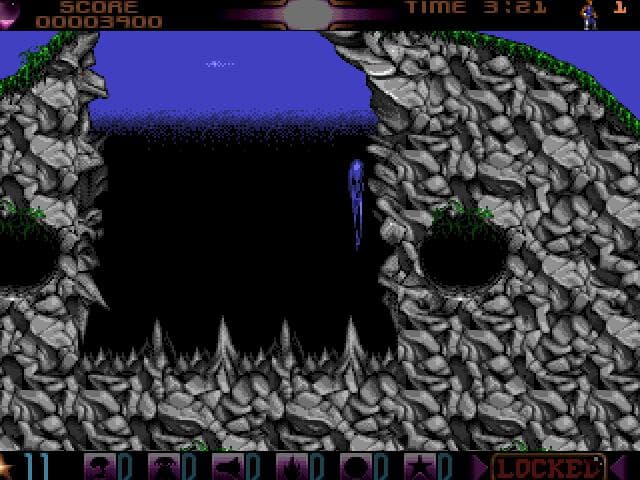
Assassin is the hero that made me stop blaming my weapons and start blaming my movement, and the 8.5 update buffed both his first and second skills, so this is the best he has been in years. He costs 4,000 gems, starts with 4 HP, 4 armor and 180 energy, and carries the Blood Blade.
Dark Blade is the defining skill: dash forward and deliver a powerful slash, and you cannot be hit during the dash. Defeating an enemy during the dash resets the cooldown, up to four times in a row, and landing the slash on a boss halves the 10 (8) second cooldown. Chained properly, that is a near-continuous immunity window with a kill attached to each one. Doppelgänger creates a clone that automatically uses Dark Blade or Invisibility, effectively a second Assassin clearing the other side of the room. Invisibility, the third skill, is the one many veterans prefer for melee builds because it lets you relocate mid-boss and then trash regular enemies with even a half-decent blade.
The catch is that Dark Blade rewards rhythm and punishes autopilot. If you dash without a kill lined up you burn the reset, and 4 HP does not forgive many misreads. Some players find the first skill frustrating for exactly that reason and treat the third as his real carry.
When everything clicks, Assassin feels utterly broken, and current tier lists have him back in S. He is eleventh here only because the numbers are not a ranking; if you enjoy heroes that reward mechanical skill and tight movement, he is an amazing main.
12. Sword Master
Sword Master is the hero that half of r/SoulKnight will tell you is the best free-to-play character, and it is not close. She costs 12,000 gems, starts with 5 HP, 4 armor and 160 energy, and her starter weapon, Breeze, is rated by r/SoulKnight as one of the best starter weapons in the game.
Tempest Blade, her first skill, is a dash forward, a flurry of slashes and a dash back, and you take no damage while slashing. Hitting three enemies (or one enemy three times) shaves a second off the 8 (6) second cooldown and builds Sword Intent; at 30 Sword Intent the next cast adds three extra slashes, three projectiles and a giant sword. Wisps of Clouds has three stages: the first two launch flying swords that hover, and the third dashes forward, slashing repeatedly while recalling every sword. Blinkblade Codex is the third skill for players who want even more mobility.
The reason she carries is that the immunity is attached to her damage. Every Tempest Blade is a dodge and a room-clear in the same input, and Wisps of Clouds is the tool Origin-mode grinders use to delete bosses in seconds. Casting any skill also gives her a short movement-speed boost, so she is never standing in a pattern for long.
She closes the list because, like Assassin, her safety is only as good as your timing: mistime a Tempest Blade and you land in the middle of a pack with 4 armor. But if you want one gem-purchased hero who works in every mode from level runs to Boss Rush, Sword Master is the buy.
How To Use This Tier List For Your Playstyle
As of v8.5.1, these twelve heroes consistently feel worth maining, but the right choice always comes down to how you like to play. If you want forgiving runs that smooth over mistakes, Paladin, Yin-Yang Adept, Robot and Knight form a sturdy core. Players who live for high-skill, high-reward gameplay gravitate toward Assassin, Sword Master and Inter-dimension Traveler, with Costume Prince sitting above all of them as the pick when you simply want to win.
A few heroes just missed the cut. Werewolf’s Devour skill has a loud fanbase, but 1 armor makes his 11 HP evaporate in late bullet-hell rooms. Machina and Airbender are still solid A-tier picks, Warliege and Trickster show up in plenty of community S tiers, and Rogue’s dodge roll remains a favourite for players who grew up on it. If any of them fit your thumbs better than the twelve above, play them.
The 8.6.0 update on 21 September adds a talent trial mode and a Physicist third skill rather than a balance pass, so expect this order to hold until the next big rework. Use this list as a guide, then lean into the heroes whose kits feel natural under your thumbs. The heroes that fit your instincts will always carry more runs than a meta pick you never quite enjoy using.
FinalBoss // Gear
Level up your setup
01Top-rated gaming headsetson Amazon→02High-refresh gaming monitorson Amazon→03Gaming chairson Amazon→04Discounted game keyson Kinguin→Affiliate links · As an Amazon Associate, FinalBoss earns from qualifying purchases.
Want to Level Up Your Gaming?
Get access to exclusive strategies, hidden tips, and pro-level insights that we don't share publicly.
Ultimate Top Strategy Guide + Weekly Pro Tips