
Table of Contents (14)
Why These Game Pass Stories Hit So Hard
I love a good gameplay loop as much as anyone, but the games that really haunt me are the ones where I put the controller down after the credits and just… sit there. No menus, no New Game+, just me trying to process what I’ve just seen. Xbox Game Pass is quietly stacked with exactly that kind of experience: story-driven games with finales that punch straight through your armor.
For this list, I focused on narrative-heavy games currently on Xbox Game Pass for Xbox Series X|S, Xbox One and/or PC that do two things: tell a strong story all the way through, and land an ending that sticks. Not just a big twist, but a final stretch that reframes everything you’ve played, or hits such a specific emotional nerve that you’re still thinking about it days later.
I’ll flag which Game Pass tier each one’s on (Essential, Premium or Ultimate) so you know exactly where to find them. Some of these are short “one perfect weekend” walks, others are slow-burn epics. All of them left me staring at a blank screen a little too long after they were over. And yes, there’s at least one pick near the top that might start arguments.
Light structural spoilers only below – I won’t spell out the exact final scenes, but I will talk about how each ending feels and why it works. If you’ve been hunting for your next story obsession on Game Pass, this is where I’d start.
1. Outer Wilds
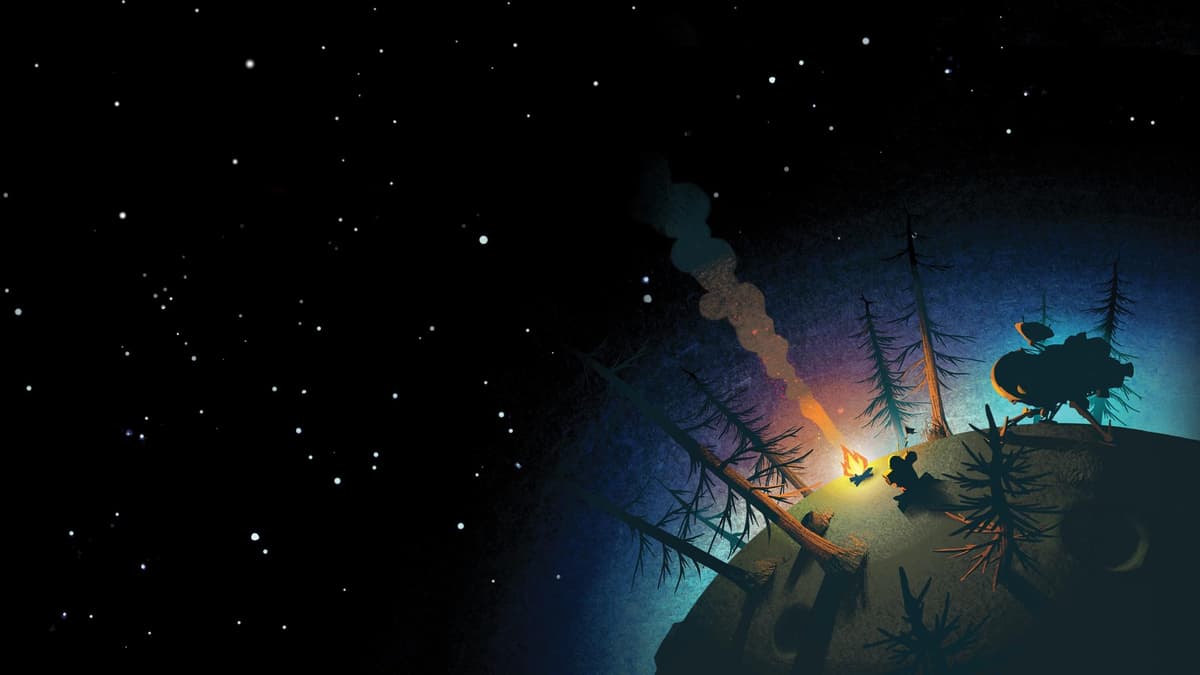
Outer Wilds is the game I recommend to people when they tell me games can’t hit as hard as a great novel. On paper it sounds almost modest: a 22-minute time loop, a tiny handcrafted solar system, no combat, just pure curiosity. In practice, it’s one of the most affecting meditations on mortality and discovery I’ve ever played. I remember booting it up “just to see what the fuss was about” and suddenly it was 3 a.m., my ship was falling apart, and the sun was collapsing into a supernova for the fiftieth time.
The way Outer Wilds structures its story is key to why the ending lands. You’re not grinding stats or ticking quest checklists – you’re chasing questions. Who were the Nomai? What is the Eye of the Universe? Why is the sun exploding? Every loop, you steal a little more knowledge from the cosmos, and that knowledge is the only thing that carries over when time resets. By the time you’ve pieced it together, you’re emotionally invested in an entire civilization you never even meet.
The finale brings all of that wandering and wondering into a single, quiet, cosmic moment. No boss fight, no QTE gauntlet – just acceptance, connection and the simple act of sitting around a campfire at the literal end of the universe. It’s melancholic without being bleak, hopeful without being saccharine. When the screen finally faded to black, I just stared at my reflection in the TV for a minute. Outer Wilds is available on Xbox Game Pass Essential, Premium and Ultimate, and if you haven’t taken that first launch yet, you’re in for something special.
2. Hellblade: Senua’s Sacrifice
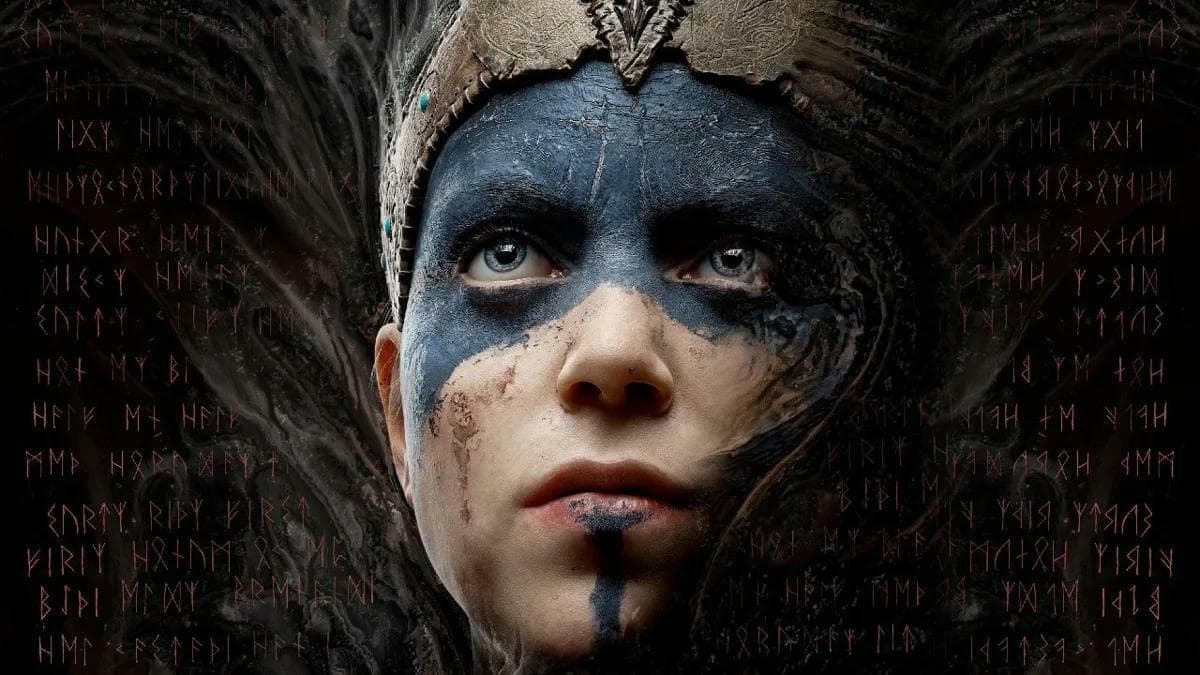
Hellblade: Senua’s Sacrifice is one of those games where I knew I’d remember the ending from the moment I put the headphones on. Ninja Theory doesn’t just tell you Senua lives with psychosis, it shoves you into the middle of it with brutal binaural audio. Voices hiss, plead and mock from every direction; they second-guess every move you make. It’s exhausting in a way that feels intentional, and by the time the final act kicks in, you’re as frayed as she is.
What I love about Hellblade’s finale is that it refuses to turn Senua’s illness into a cheap twist or magic superpower. The whole journey into Helheim, through Norse and Celtic myth, is framed as a desperate attempt to “fix” something that can’t be fixed the way she wants. The last stretch leans into that reality rather than shying away from it. You get your big climactic gauntlet, sure, but mechanically and thematically it’s about letting go – of guilt, of impossible expectations, of the idea that healing means erasing what’s damaged.
I still remember the final line and the moment the game shifts from horror to something closer to hard-earned compassion. It’s not a happy ending, exactly, but it’s cathartic, and it stayed with me long after I shut the console down. Play this with good headphones in a dark room; it’s one of the few games I’d call “essential” for understanding what audio can do in storytelling. Hellblade: Senua’s Sacrifice is available on Xbox Game Pass Essential, Premium and Ultimate.
3. Pentiment
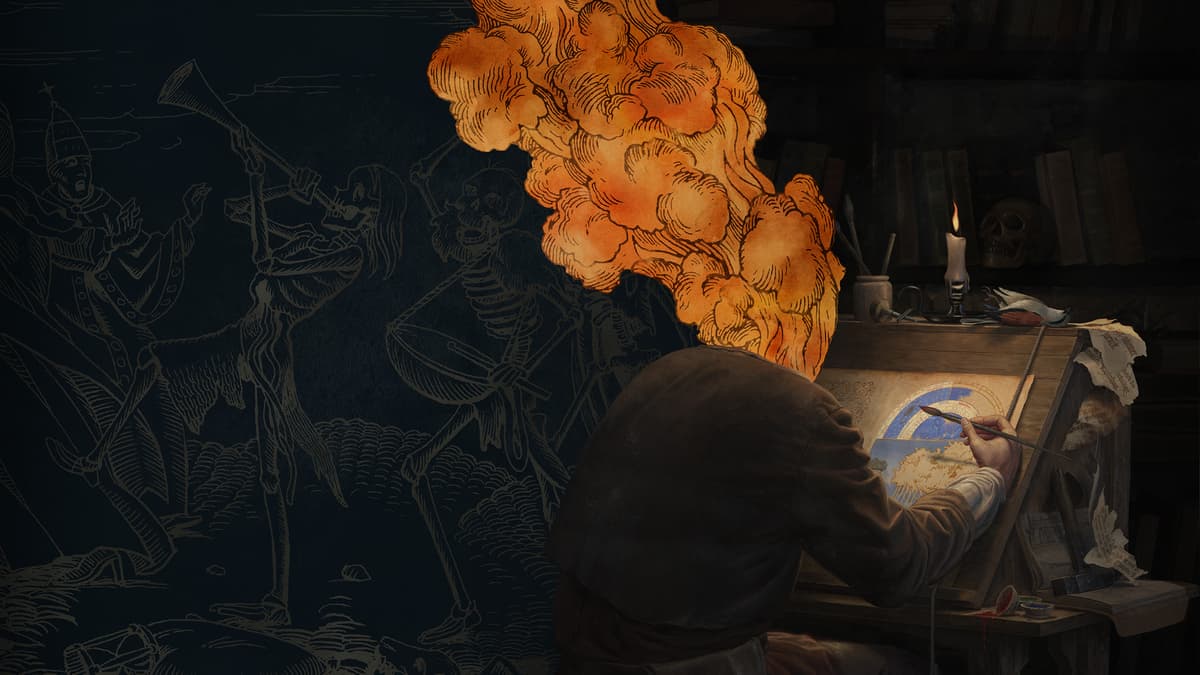
Pentiment is the slow burn of this list, and it absolutely earns its place near the top. On the surface it looks like a history nerd’s passion project: a murder mystery RPG set in 16th-century Bavaria, drawn like an illuminated manuscript come to life. In practice, it’s one of the sharpest examinations of guilt, faith and the weight of time I’ve seen in any medium. The ending hits so hard precisely because it takes its sweet time getting there.
You spend decades with these people. First as Andreas Maler, an artist pulled into a whodunnit in a tiny town, then as others who inherit the consequences of what you chose to believe and who you chose to protect. There’s no combat system to retreat to when conversations get uncomfortable; it’s all dialogue, relationships and horrible compromises. The game is ruthless about the fact you’ll never have all the facts you need, and you’ll still have to pick someone to blame.
The final chapter is where it all folds back on itself. Choices you made hours – and in-game decades – ago ripple through a community that barely remembers why it’s suffering. The “answer” to the original mystery is far less important than what those years of stories say about who gets to write history and who gets erased. By the time the last mural is revealed, Pentiment feels less like a detective story and more like an argument about what stories are even for. If you like games that leave you mulling over your decisions for weeks, this is it. Pentiment is available on Xbox Game Pass Premium and Ultimate.
4. A Plague Tale: Requiem
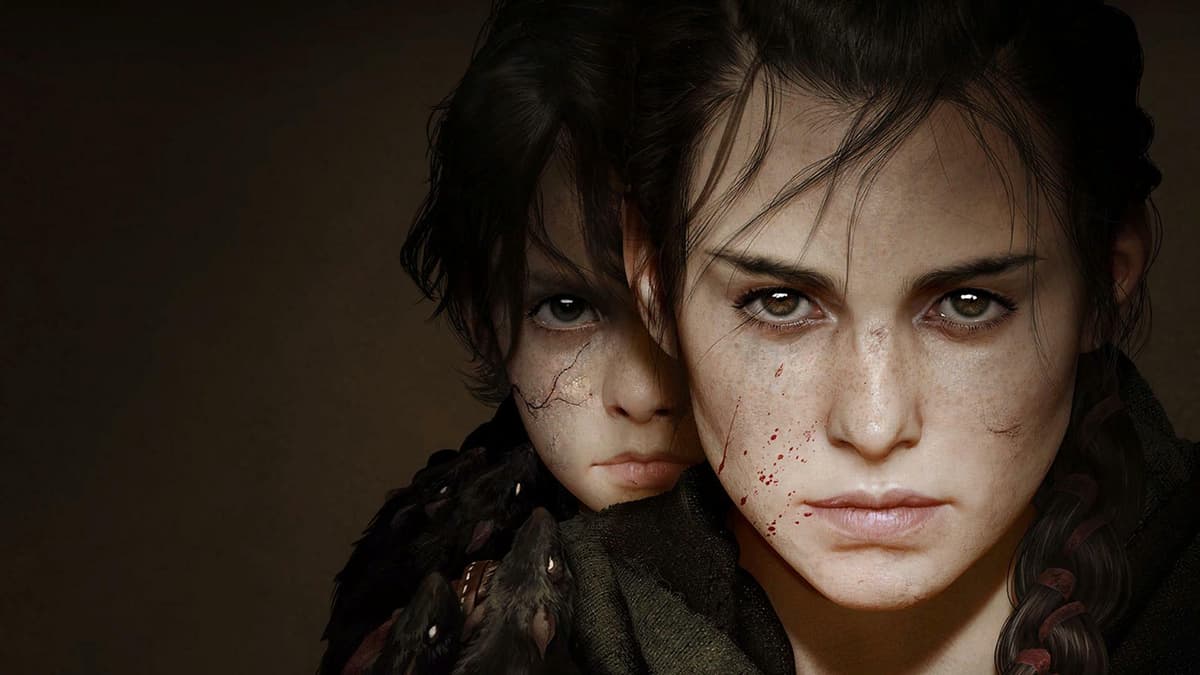
A Plague Tale: Innocence already hit pretty hard, but Requiem is the one that completely wrecked me. Amicia and Hugo’s journey through a plague-ravaged France somehow finds a way to be even more beautiful and more horrifying the second time around. The stealth is nastier, the set-pieces are bigger, and the rat swarms are pure nightmare fuel – but it’s the emotional escalation that really sticks.
Requiem spends a lot of time letting you believe, just for a moment, that maybe this time things will work out. There are sun-drenched fields, new friends, glimpses of a normal childhood peeking through the cracks. And then the game rips those moments away and drags you back into the reality of Hugo’s condition and what it’s doing to the world. The last few chapters are relentless, not because they’re unfair mechanically, but because they keep forcing you to confront what “saving” someone actually means.
The ending is going to divide players forever, and that’s exactly why it works. It’s shocking, yes, but it’s also brutally honest about the limits of love and the cost of refusing to let go. The final decision you’re pushed into isn’t about winning or losing; it’s about how much cruelty you’re willing to inflict to protect someone who’s already doomed. When the credits finally rolled, I just stared at the controller for a while, feeling both angry and weirdly grateful the game went there. A Plague Tale: Requiem is available on Xbox Game Pass Premium and Ultimate.
5. Firewatch
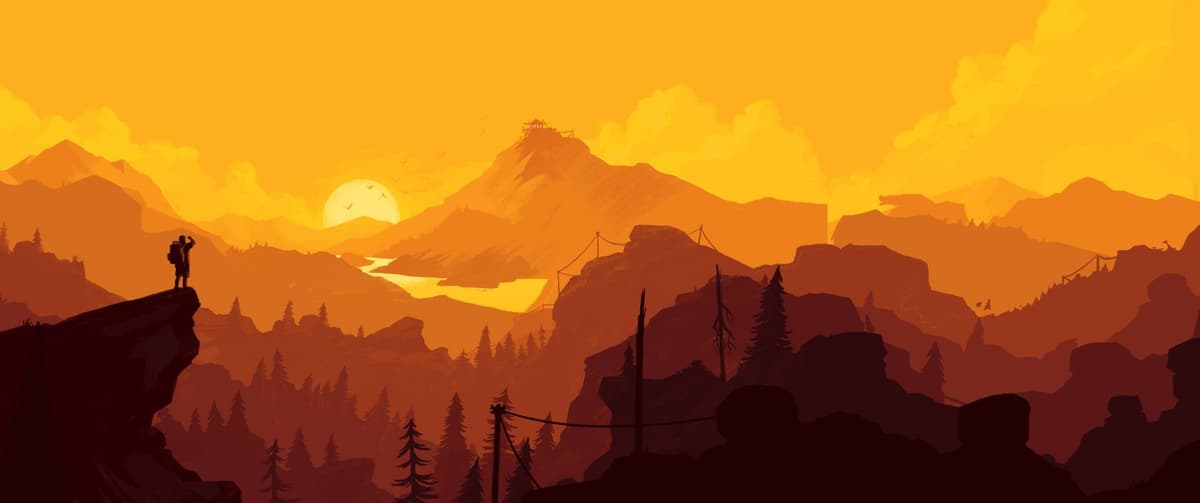
Firewatch is the game on this list that people still argue about the most, and I secretly love that. You play as Henry, a guy who runs away from his life problems to watch for forest fires in late-80s Wyoming. Your only real connection is Delilah on the other end of a crackly radio. The first time I played, I was convinced I knew where it was going: some big government conspiracy, a shocking twist in the woods, maybe even a horror turn. Firewatch teases that constantly… and then chooses something quieter and braver.
Most of the game is just you wandering through the Shoshone, talking to Delilah about everything and nothing. The writing is absurdly natural – the kind of back-and-forth where you feel like you’re intruding on two real people flirting, deflecting, and slowly admitting they’re broken. As weird stuff starts happening around your tower, it’s easy to project all sorts of thriller expectations onto it. The finale, though, refuses to give you the neat, dramatic payoff your brain is waiting for.
Instead, Firewatch ends in a way that feels uncomfortably like real life: messy, anticlimactic, unresolved. There’s no grand reveal that makes your escapism noble. You’re still just a guy who ran away, left with the same problems and a slightly clearer view of how badly you’ve been avoiding them. That’s exactly why the ending lingers. It’s a story about learning to sit with your own mess instead of finding a plot twist to blame. Firewatch is available on Xbox Game Pass Essential, Premium and Ultimate.
6. 1000xRESIST
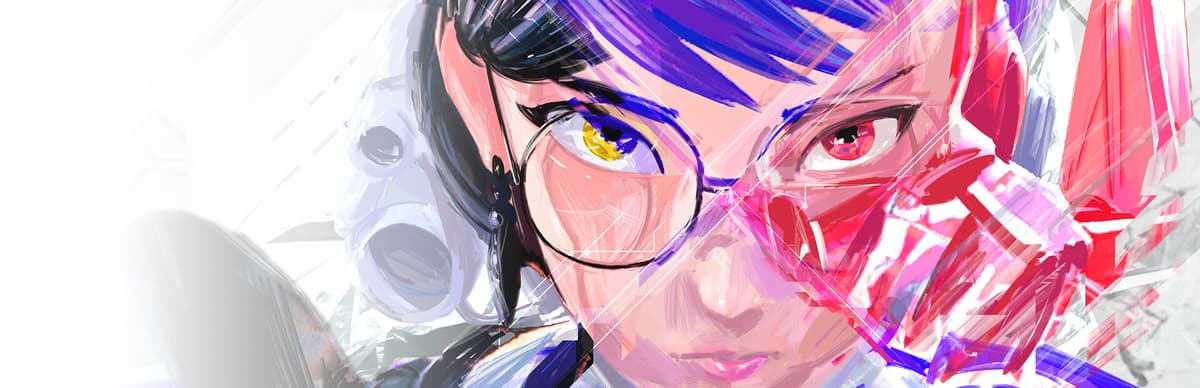
1000xRESIST feels like it beamed in from a different timeline, and I mean that in the best way. It’s this wild hybrid of third-person exploration, visual novel storytelling and experimental theatre, set in a far future where humanity has been wiped out by an alien disease. The only survivors are clones of a single girl who worship an absent savior figure called the All-Mother. The first hour or two are disorienting in all the ways I love: sharp cuts between time periods, stylised environments, and a story that trusts you to catch up.
What makes 1000xRESIST so memorable is how its structure mirrors its themes. You’re literally diving into memories, re-enacting propaganda and reliving trauma that’s been curated for you. Every new perspective chips away at the official story you’ve been fed, and by the midpoint the game has quietly turned into a full-on rebellion against the way power rewrites history. It’s not just “this character lied”; it’s an indictment of the systems that decide which stories get told in the first place.
The ending is a genuine emotional rollercoaster. Without spoiling specifics, it forces you to confront what happens after the revolution – after the truth is out, after the myth has been shattered, and people still have to wake up the next day and live with it. It’s messy and human in a way sci-fi rarely manages. I finished it and immediately wanted to talk to someone else who’d played, just to compare how we interpreted the last act. 1000xRESIST is available on Xbox Game Pass Premium and Ultimate.
7. As Dusk Falls
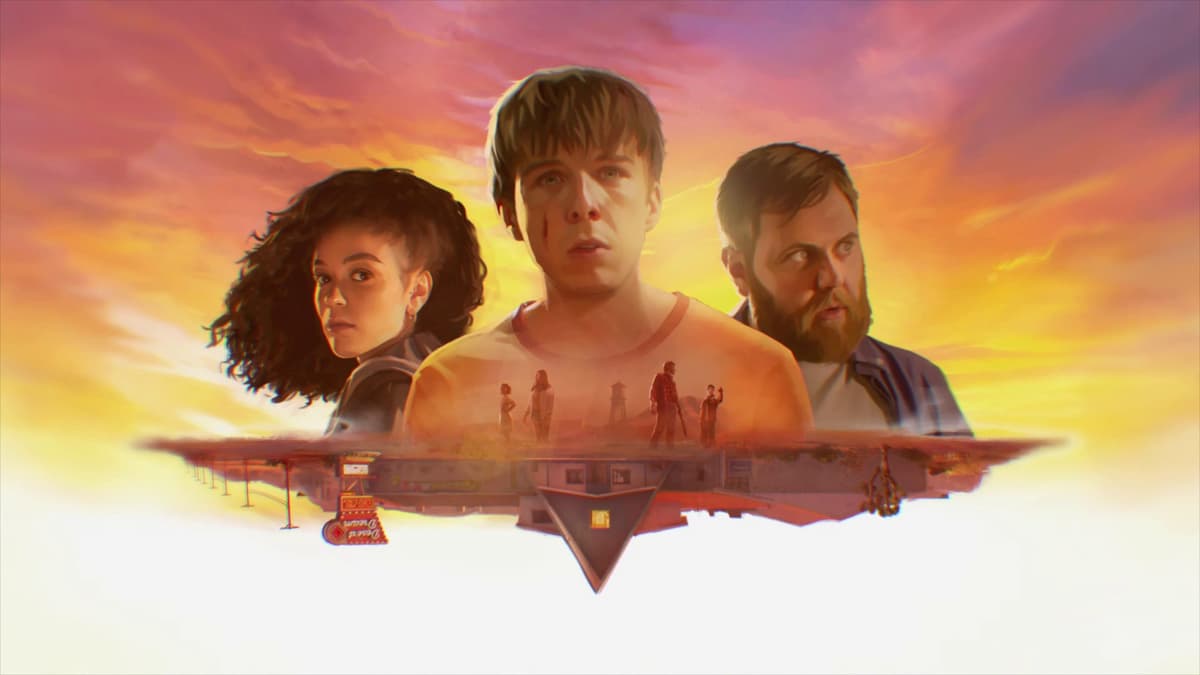
As Dusk Falls is basically a prestige TV miniseries that somehow snuck into your Game Pass library. It covers thirty years of fallout from a single botched motel robbery in Arizona, bouncing between a desperate family on a road trip and three brothers in way over their heads. The rotoscoped, painterly art style looks odd in screenshots but works beautifully in motion, especially when the game slams on the brakes and forces you to sit with someone’s worst decision.
The magic here is in how much ownership you feel over the story. You can play solo or with a group, voting on choices, and every tiny moment feels like it might be the one that finally breaks someone beyond repair. Will you turn Jay in? Will Vince back down? Does Zoe ever shake the shadows of that night? By the time you enter the final chapters, you’ve built “your” version of these people – not just through big branching decisions, but through all the little ways you chose to show them mercy or push them away.
The endings (plural) are a tangle of what-ifs that feel earned rather than gimmicky. Some routes are surprisingly hopeful, others are downright tragic, but they all feel like logical consequences of who these characters became under pressure. I finished one playthrough with a bittersweet sense of closure, then immediately replayed to see just how bad things could get. It’s the rare branching narrative where the credits rolling doesn’t feel like a full stop, more like the last page of a really good, messy family saga. As Dusk Falls is available on Xbox Game Pass Essential, Premium and Ultimate.
8. Tell Me Why
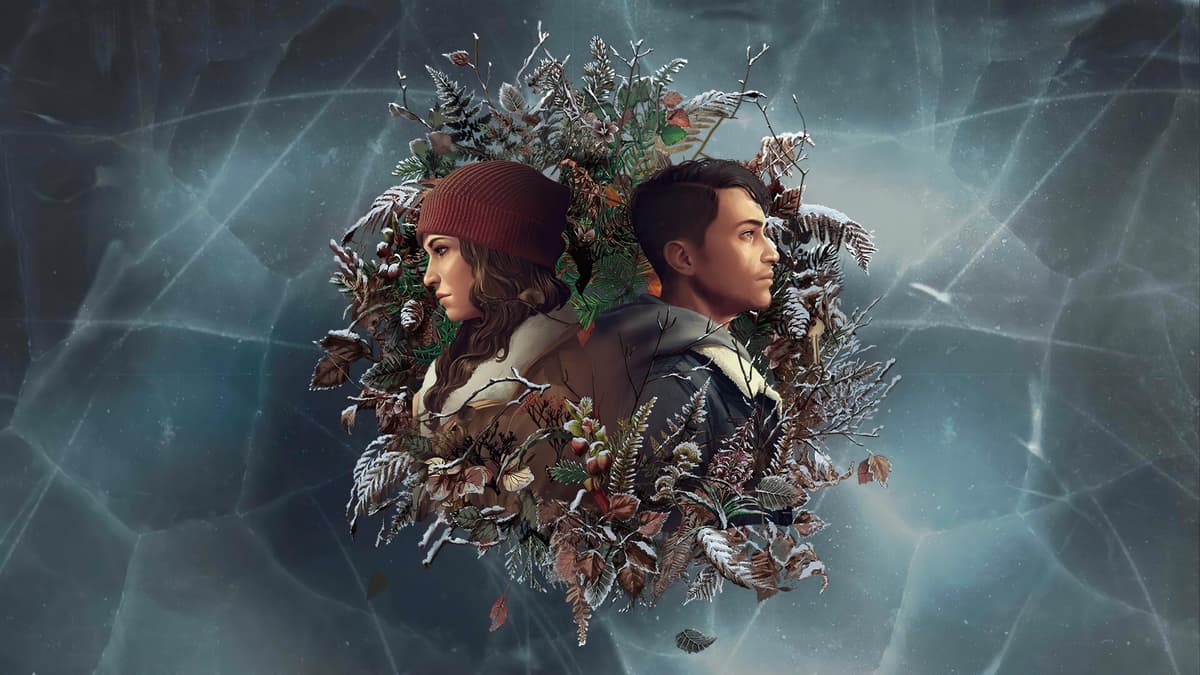
Tell Me Why is probably the most intimate game on this list. It’s a three-episode narrative adventure from the original Life is Strange team, but instead of teen angst in a stormy coastal town, you get grown-up sibling drama in a small Alaskan community. You play as twins Tyler and Alyson, returning to their childhood home to sell it and finally deal with what happened to their mother. From the first scene, you can feel the weight of years of silence sitting between them.
The supernatural twist – the twins share a “voice” that lets them relive and argue over their memories – is a clever mechanic, but it’s really just a tool for what the game actually cares about: how families construct their own versions of the past. You’ll constantly be choosing which recollection to believe, which story to preserve. Layered on top of that is Tyler’s experience as a trans man coming back to a town that didn’t handle his identity well the first time around. The writing doesn’t pretend those wounds heal cleanly just because everyone means well now.
By the finale, you’re not just uncovering a mystery, you’re deciding how these two want to carry their history forward. Do you cling to comforting lies? Do you rip every scab off regardless of the cost? The ending you get reflects the emotional work you’ve helped them do, and while nothing here is as explosively dramatic as a time-travel apocalypse, it hit me much harder. I felt like I was saying goodbye to actual people I’d helped grow. Tell Me Why is available on Xbox Game Pass Essential, Premium and Ultimate.
9. What Remains of Edith Finch
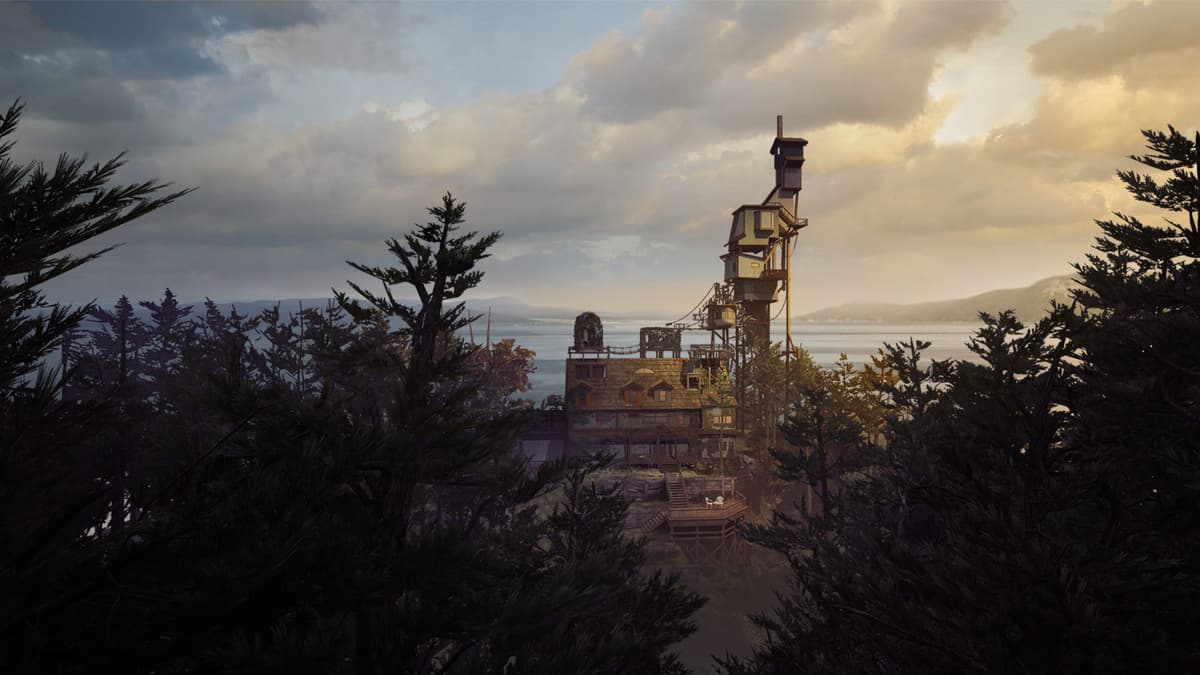
What Remains of Edith Finch is the shortest game here, and somehow it also feels like the biggest. You play as Edith, returning to the bizarre, impossible Finch family home – a patchwork of add-ons and sealed rooms jutting into the sky – to piece together how an entire bloodline managed to wrap tragedy in whimsy for generations. Each relative’s story is its own little playable vignette, with mechanics and tone shifting radically from one to the next.
There’s the doomed child’s bathtub adventure, the comic-book slasher sequence, the trip through a fish cannery that quietly turns into one of the best depictions of dissociation I’ve ever seen in a game. Each one is inventive and often weirdly fun, even when you know exactly how it’s going to end. The trick is that you’re not just playing through deaths; you’re playing through how the Finches chose to mythologise those deaths to make them bearable.
The final segment pulls the camera back and reminds you that all of this is being retold for a reason. I won’t spoil the exact framing, but the last walk through the house reframes the entire thing from a quirky ghost tour into a gut-punch about grief, inheritance and the stories we leave behind for the people who come after us. It’s one of those endings where you suddenly realise the game has been gently steering you toward this point the whole time. I finished it in an evening and thought about it for weeks. What Remains of Edith Finch is available on Xbox Game Pass Essential, Premium and Ultimate.
10. Citizen Sleeper
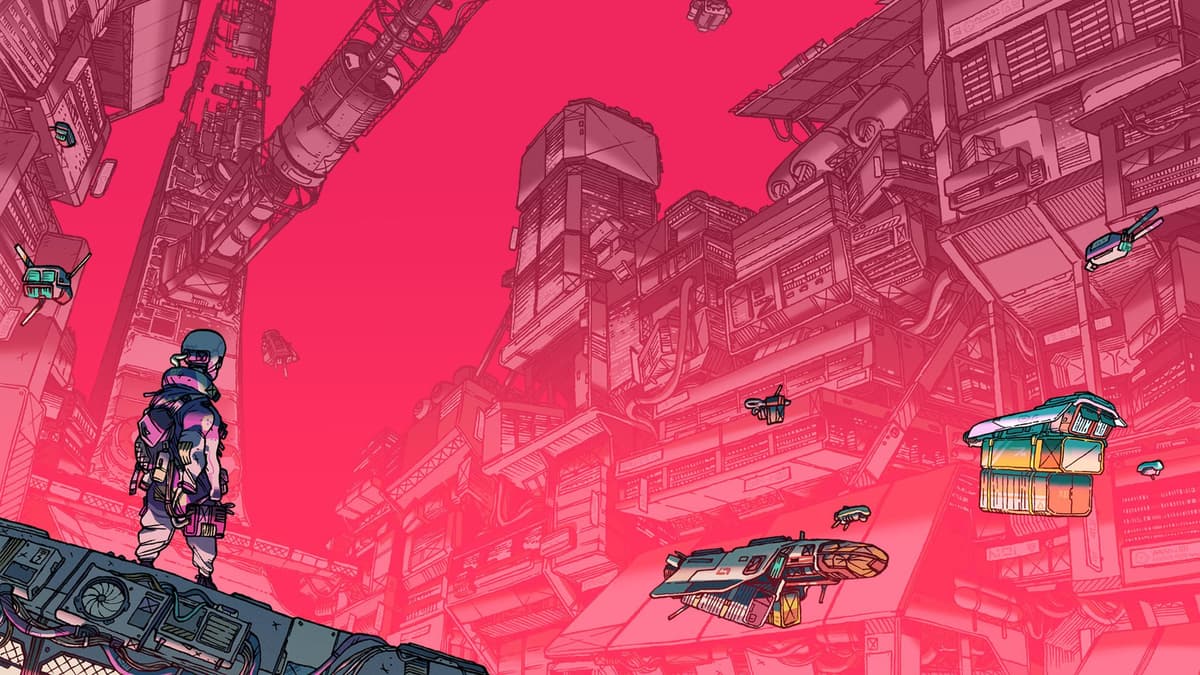
Citizen Sleeper is the closest this list gets to a tabletop RPG, and its endings feel exactly like wrapping up a long, character-focused campaign with friends. You’re a Sleeper – a digitised human consciousness in a rented body – who’s escaped corporate servitude and washed up on Erlin’s Eye, a decaying space station held together by stubbornness and duct tape. Every “day” you roll dice, assign them to actions and slowly carve out a life, whether that’s as a hacker, a mechanic, a bartender or something else entirely.
What makes Citizen Sleeper special is how deliberately small its stakes feel moment to moment, and how massive they become in aggregate. Fixing a broken ship, helping a parent keep custody, bringing food to someone on the wrong side of a gang war – none of these is “save the galaxy” stuff, but they’re all life-or-death to the people involved. The writing is razor sharp, and it’s the rare sci-fi game that really wrestles with labour, debt and who gets to be considered a person.
By the time you start hitting the various ending routes – joining a crew and leaving, merging with an emergent AI, doubling down and helping the station claw toward a future – you realise you’ve built a version of the Sleeper that feels uniquely yours. I still remember sitting there at the dock, hovering over a final choice, actually anxious about what it said about my character to walk away versus stay and fight for this weird, broken community. Citizen Sleeper is available on Xbox Game Pass Essential, Premium and Ultimate.
11. Lost Records: Bloom & Rage
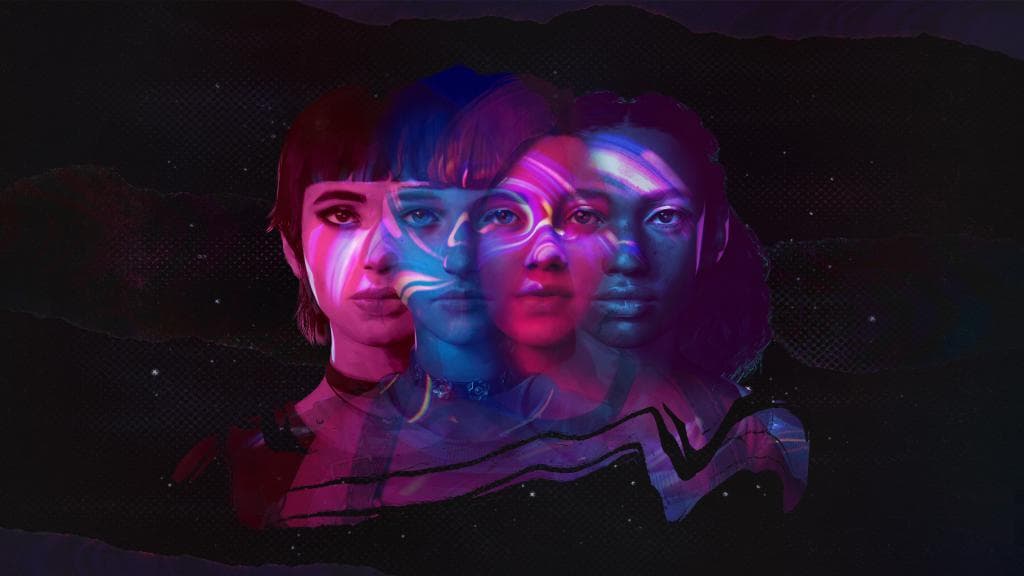
Lost Records: Bloom & Rage is the one on this list that hit me right in the nostalgia gland. From the original Life is Strange team at DON’T NOD, it leans hard into 90s vibes – grunge, mixtapes, tragic summer crushes – but uses them to tell a story that’s a lot sharper than simple retro comfort. You bounce between the summer of 1995, following four inseparable friends, and nearly three decades later, when those same women are dragged back together by a secret they’ve all tried very hard to bury.
If you’ve played Life is Strange, you’ll recognise the studio’s knack for small, human choices that snowball into disasters. Lost Records swaps rewind powers for something more grounded, but it still plays with memory and perspective in clever ways. You get to live through that fateful summer knowing something goes horribly wrong, and every little decision feels like it might be the one that tips things over. The older timeline, meanwhile, is full of that awkward, painful energy of seeing people you loved but don’t quite know anymore.
The payoff, when the truth finally comes out, is less about some shocking twist and more about whether these women can live with what they did, or didn’t do, as kids. The ending sticks because it refuses to let anyone off the hook completely – including you. How you’ve guided them, who you chose to believe, which bridges you burned or rebuilt, all colours the final reunion. It’s messy and bittersweet in a way that felt painfully real to me. Lost Records: Bloom & Rage is available on Xbox Game Pass Premium and Ultimate.
12. South of Midnight
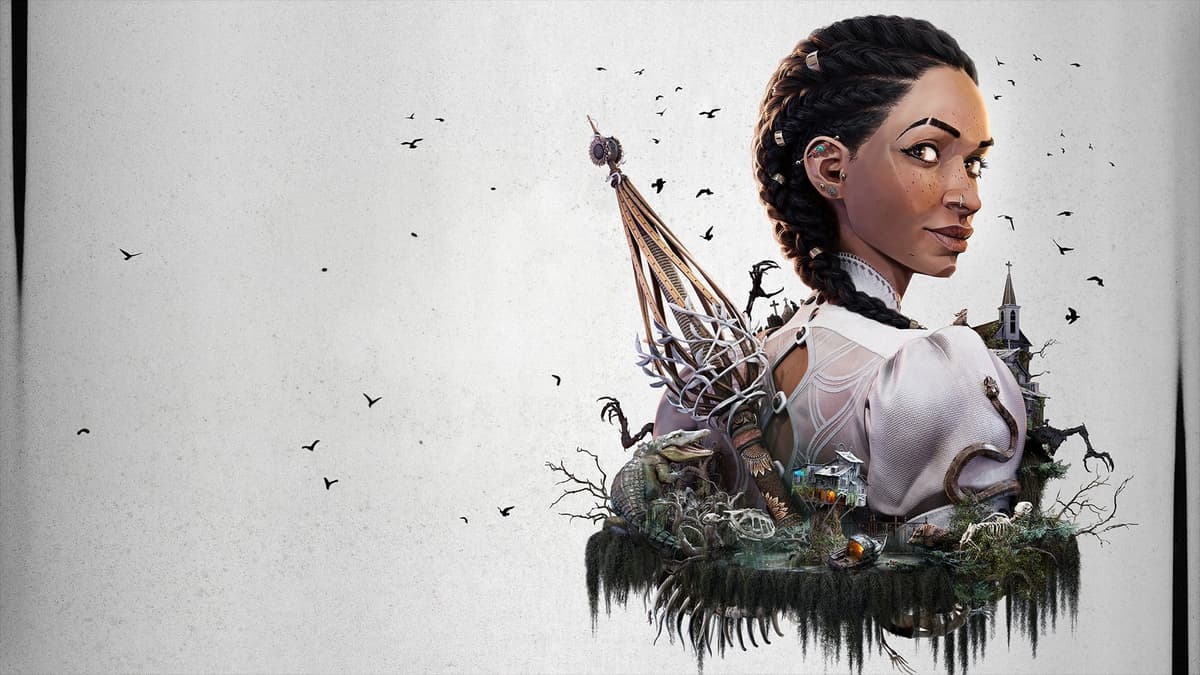
South of Midnight is a very different flavour of narrative game from most of this list, but it earns its spot because of how much of its story is told through place and vibe – and how it pays that off in the final act. Compulsion Games (of We Happy Few fame) dives headfirst into Southern Gothic here, following Hazel, a Weaver who can manipulate the strange magic humming through the American South. From the first time you wade into a moonlit swamp, with that stop-motion-inspired art style and bluesy soundtrack, you know exactly the kind of story you’re in for.
Moment to moment, it’s a third-person action-adventure with exploration and combat, but the real hooks are the people and the folklore. You’re dealing with haints, trickster spirits and local legends turned very real, all tied up with generational trauma and communities forgotten by the wider world. The game is at its best when it slows down and lets you poke around backroads, listen to tall tales on porches and realise just how much hurt is baked into this land.
By the time you reach the ending, South of Midnight has woven all those threads – personal grief, historic injustice, supernatural chaos – into something that feels like it could only be told in this setting. The finale doesn’t magically fix the South or Hazel’s past, but it does offer a kind of hard-earned reconciliation that stuck with me. The last major sequence is one of those rare cases where spectacle and theme line up perfectly: you’re literally unpicking old knots while the game quietly asks who gets left holding the pain when history moves on. South of Midnight is available on Xbox Game Pass Ultimate.
Wrapping Up: Which Ending Will Stick With You?
The thing I love about this little corner of Game Pass is how varied it is. You’ve got cosmic time-loop existentialism sitting next to intimate sibling drama, historical murder mysteries sharing shelf space with Southern Gothic action. Some of these games end with fireworks, others with a quiet conversation or a simple acceptance that life doesn’t tie itself up neatly. But they all treat their finales as more than just a last level – they’re the point the whole game has been steering toward.
If you’ve only got a weekend, start with Firewatch, What Remains of Edith Finch or Hellblade. If you want something meatier to live in for a while, go for Pentiment, A Plague Tale: Requiem or Citizen Sleeper. And if you’re in the mood to discover something a bit less talked about, give 1000xRESIST or As Dusk Falls a shot – those are the ones I find myself recommending the most to friends who think they’ve “seen it all.” However you dive in, just be ready: these are the kinds of endings that don’t stay on the screen. They move in and start rearranging furniture in your head.
FinalBoss // Gear
Level up your setup
01Best-selling Xbox Series X|S gameson Amazon→02Xbox controllerson Amazon→03Top-rated gaming headsetson Amazon→04Discounted game keyson Kinguin→Affiliate links · As an Amazon Associate, FinalBoss earns from qualifying purchases.
Want to Level Up Your Gaming?
Get access to exclusive strategies, hidden tips, and pro-level insights that we don't share publicly.
Ultimate Top Strategy Guide + Weekly Pro Tips