
Table of Contents (18)
Why these 13 games already define 2026
2026 is barely underway and it already feels stacked. IGN’s early reviews have dished out high 8s and 9s to everything from open-world soulslikes to mutant cat roguelikes, and after sinking time into the most talked-about releases, some clear standouts have emerged.
This isn’t just a recap of IGN’s score sheet. Think of it as a practical shortlist: 13 games that have actually stayed installed on my SSD, across horror, RPGs, fighters, and weird indies. If you’re trying to decide what’s worth your time (and precious backlog space) from 2026 so far, start here.
- Resident Evil Requiem redefines survival horror with a living, shifting Raccoon City.
- Hades 3’s duo runs and branching narratives make “just one more run” nights inevitable.
- Nioh 3 and Dragon’s Dogma 2 deliver deep, emergent combat and exploration that outshine peers.
- On the lighter side, Mewgenics and Catlateral Damage prove roguelike cats and tabletop chaos still rock.
1. Resident Evil Requiem

Platforms: PS5, Xbox Series X/S, PC
Release Date: March 20, 2026
IGN Score: 9.5/10
Capcom calling back to Raccoon City for another spin sounded like lazy nostalgia on paper, but Resident Evil Requiem is anything but. This is the series at its most ambitious: a reimagined, semi-open Raccoon City where routes, encounters, and monster patrols shift just enough to keep you permanently off-balance. IGN dubbed it “the scariest RE yet,” specifically praising its tension-building AI, dynamic audio cues, and buttery 4K/120fps performance on PS5 Pro.
What really got me isn’t just the graphic gore (which is dialled way past the RE2 Remake) but how Requiem fuses classic, methodical inventory anxiety with freedom to approach every encounter differently. One moment you’re sneaking through back alleys to avoid a roaming mutant; the next, a procedural horde cuts off your escape and you’re scrambling for your last green herb. Puzzles spill into the open world—reroute power grids to unlock new shortcuts, rig environmental hazards to thin out enemies, even lure bosses into traps you’ve rigged with found materials.
Audio design stands out, too: distant groans might be fakeouts until you get close, and diegetic radio chatter can lull you into a false sense of security. Campaign length clocks in at around 12–15 hours on Normal, with a Hardcore mode that restricts saves and boosts enemy aggression for pros chasing a true test of survival. Replayability spikes with unlockable costumes, extra weapons on New Game+ and a handful of timed leaderboard challenges. The only real gripe? No Mercenaries-style arcade mode yet. But as a full campaign, Requiem is the first big 2026 release that feels like a genuine event—horror reinventing itself instead of chasing its own shadow.
If you’re craving more sleepless nights built around relentless loops, the next entry takes you straight into the Underworld.
2. Hades 3: Underworld Uprising
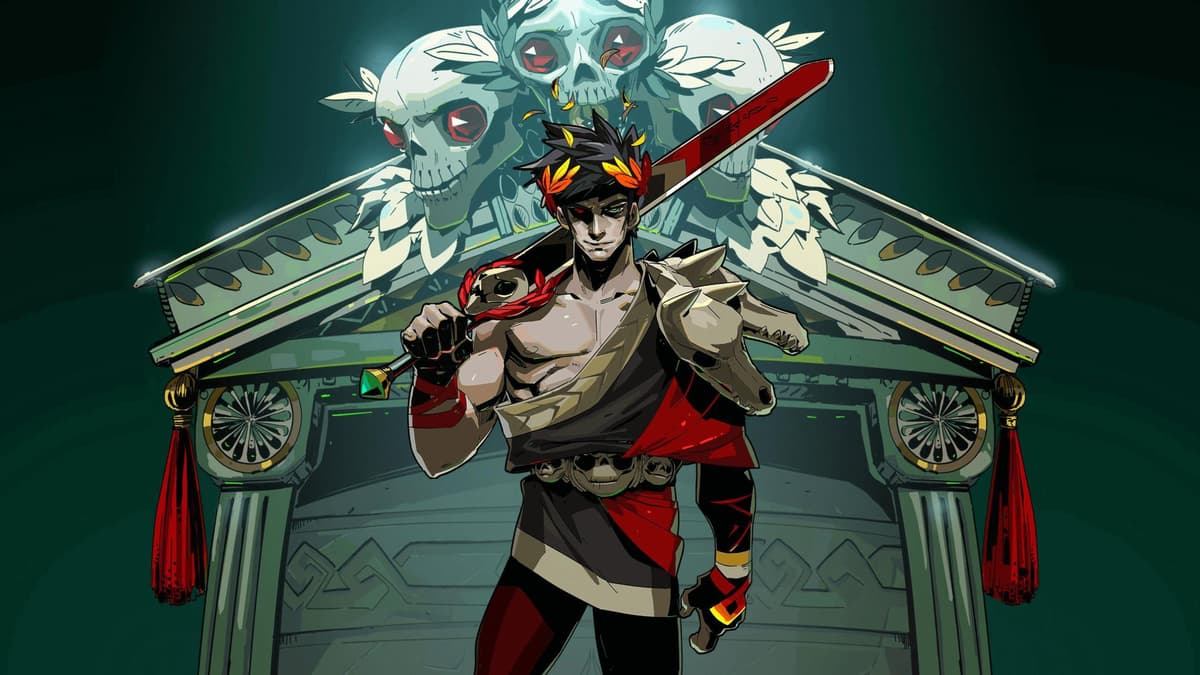
Platforms: PC, Nintendo Switch, PS5, Xbox Series X/S
Release Date: March 5, 2026
IGN Score: 9.3/10
After Hades became the template for modern roguelikes, Supergiant could’ve coasted. Instead, Hades 3: Underworld Uprising doubles down on everything that made the series bedtime kryptonite. IGN’s 9+ score lines up with reality: this is the rare third entry that feels like the “completed” idea rather than a simple victory lap.
The big shake-up is duo runs. You and a friend—or AI partner—tackle the House of Hades together, building partnerships that change every decision. Aggro management, complementary boons, and mid-run pacts that ripple through later events mean you’re not just min-maxing builds in isolation; you’re negotiating a partnership with every encounter. Gods Felix and Eris have new “Fate Shards” that alter terrain, spawn rival creatures, or force environmental hazards mid-boss fight—each run can feel wildly different.
Storytelling is sharper, too. Voice-acted lore dumps return but react dynamically to your performance: botching a duo boss battle can lead to snarky jabs from Achilles later, while a flawless win unlocks secret cutscenes with thematic banter. The campaign length sits around 25–30 runs to see every narrative branch—longer if you chase the hidden “Elysian Trials” that unlock extra god paths and a final sequence worthy of a mythic finale.
Combat remains fast, readable, and brutally fair. New weapon aspects let you blend duo-focused upgrades—like a double-axe that grants shared boons with your partner or a bow that tags enemies for team synergy—and even series veterans will retool builds they thought they’d mastered. It can feel iterative if you’re expecting another revolutionary hook, but this is the kind of iteration that matters: smarter storytelling, more expressive builds, and enough “just one more run” nights to wreck your sleep schedule.
Speaking of deep systems, if melee chaos is your jam, Nioh 3 might be calling your name next.
3. Nioh 3
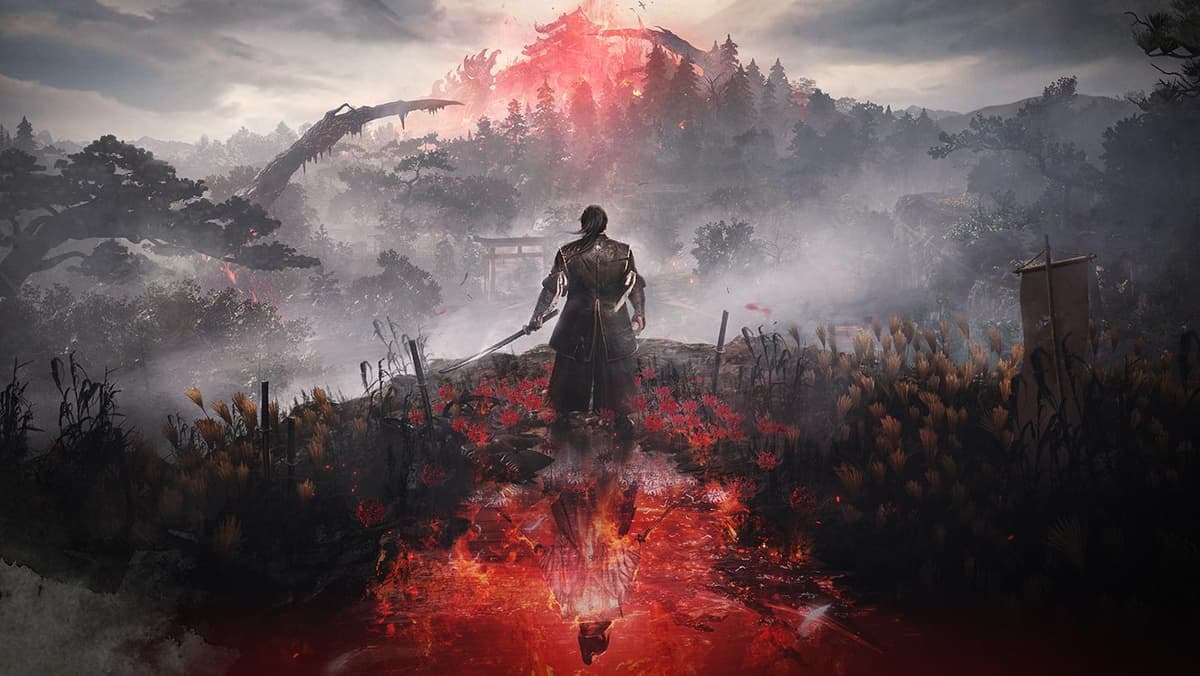
Platforms: PS5, PC
Release Date: March 15, 2026
IGN Score: 9.2/10
Soulslikes are everywhere in 2026, but nothing feels quite like Nioh 3. Team Ninja has always chased depth over accessibility, and IGN’s “Amazing” grade reflects that this is the most confident version of their formula yet. The series’ intricate stance-switching combat now lives inside a larger, more open structure—think smaller biomes anchored by legacy mission design rather than a checklist-heavy map.
The onboarding is still steep compared to Nioh 2; expect a multi-hour tutorial before you truly break free. But once you’re in, optional bosses hide in ruined shrines, secret duels trigger only at midnight in game time, and co-op raids feel like mini-MMORPG instances, complete with hard-mode loot drops and exclusive titles. Buildcraft is bonkers: swapping stances mid-combo to squeeze in an Iai strike, weaving yokai abilities into your dodge rhythm, and customizing nine different weapon types gives you playstyle permutations that’ll keep you experimenting for 40+ hours.
New difficulty presets and optional “Apprentice Mode” ease the learning curve for newcomers, while DLC-style Challenge Chambers deliver endgame gauntlets that demand pixel-perfect execution. The soundtrack by hidden genius Keiji Inai pumps adrenaline into every boss arena, and the visuals shine in 4K on PC, though occasional pop-ins and texture streaming remind you this engine is pushing its limits.
If you bounced off other soulslikes for feeling stiff or limited, Nioh 3’s hyper-technical style might pull you straight back in—or terrify you. Either way, it absolutely deserves its near-top place in 2026’s mountain of releases.
Next up: a game that makes every NPC companion feel like a co-star in your adventure—enter Dragon’s Dogma 2.
4. Dragon’s Dogma 2
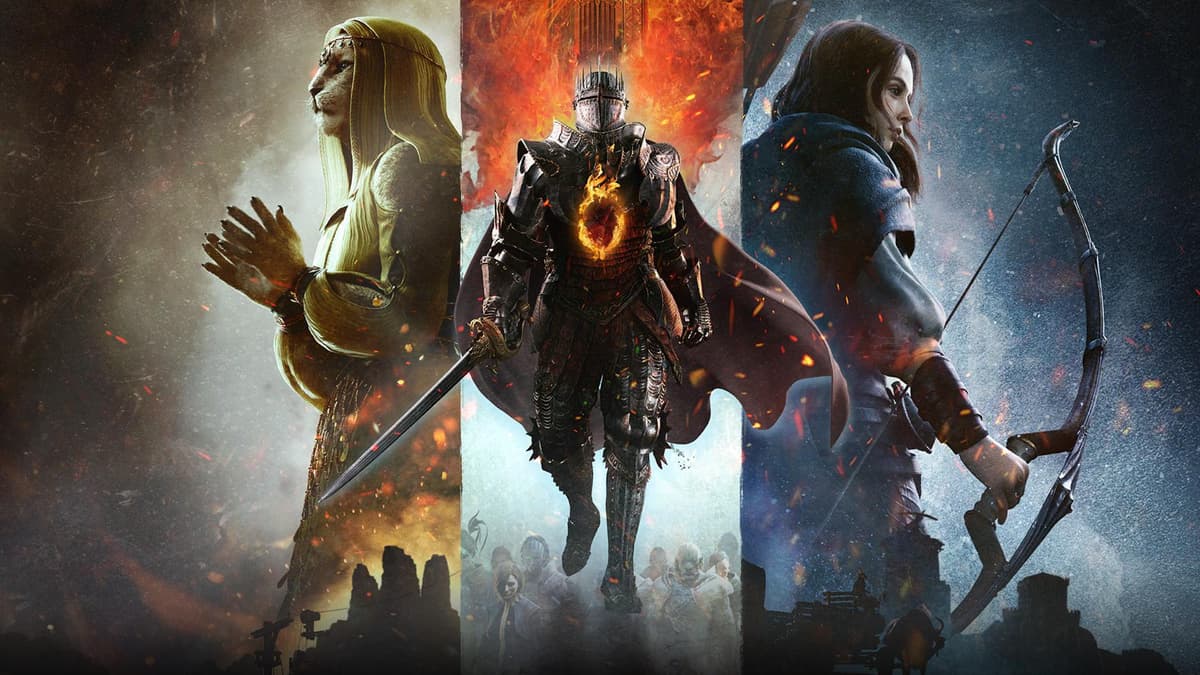
Platforms: PS5, Xbox Series X/S, PC
Release Date: February 28, 2026
IGN Score: 9.0/10
Dragon’s Dogma 2 is the open-world RPG that made me stop comparing every new fantasy map to Elden Ring for a bit. IGN’s review praised how its emergent pawn AI, climbable monsters, and sprawling biomes outshine many competitors. After trekking through its wild landscapes with a band of over-eager pawns, I can’t disagree.
The real magic remains the pawn system. Your AI companions remember, chatter, drag you toward secrets they’ve “seen” in other players’ worlds, and occasionally throw themselves off cliffs in endearingly stupid ways. That emergent behavior, combined with dynamic weather, day/night cycles, and a refusal to level-scale everything into blandness, creates stories you can’t script. My favorite: a simple escort mission spiraled into a nighttime basilisk ambush, a broken bridge detour, and a desperate last stand in a moonlit ruin lit only by your party’s torches.
Combat shines thanks to monster size and climb-and-rip mechanics—ripping the heart from a cyclops’s chest as it swings wildly is as cinematic as it sounds. Gear crafting feels meaningful; scavenged parts let you customize armor sets for bonus elemental defenses, and early DLC plans promise new weapon classes to spice up builds. True, the PC port had stutters in its first patch, and the UI occasionally feels like it escaped from a PS3 era, but when it flows, this game nails “adventure as accident.”
If you want a 2026 RPG that rewards curiosity more than checklisting, open this world and dive in. For a different style of sandbox ambition, the next entry takes you to the stars.
5. Starfield: Shattered Space
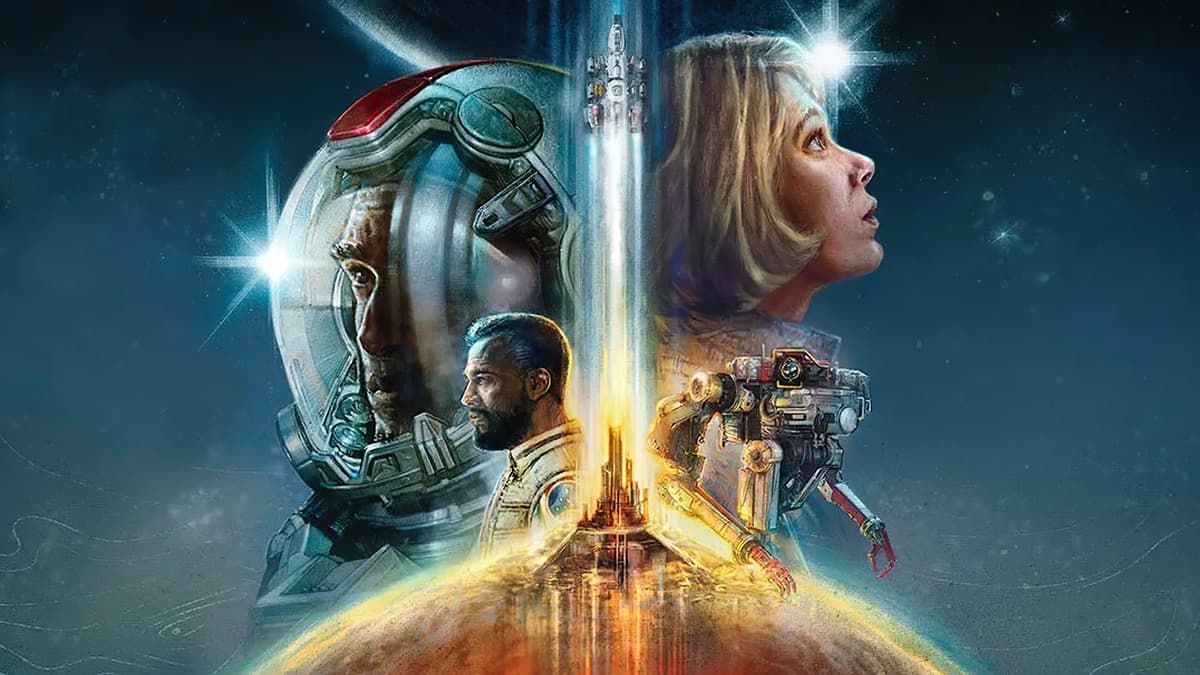
Platforms: PC, Xbox Series X/S
Release Date: April 10, 2026
IGN Response: Praised as “what the base game always promised”
Yes, it’s an expansion, not a standalone release. But Starfield: Shattered Space deserves a slot because it finally turns Bethesda’s big space RPG into the game the trailers always implied. IGN pretty much said the same thing, calling it “what the base game promised,” and that’s exactly how it plays.
The standout additions are overhauled shipbuilding and faction warfare. Modules now have real tactical impact in space engagements—placing shields, thrusters, and weapon arrays in strategic layouts can make or break a dogfight. Factions behave less like disconnected quest hubs and more like geopolitical powers with grudges spanning entire star systems. Aligning with one faction can trigger dynamic encounters in rival territories, forcing you to navigate shifting alliances.
Structure has sharper pacing: tight mission arcs lead into branching campaign paths, and side jobs no longer feel like filler. Resource management now includes crew morale and ship upkeep, so long hauls across nebulae feel tense—will your reactor hold up? Loading screens still sneak in, and modders debate how much new content they can tweak on console, but moment-to-moment, Shattered Space injects stakes into every hyperjump.
If you wrote Starfield off in 2023, this expansion is 2026’s strongest argument for giving it a proper second chance. Next, we return to a world of monster-taming—this time with eggs and ethical quandaries.
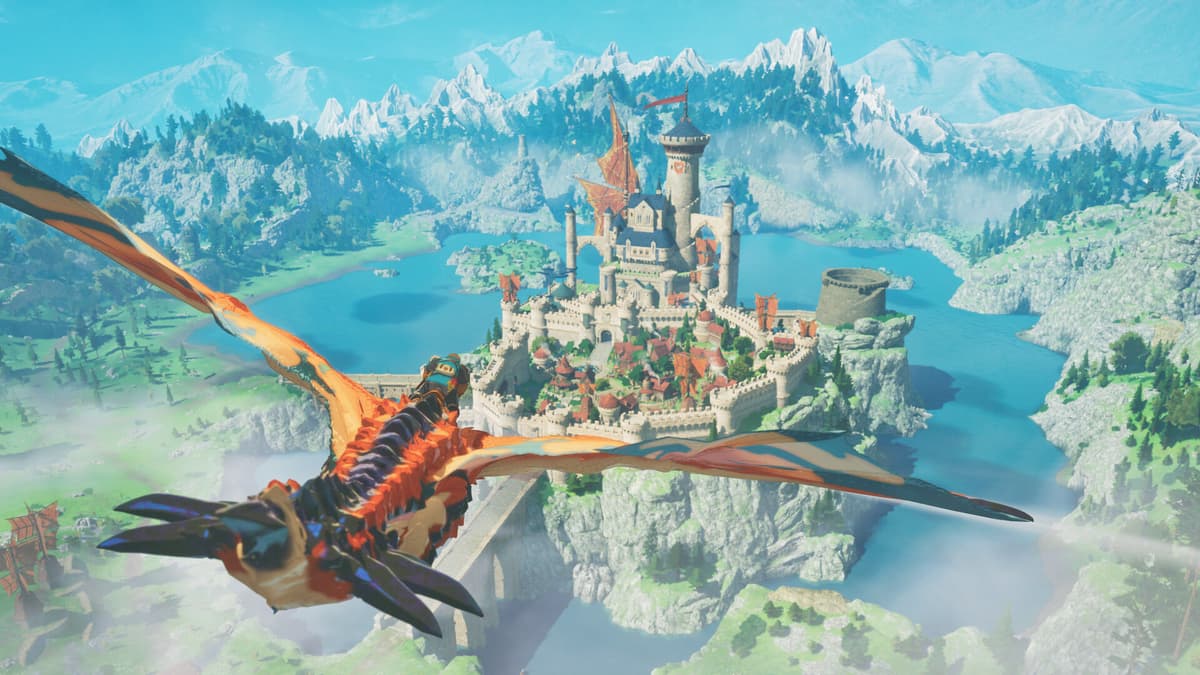
6. Monster Hunter Stories 3: Twisted Reflection
Platforms: Nintendo Switch, PC
Release Date: March 2, 2026
IGN Score: 8.4/10
Monster Hunter Stories 3: Twisted Reflection quietly ended up being one of my longest single saves of the year so far. IGN praised how it smooths over the mild frustrations of the first two games, and as someone who LIKED but didn’t love them, I noticed that immediately.
The loop is razor-clean now: hunt, hatch, fuse, ride—repeat. Every new Monstie egg isn’t just a collectible; it’s a potential piece in your long-term team puzzle. Tweaking gene layouts to push a defensive creature into a glass-cannon role, or building an all-weather squad that adapts to any foe, scratches the same itch as a great deckbuilder. Battles remain readable, rock-paper-scissors affairs, but there’s more nuance layered in through special skills, elemental synergies, and strategic positioning than the cute presentation suggests.
Story and world surprised me, too. Twisted Reflection leans harder into the weird biology and ethics of a realm where your best friend is also technically an apex predator. Side quests explore moral grey zones—rescue missions can end with you debating whether to spare a poacher or not—and boss showdowns feel earned because you’ve bonded with your Monstie. It clocks in around 40–50 hours for a full story plus post-game hunts, and optional Golden Egg Trials deliver fierce challenges for veterans.
If mainline Monster Hunter feels too mechanical or stressful, this narrative-driven spin-off is a cozy, yet surprisingly deep, alternative—and one of 2026’s best RPGs, full stop. From here, we shift gears to the pocket-dimension experiments of Pokémon Pokopia.
7. Pokémon Pokopia
Platforms: iOS, Android
Release Date: February 10, 2026
IGN Score: 8.5/10
7. Pokémon Pokopia
Platforms: iOS, Android
Release Date: February 10, 2026
IGN Score: 8.5/10
🎮 Get This Game at the Best Price
Compare prices instantly and save up to 80% on Steam keys with Kinguin — trusted by 15+ million gamers worldwide.
*Affiliate link — supports our independent coverage at no extra cost to you
On paper, Pokémon Pokopia sounds like a Frankenstein monster: part town builder, part AR experiment, part mobile-first spin-off. In practice, it’s the most I’ve cared about my Pokémon as neighbours rather than just battle assets since the old Mystery Dungeon days. IGN landed in the mid-8s, dinging it for gacha-leaning monetization—which feels fair—but underneath that there’s a genuinely charming core game.
The hook is restoring a pocket-dimension world one building, path, and decoration at a time. Instead of grinding battles, you’re figuring out which Pokémon fit which routines and spaces. A grumpy Fire-type running your forge, a trio of nervous Ghost-types tending an out-of-the-way shrine—it all sells the fantasy that these creatures have lives beyond your party menu. Poké Ball crafting and resource juggling make captures feel intentional rather than rote.
The AR co-op system really sold me. Meeting friends in real locations, dropping shared structures into Pokopia, and watching our combined rosters wander around is the closest the series has come to that childhood “what if Pokémon were really here?” daydream. Multiplayer events layer in raid-style boss captures with timed objectives and loot tiers, so working together feels meaningful. Monetization pushes—timers, cosmetic gachas, and pull rates—never completely kill the fun, but they’re the one thing holding Pokopia back from being an unqualified mobile masterpiece.
Next up: a political epic that makes you juggle three heroes, mountains of lore, and cliffhangers worthy of a streaming series finale.
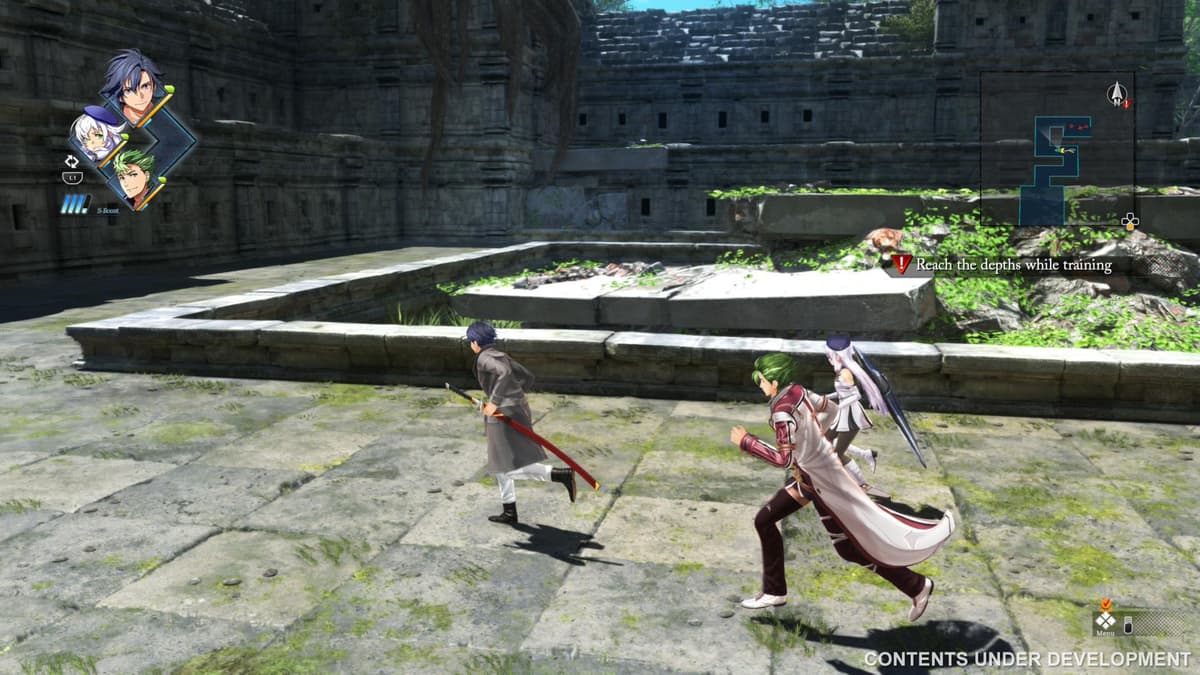
8. The Legend of Heroes: Trails Beyond the Horizon
Platforms: PS5, PC, Nintendo Switch
Release Date: January 30, 2026
IGN Score: 8.0/10
The Trails series has always played the long game, and Trails Beyond the Horizon might be the most Trails game ever Trails. IGN tagged it with a solid 8 and a caution about its plot-heavy pacing—and they’re right: this is a political saga that assumes you’re willing to read.
Instead of a single hero, you juggle three protagonists, each with unique routes and personal stakes inside the ongoing Calvard Republic turmoil. Early chapters can feel meandering as you switch perspectives, but by mid-game the narratives braid together in classic Falcom payoff. Detailed worldbuilding—trade disputes between city-states, covert intelligence operations, and moral gray zones—is delivered in bite-sized chunks that make the lore feel less like a firehose.
Combat evolves the series’ hybrid turn-based/real-time system with new mechanics: free positioning on a grid lets you flank enemies, environmental hazards can be triggered mid-battle, and high-speed link attacks chain party members for epic finishers. The soundtrack, a mix of orchestral swells and jazzy motifs, underscores key political twists, though a dense cast of 40+ NPCs means you’ll need stamina to follow every subplot. The ending is a cliffhanger cliff-noted by IGN—more “season finale” than true conclusion—but when you want an RPG that feels like diving into a sprawling novel, Trails delivers.
From sprawling political sagas we turn to sheer atmospheric tension on a single mountain peak.
9. Cairn

Platforms: PC, Nintendo Switch
Release Date: February 14, 2026
IGN Score: 9.0/10
If most climbing in games feels like holding forward and waiting, Cairn feels like actually clinging to cold rock with shredded fingers. IGN’s glowing 9 made sense the moment I realized I was subconsciously holding my breath on tough ascents.
You play Aava, a climber tackling the ominous mountain Kami, and everything hinges on that relationship between body and stone. Every reach, grip, and foothold is a deliberate choice: misplace your hand and you’ll plummet. Bad weather, night climbs, and dwindling supplies aren’t just flavor—they’re mechanical pressure. I spent runs stopping to tape up Aava’s hands, ration dried fish, and plan how many risky moves I could afford before her stamina ticked out.
Storytelling rides on the climb: voiceovers from Kami ask, “Who are you? Why are you here?” and, by the end, you feel like you’ve earned your answer. Environmental storytelling is rich: abandoned campsites hint at previous climbers, half-buried journals tell of obsession and tragedy, and ghostly apparitions in the mist drive home themes of grief and redemption. The path to the summit can take 8–12 hours, with multiple endings based on how many optional peaks you conquer and relics you unearth.
It’s brutally focused, occasionally frustrating, and completely unforgettable. In a year full of sprawling worlds, Cairn stands out by giving you one mountain you’ll think about long after you’ve reached—or failed to reach—the summit.
Next on the roster: a roguelike so cat-crazy it should come with a bedtime warning.
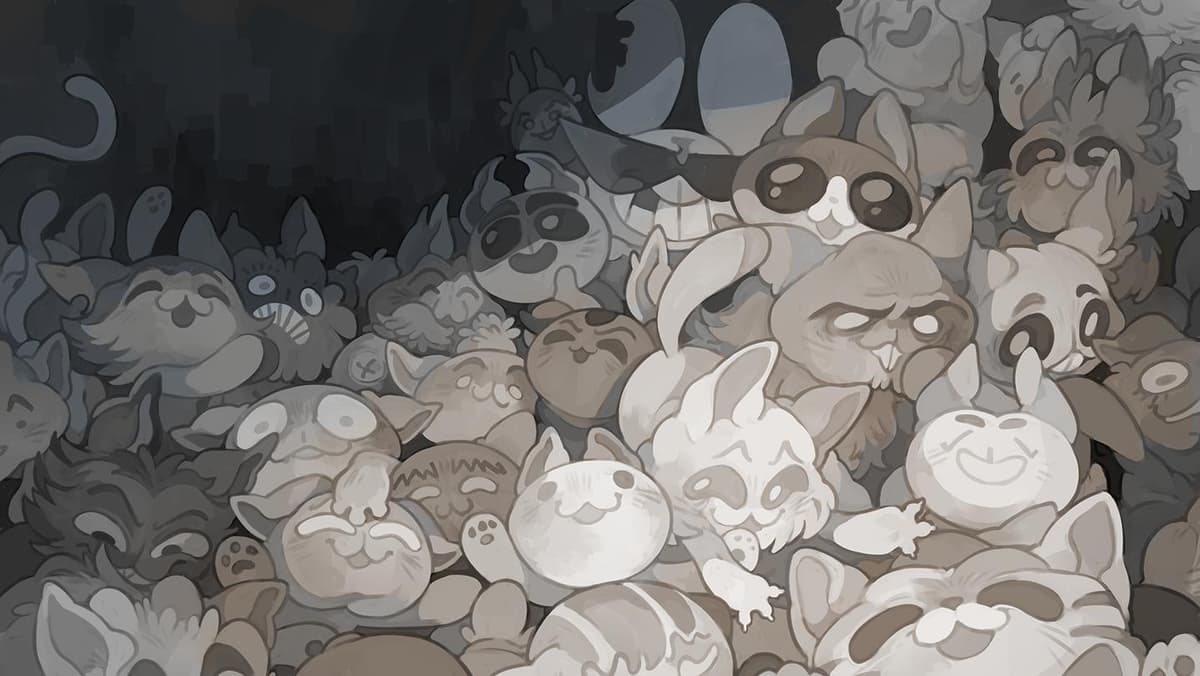
10. Mewgenics
Platforms: PC, Nintendo Switch
Release Date: March 22, 2026
IGN Score: 8.8/10
Mewgenics is the game that keeps turning “I’ll just do one more run” into “why is it 1:30 AM?” IGN’s review nailed that exact feeling, and it mirrors the wider reception: it’s a tactical, turn-based roguelike where your party is an ever-mutating squad of cats you’ve bred yourself, and that description still undersells how wild it gets.
Each expedition starts in your homestead where you select cats based on genetic traits—fur mutations grant poison immunity, extra limbs can wield dual weapons, and oddball deformities sometimes unlock secret skills. Arenas are procedurally generated biomes, enemy lineups shuffle constantly, and found items can flip your entire strategy mid-run. Half my favorite moments came from “blind equip” gambles: buddy-cat sprouting laser eyes or summoning a swarm of mice in your defense, for better or worse.
The humor is gross and mean-spirited—yanking kittens into meat grinders for stat boosts isn’t for everyone—but it’s fully committed. Outstanding original tracks lighten the mood just enough, even when your dynasty of supersoldier cats gets mulched. Runs last 20–30 minutes on average, but sandbox breeding systems can keep you tinkering for dozens of hours, constantly chasing that next toxic perfect build.
If you like games where discovery is baked into the rules—where new interactions pop up dozens of hours in—Mewgenics is 2026’s standout in that niche.
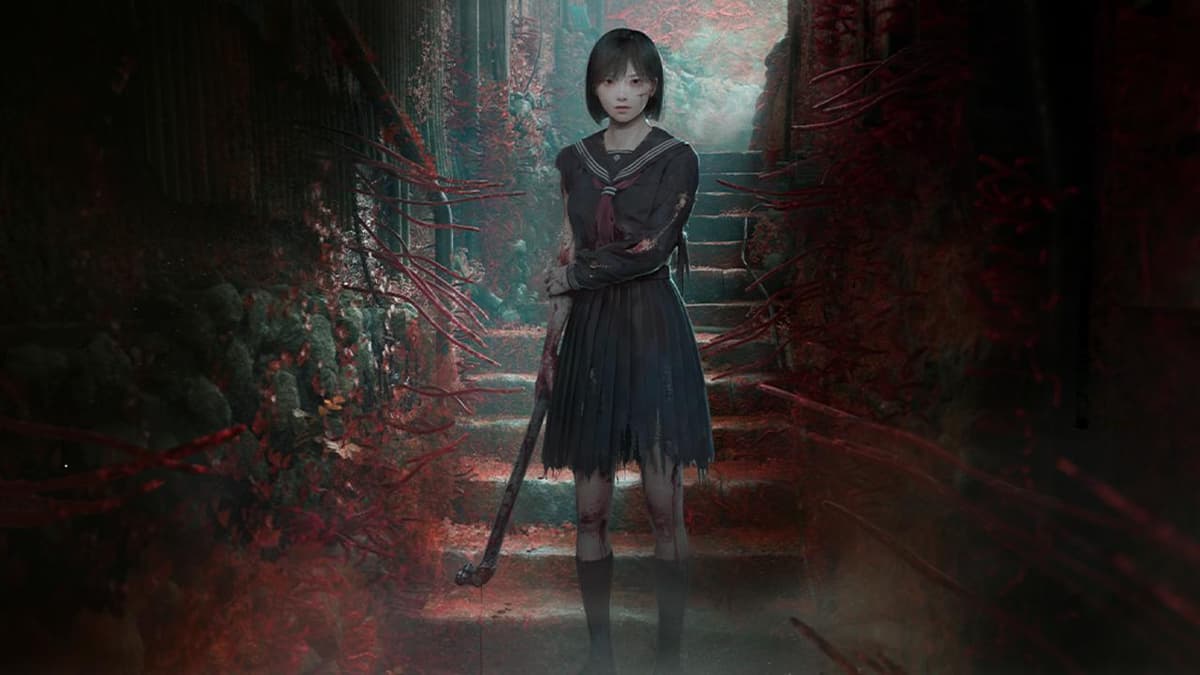
11. Silent Hill f
Platforms: PS5, Xbox Series X/S, PC
Release Date: March 18, 2026
IGN Score: 8.7/10
Konami’s new take on its horror staple, Silent Hill f, is divisive in all the ways I want a Silent Hill game to be. IGN praised its suffocating atmosphere and remarkable sound design while noting the combat’s simplicity, and after playing with headphones on and lights off, I’m firmly in the “this works” camp.
The most striking feature is the blend of live-action FMV with in-engine exploration. These FMV sequences aren’t throwback gimmicks; they lend certain scenes an uncanny texture you don’t get from even the nicest real-time rendering. Jumping from a grimy hallway you control to a grainy, off-kilter live-action flashback keeps you constantly second-guessing what’s “real” in this town’s logic.
Gameplay skirts survival-adventure more than hardcore action horror. Combat is straightforward—think melee weapons with light RPG stats—so if you expect systemic stealth or layered boss mechanics you might be disappointed. But as a psychological horror story about guilt, decay, and how people ruin each other before supernatural rot sets in, it sticks. A few audio-only sequences—voices whispering from radios, static-laced lullabies—have haunted me more than any jump scare this year.
Silent Hill f may not be the most mechanically dense game of 2026, but in pure mood and atmosphere, it ranks near the top.
12. Under Night In-Birth 2 Sys:Celes
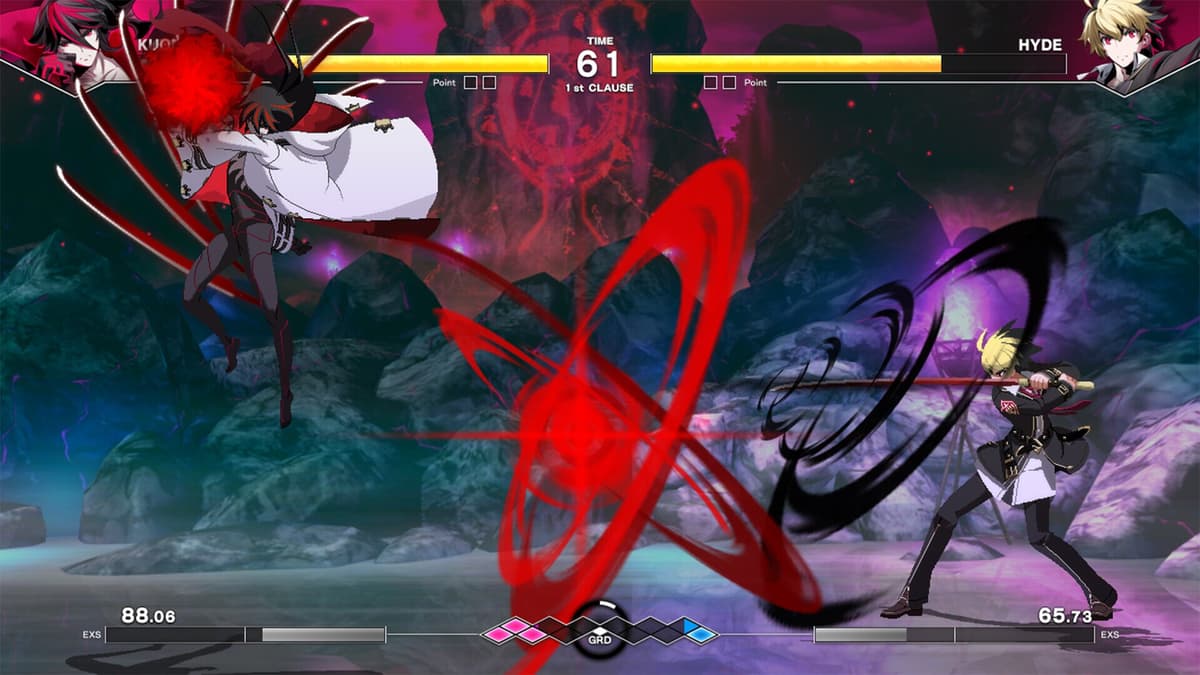
Platforms: PS5, PS4, PC
Release Date: April 1, 2026
IGN Response: Positioned alongside the year’s best fighters
If you love 2D fighters, Under Night In-Birth 2 Sys:Celes feels like a love letter written directly to you. IGN’s review slotted it among the genre’s finest, and that’s not hyperbole. It’s dense, stylish, and absolutely packed with systems—the kind of game that makes you want to open a frame-data doc “just to check something.”
Roster depth impresses: returning fan favorites get tweaked combos, while newcomers each bring genuinely unique mechanics—one character manipulates shadow resources, another trades health for power in high-risk gambits. Training tools have never been this robust: hitbox visualizers, combo recorders, and the brilliant replay-takeover feature let you scrub through your own matches and insert practice blocks where you need them. It’s a lab monster’s dream.
Story mode remains lore-dense—expect 20+ hours if you read every character arc—so casual players might feel swamped. But the netcode is rock-solid, making online matches buttery smooth, and Arcade mode offers ladder challenges with custom modifiers and bonus reward skins. If you’ve ever wanted a fighter that respects your time enough to teach you properly then asks you to put in serious work, Sys:Celes is easily one of 2026’s most rewarding purchases.
13. Catlateral Damage: Definitive Pounce
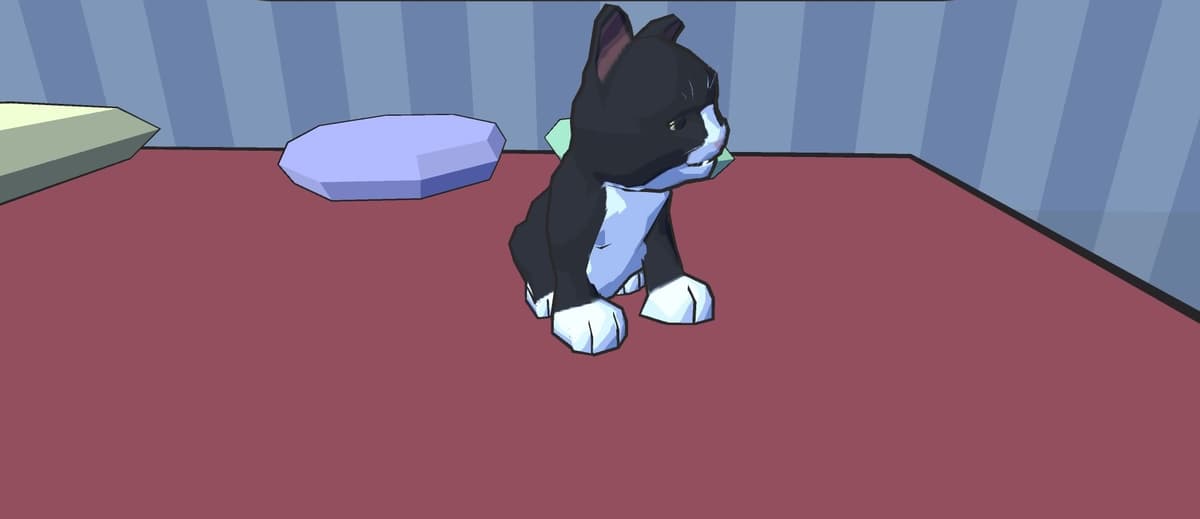
Platforms: PC, Nintendo Switch, Xbox Series X/S
Release Date: January 20, 2026
IGN Score: 8.1/10
Wrapping up a list packed with prestige horror and sprawling RPGs on a physics-based cat chaos sim feels exactly right for 2026. Catlateral Damage: Definitive Pounce takes the original “knock everything off the shelves” joke and expands it into a full multiplayer destruction derby. IGN scored it in the low 8s, while some outlets called it a “one-trick pony”—but when that one trick is this entertaining, I don’t mind.
The premise remains: you are a cat, and gravity is your co-op partner. But the Definitive Pounce edition layers in modes, modifiers, and competitive objectives that turn quick sessions into riotous, shouty evenings. Race friends to hit damage quotas, sabotage each other’s stacked targets, chain perfect pounces through elaborately arranged kitchens and offices—it’s pure slapstick, elevated by surprisingly solid physics and responsive controls.
Multiplayer lobbies let you adjust timer speeds, item spawn density, and even play a “stealth kitty” mode where you score bonus points by avoiding detection. Solo challenges include time trials and break-the-pattern puzzles that push your mastery of the physics engine. It’s low-budget—you can see the seams if you look—but for party chaos or a 15-minute palate cleanser, this game is the go-to. A million-plus demo plays on Steam suggest I’m not alone.
How to prioritise these 2026 standouts
If you want a big, meaty single-player timesink, start with Resident Evil Requiem, Nioh 3, or Dragon’s Dogma 2. For shorter sessions that still hook hard, Hades 3, Mewgenics, and Catlateral Damage cover wildly different moods. JRPG fans shouldn’t sleep on Trails Beyond the Horizon or Monster Hunter Stories 3, and mobile experimenters will find Pokémon Pokopia the most interesting spin-off in years.
However you slice it, 2026’s early lineup is already strong enough that you don’t need to chase everything. Pick the two or three games that match your playstyle, dive deep, and let the rest roll into your backlog for when the next quiet patch hits.
Conclusion
Early 2026 has delivered an eclectic mix of horror showpieces, deep RPGs, tight fighters, and wild indies—each one earning high praise from IGN and carving out its own niche. Whether you crave tense survival horror, emergent open-world stories, or roguelike cat madness, there’s a standout here for every player type. Choose your journey, clear some SSD space, and get ready for one of the strongest years in gaming memory.
FinalBoss // Gear
Level up your setup
01Top-rated gaming headsetson Amazon→02High-refresh gaming monitorson Amazon→03Gaming chairson Amazon→04Discounted game keyson Kinguin→Affiliate links · As an Amazon Associate, FinalBoss earns from qualifying purchases.
Want to Level Up Your Gaming?
Get access to exclusive strategies, hidden tips, and pro-level insights that we don't share publicly.
Ultimate Top Strategy Guide + Weekly Pro Tips