
Idle games on Steam in 2026 are dangerously good
Idle games are the most honest time vampires on Steam right now. No cinematic trailers pretending otherwise: numbers go up, currencies explode, you prestige, repeat. In 2026 the store is full of auto-battlers and “incrementals,” but the list below is for the ones that actually respect your time — the games you can park on a second monitor while working, then alt-tab back to find an interesting decision waiting instead of a “watch ad for 2x” prompt.
My ranking leans toward three things: long-term build and prestige depth (prestige: a deliberate reset that gives permanent bonuses to future runs), satisfying feedback loops even days or weeks later, and some kind of twist — whether that’s full-blown RPG systems, scripting your automation, or clever formation puzzles instead of raw DPS races. These are the idle games on Steam that, in 2026, feel worthy of a background tab and the occasional obsessive afternoon.
Table of Contents (16)
Key takeaways (TL;DR)
- Melvor Idle: deepest RPG-style idle on Steam — long-term builds and paid expansions keep it alive.
- Clicker Heroes: the pure, beginner-friendly loop; perfect if you just want numbers to explode.
- Idle Champions: formation puzzles wrapped in a D&D license — great for theorycrafters who don’t mind F2P trappings.
- Weird and experimental idlers (Farmer Was Replaced, Idle Gumball Machine) show the genre still experiments with fresh mechanics.
How to read this list
Each entry gets a one-line TL;DR verdict, a platform/price note, a recommended check-in cadence (how often to pop in), and a short pros/cons list to help you pick a new background obsession. I expand on what makes the late game interesting for a few standout picks so you know whether a title is a week-long sink or a years-long alternate account.
1. Melvor Idle
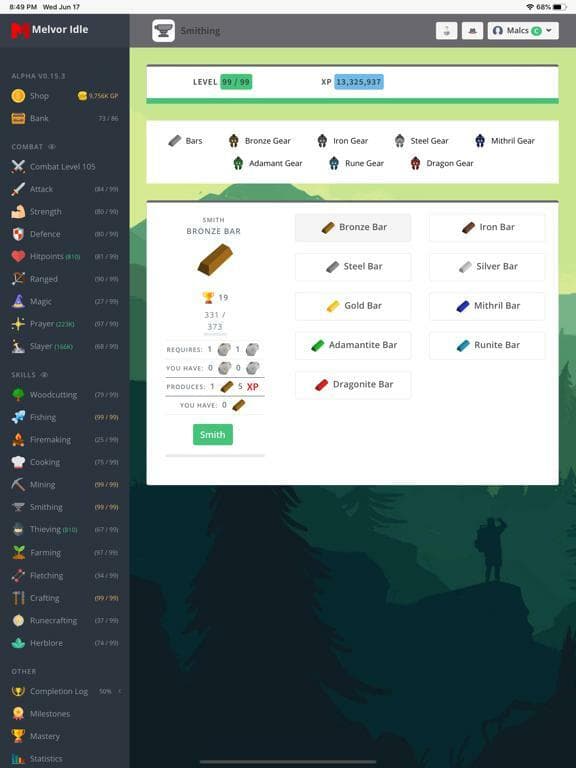
TL;DR: The deepest idle-RPG on Steam — skilling, bossing, and build theory you can obsess over for months or years.
Platform / price: Steam (paid base game; has had paid expansions)
Recommended check-in: A few times per day early, once a day/week late-game depending on goals
- Pros: Massive skill list and interlocking systems, generous offline progress, strong community theorycrafting.
- Cons: Complexity can feel intimidating; a lot of number management for newcomers.
Melvor Idle is the rare idle that feels almost like a compressed MMO alt. It borrows the flavor of old-school skilling games and retools it into an interface that happily ticks along while you focus on other things. The research dossier notes it has more than twenty trainable skills and has received multiple paid expansions (for example: Throne of the Herald, Atlas of Discovery, Into the Abyss), which is exactly the kind of ongoing content that keeps long-term builds interesting.
Late-game depth: what differentiates Melvor is the long-term build decision space. You optimize banks, gear sets, prayer setups for specific dungeons, and prestige timing — the game rewards planning several ascensions ahead. Offline progression and cross-save between Steam and mobile are established expectations for top-tier idlers in 2026, and Melvor’s generous offline systems make it possible to leave a run cooking overnight and return to meaningful gains rather than token scraps.
If you like min-maxing, spreadsheeting your next hundred levels, or slowly unlocking a sprawling tree of toys, Melvor is the one that will quietly live on your PC for literal years.
2. Clicker Heroes
TL;DR: The comfort-food classic of the genre — simple, perfectly tuned progression that teaches you the fundamentals of prestiging and multipliers.
Platform / price: Steam (free-to-play with optional microtransactions)
Recommended check-in: Several times a day for power-spikes; can also be left on overnight
- Pros: Extremely approachable, clear feedback loops, forgiving pacing for newcomers.
- Cons: Less mechanical depth than RPG-style idlers; eventually becomes about optimizing ascension timing.
Clicker Heroes remains the genre standard for a reason: the feedback loop is brilliantly clear. Kill creatures, hire heroes, upgrade, push, then ascend — rinse and repeat. The game is especially valuable as an onboarding tool; if you’re new to the genre, Clicker Heroes demonstrates core systems like Hero Souls (long-term currency earned on prestige) and Ancients (permanent boosters you choose to prioritize) without overwhelming you with dozens of separate skill trees.
Late-game behavior tends to be about meta-decisions: which ancients to level, when to ascend for maximum long-term growth, and how to balance active clicking versus passive DPS. Offline gains are meaningful but calibrated so you still plan runs. If you want a game that “teaches” you idle design while still being relaxing, this is the pick.
3. Idle Champions of the Forgotten Realms

TL;DR: A formation-based auto-battler that uses D&D license characters and conditional buffs to make each run a puzzle.
Platform / price: Steam (free-to-play; regular champion/cosmetic packs)
Recommended check-in: Daily for events, a few times a week for gearing and formation experiments
- Pros: Unique formation puzzle layer, massive roster and licensing appeal, steady live updates.
- Cons: F2P monetization is heavier than elsewhere on this list; gating can be frustrating for completionists.
Idle Champions leverages official Dungeons & Dragons licensing to offer an idle where positioning and conditional synergies matter as much as raw numbers. Champions bring situational bonuses — buffs for adjacency, area-specific ultimates, or benefits tied to formation layout — which turns optimization into a satisfying personal puzzle rather than mere percentage stacking. The game is a living service with frequent champion additions and seasonal systems, which keeps the meta evolving but also leans into premium unlocks and packs.
For players who like tinkering with comps and enjoy seeing familiar D&D faces in a low-maintenance format, Idle Champions is the best match on Steam.
4. Cookie Clicker
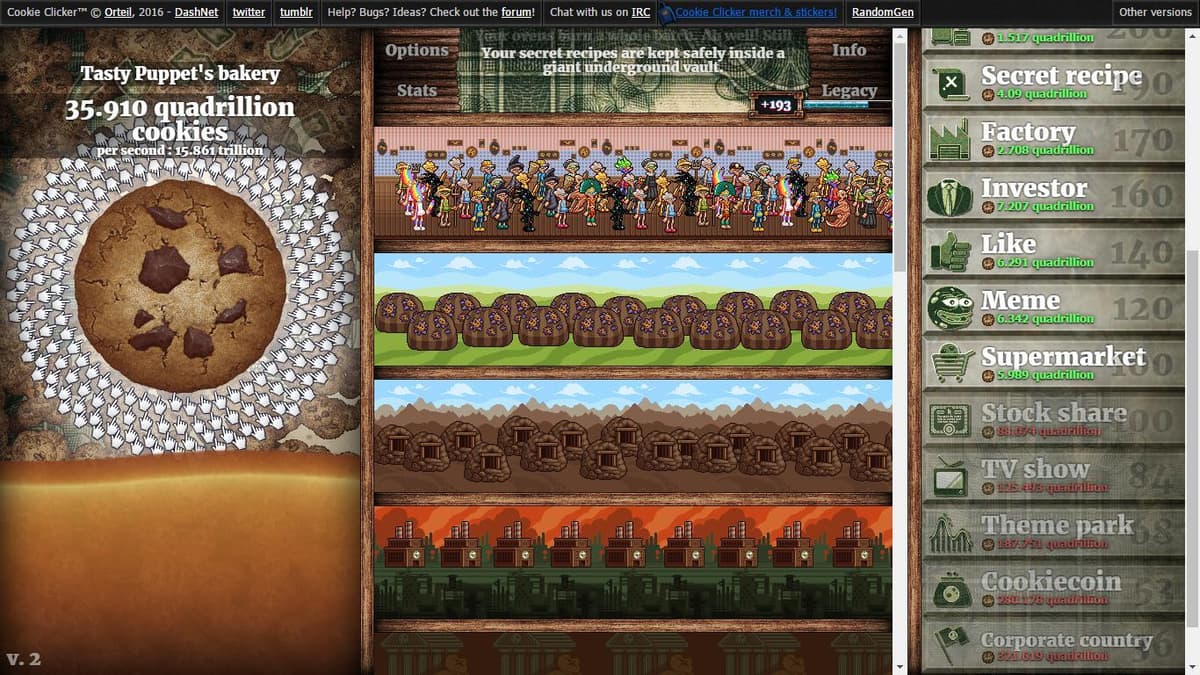
TL;DR: The progenitor of modern incrementals — absurd escalation, charming flavor text, and a prestige system that keeps you chasing bigger numbers.
Platform / price: Steam (one-time purchase on Steam version)
Recommended check-in: Every few hours during achievement runs; daily for long-term progression
- Pros: Incredible escalation and personality, achievement-driven longevity, clean monetization on Steam.
- Cons: Less mechanical variety than RPG idlers; the humor and late-game surrealism are a matter of taste.
Cookie Clicker is where a lot of the genre’s DNA begins — its absurd, escalating loop and the way it gamifies small upgrades into a cosmic joke have influenced countless successors. The Steam release strips much of the worst monetization out of the browser scene and presents a tidy prestige path (heavenly chips and resets) that enthusiasts can chase for months. If you enjoy games that lean into flavor and emergent comedy as part of their progression, this one remains a classic background companion.
5. Leaf Blower Revolution: Idle Game
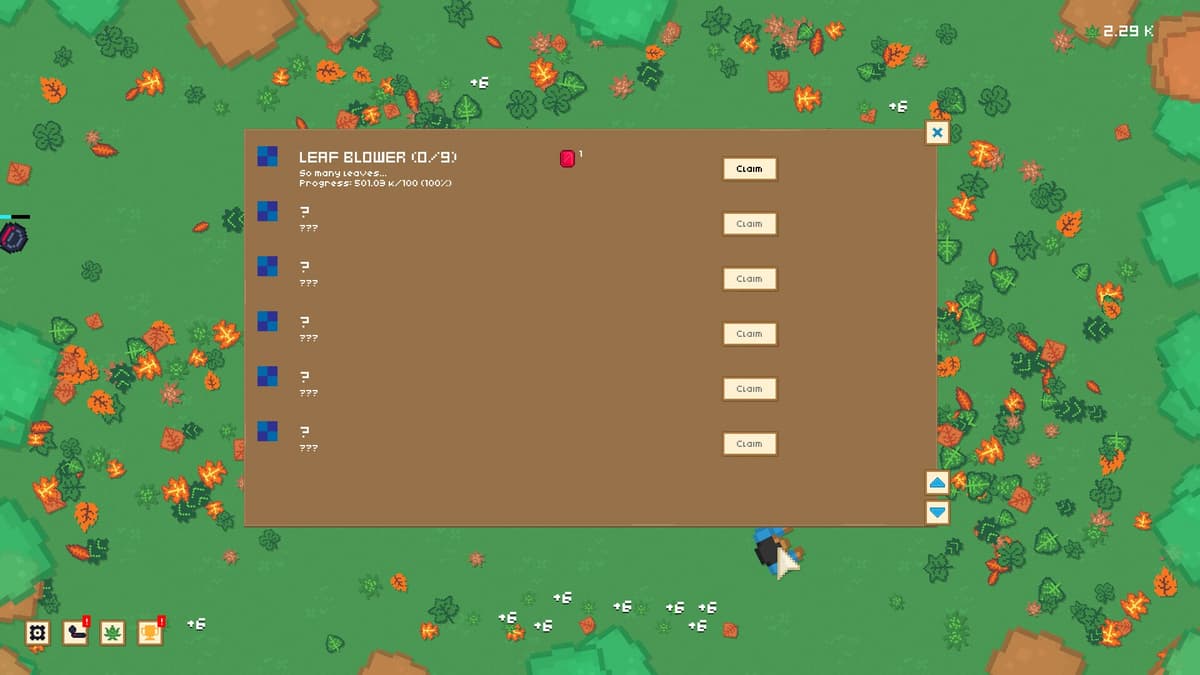
TL;DR: Starts as a silly premise and spirals into surprisingly intricate meta-systems — an escalation that keeps the loop fresh.
Platform / price: Steam (varies; generally a single-purchase title)
Recommended check-in: Multiple short checks per day to plan ascensions; weekly for longer meta-tuning
- Pros: Delightfully absurd theme, sensible escalation, no intrusive time gates if you just want to play casually.
- Cons: Its tone and premise are goofy; not for players wanting a strictly serious simulation.
Leaf Blower Revolution nails a hard thing: taking a joke concept and turning it into a coherent set of prestige layers and meta-currencies that remain readable. The loop moves from manual leaf-blowing to automation, then onto new maps and meta-bonuses that change how you approach ascensions. It’s one of those idlers that rewards both quick check-ins and longer strategic sessions — the design keeps compounding without becoming opaque.
6. NGU Idle (Numbers Go Up)
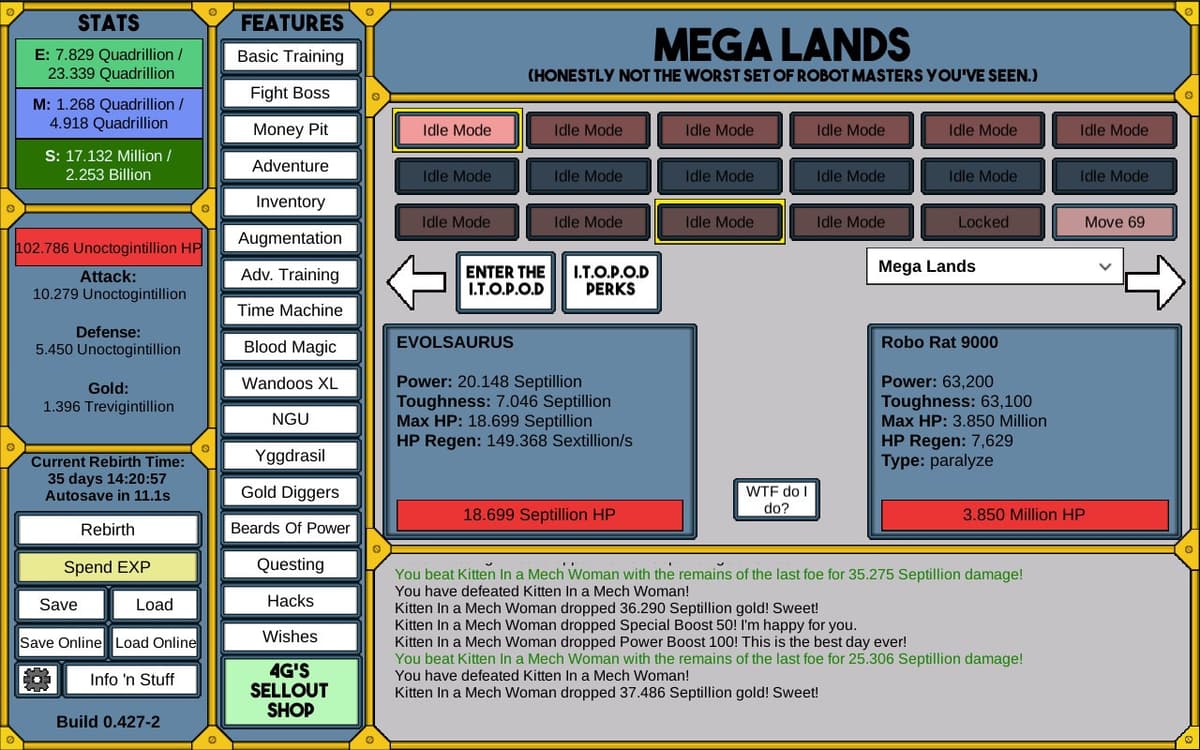
TL;DR: A proudly over-the-top stats playground that rewards figuring out which numbers to push next instead of just pushing everything at once.
Platform / price: Steam (typically free-to-play with optional purchases)
Recommended check-in: Several times daily during pushes; can be left running with long crafting queues
- Pros: Immense systems depth, wacky humor keeps the grind light, great for players who love meta-progression.
- Cons: Can be visually and numerically overwhelming; learning curve is steep.
NGU Idle embraces the genre’s meme — “numbers go up” — and turns it into a complex machine of zones, training systems, augments, and long-term boss goals. It’s the kind of title where you set up long crafting or auto-rebirth runs, leave it, and return to choices that actually matter: a new gear set, a different zone to push, or an augment that reorients your whole build. The tone is deliberately silly (item names and descriptions lean Internet-humor), which helps keep the grind entertaining.
7. Crusaders of the Lost Idols
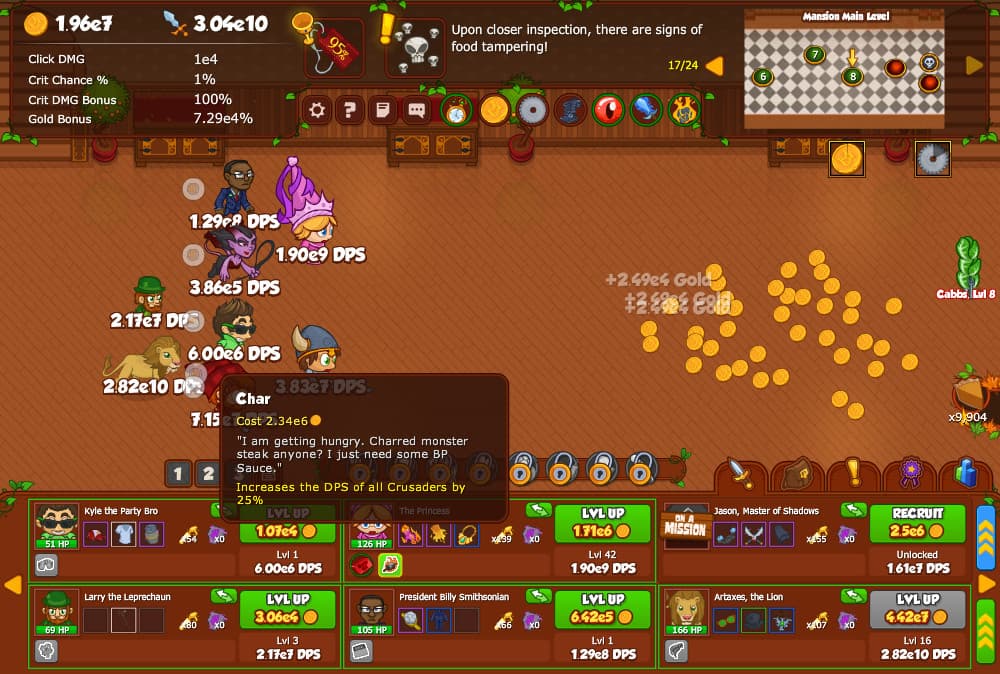
TL;DR: Formation-based idle where placement matters — a puzzle-box more than a pure number-spinner.
Platform / price: Steam (free-to-play with premium unlocks)
Recommended check-in: Frequent short sessions to experiment with formations; daily for event content
- Pros: Unique mechanics centered on formation; excellent for experimentation and puzzle solving.
- Cons: Less mainstream visibility; some content is gated behind events or premium packs.
Crusaders rewards careful arrangement: who sits beside who, which column they occupy, and which positions are boosted by specific idols. That simple twist turns the idle loop into an ongoing design problem — you’ll pause runs not because your numbers are stuck but because you suspect a smarter formation is hiding in your roster. If you find joy in iterative experimentation rather than raw stat climbs, Crusaders is still one of the smartest corners of Steam’s idle catalog.
8. Cell to Singularity

TL;DR: An evolutionary incremental that trades currency for “ideas” and composes a satisfying timeline from single cells to civilization.
Platform / price: Steam (free-to-play with optional paid expansions)
Recommended check-in: Daily or every few days for meaningful tech tree unlocks
- Pros: Thematic and educational without being preachy; steady long-term unlocks make idle runs feel meaningful.
- Cons: Less build complexity than deep RPG idlers; the pacing is sometimes too methodical for impatient players.
Cell to Singularity focuses on a different fantasy: watching life and ideas evolve across eras. Instead of gold or DPS, you’re collecting and investing into nodes that unlock eras, technologies, and side-branches. It’s an excellent background simulation if you enjoy seeing a tech tree slowly fill in while you sip coffee — the game balances idle throughput with meaningful choices on how to route future runs.
9. AdVenture Capitalist

TL;DR: The pure exponential growth simulator — buy businesses, automate, then prestige with angel investors.
Platform / price: Steam (free-to-play with optional purchases)
Recommended check-in: Short daily checks to collect managers and prestige benefits
- Pros: Immediate clarity of goals, very legible prestige structure, fast feedback loop.
- Cons: Design sometimes optimized around monetization; can feel shallow after you’ve mastered the curve.
AdVenture Capitalist is the distilled essence of idle design: its loop is simple, fast, and immensely satisfying if you like watching exponential systems snowball. Where it shows its age is that parts of the design still lean toward mobile-era timers and premium levers, but you can largely ignore those and still enjoy a smooth, rewarding progression.
10. The Farmer Was Replaced
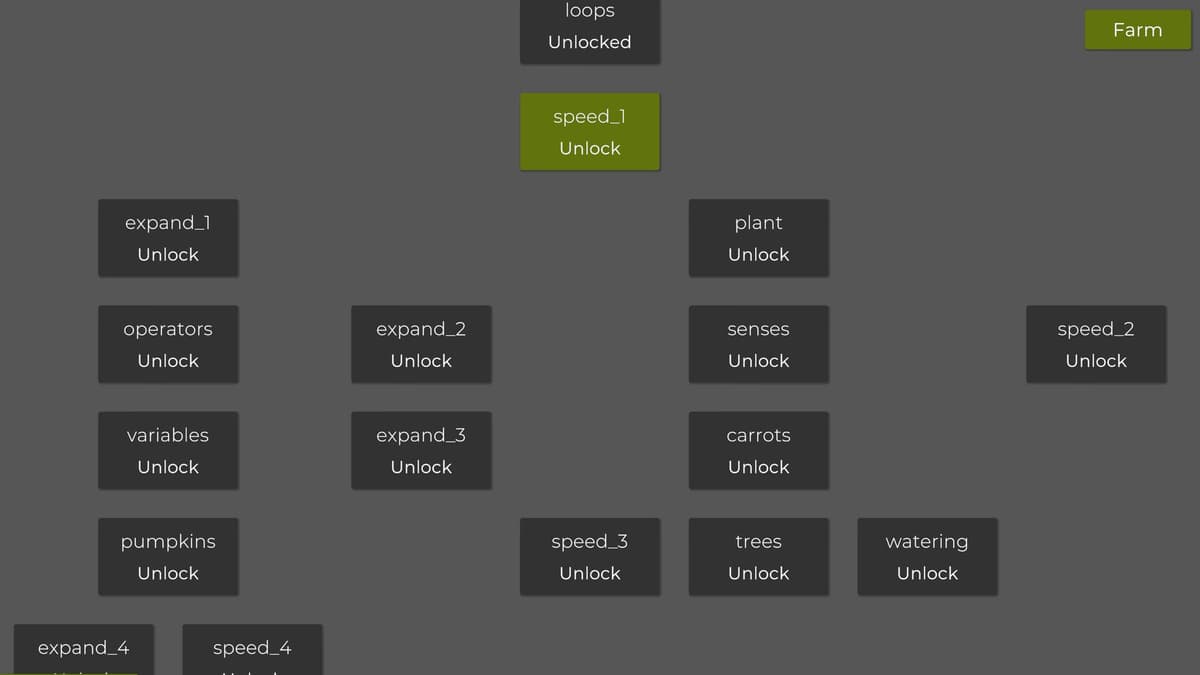
TL;DR: An education-meets-idle hybrid where you script automation using a Python-like language to keep your farm humming.
Platform / price: Steam (early access; paid or free depending on release model)
Recommended check-in: Check in after long runs to iterate on scripts; frequent checks while debugging
- Pros: Teaches real scripting concepts, satisfying automation loop, great fit for players who like programming puzzles.
- Cons: Still in early access so content is evolving; could feel niche if you don’t enjoy coding.
This title stands out for blending idle automation with coding. Instead of only buying upgrades, you program robots using a language inspired by Python to harvest, transport, and process goods. It transforms the usual optimization puzzle into code-based problem solving: write loops and conditions, let the system run AFK, then return to refine your logic. If you like Factorio’s automation fantasy but want a lighter, more passive experience that also teaches you something, this is an intriguing intersection.
11. Crusaders Quest: Hero Town
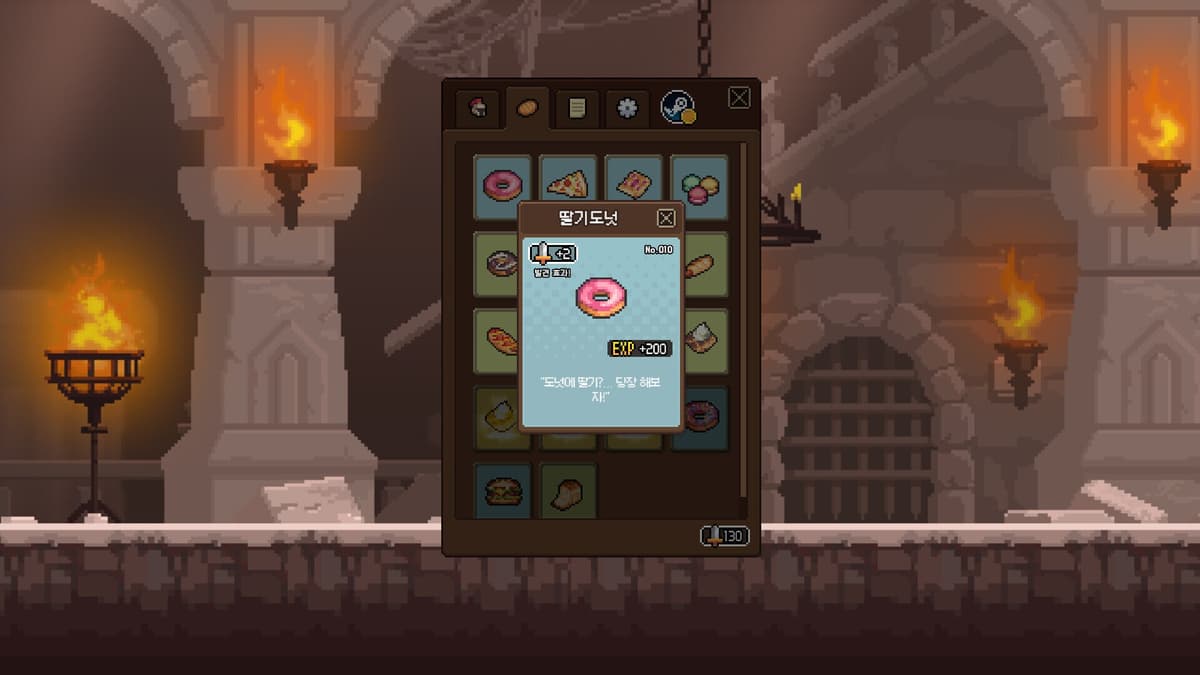
TL;DR: A fresh 2026 spin on a classic IP that mixes idle town-building with auto-battling hero systems.
Platform / price: Steam (generally free-to-play with in-app purchases)
Recommended check-in: Several short daily sessions to manage town upgrades and hero gear
- Pros: Charming desktop diorama feeling, character-driven upgrades, good for casual viewers who like cute pixel art.
- Cons: Newer title so meta and balance are still settling; some progression may be tied to live updates.
Crusaders Quest: Hero Town reframes an established brand as an idle diorama: heroes roam your town while buildings produce resources and buff combat. Combat happens automatically, but how you design your infrastructure affects long-term hero strength. It’s very watchable as a side-screen game and offers the satisfying cycle of checking in, tweaking buildings, and watching the little simulated world get better at fighting and producing.
12. Dwarf Eats Mountain
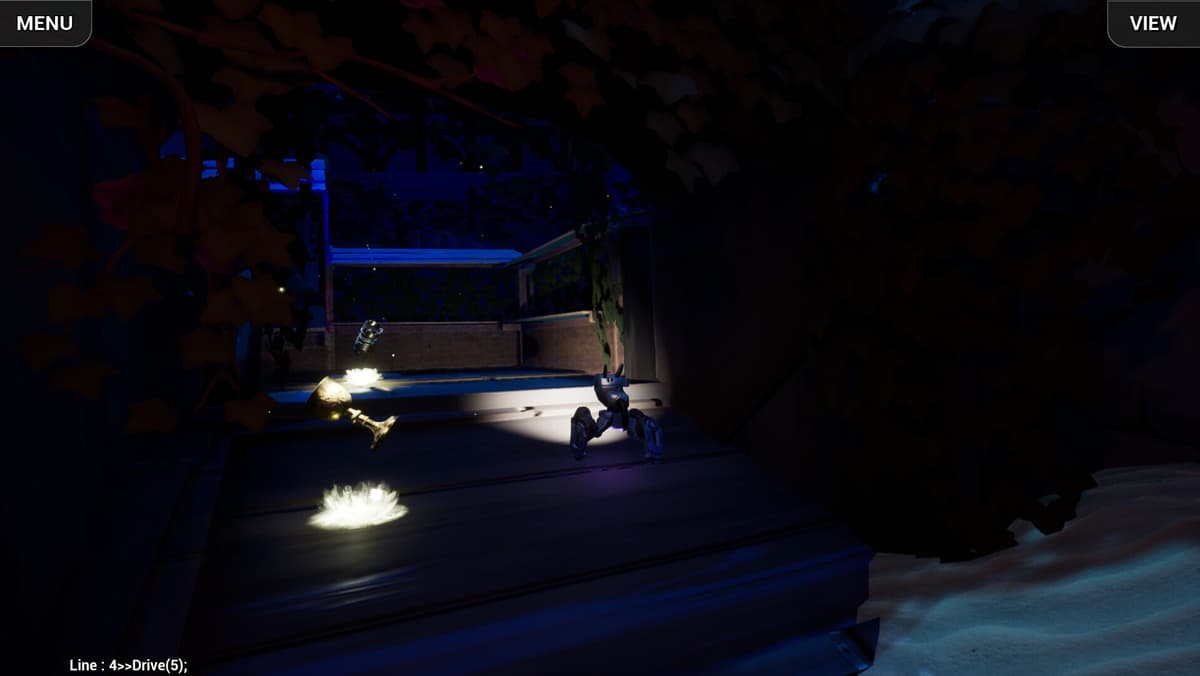
TL;DR: A mining-focused idle where dwarves chew through rock while you optimize production chains and bottlenecks.
Platform / price: Steam (emerging 2026 title)
Recommended check-in: Check daily for new tiers and infrastructure upgrades
- Pros: Visually satisfying progress (tunnels, caverns), good sense of vertical progression and resource management.
- Cons: Not as encyclopedic as the deepest RPG idlers yet; still growing content-wise.
Dwarf Eats Mountain is one of the newer experiments on Steam in 2026. Its strength is in tactile feedback: tunnels reveal themselves, your industrial base expands, and the whole mountain feels like a long-term project. You nudge priorities, refine upgrade chains, and decide which production bottlenecks to solve next — it’s an idle that also scratches the same production-management itch as more active logistics games.
13. Idle Gumball Machine

TL;DR: A delightful Plinko-style incremental where gumballs bounce through pegs and multipliers to create emergent payouts.
Platform / price: Steam (emerging 2026 title)
Recommended check-in: Frequent short tinkers to redesign the machine; daily for prestige progress
- Pros: Playful physics-based core loop, great for experimentation and satisfying chain reactions.
- Cons: Novelty may wear off for players wanting deeper RPG systems.
Idle Gumball Machine replaces abstract stat bars with a tactile physics toy. You design internal layouts, choose gumball types with different payout profiles, and tune the machine to favor reliable gains or high-variance jackpot runs. It’s a fresh reminder that idle design doesn’t need to be about DPS; a well-tuned toy can be just as addictive.
Where Steam idle games go next (short analysis)
The 2026 pattern is clear: the idlers that last either go very deep (Melvor, NGU), get very weird (The Farmer Was Replaced, Idle Gumball Machine), or anchor themselves to a strong theme or license (Idle Champions, Cell to Singularity). Offline progression, cross-platform sync, and sensible monetization are now table stakes for the titles that build enduring communities.
The real tension is whether future hits will double down on depth and experimentation or drift back toward mobile-style gacha and retention funnels. For now, there’s a healthy slice of Steam where “idle” still means relaxing background progress rather than an aggressive wallet-squeezing engine — and that’s a good place for the genre to be.
FinalBoss // Gear
Level up your setup
01Graphics cardson Amazon→02Gaming laptopson Amazon→03High-refresh gaming monitorson Amazon→04Discounted game keyson Kinguin→Affiliate links · As an Amazon Associate, FinalBoss earns from qualifying purchases.
Want to Level Up Your Gaming?
Get access to exclusive strategies, hidden tips, and pro-level insights that we don't share publicly.
Ultimate Top Strategy Guide + Weekly Pro Tips