
Table of Contents (15)
How v1.27.00 flipped my Seven Knights Idle Adventure tier list
Seven Knights Idle Adventure is one of those games where you can coast for weeks with a comfy auto team… until a patch like v1.27.00 lands and suddenly half your roster feels wrong. The March 16, 2026 update didn’t just drop new faces like Sage, Seeker of Truth Sage, and Troublemakers Branze & Bransel-it quietly rewired how good team compositions actually work.
After living with v1.27.00 for a bit, I rebuilt my entire lineup from the ground up. This list isn’t a generic “who has the biggest numbers” ranking; it’s a role-first tier list built around how the game really plays on mobile: idle PvE grinds, campaign pushes, and Hall of Heroes farming. The core rule I keep coming back to is simple but strict:
- Run 1-2 defense heroes to stabilize the front line
- Run 2-3 supporters for healing, buffs, and status effects
- Fill the rest with damage dealers that match your melee/ranged needs
Every hero here earns their spot because they either define a role (like Ponpo for budget tanking) or bend the rules by being so strong they can stand in for multiple roles. Status effects, utility, and damage type variety matter more than raw stats. And yes, I’m absolutely factoring in how much I like staring at their gorgeous art and adorable SD sprites while my phone auto-farms.
This is my v1.27.00 snapshot of the meta-13 heroes I’d happily build a box around today, with a clear eye on composition and not just tier-letter hype.
1. High Lord Sun Wukong
I’ve tried to bench High Lord Sun Wukong more than once to make space for shiny new units, and every single time he bullies his way back into my main team. There’s a reason most serious lists keep him in S-tier: he just does everything you want a primary DPS to do in an idle game. He shreds waves, melts bosses, and still brings enough utility that you never feel like you’re wasting a slot on “just damage.”
In practice, Wukong is the hero that lets you get away with running more supporters and defense than you otherwise “should.” I’ve run lineups like Ponpo – Troublemakers Branze & Bransel – Sage – Yui – Wukong and still cleared content faster than more fragile double-DPS comps. His multi-target damage and status-effect pressure keep trash mobs under control, while his scaling means he doesn’t fall off in long boss fights.
The other reason he’s at the top of this list is consistency. Plenty of heroes look great in short showcase clips but feel swingy over a six-hour AFK session. Wukong’s kit feels stable: he doesn’t need weird niche setups, he benefits from pretty much any buff, and he happily takes advantage of both physical and debuff-supporter lineups. If you’re rebuilding around v1.27.00 and want one hard-carry to anchor everything, High Lord Sun Wukong is still that guy.
2. Heir to the Hidden Palace Siris
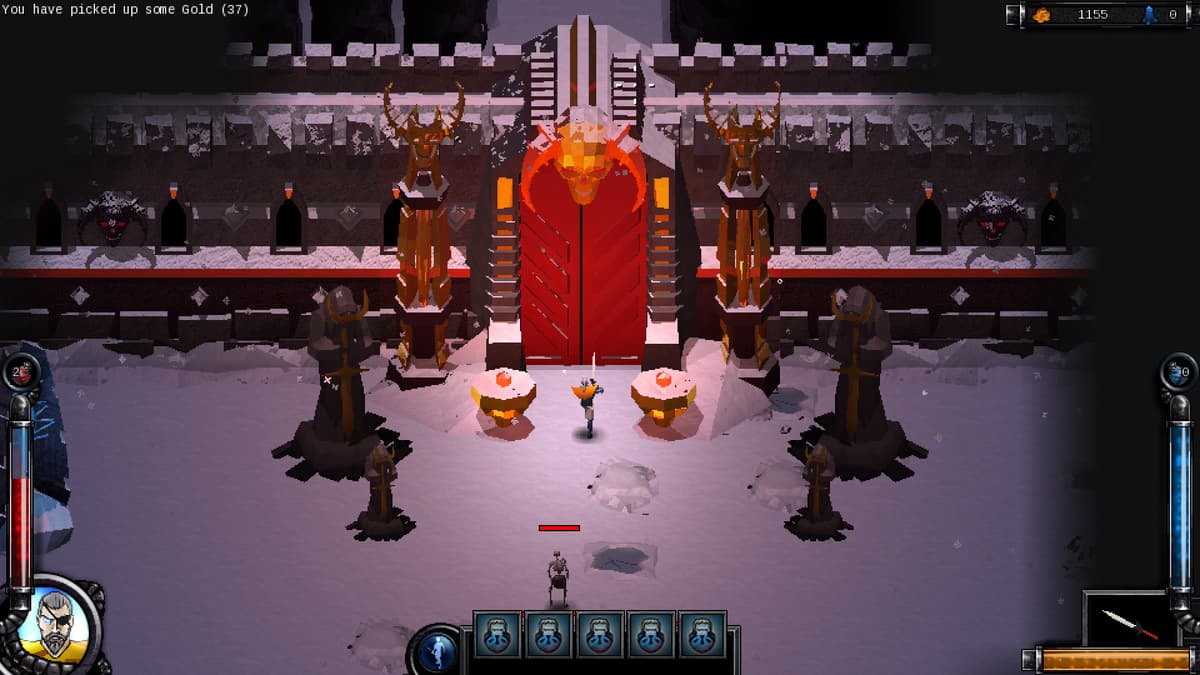
If Wukong is the comfortable old king of DPS, Heir to the Hidden Palace Siris is the sleek assassin that makes you rethink what “main carry” even looks like. The first time I pulled Siris, I slotted her into a half-baked team just to test…and suddenly my campaign stages were evaporating before enemies even had a chance to stack their own buffs.
Siris thrives on reliable, repeatable damage. She doesn’t feel as chaotic as some other top attackers-her output is smooth rather than spiky—which is exactly what you want in an idle game where you’re not manually babysitting every fight. Her AoE coverage and target focus make early- and mid-game progression noticeably faster, and she translates really well into late-game once you surround her with the right supports.
Where she shines in v1.27.00 is how well she slots into a role-focused comp. Pair her with a solid defense hero (Ponpo or Branze & Bransel), plus two or three supporters like Sage, Yui, or Bathory, and Siris becomes the predictable backbone of your damage plan. You don’t need to spam extra glass-cannon DPS when one slot can handle wave clear and boss phases this reliably. Add in her slick character art and SD animations, and Siris is that rare unit who feels as stylish to watch as she is efficient to play around.
3. Azure Slayer Devi
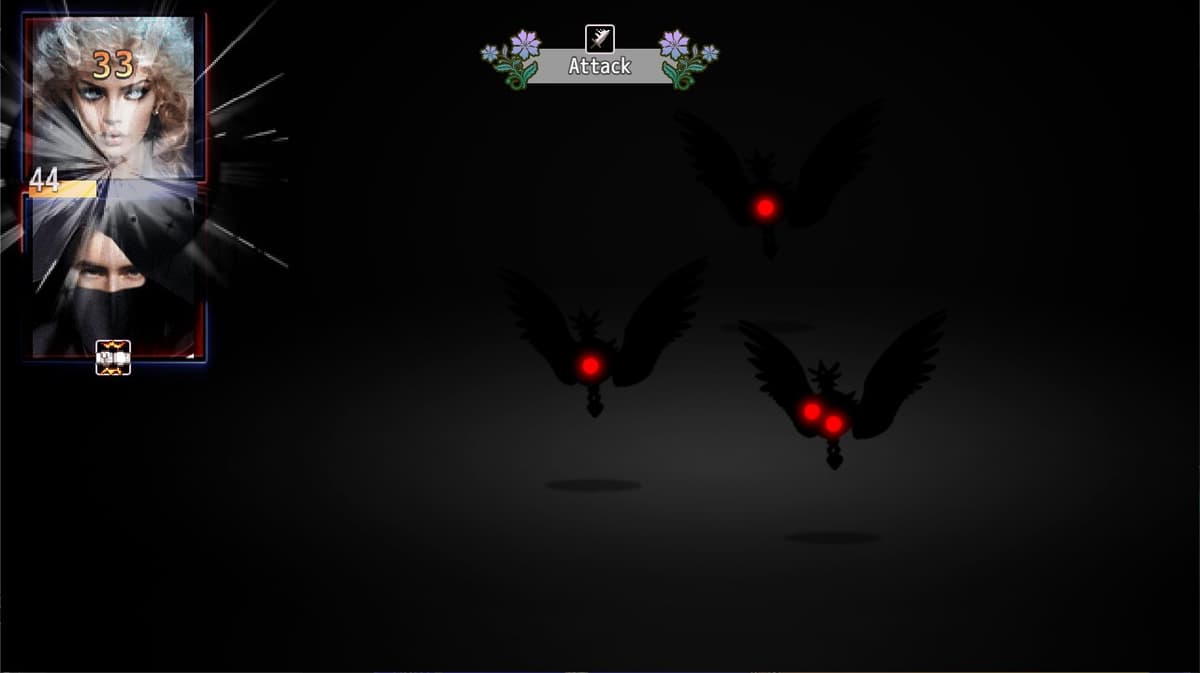
Azure Slayer Devi is the hero that made me stop thinking of damage as “who hits the hardest right now” and start thinking “who keeps the damage rolling forever.” She’s all about pressure over time—layering damage and status effects so waves don’t just die, they disintegrate while your supports do their thing.
In the v1.27.00 environment, where more guides are pushing the 1–2 defense / 2–3 supporter formula, Devi fits like a glove. She loves having multiple buffs ticking on her, and she rewards sustained fights by ramping up instead of dropping off. Put her behind a sturdy front line (Ponpo or Victoria) and next to enablers like Bathory, and you start seeing those satisfying moments where beefy enemies simply can’t out-heal the stacked damage she’s throwing out.
What I really appreciate about Devi is how she smooths out progression spikes. When you hit a stage where enemies just won’t die to burst, or bosses keep scraping through with a sliver of HP, swapping in Devi often solves it without needing to massively overgear. She’s not as plug-and-play as Wukong—she wants good supporters, ideally at least two—but in a proper composition she’s easily S-tier material. If your team already has one big front-loaded nuker, adding Devi as your “slow burn” DPS is one of the smartest post-v1.27 decisions you can make.
4. Solderet’s Contractor Jin
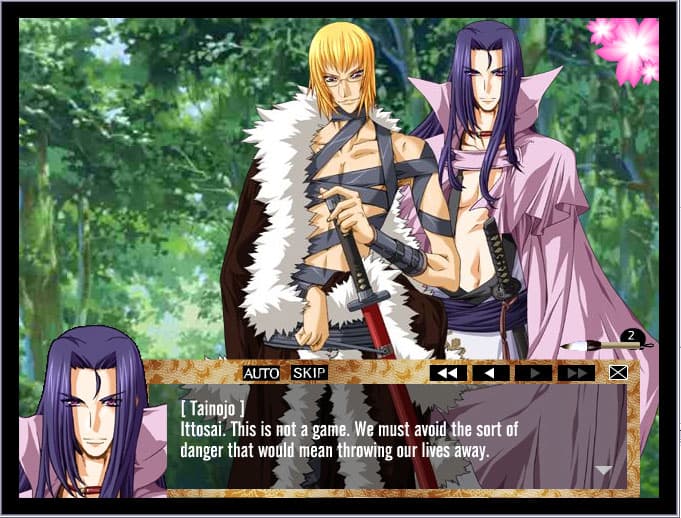
Solderet’s Contractor Jin is the answer to the age-old idle-game problem: what do you do about chunky elites and bosses that ignore your usual wave-clear gods? When I first built Jin, I treated him like a niche boss killer. After v1.27.00—and especially after reshaping my comp around more support slots—he’s basically become my second core carry.
Jin excels at focused, meaningful damage. While Wukong and Siris are happy blitzing entire screens, Jin feels like a scalpel aimed at the scariest target on the field. With the right buffs, his damage spikes turn awkward, drawn-out boss phases into clean, fast kills. He also synergizes nicely with defense heroes that buy him just a bit more uptime; a Ponpo–Jin front/mid pairing supported by Sage and Yui can feel absurdly stable.
Compared to more collab-focused B-tier attackers, Jin earns his S-tier reputation by actually scaling with the meta. As you lean into v1.27.00’s emphasis on status effects and supporter stacking, Jin’s output rises right alongside. He’s not the first unit I’d build on a fresh account, but once you have at least one good tank and two decent supporters, he’s the DPS that turns a “good enough” team into a high-end idle farming machine.
5. Sage

Sage dropping into the roster with v1.27.00 instantly changed how I think about supporters. Before this patch, I often tried to get away with a single main healer and maybe a flex support. Now? If I have Sage, I want to run two or even three supporters, because he makes every other hero on the field feel better.
The “base” Sage (as opposed to Seeker of Truth Sage) is your classic, reliable support core. Think steady protection, buffs that don’t require a PhD to time, and just enough offensive utility to keep your team rolling. He’s the one I recommend if you’re still solidifying your first big progression team: slot him next to Yui, back them up with a tank like Ponpo or Branze & Bransel, and watch your clear rates and survivability explode.
What I really like is how Sage supports the game’s role-based philosophy. He doesn’t want you to greed for extra DPS slots; he wants a balanced line where one or two damage dealers do the killing and he quietly glues everything together. If you’ve ever had those moments where your damage looks fine on paper but you keep losing to chip damage and messy status effects, leveling Sage feels like flipping a switch. He’s easily a high-tier supporter in v1.27.00 and a must-build if you’re serious about smart compositions.
6. Seeker of Truth Sage

Seeker of Truth Sage is what you graduate to when you’re comfortable with basic support play and want to push your damage ceiling. Where the regular Sage is all about stability and ease of use, this version leans harder into amplification—making your carries hit far above their weight when things line up.
Once I pulled Seeker of Truth Sage, I rebuilt my main DPS trio around him: Wukong, Jin, and Devi. The difference wasn’t subtle. Stages that used to need a bit of gear overkill suddenly became manageable with tighter power budgets, just because Seeker of Truth was stacking buffs and status interactions in the background. He’s especially nasty when combined with heroes like Devi and Bathory, where those little boosts to damage-over-time or debuff uptime translate into huge effective DPS gains.
The catch—and the reason he’s not my first recommendation for brand-new players—is complexity. Seeker of Truth Sage shines in more optimized rosters, where you’re already committed to the 1–2 defense / 2–3 supporter philosophy and can afford to dedicate a slot to a high-impact enabler. If that’s you, he absolutely belongs in your S-tier conversations. If not, keep him in mind as the support that will carry you through late-game once your box is deep enough to really exploit what he offers.
7. Troublemakers Branze & Bransel
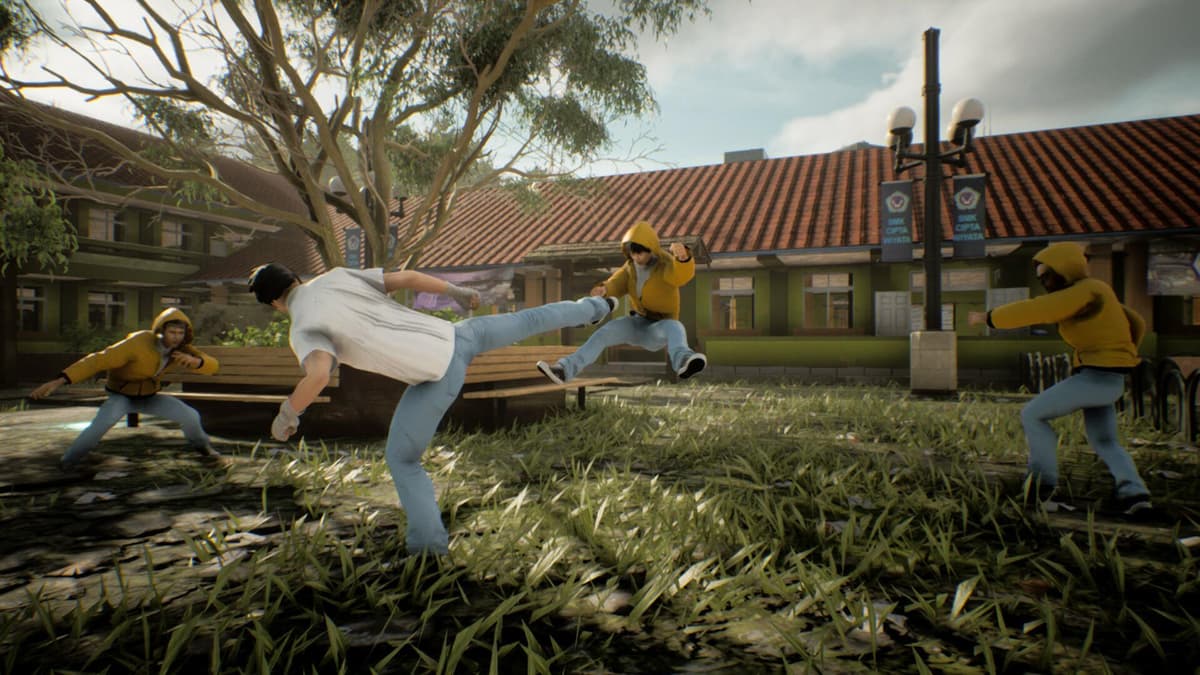
I love when a defense hero proves that “tank” doesn’t have to mean “boring health sponge,” and Troublemakers Branze & Bransel are exactly that. When v1.27.00 dropped, they instantly became my favorite new toy—not because they out-stat every other frontliner, but because they mix durability with real disruption and setup potential.
In practice, Branze & Bransel feel like a bridge between traditional defenders like Ponpo and more aggressive A-tier bruisers. They soak damage well enough to anchor the front line, but they also contribute meaningful control and utility that your DPS can piggyback off. Slot them in front of Wukong or Lu Bu, give them support from Sage and Yui, and suddenly your “defender” is actively helping you clear waves faster instead of just buying time.
The real impact of Troublemakers in this patch is philosophical. They reinforce that your 1–2 defense slots don’t have to be dead weight. In a role-focused meta, that matters a lot. If you’re tired of watching a static meat shield stand there while the rest of your team works, Branze & Bransel are the v1.27.00 answer—fun to watch, strong in practice, and absolutely worthy of a high-tier defense spot in any serious PvE lineup.
8. Ponpo
Ponpo is the definition of “never underestimate the seemingly simple tank.” He’s been around, he doesn’t have the flashy new-patch shine of Branze & Bransel, but if you care about comfortably clearing content while you’re AFK, he’s still one of the best defense heroes you can invest in.
The magic of Ponpo is reliability. On my account, he was the first defender who made my team feel immortal in campaign and early Hall of Heroes. While other tanks sometimes require more precise stat lines or synergies to really pop, Ponpo just works. Slide him into that mandatory defense slot, give him a couple of solid supports (Yui + Sage is my go-to), and suddenly your DPS get all the time in the world to do their job.
In the v1.27.00 meta, he competes nicely with the newer tanks because the game still rewards that one ultra-stable frontliner. If you’re following the “1–2 defense, 2–3 supporters” rule, Ponpo is often my pick for the solo-defender setup, especially if your gear isn’t perfect yet. He also plays nicely with more offense-leaning A-tier bruisers like Lu Bu or Rachel, giving them cover while they set up. Not the flashiest hero on the roster, but absolutely one of the most important if you value smooth, low-stress progression.
9. Victoria

If Ponpo is the dependable “I’ll hold the line no matter what” option, Victoria is the defender you pick when you want your front line to actually bite back. Building her after getting comfortable with Ponpo was a wake-up call—suddenly my tank slot wasn’t just mitigating damage, it was helping finish fights faster.
Victoria sits firmly in that A-tier sweet spot: tanky enough to do the job, punchy enough to justify her spot over a pure meat shield. In v1.27.00’s more support-heavy meta, that hybrid identity is valuable. You can run her as your solo defender alongside three supporters and one hyper-carry, or in a two-tank setup where she partners with Branze & Bransel for a more control-oriented strategy.
Where she especially shines is in comps that lean into aggressive openers. Pair Victoria with War God Demon King Lu Bu or Ashen Flame Rachel and you get a very forward-leaning frontline that softens, or outright deletes, enemy waves before they can meaningfully retaliate. She doesn’t completely replace Ponpo for me—there are times when I still want the pure wall—but if you’re bored of passive defenders and want your 1–2 defense slots to actively contribute to damage, Victoria belongs high on your build list.
10. Yui
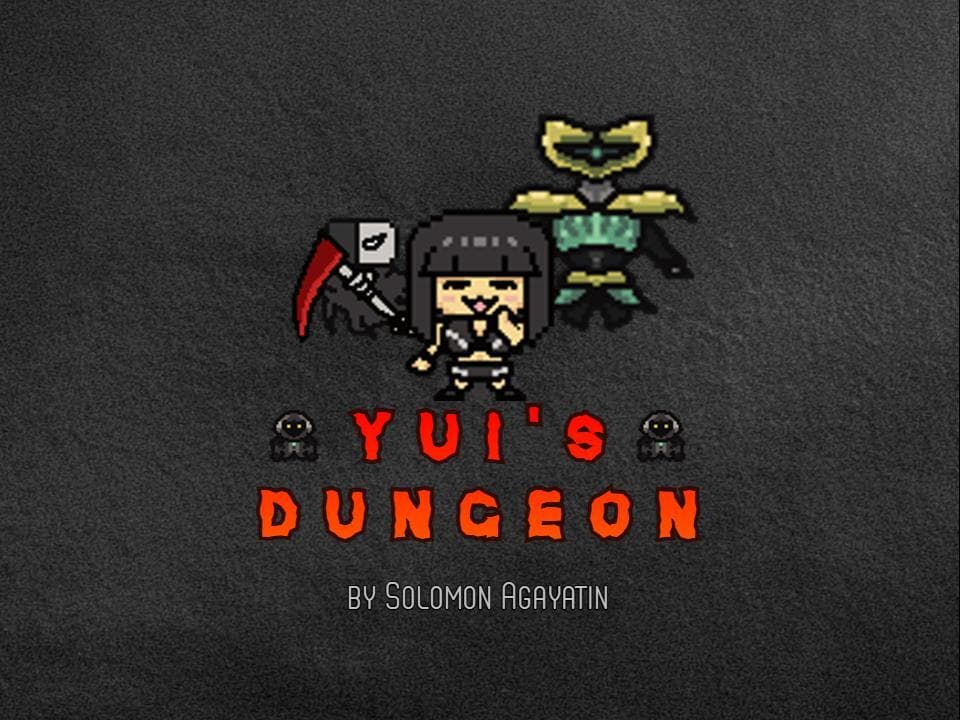
The first time I pulled Yui, I underestimated her. “Another healer, cool,” I thought… and then I put her behind Ponpo and Wukong and watched a wall of red damage numbers turn into an unbreakable, self-sustaining machine. Since then, she’s been one of the few heroes I almost never take out of any serious PvE lineup.
Yui is the perfect example of why v1.27.00 pushed the meta toward 2–3 supporters. Her healing and utility don’t just keep your frontline alive—they give your damage dealers room to run riskier builds and still feel safe. She smooths out bad damage spikes, patches up mistakes, and makes long boss fights feel far less stressful. Throw Sage or Seeker of Truth Sage beside her and you get a support core that can carry even slightly underpowered DPS heroes.
What I really appreciate about Yui is how flexible she is across power levels. On a newer account, she’s a raw sustain crutch. On a high-end roster, she becomes the backbone of very greedy comps where you pack in as much damage as possible. In both cases, she’s comfortably S-tier for me in the support role. If you’re following any kind of role-based tier list and you don’t have Yui built, that’s probably your next project.
11. Bathory

Bathory is the support who made me realize that “healer” and “damage enabler” don’t have to be separate jobs. Before v1.27.00 I mostly saw her as a nice-to-have luxury; after reworking my teams around status effects and idle-friendly scaling, she’s become one of my favorite pieces to build around.
She thrives in comps where your main DPS want enemies weakened over time rather than instantly nuked. Stick her next to Azure Slayer Devi, and suddenly your damage-over-time setup feels terrifying. Bathory’s mix of debuffs, damage amplification, and sustain means your team doesn’t just live longer—they actively chew through high-HP targets that used to feel like brick walls. She’s the reason I’m often totally comfortable dedicating that third support slot in my 1–2 defense / 2–3 supporter structure.
Compared to more straightforward healers, she does ask a bit more of you in terms of team building. She scales best when the rest of the roster is tuned to take advantage of her debuffs and utility, not just her raw healing. But when the stars align—Devi or Jin as carries, Sage or Seeker of Truth Sage for buffs, Bathory layering on her own twists—you get one of the most efficient PvE cores in the game right now. High A-tier at minimum, and easily nudging S-tier in the right compositions.
12. War God Demon King Lu Bu
War God Demon King Lu Bu is the hero I reach for when I want my front line to be outright rude. He doesn’t just hit hard—he hits first, and in an idle game where early tempo often decides whether your team gets snowballed or not, that matters more than people think.
In the v1.27.00 landscape, Lu Bu occupies this fantastic middle ground between defender and pure DPS. He’s not tanky enough to fully replace a Ponpo or Branze & Bransel as your only defense slot, but in a double-frontline setup he’s incredible. I’ve had a lot of success running Victoria + Lu Bu up front, backed by Sage and Yui, with a single heavy carry like Wukong or Jin closing out the damage. Those fast opening hits soften enemy waves, making your main DPS’s job much easier.
He also scales nicely into late-game as your supports get stronger. The more buffs and mitigation you can stack on him, the more comfortable it becomes to lean on his aggressive playstyle without constantly worrying he’ll fall over. If you don’t have him, Dimensional Administrator Teay fills a somewhat similar A-tier “aggressive frontliner” niche, but Lu Bu still feels like the gold standard. Not quite in the absolute god-tier like Wukong, but an incredible piece for players who like proactive, high-tempo teams.
13. Ashen Flame Rachel
Ashen Flame Rachel is easily the most controversial pick on this list, and that’s exactly why I wanted her here. In other Seven Knights titles she’s sometimes rated lower, especially in PvP-focused tier lists—but in Idle Adventure’s v1.27.00, with an idle PvE focus, she feels way better than those rankings would make you think.
What turned me into a Rachel believer was how she handles wave-based content. Her ability to front-load meaningful damage and pressure multiple enemies at once slots perfectly into a meta where your supports are already doing the heavy lifting on survivability and status effects. With Sage or Seeker of Truth Sage backing her up, Rachel becomes a brutally consistent wave-clear machine that still holds her own in boss encounters.
Is she as universally plug-and-play as Wukong or Siris? No. But in balanced, role-based teams she absolutely deserves an A-tier spot. I like pairing her with Victoria or Branze & Bransel up front and then building a full support core behind them. In that shell, Rachel’s “Ashen Flame” vibe isn’t just aesthetic flair—her SD sprite absolutely looks the part while she’s carving through enemies. If you wrote her off because of older or PvP-oriented rankings, v1.27.00 is the perfect time to give her another serious look.
Putting it all together: role-first teams after v1.27.00
Looking across these 13 heroes, the pattern is pretty clear: v1.27.00 rewards role discipline more than individual hype. When I stopped trying to cram in every S-tier attacker I liked and instead stuck to the 1–2 defense / 2–3 supporter rule, my account progression smoothed out overnight.
Here are a few sample shells I’ve actually run that feel great in the current patch:
- Safe progression core: Ponpo – High Lord Sun Wukong – Sage – Yui – Bathory
- Frontline aggression: Victoria – War God Demon King Lu Bu – Ashen Flame Rachel – Sage – Yui
- Late-game scaling: Troublemakers Branze & Bransel – Azure Slayer Devi – Solderet’s Contractor Jin – Seeker of Truth Sage – Bathory
That doesn’t mean everyone outside this list is trash. Collab heroes like Sun Jinwoo, Ainz, Albedo, or seasonal variants can absolutely carry you through mid-game, and early fillers like Silvesta or Chip do their job while you’re building your core. They just tend to fall off once you’re optimizing around status effects, long-term scaling, and tight role coverage.
The big thing to watch from here is balance. Future patches could easily nudge Sage, Branze & Bransel, or any of the top-tier DPS up or down. But if you’re playing Seven Knights Idle Adventure right now on v1.27.00 and want a roster that respects roles instead of chasing flavor-of-the-month units, these 13 heroes are the ones I’m still happily building around.
FinalBoss // Gear
Level up your setup
01Top-rated gaming headsetson Amazon→02High-refresh gaming monitorson Amazon→03Gaming chairson Amazon→04Discounted game keyson Kinguin→Affiliate links · As an Amazon Associate, FinalBoss earns from qualifying purchases.
Want to Level Up Your Gaming?
Get access to exclusive strategies, hidden tips, and pro-level insights that we don't share publicly.
Ultimate Top Strategy Guide + Weekly Pro Tips