
Can 1348 Ex Voto Nail HEMA Combat in Plague-Era Italy?
Game intel
1348 Ex Voto
Journey through a tumultuous Medieval Italy as Aeta, a young knight errant who sets off on a brutal quest to find and save her closest one. 1348 Ex Voto is a c…
Why 1348 Ex Voto Actually Caught My Eye
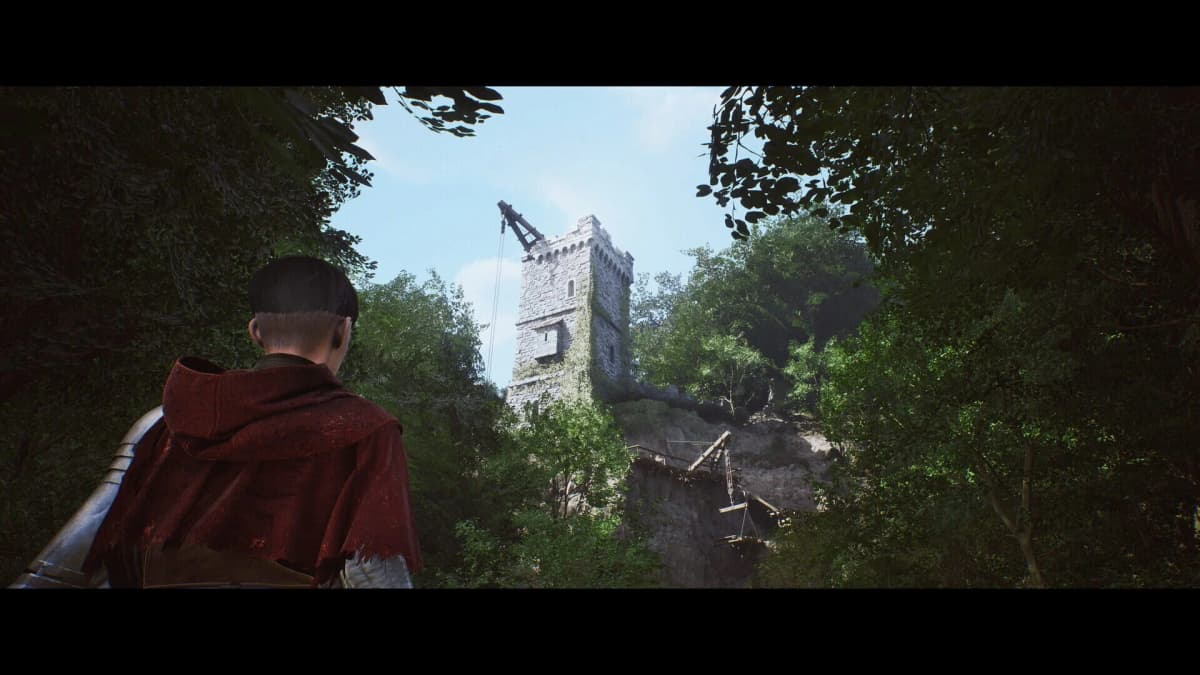
Not every game dares to drop you into 14th-century Italy and resist the urge to paint it in neon fantasy hues. 1348 Ex Voto, from fledgling Italian developer Sedleo and publisher Dear Villagers, seems to be doing just that. We have Historical European Martial Arts (HEMA)–inspired swordplay, an authentically grim plague backdrop, and a personal crusade led by Aeta, a knight-errant hunting for her missing companion Bianca. Early 2026 is the target on PC, PS5, and Xbox Series. Picture Kingdom Come: Deliverance’s methodical duels meeting A Plague Tale’s oppressive atmosphere—and I’m intrigued.
- HEMA stances and skill books promise real tactical depth—but only if the execution matches the ambition.
- Plague-era Italy is both rare and unforgiving; true immersion rests on authentic art direction and environmental systems.
- Dear Villagers has shepherded narrative-driven AA hits before; Sedleo’s polish and scope remain open questions.
- With two years to go, don’t count on final performance promises until we get our hands on late-build demos.
Breaking Down the Announcement
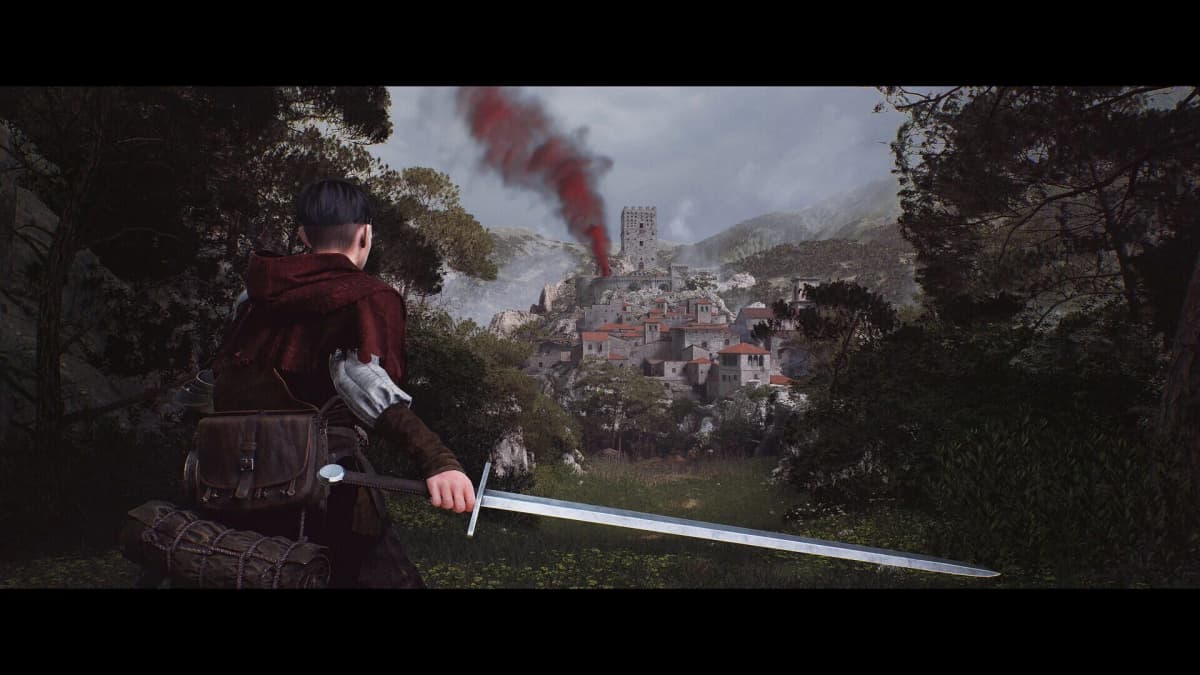
At its core, Ex Voto is a third-person, cinematic action-adventure. You guide Aeta through despoliated villages, crumbling castles, soaring mountain passes, and the ghostly remnants of Imperial Rome, all under the specter of the Black Death. The combat hinges on two stances—one-handed precision and two-handed power—coupled with “skill books” that unlock fresh combos. Weapon customization (swap hilts, blades, guards) promises you can tweak reach, speed, and impact to match your style.
Exploration leans on semi-open regions rather than an endless checklist map: each territory pulses with scavenger grottoes, hidden lore tablets, and branching side paths. The title “Ex Voto,” referring to devotional offerings, suggests themes of faith, sacrifice, and penance woven into quests—an angle that could elevate the narrative beyond simple bandit-clearing chores.
Publisher context matters. Dear Villagers has a knack for mid-budget gems like The Forgotten City, where narrative and innovative mechanics outshine bloated budgets. If Sedleo channels the same focus, we could see a world that feels lived-in and mechanically coherent, not just pretty.
The Real Story: Combat Feel Will Decide Everything
HEMA isn’t just a buzzword—it’s an intricate system of timing, geometry, and footwork. Kingdom Come: Deliverance showed how easily authenticity can tip into frustrating simulation: sluggish inputs, unpredictable hit registration, and stiff animations. On the flip side, games like For Honor lean into arcade flair, but then the “historical” claim rings hollow.
Ex Voto faces a razor’s edge. If stance swaps—from nimble one-handed ripostes to deliberate two-handed cleaves—happen seamlessly with clear telegraphs and generous but fair windows, the combat could sing. But muddy parry frames or animation lock-ins would bury the promise of authenticity under frustration.
Performance-captured animations are encouraging, but only if the blending system keeps you in control. You need crisp input responsiveness, camera restraint in tight quarters, and enemy tells that telegraph intent without shrinking challenge. Imagine a duel where each feint and riposte feels weighty, yet never clunky—that’s the bar.
Lessons from Past HEMA Attempts
Before Ex Voto, titles like Kingdom Come and Mordhau gave us glimpses of HEMA-inspired promise. Kingdom Come nailed historical detail and pacing but struggled with animation transitions and lock-on frustrations. Mordhau is a brilliant sandbox for clashing players but leans into emergent chaos rather than cinematic storytelling. The sweet spot for Ex Voto is to fuse cinematic weight with a learning curve that rewards practice, not rote repetition.
Fatigue systems and stamina gauges can simulate real-world exhaustion—but if stamina depletes too fast or regenerates too slowly, fights feel artificially gated. Conversely, if stamina is too generous, heavies lose identity. The ideal balance hinges on giving players room to experiment—pressuring foes with feints, punishing overcommitment, and rewarding smart footwork.
Deep Dive: Encounter Design
Single duels are one thing; skirmishes with multiple opponents are another beast. Plague-ravaged towns mean squeezed alleys and cramped courtyards—perfect for ambushes but also prone to camera and collision woes. Ex Voto must show crowd–control encounters where you juggle one steel-slinger on your flank and a polearm-wielder at your back without the camera careening into a wall.
Variations in enemy archetypes—bandit skirmishers, zealot shield lines, roaming cavalry—will keep combat loops fresh. Add morale behavior (panic breaks, enemy reinforcements) and you’ll have dynamic skirmishes rather than waves of identical thugs. If Sedleo can script boss encounters—siege engineers flinging flaming pots, or zealot champions with unique stance patterns—it’ll underscore the depth beneath the core HEMA systems.
Why This Setting Hits Different
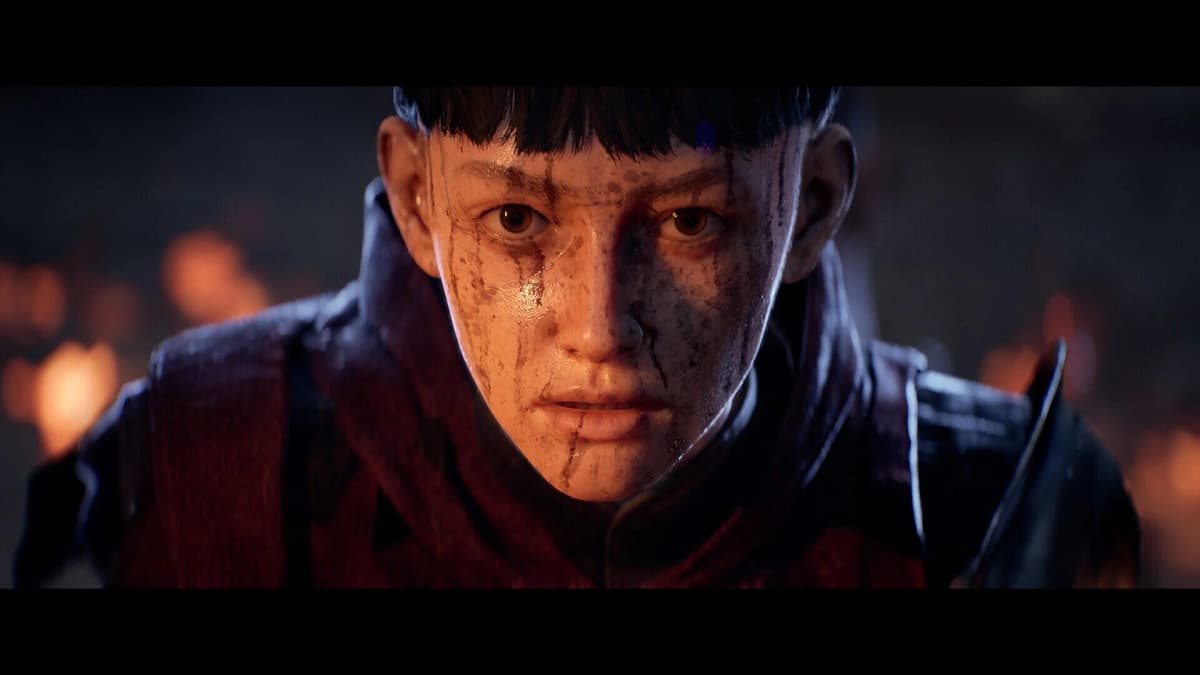
Medieval knights are common in games, but the brutal politics and desperation of 1348 Italy rarely get screen time. A sweeping plague isn’t just window dressing; it reshapes economies, NPC behavior, and world states. Empty marketplaces, makeshift quarantines, and ever-present memento mori iconography could turn every trek into a moral quandary.
Aeta’s journey to find Bianca personalizes the disaster: you’re not just surviving—you’re driven by loyalty. A Plague Tale got the tone right by weaving a sibling bond into a collapsing world. Ex Voto could echo that intimacy while letting you face open confrontations rather than stealth. The question is whether Sedleo builds reactive NPCs (villagers too fearful or fanatical to approach) or leaves them as scenery.
Female Knight-Errant: More Than a Checkbox
Putting Aeta center stage isn’t a marketing ploy; it’s an opportunity to explore mercenary culture, shifting gender roles, and the church’s influence in late medieval Italy. If her dialogue, quests, and cutscenes lean into the era’s complex social fabric—resistance from doubters, unexpected allies, forbidden vows—it could challenge stale “white knight” tropes.
Just please, no overly modern quips or flashy one-liners. Grit, faith, and social tension are far more compelling lenses than anachronistic sass.
Hype vs. Reality: What I’m Watching For
- Input responsiveness: Are stance swaps and parries snappy, with readable tells and fair windows?
- Camera and collision: Do narrow streets and doors choke the view, or remain clear in multi-enemy clashes?
- Enemy variety: Will bandits, zealots, cavalry, and shield formations each force you to shift tactics?
- Progression sanity: Does weapon customization genuinely shift playstyle, or merely inflate numbers?
- Region design: Do semi-open areas feel alive, shaped by plague events, or just a prettier pinboard?
Platform targets—4K/60fps, haptic feedback, ray tracing—sound nice, but they’re secondary. If the swordplay fundamentals aren’t locked in, fancy bells and whistles won’t save immersion.
The Gamer’s Bottom Line
I’m cautiously optimistic. HEMA tactics, rare setting, and a personal narrative form a potent cocktail. Dear Villagers’ pedigree in guiding AA studios bodes well. But the margin for error is wafer-thin. If Ex Voto captures the weight of steel, honors player intent, and lets the plague inform mechanics (not just ambience), we could be looking at a cult classic. If not, it risks being a beautiful but stiff curiosity.
Conclusion and Call to Action
We still have to see hands-on footage and late-stage demos. At upcoming showcases—Gamescom, PAX East, and digital State of Play streams—watch for extended combat sequences in populated villages, not just curated duels. Ask questions: How do animations blend under pressure? Can the camera hold steady in a three-on-one brawl? Does loot feel earned or arbitrary?
Ultimately, keep an eye on independent previews and post-show impressions. If Sedleo shares a developer diary focusing on playtesting feedback and iteration on combat fluidity, that’s a positive sign. For now, file 1348 Ex Voto under “promising but unproven”—and plan to revisit your expectations once the first real gameplay drops.
TL;DR
1348 Ex Voto aims to marry grounded HEMA swordplay with a plague-torn 14th-century Italy and Aeta’s intimate quest. Its success hinges on combat responsiveness, encounter variety, and authentic world systems. If Sedleo nails those pillars, 2026 could bring a standout AA experience; if not, we’ll have another pretty historical curiosity.