
15 Game Genres Dominating 2025 — Which Ones Are Actually Worth Your Time?
Why these 15 genres matter right now
This caught my attention because 2025 feels less like a single-game moment and more like a structural shift: genres are getting remixed, live services are maturing, and platform barriers keep falling. The list below highlights 15 genres – and a representative title for each – that show where player attention, developer ambition, and money are flowing this year.
- Cross-platform, live-service shooters are pushing tech (destructible arenas, player-driven maps).
- Single-player blockbusters still matter for cultural impact and revenue.
- Monetization choices (gacha, Ultimate Team, season passes) are the defining filter for whether a game stays fun or becomes a wallet-sink.
- Smaller genres – cozy sims, simulations, VR — are getting high-quality entries that reward niche audiences.
Key takeaways
- Tech -> design: physics, AI guests, and crossplay are shaping how genres evolve (see THE FINALS and Planet Coaster 2).
- Live service is now the default for big hits — expect more seasonal content but also more monetization friction.
- Genre-blending is the rule, not the exception; a “RPG” now has Shooter, Deckbuilding, or Roguelike DNA.
Breaking down the winners (and why they’re winning)
Start with THE FINALS as the emblem for a new FPS: free-to-play but polished, with real-time destruction that changes the metagame. This isn’t just prettier walls — it’s emergent gameplay. Embark Studios built a playground where cover and strategy are temporary, and that refreshes competitive shooters in the same way motion controls once did for consoles.
On the single-player front, Nintendo’s Tears of the Kingdom still shows why first-party studios matter. Its world-design lessons — verticality and physics-as-tool — are bleeding into other genres. Meanwhile, Baldur’s Gate 3 proves that deep, choice-driven RPGs can be both commercially successful and modder-friendly; Larian’s pedigree with Divinity shows up in the level of systems craft.
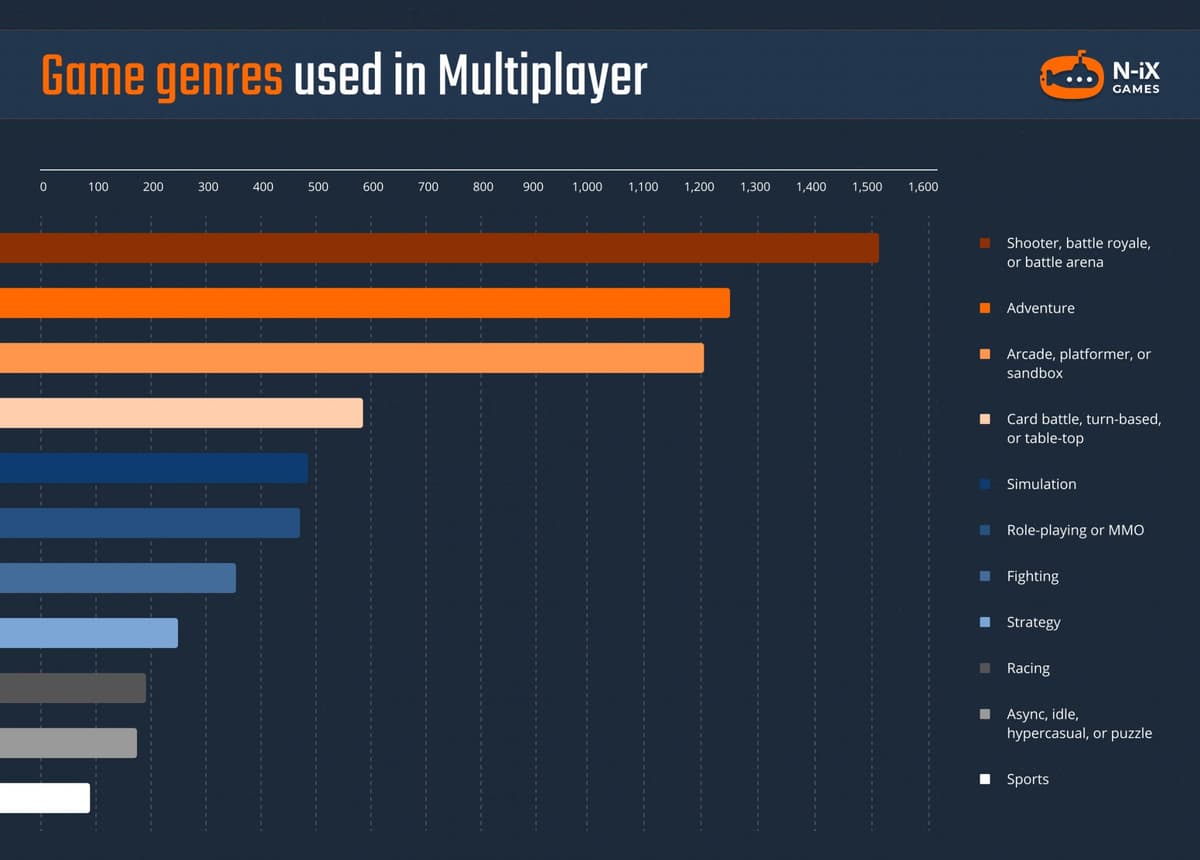
Fortnite and Genshin represent two very different engines of attention. Fortnite is a platform: collaborations, UEFN, and live events make the game more than just a shooter. Genshin is the poster child for cross-platform gacha success — beautiful, relentless updates, and monetization that keeps players engaged (and spending). Both matter because they make engagement a product feature.
Where hype meets real value — and where to be skeptical
Some titles and trends deserve hype: Planet Coaster 2’s AI guests and dynamic events sound like meaningful advances for simulation fans, and Half-Life: Alyx remains the benchmark for narrative VR interaction. But be cautious when a headline feature doubles as a monetization vehicle. HyperMotionV and revamped Ultimate Team polish the sports experience — they don’t neutralize microtransaction-driven progression systems.
Ask the blunt questions: does destructible cover in THE FINALS actually deepen tactical play or favor chaos? Will “dynamic events” in survival or sim games become scripted DLC funnels? The healthiest innovations are those that expand player choice rather than quietly move value from game systems into optional purchases.
Want to Level Up Your Gaming?
Get access to exclusive strategies, hidden tips, and pro-level insights that we don't share publicly.
Ultimate Gaming Strategy Guide + Weekly Pro Tips
What this means for players
If you’re choosing what to play in 2025, decide by playstyle, not by marketing. Want pick-up-and-play sessions with clear progression? Look at party, idle, and battle-royale hybrids. Crave creative expression? Planet Coaster 2 and Fortnite’s UEFN are where community-made content thrives. Love deep stories and modding? Baldur’s Gate 3 and Tears of the Kingdom still deliver unparalleled narrative and player agency.
Also: be pragmatic about live service. If a title leans hard on gacha, loot boxes, or trading currencies, treat early engagement as a trial period. The best live-service releases respect player time and don’t require constant spending to stay competitive.
Looking ahead — the trends that will define the next wave
Expect more genre mashups (RPG-shooter-roguelike hybrids), smarter use of AI (better NPCs and procedural content that isn’t lazy), and continued platform convergence. VR will stay niche but move toward premium experiences rather than gimmicks. The smaller genres — cozy sims, simulation, party — will keep proving that there’s room for games that prioritize comfort, creativity, or social play over extraction.
TL;DR
2025 is less about one breakout title and more about how genres evolve: tech-enabled design (destruction, AI, vertical worlds) plus live service economics will shape what’s fun — and what’s draining your wallet. Play what improves your time, ignore what pushes you to pay to keep up.