
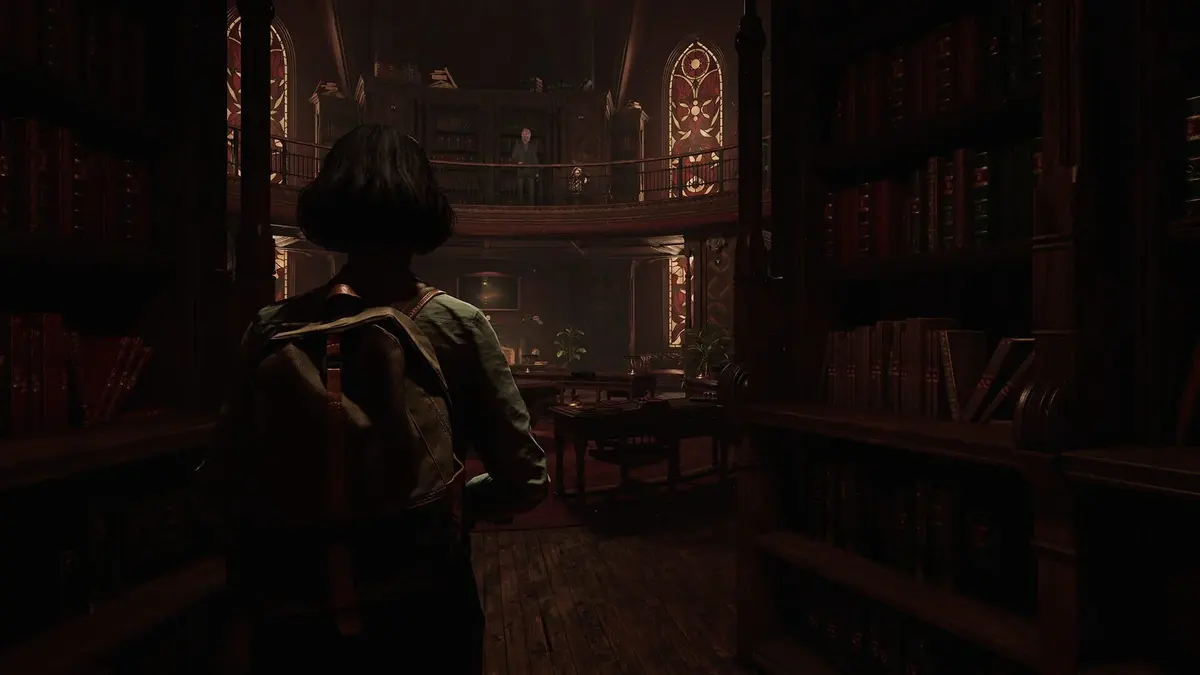
A 30-minute prologue was enough to turn a few questionable portraits into a larger test of whether players can trust what they see before an Early Access purchase. For 1666: Amsterdam, the immediate issue is not a reported redesign of Patrice Désilets’ witchy action-adventure, but the gap between its public-facing demo and the production standards Panache Digital Games now promises.
Players spotted apparent generative-AI imagery in the free PC prologue, including in-game paintings and portraits; the concern also extended to promotional material. Panache apologized, saying early-production assets had slipped through its review process. The studio says it has identified those materials and will replace them with human-made versions in an upcoming update.
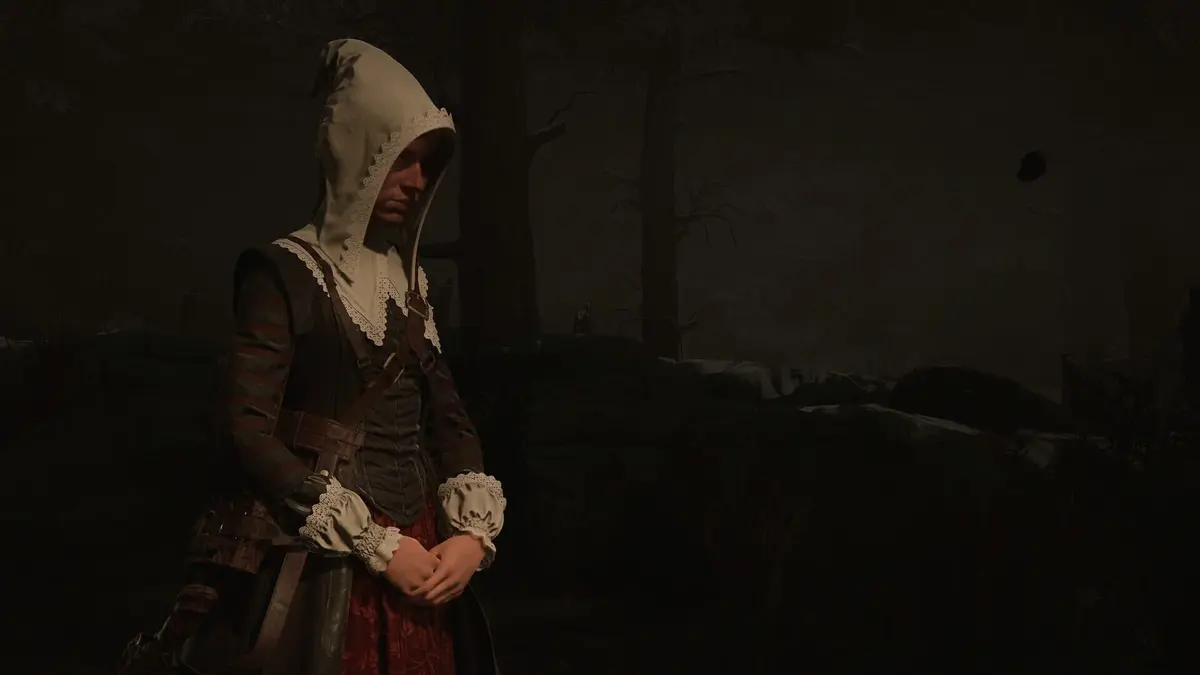
Désilets described the mistake as a pipeline failure. He said the team had used AI to produce rapid visual variations during development — something he contrasted with asking dozens of illustrators for near-instant alternatives — but that staff became too accustomed to seeing the output and did not retouch some assets sufficiently. His central pledge is now explicit: the Early Access build and eventual full release will not contain AI-generated assets.
That promise matters because an Early Access buyer is backing the studio’s present workflow as much as its premise. Panache has said it still uses AI tools less and less during development, while drawing a firm line around the shipped game’s art. That distinction may satisfy players focused on the final product, but it also makes clear why disclosure and asset review have become central to the dispute.
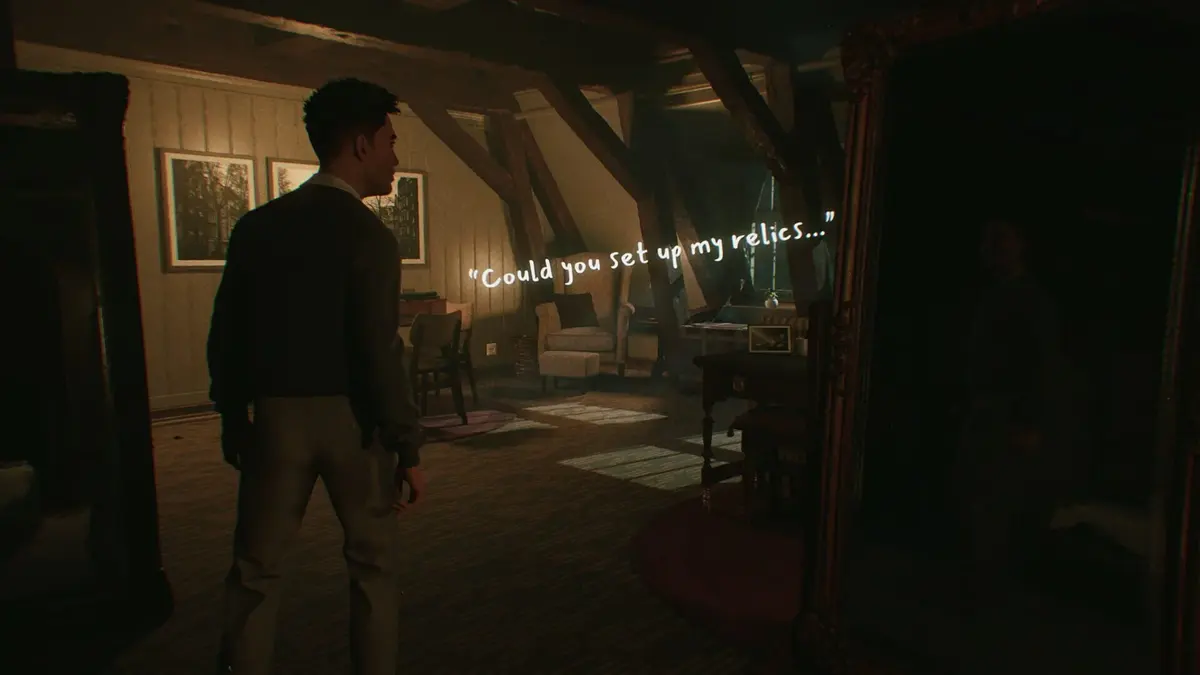
Before buying in, check the updated prologue’s portraits, Steam store images, screenshots, and trailers for a consistent hand-made visual language — and look for the studio’s policy to match what is actually in the build.
FinalBoss // Gear
Level up your setup
01Top-rated gaming headsetson Amazon→02High-refresh gaming monitorson Amazon→03Gaming chairson Amazon→04Discounted game keyson Kinguin→
Affiliate links · As an Amazon Associate, FinalBoss earns from qualifying purchases.