

Could Arcade Archives D-DAY Outgun Modern Shoot ’Em Ups?
Game intel
Arcade Archives D-DAY
The order has now been given to begin the operation! Break through the enemy's encirclement and destroy the enemy fortress!!
Could Arcade Archives D-DAY Outgun Modern Shoot ’Em Ups?
When Jaleco’s classic 1984 battleship shooter D-DAY washed ashore on Nintendo Switch and PlayStation 4 on August 7, 2025, it felt like discovering a time capsule of pure, unfiltered arcade intensity. For $7.99, Arcade Archives offers the original’s chunky sprites and brutal one-hit deaths alongside modern comforts such as adjustable difficulty and online leaderboards. If you miss the days of handshake-squeezing, coin-dropping, pattern-memorization mayhem, this digital reissue might just redefine retro revival for you.
Game Overview: Battle Lines Drawn in Pixel Waves
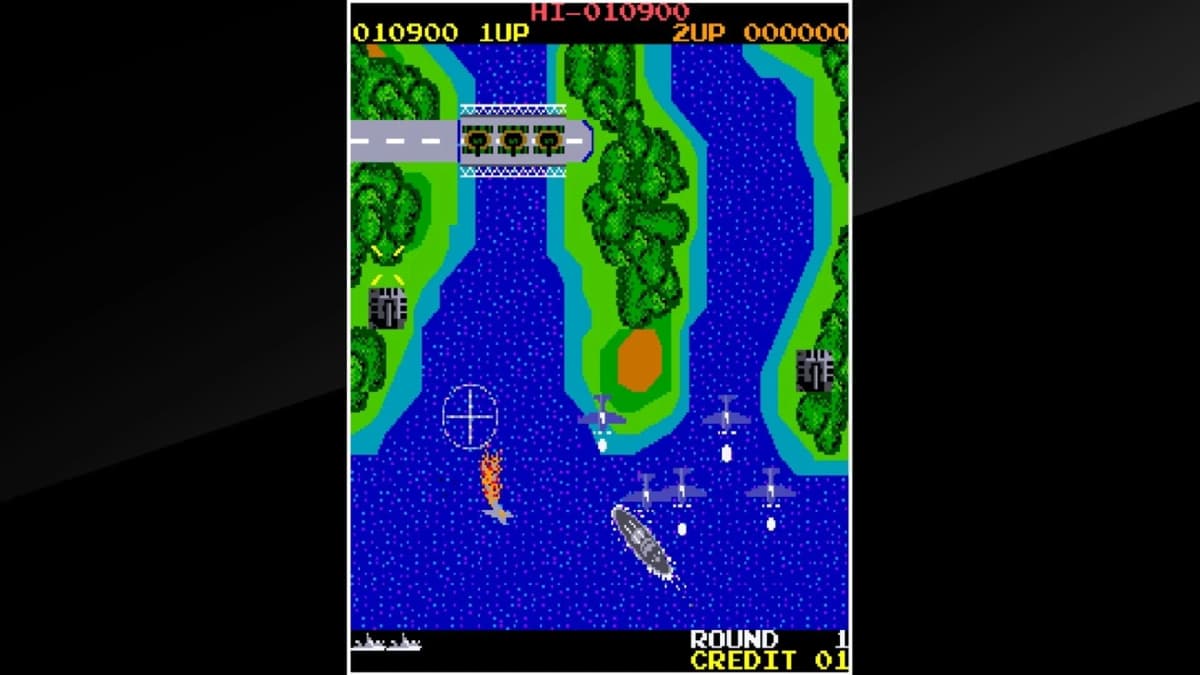
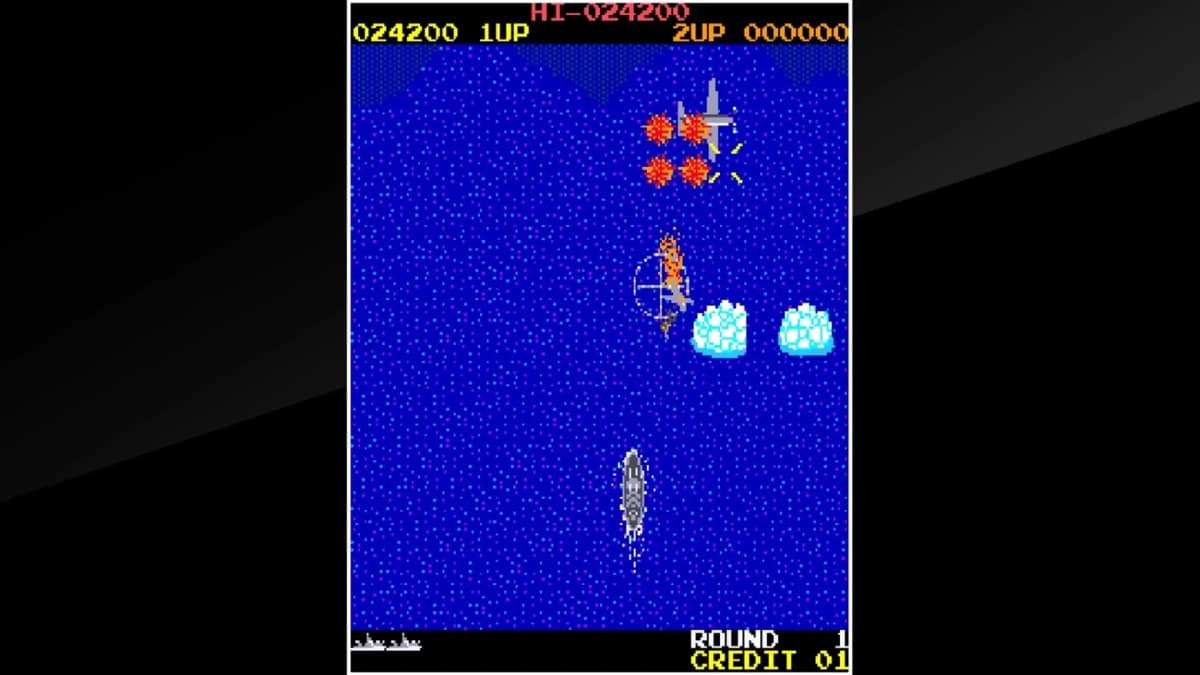
D-DAY drops you behind the helm of a lone battleship cruising the bottom of a vertically scrolling sea. Your mission: eradicate waves of destroyers, dive bombers, and fortress cannons before they obliterate you. There are no power-up chains or regenerating shields—just you, your ship’s deck guns, and a storm of enemy fire.
With its straightforward premise—survive as long as possible, rack up points, and etch your initials on the high-score table—D-DAY embodies arcade simplicity. Yet its punishing one-hit kill system turns every moment into high-stakes drama. Survive a dozen waves, and you earn bragging rights; survive a hundred, and you might just ascend to retro gaming legend status.
Controls and Core Mechanics: Precision Meets Punishment
Side-to-Side Maneuvering
Your battleship glides strictly left or right, hugging the screen’s edge to dodge incoming shells and bombs. Vertical freedom is nonexistent—each pixel of horizontal real estate is precious.
Manual Firing System
A single fire button unleashes shells straight upward. There’s no auto-aim, no spread shot—each shell follows a set trajectory. Timing your shots against enemy pause animations is key. Crack a fortress cannon in its brief reload lull, and you’ll rack up points faster than you can say “War’s over.”
Identifying Enemy Types
- Destroyers: Agile and relentless, they strafe with machine-gun fire—dodge, then dismantle.
- Dive Bombers: They swoop in predictable arcs. Learn their flight path, and blast them mid-dive for bonus points.
- Fortress Cannons: Stationary but deadly. Each requires multiple hits, and their shells follow a tight, punishing pattern.
Visuals and Audio: Retro Atmosphere Reborn
D-DAY’s charm lies in its unapologetic low-res look: bold color blocks, chunky sprites, and jerky animations. Instead of HD polishing, Hamster’s Arcade Archives equips the game with optional retro filters:
- CRT Mode: Emulates curved tube phosphors and a gentle blur.
- Scanlines: Adds interlaced lines for that authentic cabinet feeling.
- Audio Filter: Simulates speaker crackle and mono output.
These modes aren’t gimmicks—they immerse you in the era of quarters, arcade crowds, and leaderboard glory.
Modern Enhancements: Nostalgia with a Safety Net
Arcade Archives honors the original’s brutality while offering these QoL upgrades:
- Adjustable Difficulty: Virtual dip switches let you tame enemy fire rates or crank them to unstoppable madness.
- Save States: Pause and resume your run at any moment—ideal for marathon high-score sessions.
- Rewind Feature: Slip up? Rewind a few seconds to correct mistakes—though overuse drains the authentic challenge.
- Online Leaderboards: Upload scores globally, watch your initials rise, and chase rivals in real time.
Technical Performance and Accessibility
The Arcade Archives engine runs D-DAY at a rock-solid 60 frames per second, with zero input lag—crucial for split-second dodging. Screen layout options (horizontal or vertical) accommodate different play styles, while sensitivity settings let veteran sharpshooters fine-tune their movements. Though the game lacks colorblind modes or remappable controls, its minimalist design keeps input demands straightforward.
Want to Level Up Your Gaming?
Get access to exclusive strategies, hidden tips, and pro-level insights that we don't share publicly.
Ultimate Gaming Strategy Guide + Weekly Pro Tips
Strategy and Tactics: From Rookie to Admiral
Mastering D-DAY takes more than rapid trigger taps:
Pattern Recognition
Each enemy follows scripted loops. Early stages are your classroom—observe movement, memorize timing, and strike when the overlap of dives and strafes leaves openings.
Edge-Walking and Space Management
Skirting screen edges grants breathing room on one side while you monitor incoming shells on the other. But don’t get cornered—always leave two ship-lengths of escape space.
Target Prioritization
Fortress cannons yield high points but inflict heavy damage. Often it pays to dismantle destroyers first, then circle back for the artillery emplacements.
Rewind Economy
Use rewind sparingly—reserve it for waves with multiple high-value targets. It can shave seconds off your runs and keep you in the fight, but each rewind stakes part of your retro credibility.
Community and Competition: Beyond the Solo Voyage
Thanks to global leaderboards, D-DAY has sparked an active community of retro shooter fanatics. Discord servers buzz with tips on fortress-sniping runs, and Twitter threads spotlight jaw-dropping score submissions. Weekly challenges—ranging from “Highest Score in 10 Minutes” to “No-Rewind Speedrun”—keep the meta fresh.
Fan-made resources, including sprite-by-sprite breakdowns of enemy behavior and user-generated practice ROM hacks, underline how a simple 1984 game still inspires hours of collective study.
Comparisons: D-DAY vs. Other Retro Shooters
While titles like Capcom’s 1942 or Namco’s Xevious offer barrel rolls, power-ups, and bomb-dropping action, D-DAY strips mechanics to the bone. No sidearms, no coups de grâce—just you and your main cannon. If you prefer strategic positioning over power-trip upgrades, D-DAY’s relentless elegance delivers where many peers overload players with on-screen effects.
Pros and Cons: Weighing the Arsenal
- Pros:
- Pure, addictive gameplay loops that reward skill over upgrades.
- Authentic arcade presentation with optional retro filters.
- QoL features—difficulty toggles, save states, rewinds, leaderboards—for every player.
- Robust community and regular leaderboard events.
- Cons:
- Sparse visuals may disappoint those craving flashier effects.
- Brutal one-hit kills create a steep learning curve for newcomers.
- Lacks modern accessibility options like colorblind support.
Lasting Appeal: Why D-DAY Matters in 2025
In an era swamped with sprawling open worlds and layered progression systems, sometimes you crave the distilled rush of single-screen tension. D-DAY offers that in spades. It reminds us why arcades were more than money pits—they were crucibles of skill, timing, and community bragging rights.
Its simplicity is its superpower: every shell you fire has meaning, every pixel-perfect dodge feels earned. That raw feedback loop is why, even decades later, D-DAY commands respect.