
Table of Contents (8)
Blindsided by a Rocket-Boosted Trash Truck
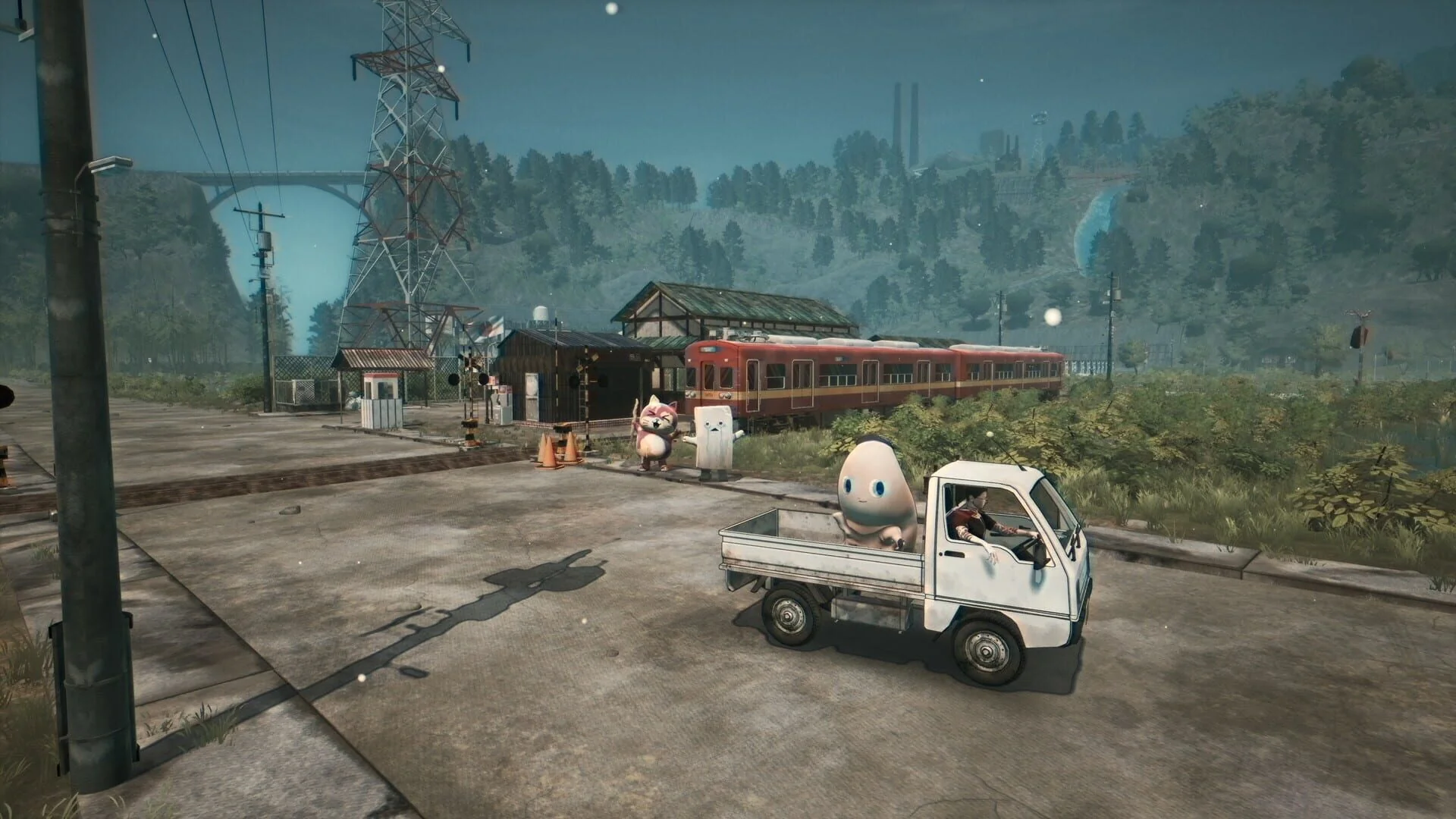
The first thing I did in Promise Mascot Agency was stall my sad little truck on a hill while a homicidally cheerful mascot in the passenger seat threatened to bite someone’s head off. That manic energy sets the tone: you’re Michi, an ex-yakuza lieutenant exiled to the cursed island of Kaso-Machi, now running a failing mascot agency from behind the wheel of a trash truck that eventually rockets.
- Promise Mascot Agency fuses yakuza redemption, management sim chores, and a simple card-based minigame into an empathy-driven adventure.
- Driving mascots and locals around, you upgrade a rocket truck not for combat, but to speed up community clean-ups.
- Side quests about debt, burnout, and small-town dreams hit harder than most AAA narratives.
- Expect a slow burn: around 20–30 hours to fully restore Kaso-Machi, best enjoyed in daily doses like a beloved TV drama.
Settling into Kaso-Machi: From Errand Boy to Community Champion
In my first three or four hours, I felt like the island’s unpaid Uber driver: ferrying Pinky (a violent, sentient thumb), a crying tofu mascot named Trororo, and a bar owner in a gimp suit to wildly incongruous destinations—shrines, adult stores, late-night classes. It all felt like filler, until around hour ten, when the routine clicked. Driving back and forth—defining potholes by sound, keying into the same ambient tracks—turned monotony into familiarity. I realized I wasn’t just ticking off quests; I was building relationships.
Mechanics Deep Dive: Card Battles as Community Bonds
At its heart, the game loops like this:
- Grab new requests from the agency or on the road.
- Drive mascots or townsfolk to gigs, sometimes across half the map.
- Resolve each job with a card-based minigame (play support cards to handle crying kids, rival mascots, or surprise storms).
- Spend earnings on truck upgrades, unlock new zones, and invest in local businesses.
The card minigame—a simple collectible-card system where each “card” represents a helper’s skill—felt throwaway at first. But as I unlocked the mechanic’s occult-obsessed lighting rig or the teacher’s crowd-calming presence, it turned into a narrative device: calling in a friend, not just stacking buffs. It never demands a math degree, but it brilliantly externalizes “community support” into tangible play.
Upgrading Your Rocket Truck: Power Fantasy Reimagined as Chores
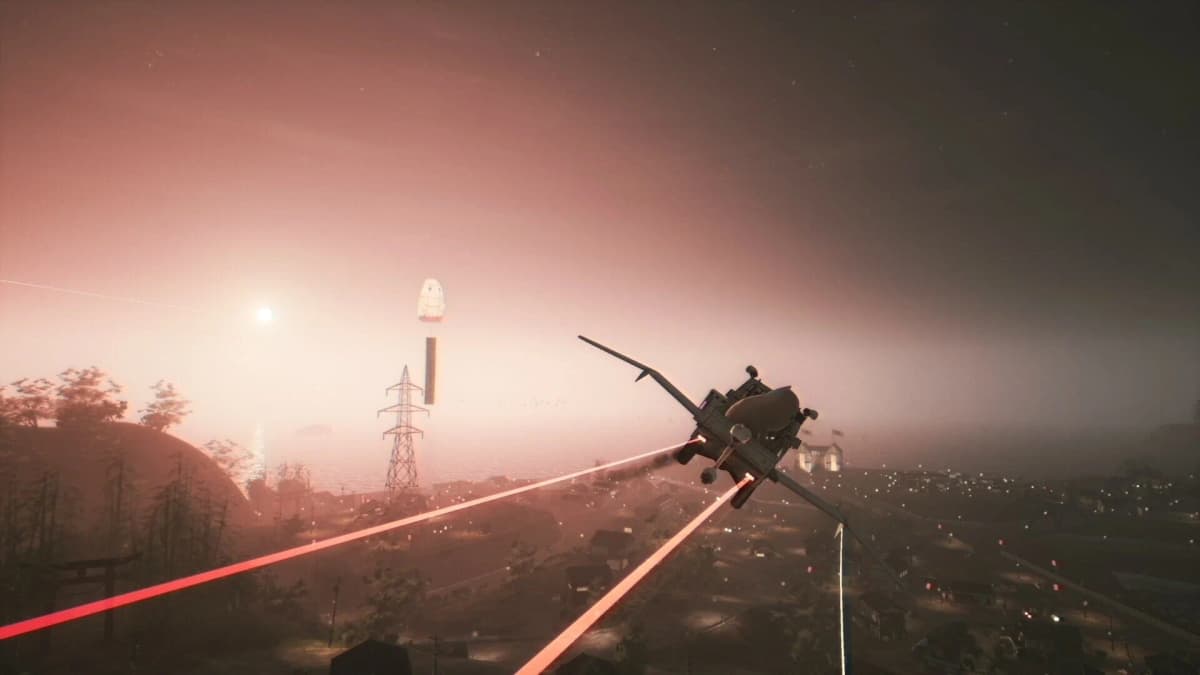
Early on, Michi’s truck is little more than a rust bucket. Install a turbo boost and you brace for street races—only to find the speed boost exists purely to shave seconds off errands. Even the boat and flying attachments resist combat-race temptations, and the midgame cannon? It mostly shoots Pinky into trash piles or blasts campaign posters. It’s silly perfection: the game dangles epic power, then reroutes it back to cleaning up the island. Those upgrades feel meaningful because each one serves a real person you’ve met.
Heartfelt Side Quests That Outshine the Main Story
If you’re here for gangland showdowns, you’ll be surprised: the most moving arcs tackle debt, burnout, and loneliness. A rundown English teacher running free night classes, a family-stressed mechanic chasing occult rumors, a VTuber-turned-farmer struggling to redefine herself—these side stories unfold the same way you’d binge a character-driven TV show. No melodrama, just people scraping together dignity one errand at a time.
When Routine Becomes the Point: Pacing and Player Mindset
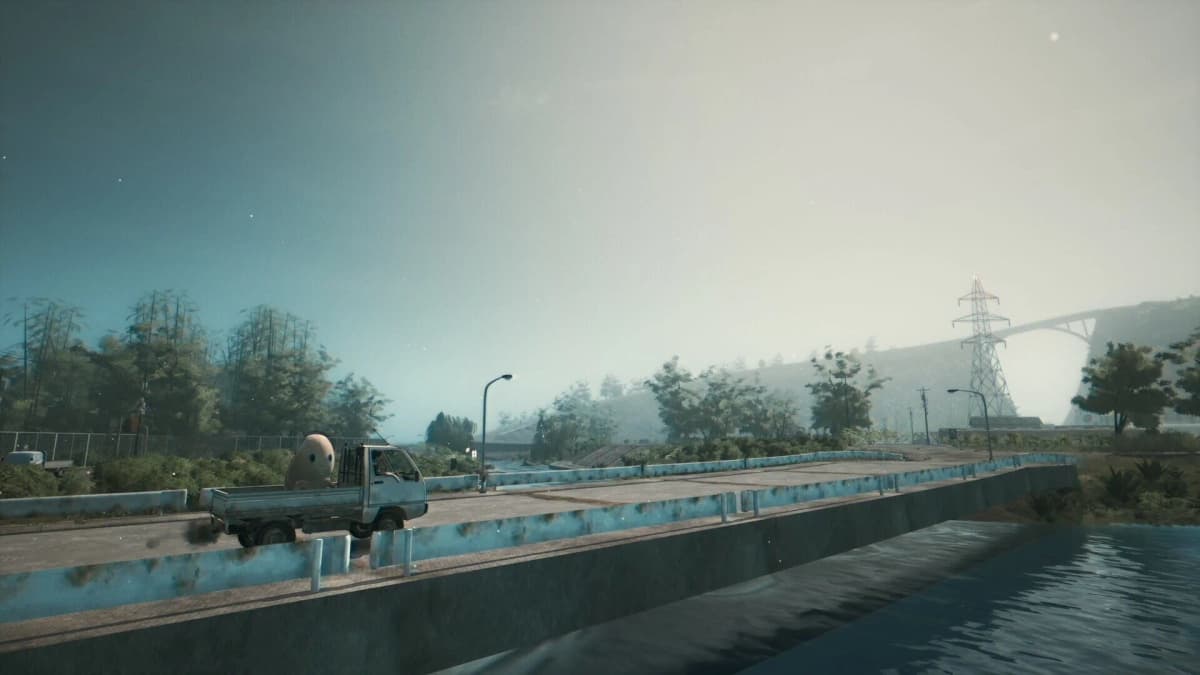
Yes, there are stretches—midgame festival prep, train station restorations—where the errands blur together. But treating each in-game day like an episode helped: one or two gigs per real-world night, savoring the dialogue and art. If crisp combat or deep systems are your jam, this slow-burn, routine-first sim won’t surprise you later. Its refusal to glamorize power is the whole point.
A Scruffy Chic: Visuals, Audio, and Character Performance
Promise Mascot Agency isn’t chasing photorealism; it nails a lived-in, slightly scruffy aesthetic—peeling paint, overgrown fields, ramshackle storefronts. Mascots bounce with off-kilter proportions, and Pinky’s feral animation feels part Looney Tunes, part horror. Best of all is the voice work: Michi’s deadpan-yet-gentle gravitas contrasts Pinky’s weaponized cuteness. Even minor NPCs leap off the screen with distinct voices and personalities.
Conclusion
Promise Mascot Agency is a rare breed: a game that chucks violence aside to focus on kindness, community, and the small rituals that bind us. If you crave character-driven stories, heartwarming side quests, and unconventional power fantasies—wrapped in a management sim’s routine—this one’s for you. Available on PC and consoles, expect around 20–30 hours to see the finale. Bring patience, treat it like your favorite TV drama, and prepare to find genuine joy in the chores.
FinalBoss // Gear
Level up your setup
01Top-rated gaming headsetson Amazon→02High-refresh gaming monitorson Amazon→03Gaming chairson Amazon→04Discounted game keyson Kinguin→Affiliate links · As an Amazon Associate, FinalBoss earns from qualifying purchases.
Want to Level Up Your Gaming?
Get access to exclusive strategies, hidden tips, and pro-level insights that we don't share publicly.
Ultimate Reviews Strategy Guide + Weekly Pro Tips