
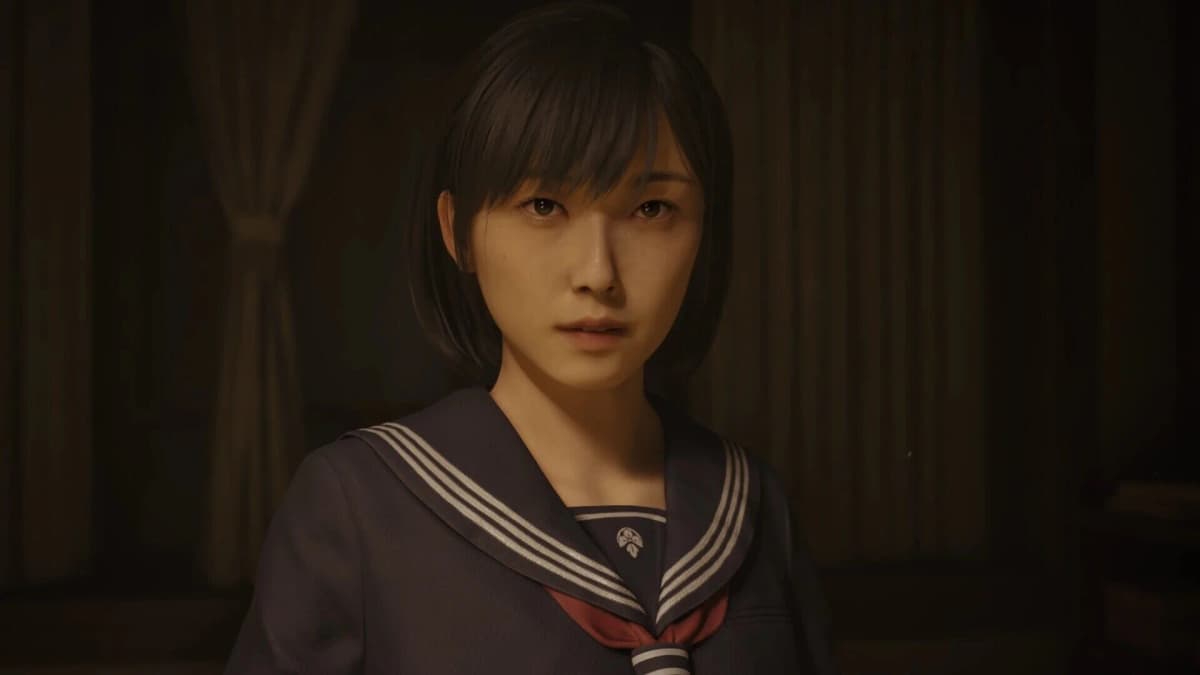
24 Hours in Tokyo and the Haunting First Glimpse of Silent Hill f
Game intel
Silent Hill f
Hinako's hometown is engulfed in fog, driving her to fight grotesque monsters and solve eerie puzzles. Uncover the disturbing beauty hidden in terror. Silent…
What Happens When Tokyo and Silent Hill f Collide?
When I landed in Tokyo for a hands-on with Konami’s Silent Hill f, I figured I’d snag a few touristy moments between gameplay sessions. What happened instead was a wild 24-hour sprint through the city-a blur of ramen joints, neon, incense, and yes, echoes of Silent Hill’s signature dread following me from neighborhood to neighborhood. As Konami swings for the fences with its first Japan-set Silent Hill, experiencing both the real city and its digital nightmare back-to-back was the perfect test: does Silent Hill f actually channel the uncanny, electric contradictions that make Tokyo so irresistible-and so unsettling?
- From luxurious Ginza to chaotic Shibuya, Tokyo is all about unsettling contrasts-much like Silent Hill’s best tricks.
- The city’s juxtapositions of serenity and chaos mirror the themes Silent Hill f is aiming for.
- Konami’s choice of Japan as a setting isn’t just aesthetic—it’s a bet on atmospheric, cultural horror that will feel fresh to fans.
- My time in both real and virtual Tokyo has me convinced: if f gets it right, it could be the most immersive Silent Hill since the original trilogy.
From Ginza Glitz to Neon Shinjuku: Chasing Contrasts
Let’s be real: any gamer who’s wandered through a Japanese city knows that the sensory overload is real. My own tour started in Ginza under that classic July humidity, clutching the kind of portable fan you only appreciate after your third sweat-drenched block. Between the glass-and-steel luxury towers, you find pockets of peace—an oddly fitting echo of Silent Hill’s alternating lulls and scares. A random noodle shop delivered both comfort food and a surprise violin concert, and for under ten euros, at that. Moments like these are the definition of Tokyo: chaos always edged with beauty and unpredictability.
Later, a stop at Tsutaya Books showed off Tokyo’s love for curated experiences—art, literature, and even a rooftop with a killer view of Tokyo Tower. This mosaic nature of the city was uncannily reflected in what I saw in Silent Hill f’s first hours: the new game leans hard into Japanese weirdness, but it’s the city’s emotional texture—how calm and terror can coexist—that gives it teeth. Konami know the old formula was getting stale; transplanting the franchise to a place as contradictory as Tokyo might just save it.
The Everyday Eerie—Tsukiji, Harajuku, and Shibuya’s Surreal Energy
People imagine Silent Hill’s horror as supernatural fog and twisted creatures. But walking Tsukiji market at dawn, the real-world atmosphere does half the work: briny seafood scents, the hypnotic rhythm of the early-morning crowd, a sense of history layered on top of modern bustle. Even grabbing a coffee at a konbini becomes a kind of mini-quest—exactly the sort of mundane-but-tense scenario Silent Hill f builds its narrative around.
Harajuku, with its pastel storefronts and thrifted fits, was still shuttered at 8 AM, the streets just empty enough to give you that “something’s not right here” feeling—a vibe any horror fan can recognize. By the time I hit Shibuya Crossing, the crowd choreography was so surreal it might as well have been pre-programmed AI NPCs: everyone weaving together, but each on their own path. Game devs spend millions trying to capture the uncanny valley; Shibuya at rush hour nails it for free.
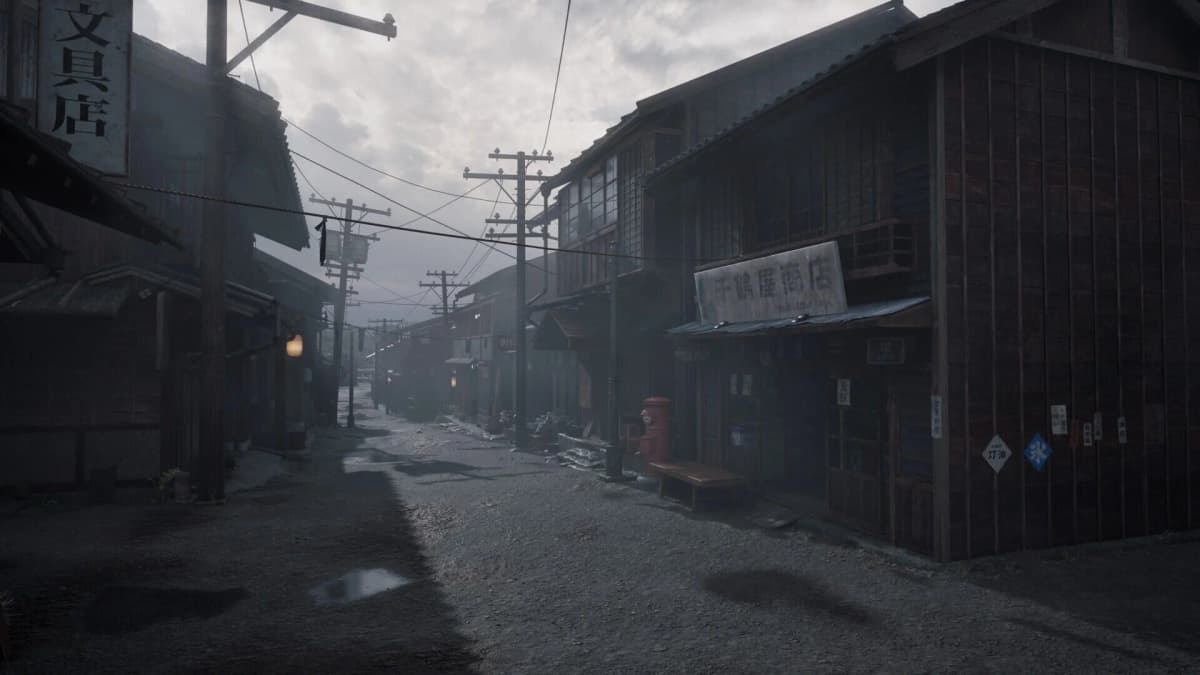
- The real Tokyo brings the “uncanny normal” that makes for great psychological horror.
- Silent Hill f’s setting seems poised to pull from these contrasts in a way no Western horror could.
Silent Hill f: Finally, a Setting That Understands Its Own Weirdness
Let’s talk about why this matters to gamers. For years, Silent Hill’s attempted comebacks tried to mask old gameplay with new shocks, but the psychological core was missing. Dropping the franchise into Japan—where every convenience store at 3 AM can feel haunted, and even temples like Meiji Jingu blend tranquility with shadow—gives Konami material Western devs just can’t replicate. In my preview, the game played up urban legends, nature gone wrong, and subtle social unease—drawing straight from Japanese horror traditions.
I walked from Shinjuku’s neon mazes (arcades still rattling with the sound of gachapon machines) to peaceful, narrow residential lanes the next morning. That wild shift is what makes Tokyo so intoxicating—and what Silent Hill f looks set to nail at last. If you’ve been hungry for a return to psychological terror and not just jump scares, this could be the franchise’s rebirth moment. But it’ll all come down to execution: can Konami really marry this new setting with meaningful, dread-inducing gameplay?
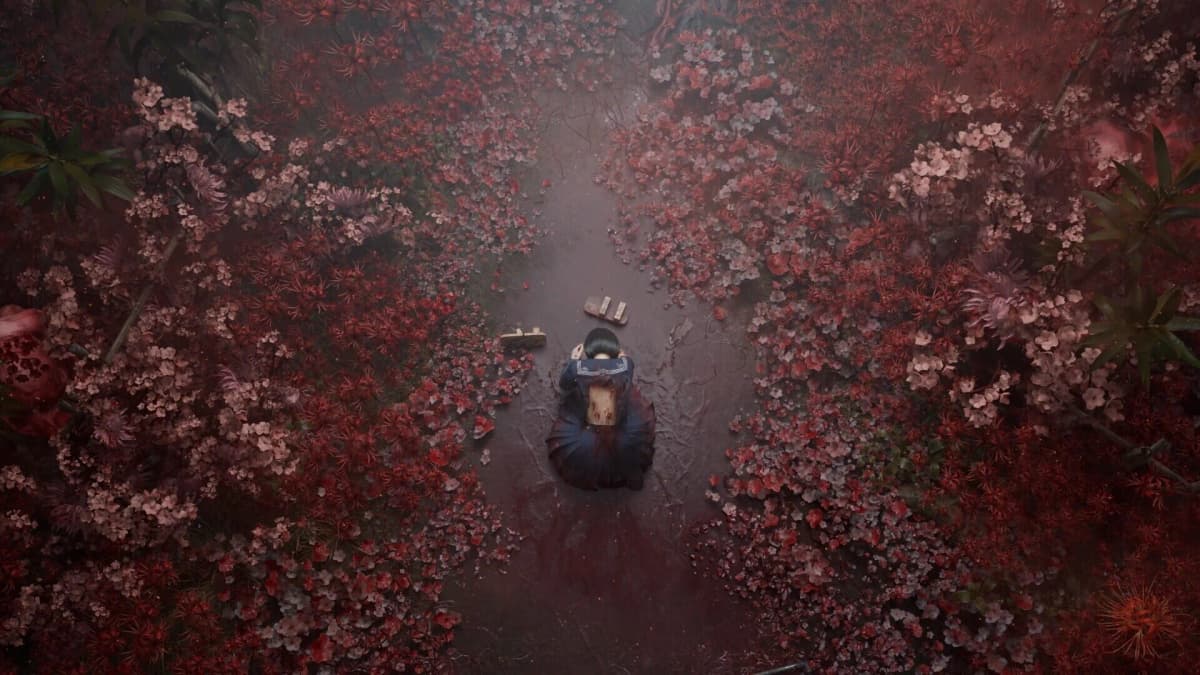
TL;DR: Tokyo’s Haunted Heartbeat, Now Playable
My 24-hour Tokyo marathon and the first taste of Silent Hill f confirmed one thing: this city is tailor-made for horror, and Konami’s new direction finally gets what made the series special in the first place. As long as they stick the landing, fans might finally get a Silent Hill that feels both new and true to its roots—and every alleyway, market, or city crossing could hold something wonderful, or something horrifying, just out of sight.