
Table of Contents (9)
When a Great RPG Story Keeps Crashing Around You
About 25 hours into GreedFall: The Dying World, right after finishing one of my favorite companion arcs, I hit “Continue” on PS5 and got that message every RPG player dreads: save file corrupted. No backup, no cloud miracle, just… gone.
That moment pretty much sums up my time with this prequel. Underneath the bugs, weird UI decisions, and some rough combat pacing, there’s a genuinely strong narrative about colonization, identity, and resistance. I cared about Vriden Gerr and their crew. I wanted to see how their story tied into the original GreedFall. But the game kept tripping over its own systems and technical problems so often that, by the end, I felt like I was fighting the game more than the tyrants it wants me to oppose.
I played mostly on PS5 with a bit of time on PC to check performance. Across both, the pattern was the same: smart writing and character work, ambitious systems, and a layer of clunk and instability that makes the whole experience feel like it slipped out of early access a few patches too early.
Living as Vriden Gerr: A Better Perspective on Teer Fradee
The first hour impressed me more than I expected. Instead of playing another foreign legate from the Old Continent, you’re Vriden Gerr, a member of the Teer Fradee people. You complete your coming-of-age ritual, get your shamanic powers, share a couple of grounded, small-scale scenes with your community… and then you’re stolen away, ripped from your island and dropped into the rotting heart of the colonizers’ world.
That shift in perspective is the smartest thing The Dying World does. The original game flirted with anti-colonial themes but ultimately told them from the view of an outsider. Here, you are the person whose land is being carved up and whose culture is under constant attack. Every decision you make is framed by that context: are you surviving within an imperial machine, or sabotaging it at every opportunity?
The writing leans hard into moral grey areas. A lot of quests don’t give you a clean “good” solution. Instead, you’re picking which group gets hurt less. Early on, I had to choose between exposing a noble’s plan that directly threatened my people, or using that information quietly to secure a vital ally at court. Either way, someone pays a price. The game is good at reminding you that resistance inside a system built on exploitation is always compromise, never clean heroism.
There’s also a recurring thread about the Old Continent literally and figuratively rotting. Streets feel cramped and sickly, factories belch poison, and noble villas are gorgeous on the surface but full of decay once you step inside. When the story hits, it hits hard. It’s not flawless-some beats are predictable-but it’s consistently more thoughtful than the average fantasy RPG.
Companions Who Deserved a More Stable Game
Where the game absolutely nails it is the party. Gerr is a voiced protagonist with a defined personality, but you still get some wiggle room in how defiant, diplomatic, or ruthless you want them to be. What I liked is that they always feel like a person, not a blank slate-stubborn, angry, but trying hard not to lose their humanity in the middle of all this.
Your companions are the real hook, though. Sybille, the roguish figure who hides knives behind charming banter, immediately became my go-to partner. There’s a cartographer whose enthusiasm for maps and history could’ve been played as a joke, but the game lets their curiosity become something quietly moving instead. Even side characters who only stick around for a chapter or two leave an impression.
The companion system isn’t revolutionary, but it’s handled with more respect than most. Relationship-building comes through conversations, shared choices, and dedicated companion quests. There’s no goofy “spam them with gifts until they love you” mechanic. When someone grows closer to Gerr, it’s usually tied to a moment where you backed their judgment, respected their traditions, or took the fall for them in court.
One of my favorite touches is the option, in some big conversations, to step back and let a companion take the lead. The game explicitly offers a line like, “This is your fight; you should speak.” Then they take over, and in some cases you can even let them make the final call. It sells the idea that you’re part of a group, not the only person whose voice matters in every room, and it dovetails nicely with the themes of solidarity and trust.
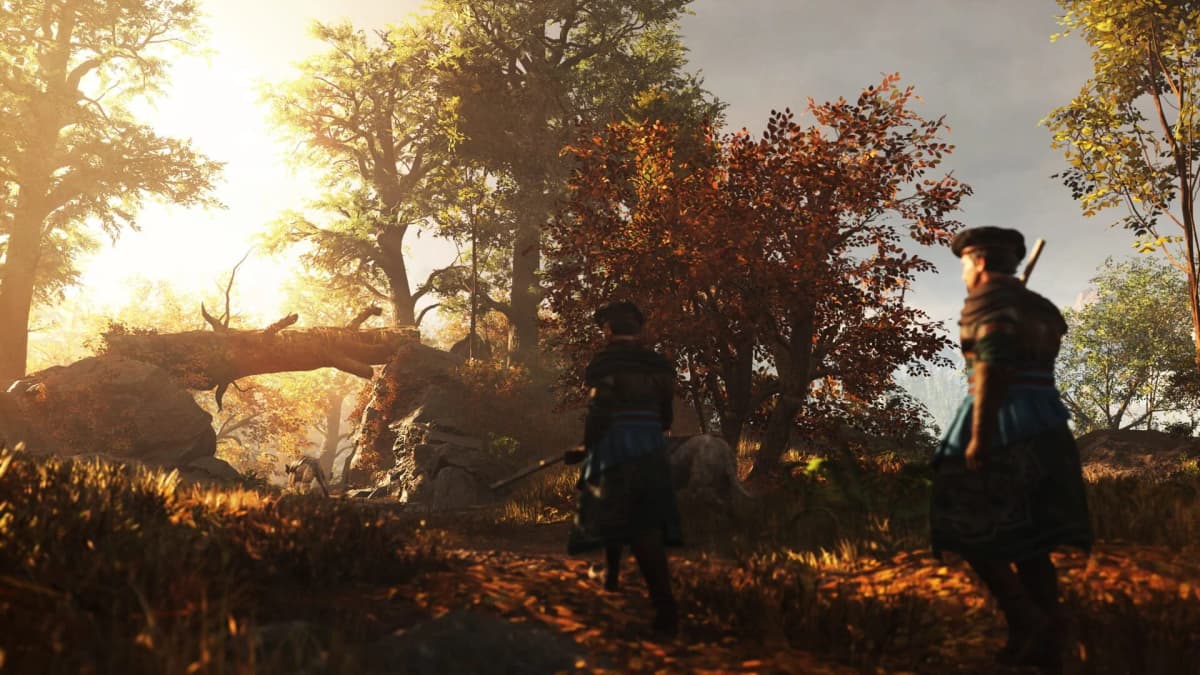
Mechanically, these bonds matter too. As you deepen relationships, companions unlock passive stat bonuses and combat perks, and some romances open up if you’re into that. It’s not as deep as something like Dragon Age: Inquisition, but it’s compelling enough that I found myself doing every companion mission I could—which made it sting even more when technical issues started trampling those stories.
Combat: Real-Time-With-Pause That Never Fully Clicks
The Dying World swaps the original game’s clunky third-person action for a real-time-with-pause combat system. On paper, that’s exactly what I wanted from Spiders: lean into their CRPG side and let me micro-manage a squad. In practice, it’s a half-step that never becomes fully satisfying.
Here’s how it works: auto-attacks tick away in real time, building up an action bar. Skills spend those points. At any moment, you can pause, queue abilities for each party member, reposition, and then unpause to watch it all unfold. Or you can put allies on AI and play more like an action-RPG with cooldowns and occasional pauses.
The problem is pacing. Enemies don’t hit hard enough, and fights rarely force you to rethink your tactics. Once I found a comfortable groove—a mix of crowd-control on Gerr, a dedicated healer, and a damage-focused rogue—I was repeating the same rotation in fight after fight. Bosses occasionally shake things up with weird resistances or arena hazards, but too many encounters feel like filler.
The ally AI doesn’t help. On “autonomous” mode, there were battles where my healer was clutch, dropping group heals at just the right second. And then there were the other 60% of fights where I’d glance at the UI and see a companion sitting on a full bar of action points, just… basic attacking forever while big abilities sat unused. More than once I lost a party member because my AI caster would rather poke things with a dagger than spend five points on a protective spell.
That inconsistency almost forces you into full pause-and-play if you’re playing on higher difficulties. Luckily, there are granular sliders that let you tweak damage dealt and taken, so if you’re mostly here for the story, you can absolutely turn the numbers down and brute-force the combat. I ended up doing exactly that after the first dozen hours, not because I couldn’t handle the fights, but because I was bored of babysitting the AI every turn.
Character Building: Deep Customization with One Big Blind Spot
If there’s a systems-heavy side of the game that genuinely works, it’s character building. Gerr’s skill tree opens up a ton of room to specialize—ranged magic-focused shaman, close-quarters bruiser, debuff-heavy support, and so on. Layer in up to three party members with their own trees, and you can build some cool synergies. In that sense, it scratches the “old-school RPG” itch nicely.
On top of skills, there are talents like lockpicking, crafting, and social abilities that unlock dialog options or alternative paths through areas. Investing in these actually feels meaningful. Pumping points into lockpicking meant I was constantly finding side rooms with extra lore and gear. Raising social talents opened up ways to resolve quests non-violently or expose lies mid-conversation.
On top of skills, there are talents like lockpicking, crafting, and social abilities that unlock dialog options or alternative paths through areas. Investing in these actually feels meaningful. Pumping points into lockpicking meant I was constantly finding side rooms with extra lore and gear. Raising social talents opened up ways to resolve quests non-violently or expose lies mid-conversation.
🎮 Get This Game at the Best Price
Compare prices instantly and save up to 80% on Steam keys with Kinguin — trusted by 15+ million gamers worldwide.
*Affiliate link — supports our independent coverage at no extra cost to you
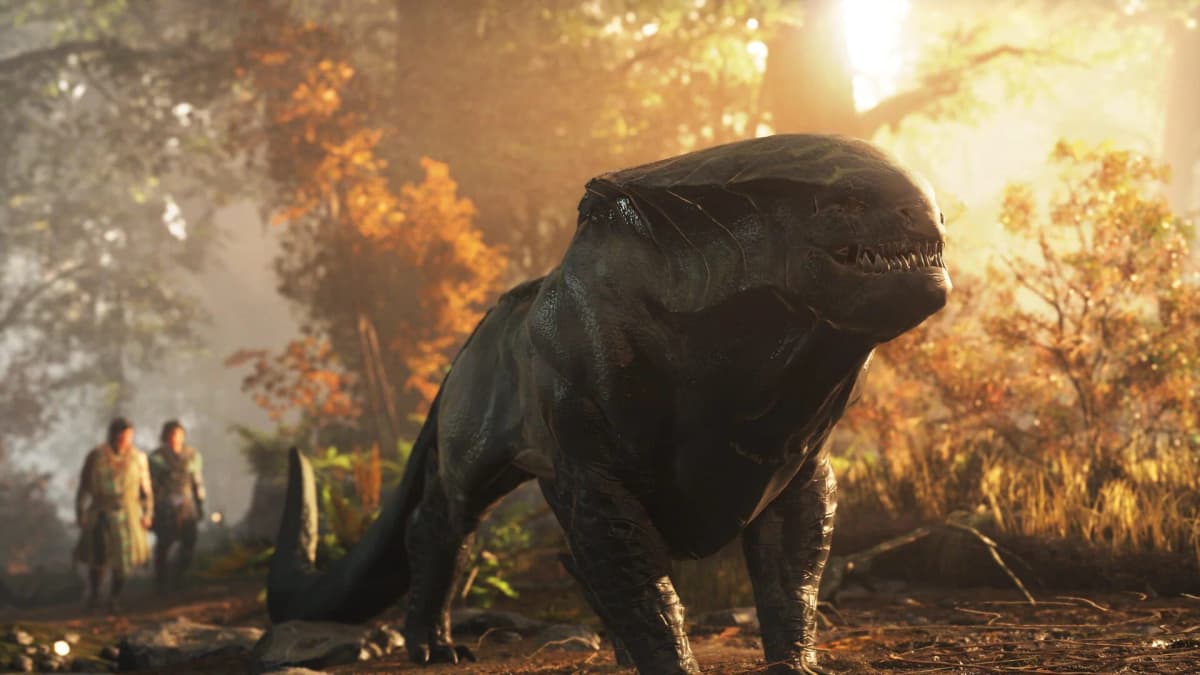
Attributes, though? That’s where the design falls down. Each attribute affects such a narrow slice of your stats that, for most of the game, there’s one obviously correct choice for each character. The returns per point are tiny, and spreading your attribute points around early on feels like actively weakening yourself for no real payoff. Only late in the campaign, once I’d nearly maxed my “main” attributes, did experimentation feel even remotely viable.
It’s a weird disconnect: on one hand, the game invites you to treat Gerr as a fully customized build; on the other, the attribute system quietly punishes you for playing against type. This isn’t a dealbreaker, but it undercuts what could’ve been the game’s most satisfying layer of depth.
Technical Problems: From Annoying to Save-Destroying
Let’s talk about the thing that will absolutely define this game’s reputation if it doesn’t get patched hard and fast: technical stability. Even after leaving early access, The Dying World feels fragile.
On PS5, my first few hours looked promising—60fps performance mode held up decently in smaller areas, and loading times were short. Then the cracks started to show. Interactable objects would randomly stop highlighting, so I had to slowly “sweep” rooms, mashing the interact button just to find a ladder prompt. Quest markers would show up on the mini-map but not in the world, or vice versa. I had two hard crashes in the same evening during city exploration, both while opening the map screen.
Most of those issues are the kind you grumble about and move past. The corrupted saves are not. I had one full main save corrupt on PS5 after a crash, and another on PC where a quicksave refused to load and would instantly boot me back to the main menu with a generic error. For a 30-40 hour RPG, that’s brutal. I started manually rotating three different save slots like it was 2003, purely out of paranoia.
Visual glitches pop up constantly: characters clipping through chairs during cutscenes, facial animations desyncing from voice lines, NPCs T-posing down the street for a couple of seconds before snapping into place. One tutorial pop-up for attributes literally used different names than the ones appearing in my character sheet, forcing me to cross-reference which stat the game was actually talking about. Individually, these details are small. Taken together, they scream “we needed another six months.”
To be clear: I’ve played far buggier RPGs. This isn’t early Skyrim on PS3 bad. But the combination of immersion-breaking glitches and the very real threat of save corruption is enough to make me hesitate before recommending anyone dive in right now, especially on console.
UI and Navigation: The Mini-Map From Hell
The world design is thematically strong—late pre-industrial grime, smokestacks, muddy streets, noble estates drowning in dark wood and red velvet. But actually moving through these spaces is more confusing than it needs to be, largely because of the mini-map.
Instead of a layered, clearly marked navigation tool, you get a flat top-down image with your marker plopped on top. No elevation indicators, no shading to distinguish overpasses from solid walls, no clear way to tell if a tiny alley is actually traversable or just decorative geometry. In dense urban zones, with all the dark browns and greys blending together, I constantly found myself running into dead ends that looked like viable paths on the map.
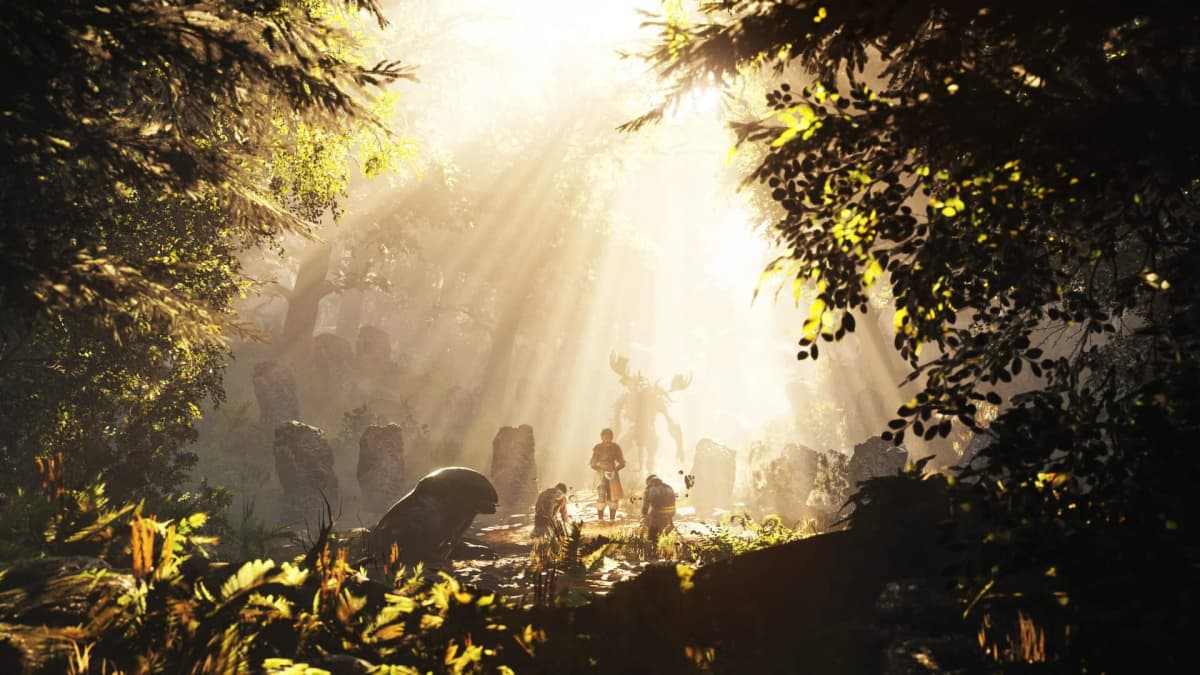
There is a kind of internal logic you eventually pick up—after a dozen hours or so I could usually guess which lines represented bridges versus blockages—but it’s unnecessarily opaque. When you pair that with the intermittent loss of interaction highlights, you get long stretches of pure, joyless wandering: circling the same neighborhood three times trying to figure out if the quest marker is above you, below you, or just blocked by some unseen fence.
Menus aren’t terrible, but they’re not exactly smooth either. Information is often buried two or three layers deep, with inconsistent terminology between tooltips and UI labels. Again, it’s the sort of thing that screams “rough edges” rather than “catastrophic flaw,” but when you’re already frustrated by bugs, the UI friction piles on fast.
Who Should Actually Play This Right Now?
So with all that in mind, who is GreedFall: The Dying World actually for at launch?
If you loved the first GreedFall for its worldbuilding, factions, and janky-but-charming Euro-RPG energy, there is a lot here you’ll appreciate. The shift to a Teer Fradee protagonist adds a layer the original never fully achieved, and the companion writing is strong enough to sit alongside mid-tier Dragon Age or Pillars of Eternity characters in my head. If you can live with technical instability and somewhat shallow combat as long as the story is good, you’ll probably find value in it.
If you’re more sensitive to bugs, or you don’t have the patience for real-time-with-pause systems that require constant babysitting, you should wait. Give Spiders a few big patches to sort out the worst crashes and save issues, and maybe even smooth out the AI. The bones of a really solid 7.5/10 RPG are here; they’re just buried under too much jank to claim that score today.
FinalBoss // Gear
Level up your setup
01Top-rated gaming headsetson Amazon→02High-refresh gaming monitorson Amazon→03Gaming chairson Amazon→04Discounted game keyson Kinguin→Affiliate links · As an Amazon Associate, FinalBoss earns from qualifying purchases.
Want to Level Up Your Gaming?
Get access to exclusive strategies, hidden tips, and pro-level insights that we don't share publicly.
Ultimate Reviews Strategy Guide + Weekly Pro Tips