
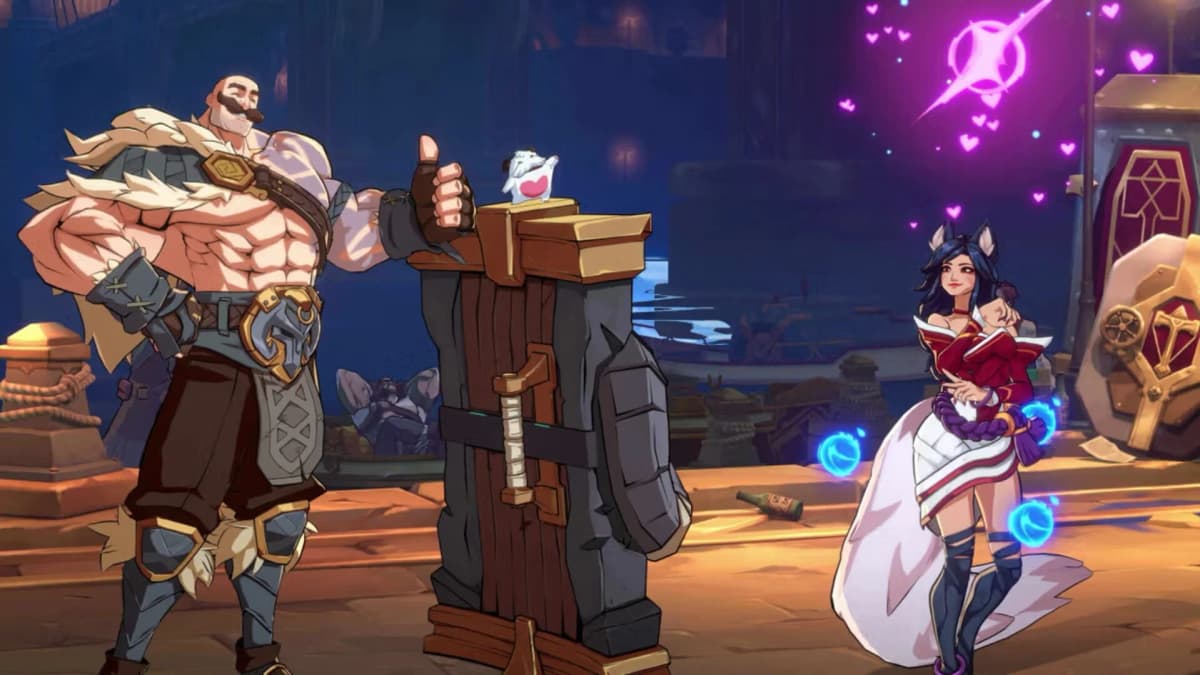
Lux wins space by making three lanes dangerous at once: a ground-level beam, a delayed vertical column, and an airborne projectile aimed at the floor. Once an opponent hesitates, switch from projectiles to airdash pressure and wand normals. Marvel Tōkon: Fighting Souls’ Grappler takes the opposite route: defend patiently, use assists to cover movement, then turn blocked pressure into a command-grab threat.
These plans matter because both characters punish a common beginner habit. Lux opponents often try to jump over every projectile, while Grappler opponents often block too long once they reach close range. Build your practice around those reactions rather than chasing complicated showcase combos immediately.
Table of Contents (9)
Lux’s Core Gameplan: Control Space, Then Take the Corner
Riot classifies Lux as an all-rounder, and her tools support that label. She has a projectile-heavy neutral game, but she also carries fast movement, a dive kick, a launcher, a two-hit spacing normal, and a fully invulnerable uppercut. Treat her as a range-shifting character: establish distance first, then force the opponent to defend at close range.
| Lux tool | Best space | What it covers | What to watch for |
|---|---|---|---|
Standing S1 | Long range | A magic sphere on tap; hold the button for a full-screen horizontal beam. | Opponents jumping over the beam can try to land directly on you. |
Crouching S1 | Mid-screen | A hovering circle that fires a delayed vertical column of light. Holding it places the circle farther away. | The delay creates a gap before the column activates, so place it before the opponent reaches you. |
Air S1 | Above mid-screen | A downward sphere that covers the ground while Lux is airborne. | Use it to change the opponent’s anti-air timing rather than floating predictably. |
Down-forward S2 | Close range | A completely invulnerable uppercut that checks jump-ins and pressure. | Save it for a clear escape or anti-air read; its punish window after a miss is not yet documented in frame data. |
Build the projectile shell before advancing
Start neutral with Standing S1 at long range. The held beam makes the opponent deal with horizontal space, while the standard sphere gives you a lighter projectile to throw without committing to the beam. When the opponent reaches mid-screen, add Crouching S1 so the delayed column occupies the air above their route.
The important interaction is timing, not volume. Fire the horizontal beam first, then let the vertical column arrive after the opponent has started moving. A player who jumps early can run into the downward beam; a player who waits can lose ground to the horizontal projectile. Lux gets stronger when those two attacks activate at different moments.
The main trap: holding a projectile pattern too long after the opponent has already entered close range. Lux has strong ranged coverage, but a beam thrown point-blank gives up the part of her kit that makes her durable. At that distance, use her S2 normals, block, move, or represent the uppercut instead.
Make jump-ins expensive with down-forward S2
Lux’s down-forward S2 is her defensive centerpiece. The invulnerable uppercut catches opponents who try to jump through a beam, attack over a delayed column, or pressure her after they close the gap. The cleanest habit is to watch the opponent’s jump arc after you use Standing S1. If they repeatedly clear the beam from a similar distance, keep the uppercut ready instead of throwing another projectile.
This also gives Lux a straightforward anti-air conversion to practice: uppercut a jump-in, follow the launched opponent with aerial pressure such as Air S2, then use an OTG-capable light projectile after knockdown where the spacing permits it. Several of Lux’s light attacks and projectiles can hit off the ground, giving her extra corner carry after a successful defensive callout.
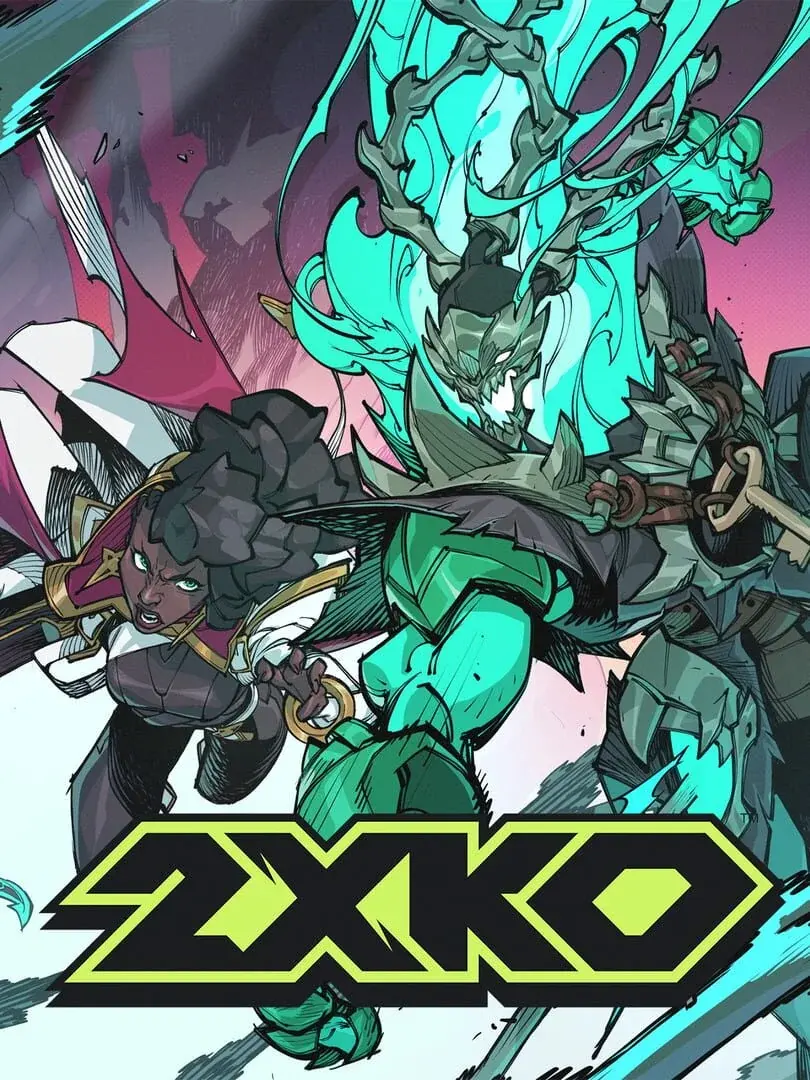
How Lux Turns Zoning Into Rushdown
Projectiles should walk the opponent toward the corner. Once they are close to the wall, Lux can stop playing at full screen and use her unique airdash, dive kick, and wand attacks to make blocking uncomfortable.
Standing S2hits twice and pushes the opponent away. Use the two hits to re-establish spacing after close contact or to keep corner pressure organized.Crouching S2smashes the ground and launches, creating a clear route into air follow-ups or team extensions.Air S2is a dive kick that changes Lux’s jump arc. It gives her a faster descent, a high-low threat near the corner, and a way to punish opponents waiting underneath an airdash.- Lux’s airdash lets her cross space quickly after the opponent has committed to blocking or waiting for a projectile.
A reliable beginner template is to confirm a beam hit, move in, use Standing S2 for its two hits, then use Crouching S2 to launch. Continue with an air follow-up when the hit confirms. Exact damage, frame advantage, and optimal routes are still unlisted, so use this as a structure for training rather than a guaranteed maximum-damage combo.
Lux can also work with the Double Down interaction. With Lux on Double Down, her S2 lasers can keep the opponent occupied while she continues attacking, creating longer team combo opportunities. That makes a launcher especially valuable: it gives the partner team time to convert while Lux’s screen control stays active.
Spend Lux’s Meter for the Situation in Front of You
Lux’s two supers reinforce her flexible role. Her S1 Super is the direct answer for a distant punish, a combo ender, or a low-health opponent trying to survive from full screen. It starts at one bar and fires a laser across the stage; holding the input spends additional meter for extra lasers. Each laser can be aimed separately, and Lux can use this super in the air.
Her S2 Super is the setup option. Lux throws a prism that moves forward a short distance and lights the area below it. The prism remains active while Lux moves, giving her time to airdash in, attack low with a dive kick, or force a guarded approach. The prism disappears if Lux is hit, so place it when she already has breathing room or after a knockdown rather than treating it as a panic button.
For a simple corner plan, score a knockdown, establish the prism, then choose between an airdash approach and a lower dive-kick angle. The prism’s lingering coverage makes the opponent account for a second threat while Lux closes in. Avoid assuming any route is unblockable; the available material does not establish exact cross-up, guard, or frame conditions.
Lux’s September 2026 Patch Status
Lux joins 2XKO on 8 September 2026 in patch 1.3.1 as a Medium hurtbox character. That patch unlocks all champions for all players and makes Lux immediately available without a separate character purchase. Medium size means common mid-range confirms will connect reliably, so do not expect small-character evasiveness to rescue poor positioning.
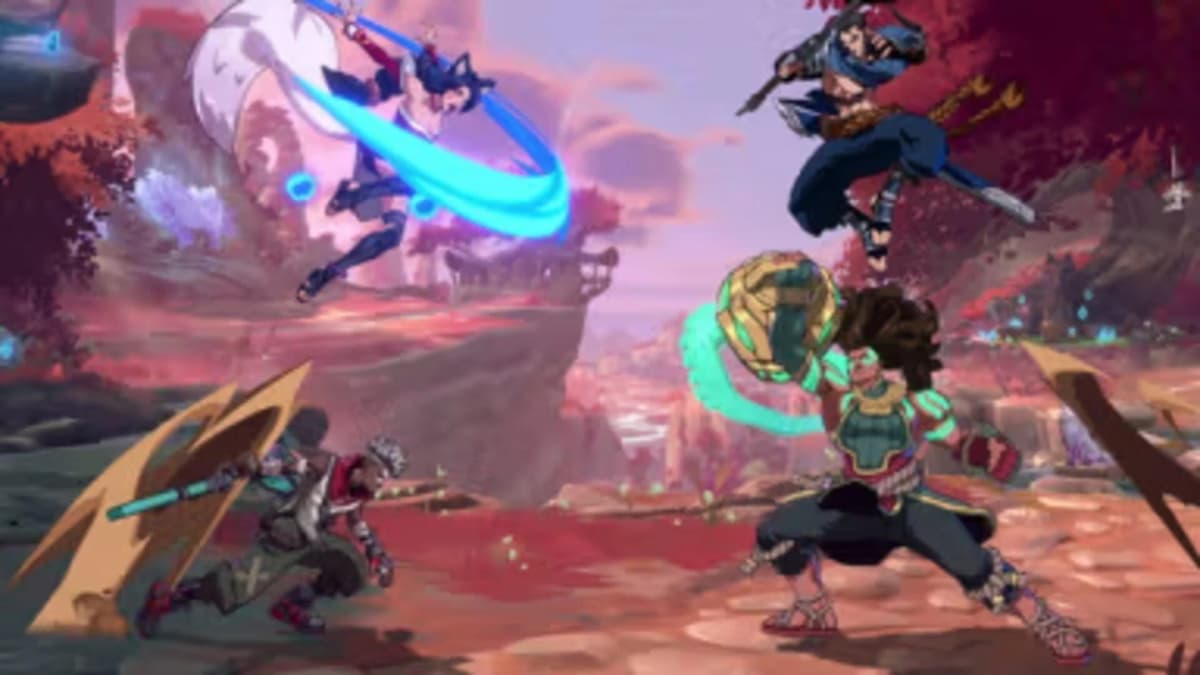
2XKO remains playable across its supported platforms, with offline play unaffected. Riot will conclude active development at the end of 2026, keep servers online beyond that point, and release a final bug-fix patch in December 2026. Samira arrives in patch 1.3.3 in October as the final champion. Ranked mode is being removed for a single matchmaking pool per server, while casual lobbies retain skill-based matchmaking and private lobbies remain available.
Players who spent money on 2XKO on or before 20 August are covered by the announced refund plan. For Lux players, the practical takeaway is simple: learn a durable neutral-and-defense shell now, because the remaining live schedule is short and major post-launch balance development is ending.
Marvel Tōkon Grappler: Learn Defence Before the Grab Game
The beginner-oriented Grappler in Marvel Tōkon: Fighting Souls is built around throws, command grabs, close-range pressure, and an install state activated through a special gauge. The character becomes far easier to use once you stop forcing grabs from disadvantage. Blocking correctly, disengaging with movement, and calling an assist for coverage create the situations where a Grappler’s reward matters.
- Complete Startup Battle before drilling character-specific sequences. It establishes movement, blocking, and basic team actions.
- Learn one Light-route conversion first. A dependable light confirm into knockdown gives the Grappler a way to establish close-range pressure without gambling on a raw grab.
- Practice standing block and crouching block separately. Standing guard handles higher attacks and jump-ins; crouching guard is needed when the opponent threatens lows.
- Use backdash after an opponent’s blocked heavy normal or overextended special leaves a visible gap. Re-enter when the opponent has to recover instead of challenging every turn.
- Call an assist to cover recovery, protect a wake-up situation, or occupy the opponent before moving forward. Assists have more value as defensive cover than as random damage buttons.
Use the install gauge from advantage
The Grappler’s install state is a resource, so activate it from a stable position: after a knockdown, after a safe sequence has pushed the opponent away, or during neutral when an assist controls the screen. Heavy pressure is the wrong moment to spend time activating it. The install is meant to amplify a lead, letting the Grappler threaten stronger grab damage or enhanced close-range payoff once the opponent is forced to respect them.
Keep finishing sequences simple
The basic win pattern is light confirm → simple conversion → knockdown → close-range threat. Once the opponent expects a meaty light attack after the knockdown, leave a deliberate throw gap and represent the command grab. If they start jumping to escape grabs, meet that choice with an anti-air normal rather than chasing them with another throw attempt.
In the corner, use an assist after a light confirm to keep the opponent occupied, then approach with the Grappler’s command-grab threat. The featured Supernova Slam is a finishing highlight, but its complete input conditions and optimal follow-ups are not established here. Treat it as a high-impact ender to explore after the character’s basic block, light-confirm, assist, and command-grab game is consistent.
FinalBoss // Gear
Level up your setup
01Top-rated gaming headsetson Amazon→02High-refresh gaming monitorson Amazon→03Gaming chairson Amazon→04Discounted game keyson Kinguin→Affiliate links · As an Amazon Associate, FinalBoss earns from qualifying purchases.
Want to Level Up Your Gaming?
Get access to exclusive strategies, hidden tips, and pro-level insights that we don't share publicly.
Ultimate Guide Strategy Guide + Weekly Pro Tips