
This caught my attention because Riot isn’t just porting League characters into another game – they’re trying to build a live-service fighting ecosystem that funds its own competitive scene. That’s ambitious, and Season 1 shows the studio is serious.
Table of Contents (7)
2XKO Season 1: Riot turns up the competitive dial with Caitlyn, crossplay, and revenue-sharing skins
Key Takeaways
- Season 1 launches 2XKO out of early access onto console with crossplay and cross-progression – easier friend matches and unified progression.
- New champion Caitlyn adds a strategic, ranged playstyle that should shake up 2v2 team compositions.
- Monetization is focused on cosmetics: free & premium battle pass, Arcade mythic skins, and a Frame Perfect competitive line that shares revenue with tournament organizers.
- Riot is beginning organized competitive features – this is the start of a broader esports push, not just a cosmetic update.
{{INFO_TABLE_START}}
Publisher|Riot Games
Release Date|Season 1 launch (out of early access)
Category|2v2 brawler / fighting
Platform|PC, PlayStation, Xbox
{{INFO_TABLE_END}}
After months in early access, 2XKO’s Season 1 is the first major statement about what Riot wants this title to be: a free-to-play, cross-platform 2v2 brawler that can sustain regular content drops and an organized competitive scene. The headline features — Caitlyn, crossplay/cross-progression, a battle pass, weekly missions and two skin lines — read like a checklist for live-service longevity. But a few items stand out as especially consequential.
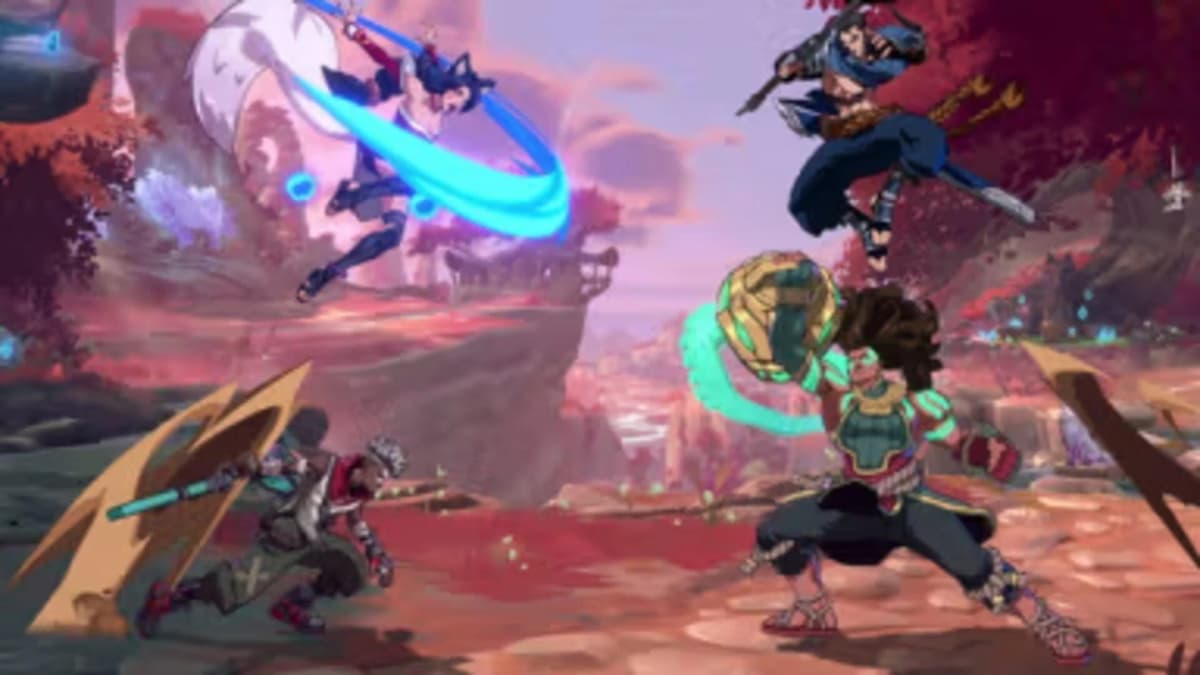
Why Caitlyn matters
Adding Caitlyn isn’t just fan service. As a ranged, tactical champion in League lore, she brings a playstyle that rewards map control, zoning and team coordination — all valuable in a 2v2 format. Expect her to change match tempo: teams that can play around her reach and traps will force more deliberate positioning and counterplay. For players, that means fresh meta decisions and new combo routes to discover.
Crossplay and cross-progression: table stakes for a modern F2P fighter
Making the jump to consoles while enabling cross-progression is a practical but critical move. It removes friction for friends on different platforms and keeps players invested in the battle pass regardless of device. The real test will be how Riot handles input parity and netcode — crossplay is useful only if matches feel fair and responsive across controllers and keyboard/mouse.
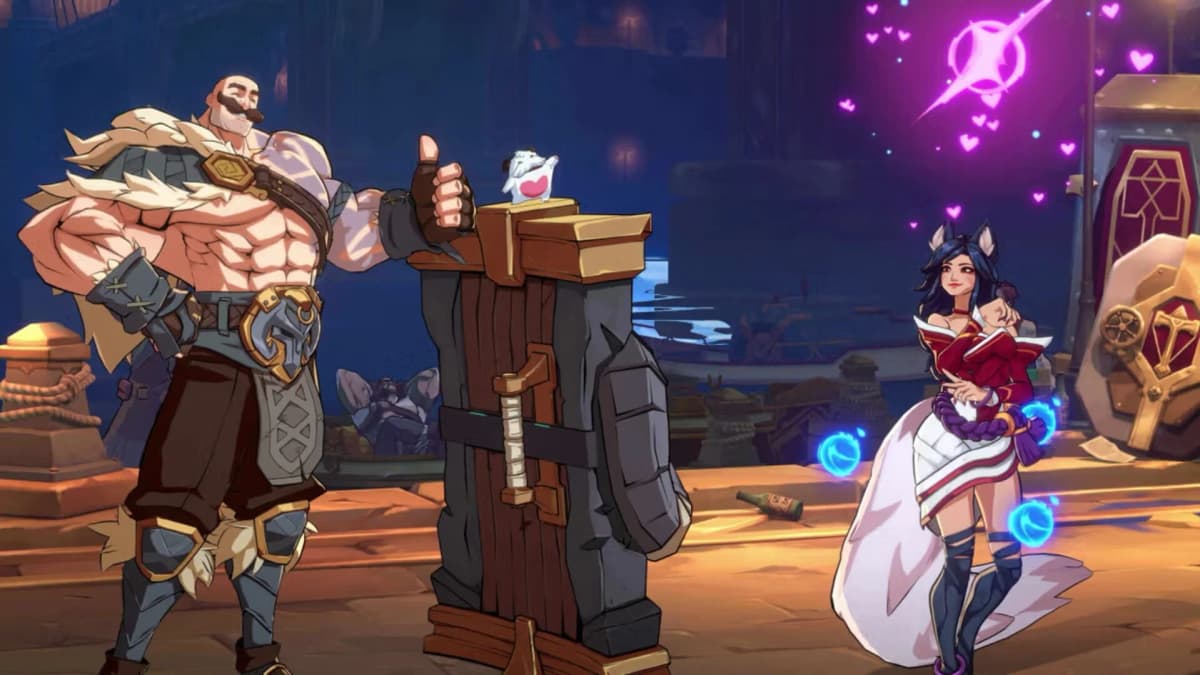
Skins that fund competition — a deliberate ecosystem play
The Frame Perfect skin line is the most interesting business decision here. Sharing a portion of proceeds with tournament organizers and prize pools signals Riot wants to underwrite production and grassroots events directly from the store. It’s a model we’ve seen succeed for charities and special events in other Riot products; applying it to esports funding could lower the barrier for independent organizers and improve tournament quality faster than sponsorships alone.
That said, cosmetics aren’t a substitute for robust competitive infrastructure. Players will watch for ranked matchmaking quality, anti-cheat, clear tournament rules, and reliable spectator tools. If Riot pairs cosmetic revenue with investments in these systems, 2XKO stands a real chance of growing a sustainable competitive scene.
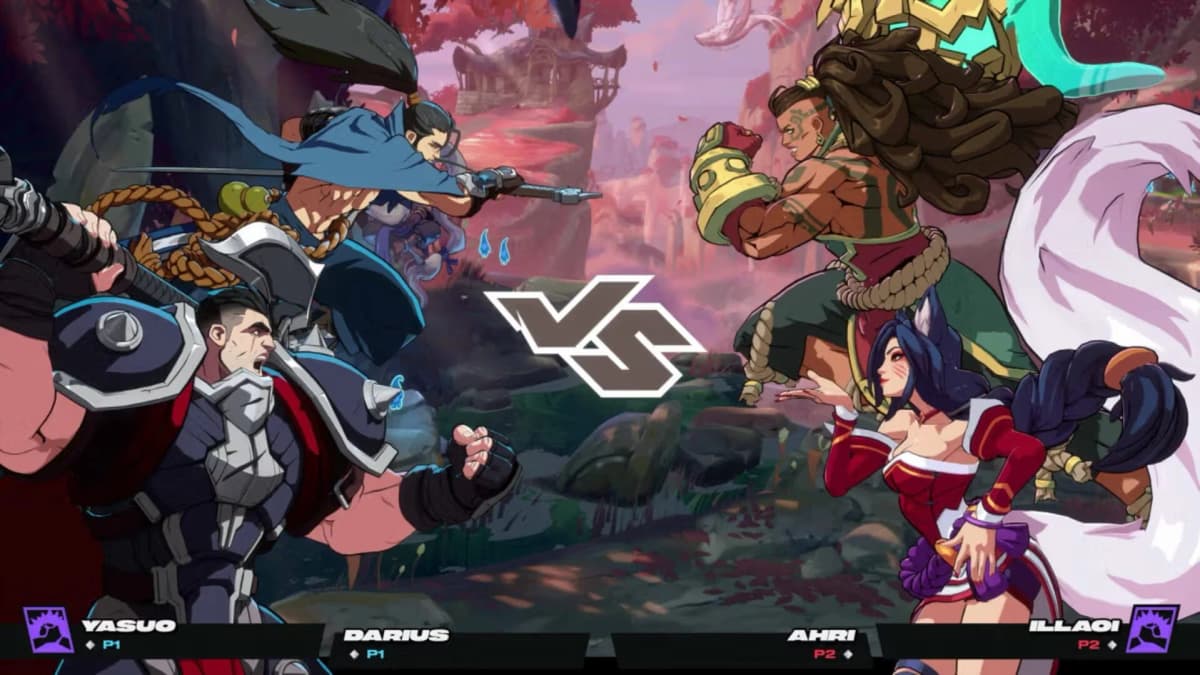
What this means for players
- New and returning players: free-to-play access + consoles makes trying 2XKO low-risk.
- Casuals: weekly missions and a battle pass give routine goals and cosmetic rewards.
- Competitors and organizers: Frame Perfect revenue sharing can directly fund events, but it must be paired with solid competitive features to matter.
- Buyers of cosmetics: your purchases will have visible downstream impact — funding prize pools or production — which could change how the community views microtransactions.
My gut as a fighting-game enthusiast: Riot is doing a lot of the right things. Crossplay and cross-progression remove barriers, the battle pass and weekly missions give loops that keep people returning, and the revenue-sharing skin line is a smart way to invest in the scene without endlessly increasing publisher costs. The big risks are executional — netcode, balance, matchmaking and tournament tooling — all of which will determine whether this becomes a vibrant competitive ecosystem or just a polished party brawler with league branding.
TL;DR
2XKO Season 1 is Riot’s first real push to make their 2v2 brawler a competitive, cross-platform live service: new champ Caitlyn, crossplay/cross-progression, a battle pass, weekly missions, Arcade mythic skins and a competitive Frame Perfect line that shares proceeds with tournaments. The concept is smart; success will hinge on netcode, balance and Riot’s follow-through on competitive features.
FinalBoss // Gear
Level up your setup
01Top-rated gaming headsetson Amazon→02High-refresh gaming monitorson Amazon→03Gaming chairson Amazon→04Discounted game keyson Kinguin→Affiliate links · As an Amazon Associate, FinalBoss earns from qualifying purchases.