
Online worlds used to live or die by the box on a shop shelf. Now the problem is almost the reverse: there are more strange multiplayer games available than anyone can realistically keep track of, while the same handful of massive names consume every recommendation list. These three earn a look because their multiplayer loops have actual identity. One turns corporate ambition into a social economy, one makes every resource run vulnerable to mech warfare, and one hands players a voxel world built for longer-term survival and construction.
This ranking favors the game with the clearest reason to exist over the one with the broadest appeal. Population still matters enormously in small online games, especially where markets, factions, and shared construction are central systems. Check the current platform page before installing, then pick based on the commitment you want: a few minutes of business management, a tense PvP session, or a persistent sandbox project.
1. Mogul Life
Mogul Life is the standout because it makes the economy the multiplayer game. This mobile pixel-art MMO is built around founding and growing companies, hiring staff, setting wages, and eventually taking a business public through an IPO. Share prices respond to how player-run companies perform, giving investments more bite than a decorative stock ticker. You can work for somebody else, chase bonuses, buy shares, back businesses, or pursue the less glamorous but vital work of fishing, farming, mining, and logging.
The clever wrinkle is subcontracting. A company can land work, then pass the job to another company for less than it is charging. That creates the kind of social friction a conventional quest log cannot manufacture: somebody is always trying to find a cheaper supplier, protect a margin, or climb a corporate rank before a rival does. For players tired of memorising combat rotations, it is a genuinely different shared-world fantasy.
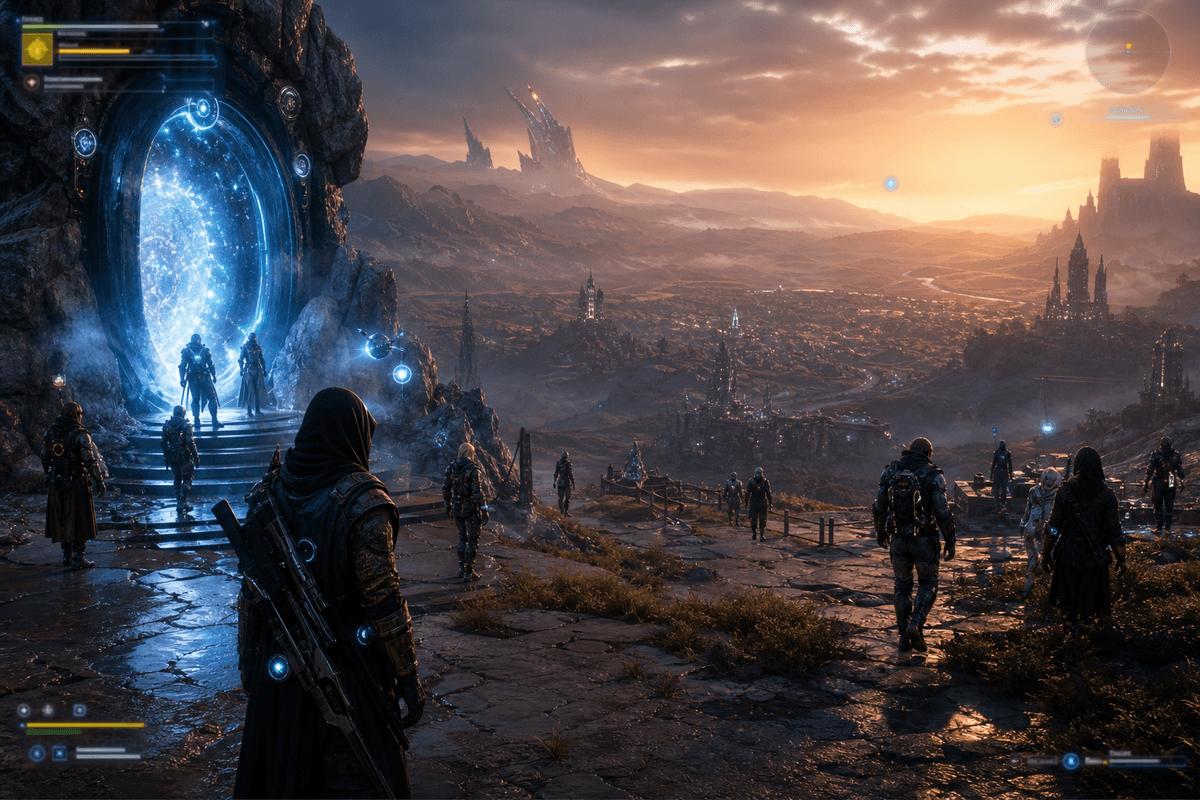
What gets in the way: an economy-heavy game asks players to learn pricing, production, and progression before the larger ambitions make sense. It also depends on active participation; a player-driven market feels flatter when too few people are buying, selling, hiring, and competing. Time needed: it works best as a recurring mobile check-in game, with longer sessions available when you want to manage a company or study investments. Mogul Life is free to play on iOS with in-app purchases. If business simulations and social roleplay are your lane, this is the one to try first.
2. VoxelMancy
VoxelMancy takes the opposite route: its appeal is the slow accumulation of a shared survival-crafting life. The promise is less about winning a prescribed endgame and more about what happens when gathering, building, survival pressure, and other players occupy the same voxel space. That format has longevity because a quest log can end, while a player-built settlement or community project can keep generating reasons to return.
The loop: gather materials, craft what you need, construct a foothold, and gradually turn survival into a social project. Builders and co-op groups are the natural audience, particularly players who enjoy seeing a rough camp become recognizable infrastructure over time. The player-made side matters here: the best stories tend to come from the consequences of sharing space, resources, and responsibility rather than a neatly authored mission chain.
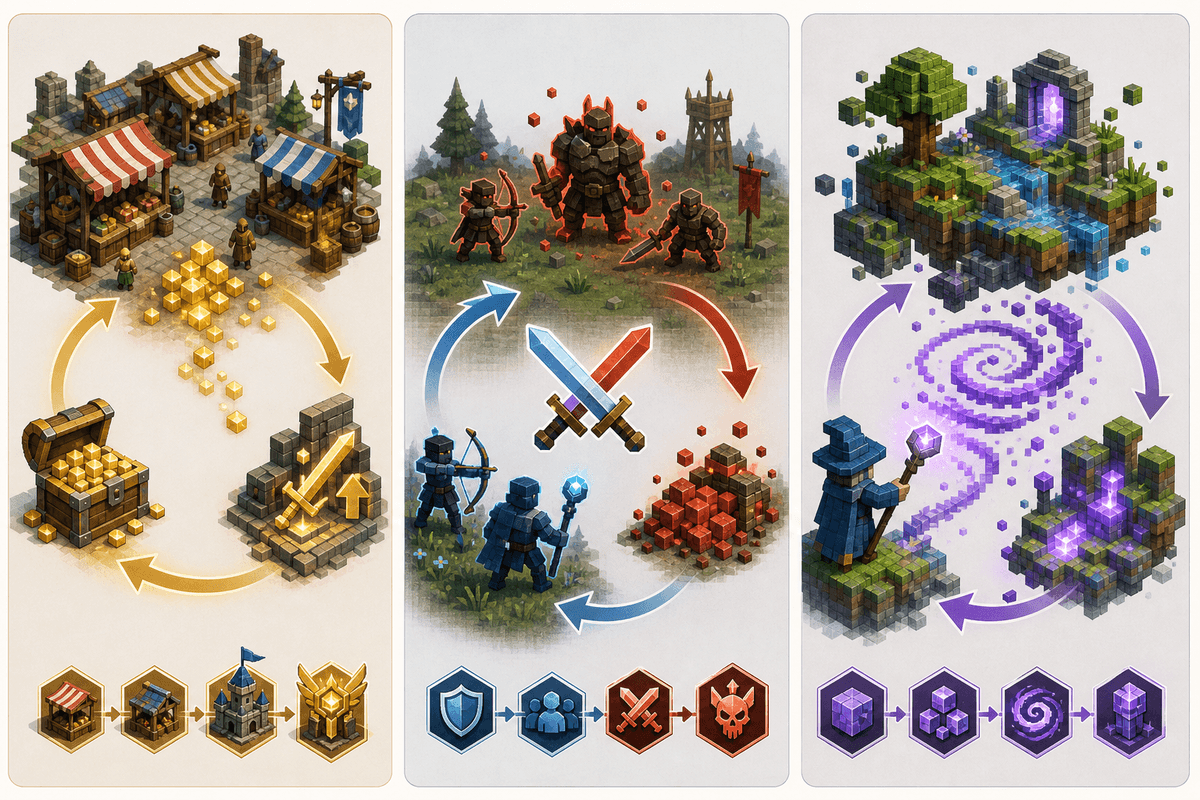
What gets in the way: survival sandboxes demand patience, and their early hours can be a grind if you want constant direction. The social layer also needs a population willing to build and stick around; a server without neighbours reduces a shared-world sandbox to chores. Time needed: plan for longer sessions and a longer relationship with the game. VoxelMancy is the best pick here for players who want a multiplayer world to inhabit, shape, and revisit rather than a quick competitive hit.
3. PvP.Farm
PvP.Farm has the most immediately legible pitch of the bunch: a 3D browser-based factional PvP MMO where territory control and resource gathering feed into mech combat. The important detail is the lack of safe zones. Gathering is not downtime between fights; it is part of the danger. Every trip for resources can turn into an encounter with a hostile faction, which gives the game a useful, compact sense of pressure.
The loop: gather resources, contest territory, use combat mechs to protect your side or disrupt another faction, then head back out because the map and its materials remain worth fighting over. It is a cleaner fit for players who want multiplayer conflict without signing up for a giant raid schedule or a 100-hour onboarding marathon. The browser format also lowers the barrier between “that sounds odd” and “I can see whether the loop clicks.”
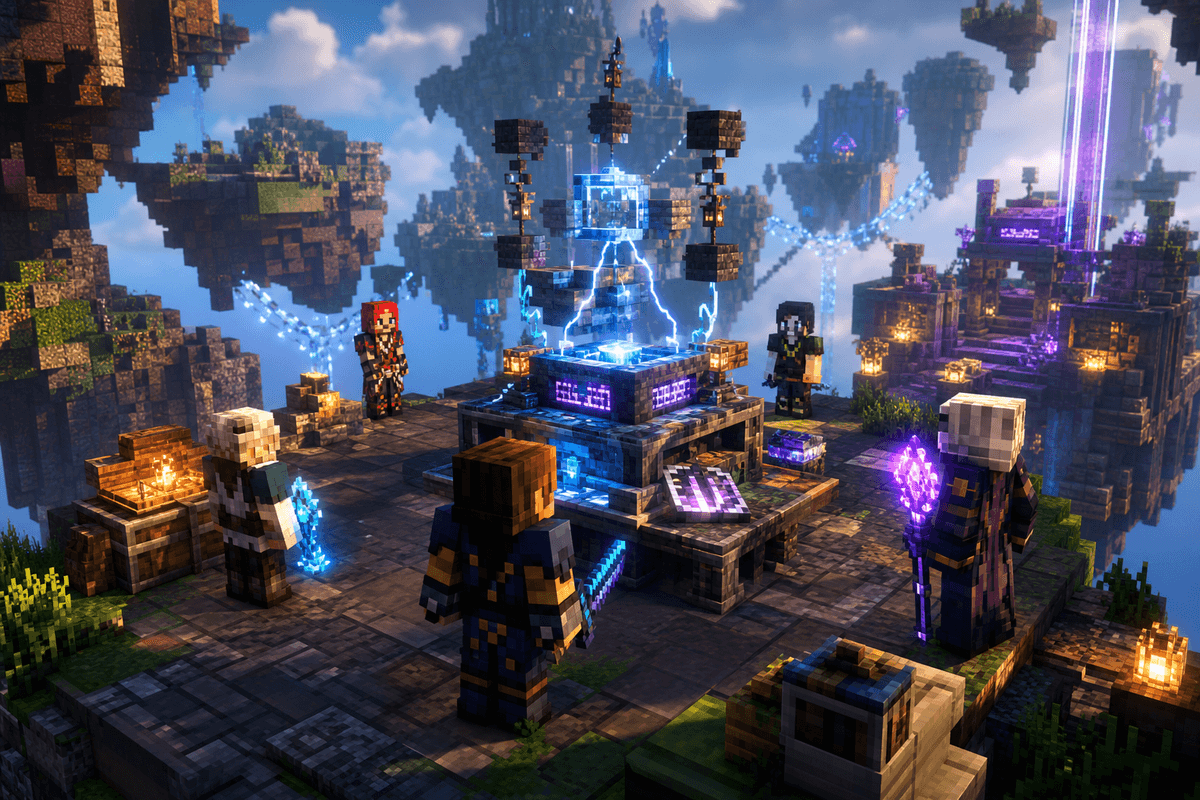
What gets in the way: no safe zones means the game can punish relaxed, solo resource runs. Players seeking a low-pressure farming experience should take the title literally and steer clear. Faction balance and server population will also heavily shape the experience; territory warfare needs opponents with enough reason to fight. Time needed: it is the best short-session candidate here, especially for anyone who wants direct competitive tension in a lighter browser game. PvP.Farm lands third only because its hard-edged premise is narrower, not because it lacks a strong hook.
FinalBoss // Gear
Level up your setup
01Top-rated gaming headsetson Amazon→02High-refresh gaming monitorson Amazon→03Gaming chairson Amazon→04Discounted game keyson Kinguin→Affiliate links · As an Amazon Associate, FinalBoss earns from qualifying purchases.
Want to Level Up Your Gaming?
Get access to exclusive strategies, hidden tips, and pro-level insights that we don't share publicly.
Ultimate Top Strategy Guide + Weekly Pro Tips