
Table of Contents (10)
A run that shouldn’t have worked – and why it tells you everything about Slay the Spire 2
Midway through Act 3, my Regent was a disaster. I’d committed to his bizarre new Star mechanic without enough payoff cards, my health was in the single digits, and my “build” was three different half-finished ideas all arguing in the same deck. The kind of run where, in the first game, you mentally cash out and start thinking about your next attempt.
Then an Ancient appeared.
Instead of a familiar boss relic screen, I got a weird little encounter with a cosmic entity offering me a choice that felt illegal: gain a passive effect that auto-plays a random Skill from my draw pile every combat. In my janky Regent deck full of defensive cantrips and Forge cards, that one reward quietly turned a doomed run into a snowball. My Sovereign Blade started hitting like a truck, my Star payoff cards actually came online, and I cruised to a victory I absolutely had no business earning.
That moment is basically Slay the Spire 2 in a nutshell. This is not a wild reinvention of the roguelite deck-builder that ate whole months of my life. It’s the same climb, the same “one more run” loop, but filled with more ways for the game to nudge you toward clutch comebacks, cleaner archetypes, and a little less pure RNG cruelty. The sequel is safer than I expected, but after ~40 hours across solo and co-op, it’s also already dangerously hard to put down.
Coming back to the Spire with way-too-high expectations
I’m one of those people whose Steam profile looks slightly embarrassing because of the first Slay the Spire. Hundreds of hours. A20 clears with every character. Watching streamers theorycraft infinites for fun. For years, if I just wanted “something perfect” to play for half an hour, climbing the Spire was the default.
That’s the context I brought into Slay the Spire 2’s early access launch on PC. Honestly, I didn’t think a sequel was necessary. The first game felt complete in a way most roguelites never do; I could’ve seen Mega Crit just supporting it forever with DLC and balance patches.
So my opening question wasn’t “Is this good?” but “Why does this exist?” After several dozen runs, five characters unlocked, and a lot of swearing at new event rooms, the answer is pretty clear: this sequel exists to refine, clarify, and open the door wider-without knocking down what already worked.
Familiar bones, sharper decisions
If you’ve played the first game, the basics will click immediately. You still start each run with a small, boring deck tied to your chosen character. You still climb through three acts of fights, elites, events, and shops. You still draft cards, pick relics, drink potions, and gradually sculpt a machine that either hums or explodes in your face.
The big upgrade is in how consistently the game pushes you toward an actual plan. Card rewards feel more targeted and less full of traps. With the original trio especially, archetypes like Strength Ironclad, Shiv Silent, and Orb-heavy Defect are easier to commit to because the game feeds you more of what that build actually needs instead of drowning you in sidegrades.
The flip side is that runs feel a little less like desperate improvisation and a little more like you’re steering toward clear, supported synergies. I don’t think that’s a bad thing, especially if you bounced off the first game because it occasionally felt like “hope you rolled the right rares, idiot.” The sequel is much better at helping you assemble something coherent without feeling like it’s solving the puzzle for you.
After about ten hours I noticed I was blaming RNG far less often. When I died, it was usually because I took a greedy event, skipped a boring-but-necessary block card, or underestimated a new enemy pattern. The balancing pass here noticeably tightens the screw on player choice rather than on random reward quality.
The new kids: Regent and Necrobinder actually demand your brain
On top of the original trio, Slay the Spire 2 adds two new characters: the Regent and the Necrobinder. They’re not just reskinned archetypes; they bend the rules enough that my first few runs with each felt like learning a new game all over again.
The Regent revolves around a new resource called Stars and a unique weapon, the Sovereign Blade. Stars fuel powerful cards, but generating and spending them efficiently takes real planning. You also have Forge cards that permanently upgrade your blade as the run goes on. It’s a character that rewards thinking a couple turns ahead: sequencing your cheap plays, deciding when to dump Stars into a big payoff versus banking them, and making sure your blade is actually worth all the effort.
My early Regent runs were a mess. Either I over-invested in Forge and ended up with a comically strong sword strapped to a deck that couldn’t survive the early fights, or I ignored it and felt like I was playing a worse Ironclad. Once it clicked-specifically, once I realized how important small, efficient Star generators are-he became one of the most satisfying characters to pilot. When that sword is fully juiced and your Star engine is spinning, turns feel explosive in a way even original Ironclad didn’t quite reach.
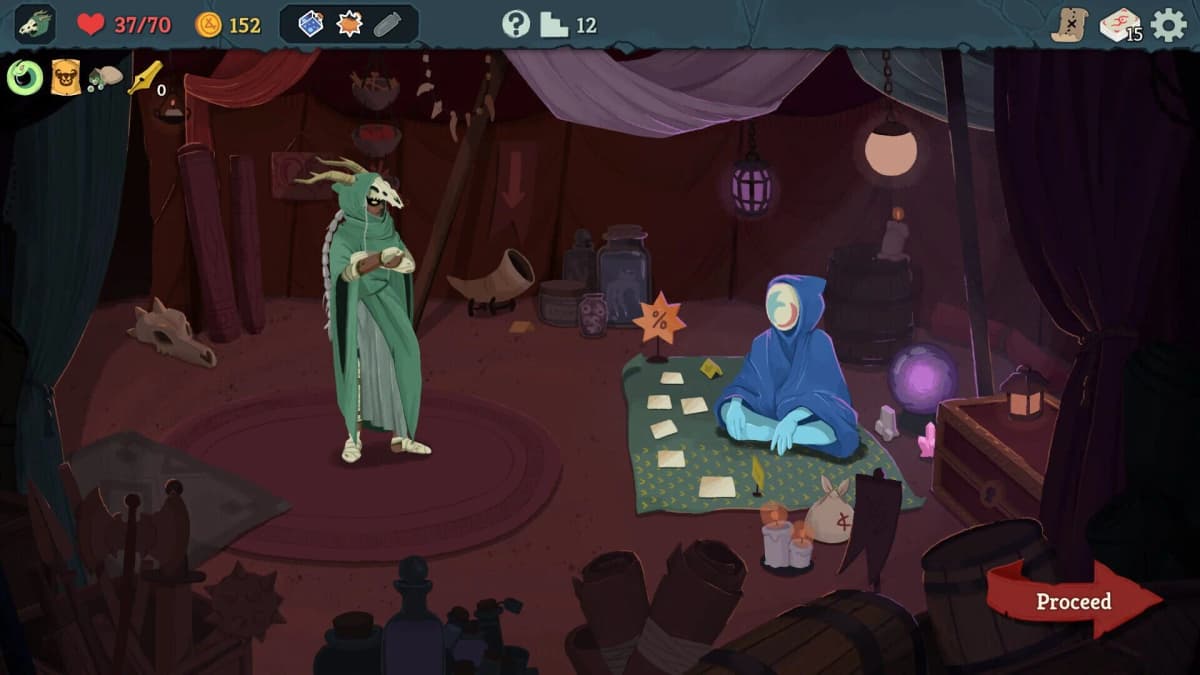
The Necrobinder (and her little buddy Osty) goes in the opposite direction: more board presence, more long-term setup, more “pet class” energy. You can buff Osty, divert damage through them, and set up chains where your summon both protects you and delivers heavy hits. It’s the first time Slay the Spire has really flirted with minion-style play, and it leads to some tense resource juggling decisions—how much do you invest in your undead child versus your own survival?
Both new characters have strong identities and, crucially, they don’t feel like “solved” designs yet. Compared to the ridiculously polished original trio, they’re a bit rougher—certain cards feel overtuned, some archetypes feel just shy of viable—but that actually makes them exciting in early access. You can sense the design space Mega Crit still wants to explore here, and if you like being around while a meta is being figured out, these two alone justify jumping in early.
Ancients, nastier events, and a surprisingly easier climb
The biggest structural change is the replacement of traditional boss relics with Ancients—mysterious entities you encounter at certain points who offer powerful, often run-defining boons. Instead of “pick one of three relics from a list you know by heart,” you get a little story beat and a choice that can be wildly impactful.
In practice, Ancients are usually stronger than the old boss relics. Auto-playing Skills, absurd energy boosts, deck manipulation that would have been rare before—after dozens of runs, I still occasionally get an offer that makes me lean back and laugh at how generous it is. The randomness of which Ancient you see adds a different flavor of variance, but the power level is noticeably higher.
This is part of a broader trend: Slay the Spire 2 is, right now, easier at the top end than the first game. Coming from consistent Ascension 20 play, the new enemies feel fairer overall. There are fewer of those “oh, you rolled this elite with this draw, your run is over” spikes. The danger has shifted into more strategic spaces—especially events.
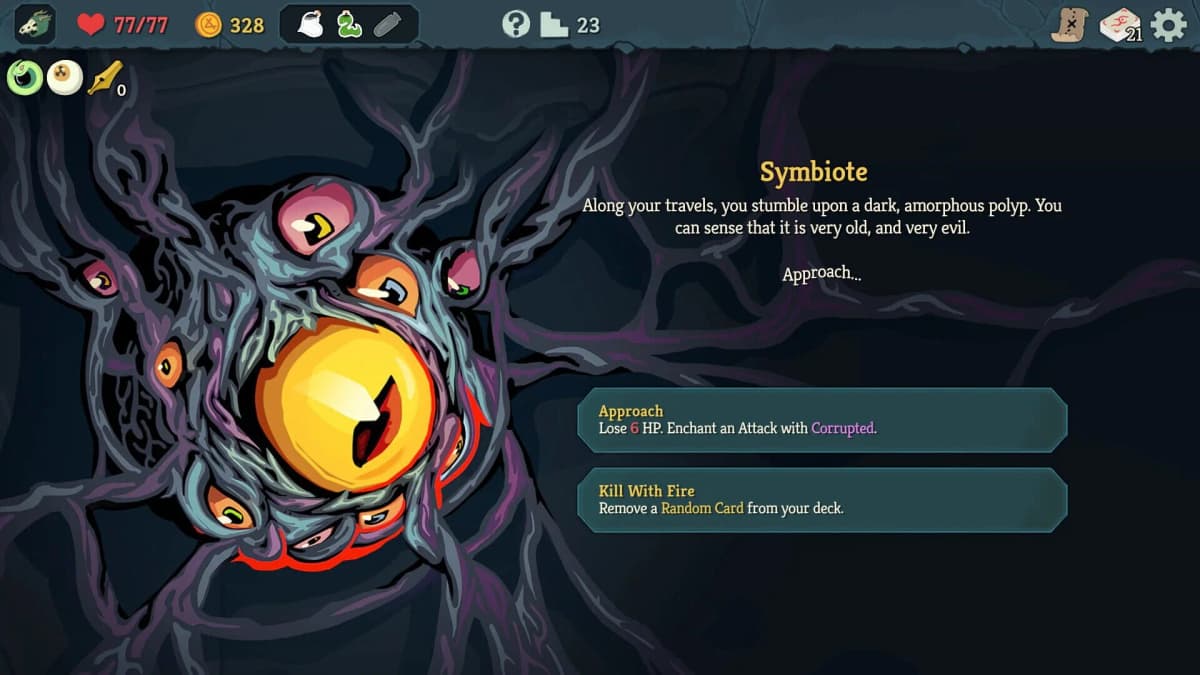
Events used to be free real estate a lot of the time. In the sequel, they’re much nastier. I had one late-Act event that offered me a relic which duplicated every card I added to my deck… including curses. I took it, obviously, because I have no self-control, and spent the rest of the run wrestling with a bloating pile of double-edged nonsense. That’s emblematic of the new event design: fast, flavorful story snippets hiding genuinely brutal tradeoffs.
So while the ceiling might be lower overall in terms of raw difficulty right now, the game demands more thought about map routing, event risk, and long-term deck health. And that’s before we even see the teased late-game Architect boss and whatever Act 4 equivalent they’re cooking.
Epochs: clever progression system, flimsy story scaffolding (for now)
The other big new system lives outside individual runs: Epochs. Instead of a static set of unlocks trickling in behind the scenes, you progress along a timeline, with Epoch milestones unlocking new cards, relics, and bits of story that put more structure around the Spire’s lore.
Mechanically, I like it a lot. It makes unlocks feel more directed, and it gives you a sense of where you are in the game’s overall progression without just staring at a checklist. After a streak of good runs one night, ticking several Epoch nodes in a row, there was a real “okay, I’m pushing the frontier” feeling that the original’s more opaque system never quite delivered.
Mechanically, I like it a lot. It makes unlocks feel more directed, and it gives you a sense of where you are in the game’s overall progression without just staring at a checklist. After a streak of good runs one night, ticking several Epoch nodes in a row, there was a real “okay, I’m pushing the frontier” feeling that the original’s more opaque system never quite delivered.
🎮 Get This Game at the Best Price
Compare prices instantly and save up to 80% on Steam keys with Kinguin — trusted by 15+ million gamers worldwide.
*Affiliate link — supports our independent coverage at no extra cost to you
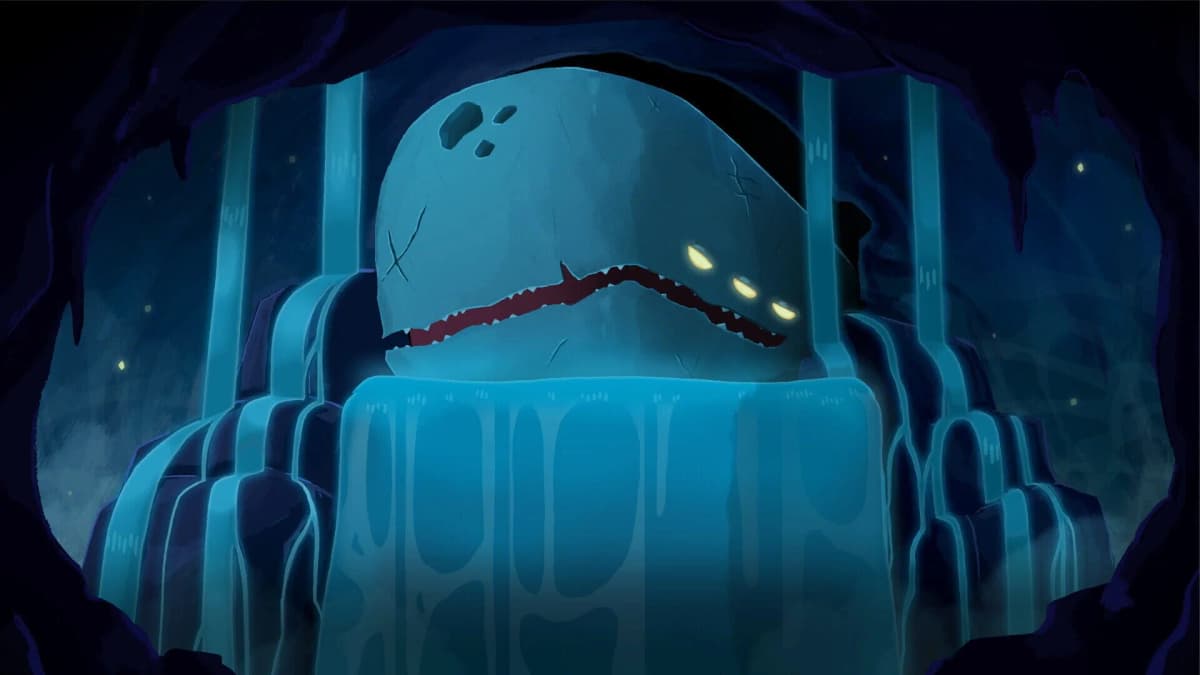
On the narrative side, it’s thin for now. Most of the Epoch screens use placeholder hand-drawn art that looks like it was doodled in the margins of a design notebook—in a charming way, honestly—and the lore is more tease than payoff. You get hints about cycles, past climbers, and the Spire’s nature, but if you bounced off the first game’s story, nothing here will convert you yet.
As an early access foundation, though, Epochs make sense. They’re a flexible spine the team can hang new rewards, story beats, and challenges on over the next couple of years without breaking existing runs or confusing returning players.
Co-op: the “what if that mod was official?” fantasy, mostly realized
The thing I was most skeptical about going in turned out to be the thing I’ve had the most fun with. Slay the Spire 2 has official online co-op for up to four players, and it’s not some bolt-on sideshow—it’s the full game, just tuned for a party.
Fights play out in real time, but you’re still thinking in turns. Enemies have more health to compensate for more players, you can all pick the same character if you want (four Defects, anyone?), and the cardplay stays fundamentally intact. The wild part is how quickly familiar card interactions turn into emergent “roles” when humans are involved.
In one three-player run, I defaulted into a tanky Ironclad, another player leaned into Silent’s debuffs, and our third went full glass-cannon caster. We didn’t plan it that way—it just happened as the card pools and relics flowed. Later, when someone picked up a multiplayer-only card that let them share Block with another player, they de facto became the “support” in clutch turns, bailing us out of lethal damage with perfectly timed shields.
Co-op also exposes just how much of Slay the Spire’s depth lives in sequencing and coordination. You can draw on the map with a pen tool to argue about routes. You vote on whether to go to question marks, elites, or shops. You negotiate who gets a relic from a shared chest. You trade potions to smooth out someone else’s bad turn. There’s no matchmaking, and that’s a good thing—this mode clearly assumes you’re on voice chat with friends and willing to talk through turns.
Balance-wise, it’s wobbly in places. Two-player runs feel noticeably harsher than three, and I’ve heard from friends that four-player parties can steamroll once everyone’s decks come together. In my own sessions, most runs clocked in around an hour and, aside from one early disconnect bug that got patched quickly, the mode has been surprisingly stable.
Co-op isn’t why I’d recommend Slay the Spire 2 to a newcomer—that’s still the razor-sharp solo experience—but it’s absolutely the feature that will keep my friend group circling back for “just one more” shared disaster.
Early access reality: polish, balance churn, and performance
For something that’s openly planning to live in early access for potentially a couple of years, Slay the Spire 2 is already surprisingly solid. On my mid-range PC (RTX 3060, Ryzen 5), performance has been a non-issue—load times are short, animations are smoother than the first game’s, and I haven’t hit any game-breaking bugs beyond that one co-op disconnect.
The rough edges are mostly where you’d expect: some placeholder art in Epochs, a handful of events that feel overtuned or underexplained, and balance outliers—especially infinites and certain degenerate combos—that the devs are already poking at in patches. If you lived for building infinite loops in the first game, they’re easier to assemble here right now, and that’s already drawing nerfs.
What mattered more to me was whether the runs felt “real,” or if I could sense systems buckling under construction. After about 100 solo attempts plus co-op, I’m convinced this is the good kind of early access: more like an extremely complete base game that’s going to grow than a prototype asking you to tolerate missing pieces.
The only thing I’m genuinely worried about is long-term difficulty. If the team leans too hard into accessibility and leaves the top end relatively gentle, the most dedicated players might max out the game earlier than they did the original. The teased Architect fight and eventual Act 4-style content will probably decide how that shakes out.
Who Slay the Spire 2 is actually for right now
After living with it for a while, here’s where I land on the “should you buy this in early access?” question.
If you’re a veteran of the first game:
This is a very safe buy. The core feeling is intact, the new characters are legitimately interesting to figure out, and the Ancients/events remix keeps even familiar fights feeling fresh. You might find it a touch easy at the very top end right now, but the tradeoff is more consistent runs that reward smart routing and deck-building over suffering through bad relic luck.
If you bounced off the original because it felt too punishing or random:
Slay the Spire 2 is more welcoming. Reward structures are kinder, Ancients can bail out shaky decks in fun ways, and the early ascension levels feel less like a wall. You’re still going to die a lot—that’s the genre—but you’ll have a clearer sense of why, and more tools to adjust.
If you mainly care about multiplayer experiences:
The co-op alone isn’t a reason to pick this up if you actively dislike deck-builders, but if you’re Spire-curious and have even one other person to play with on voice, the shared runs are excellent. It’s the kind of mode that turns theorycrafting into a group sport.
FinalBoss // Gear
Level up your setup
01Top-rated gaming headsetson Amazon→02High-refresh gaming monitorson Amazon→03Gaming chairson Amazon→04Discounted game keyson Kinguin→
Affiliate links · As an Amazon Associate, FinalBoss earns from qualifying purchases.
Want to Level Up Your Gaming?
Get access to exclusive strategies, hidden tips, and pro-level insights that we don't share publicly.
Ultimate Reviews Strategy Guide + Weekly Pro Tips