
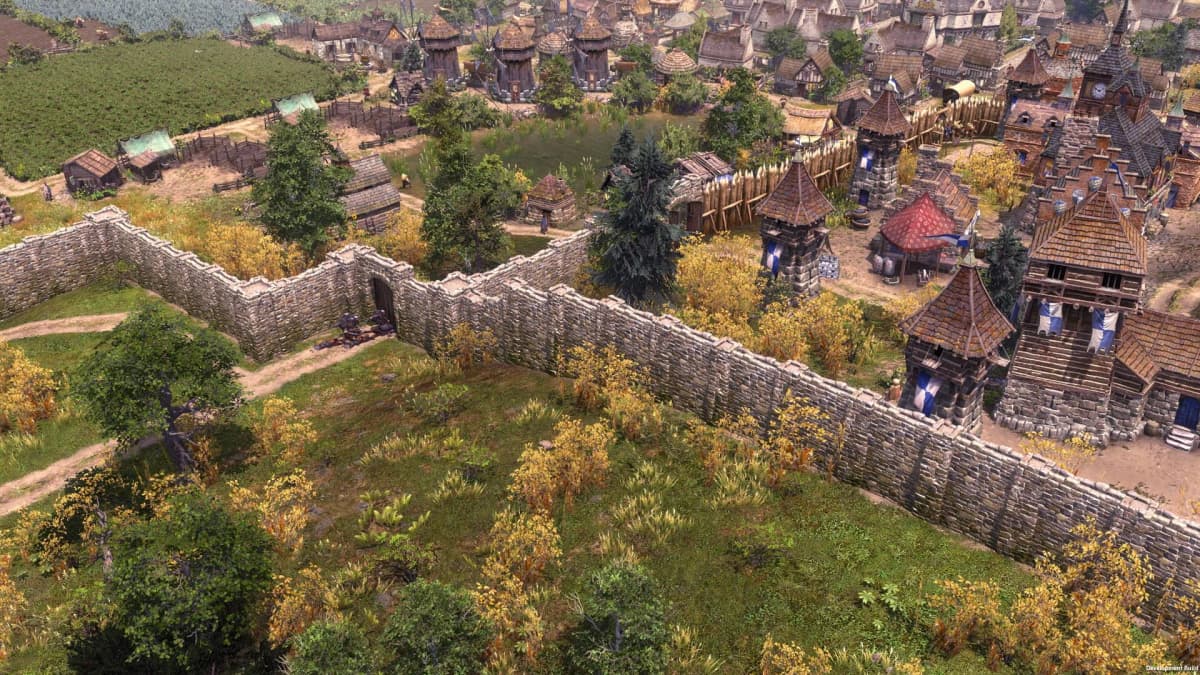
86%-Rated Farthest Frontier Leaves Early Access Oct 23 — Here’s What Actually Matters
Game intel
Farthest Frontier
Protect and guide your people as you forge a town from untamed wilderness at the edge of the known world. Harvest raw materials, hunt, fish and farm to sustain…
Why This Caught My Eye
Farthest Frontier finally hitting 1.0 grabbed me for two reasons. First, it’s Crate Entertainment-yes, the Grim Dawn studio-trying to turn a tough, systems-heavy city builder into something broader without sanding off the sharp survival edges. Second, it’s leaving early access with real momentum: over 20,000 Steam reviews with an 86% positive score and a community that actually likes the grind of battling disease, weather, and raiders. That’s not “cozy,” and I’m glad it isn’t trying to be.
Key Takeaways
- Full release on Steam October 23 for $34.99 / £29.50 after 3+ years in early access.
- Big systems pass: a new 142-node tech tree, additional policies, updated animations, and dozens more buildings-plus bridges at last.
- It’s a survival-first city builder: expect disease management, harsh winters, and tactical defenses, not just neat grids and vibes.
- Success hinges on balance and polish—especially late-game performance, UI clarity, and farming/survival tuning.
Breaking Down the 1.0 Update
Crate isn’t shipping a paint job; they’re deepening the scaffolding. The headliner is a 142-node tech tree meant to let towns meaningfully specialize. In practical terms, that could mean committing to heavy industry vs. agrarian efficiency instead of unlocking everything in a straight line. Policies should add another layer of citywide control, and while the studio hasn’t spilled every detail, the point is more levers to pull beyond the usual “taxes go up, happiness goes down” routine.
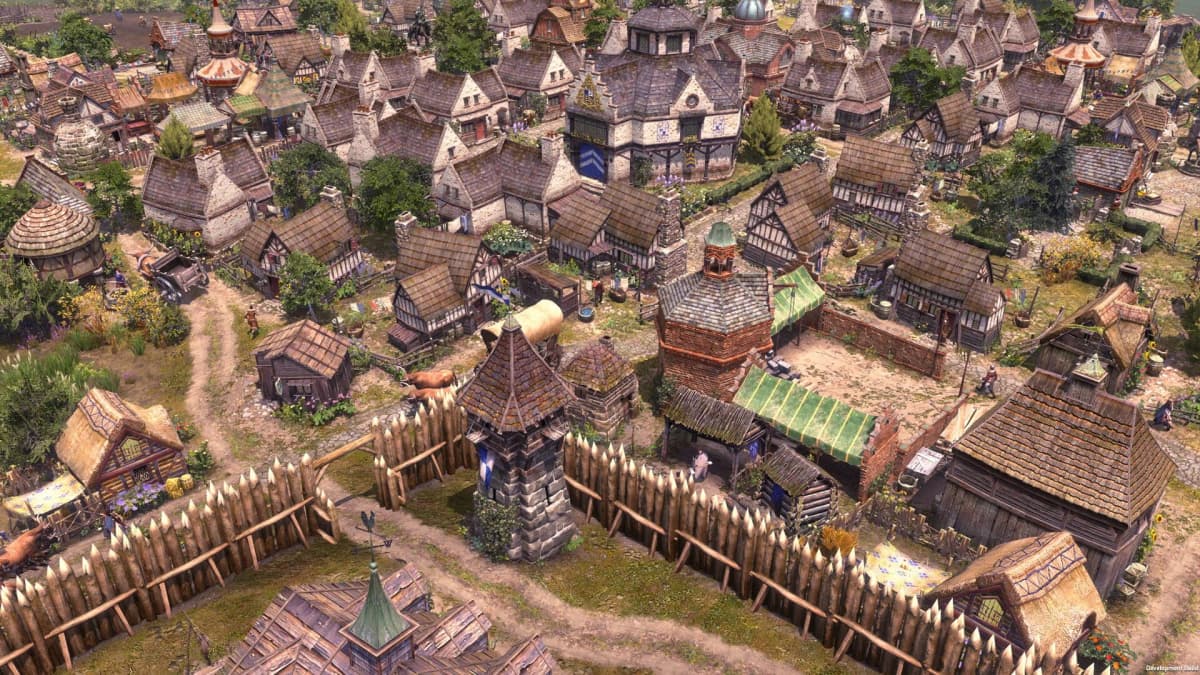
Bridges sound mundane, but in a builder where terrain matters, they’re a legit game-changer. River maps become more than pretty obstacles; logistics routes open up, combat paths change, and you can stop cheesing crossings with awkward sprawl. Add in updated animations and a stack of new buildings—on top of what’s already a hefty catalog creeping around the 190 mark—and 1.0 feels aimed squarely at variety and long-term replayability.
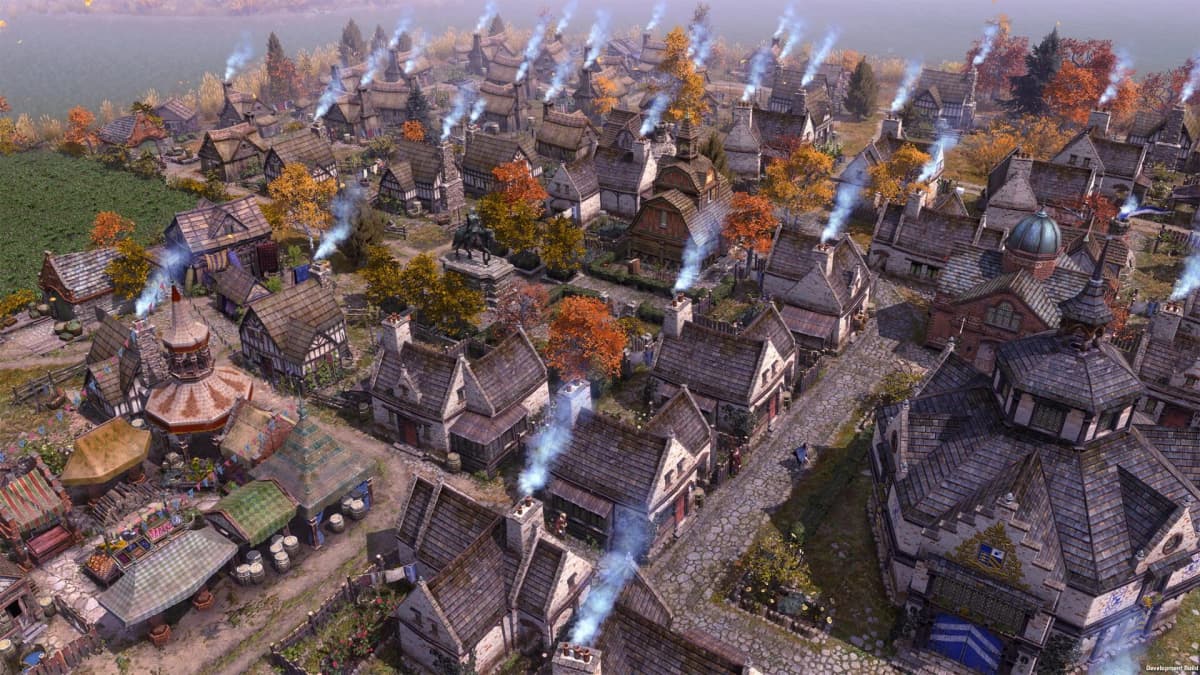
Crate also calls out polish to farming, survival, and construction. That’s where Farthest Frontier earns its personality: crop choices actually matter, winters can wreck you, and defenses are there for a reason. If the team tightens feedback (clearer causes for disease outbreaks, easier-to-read farming outcomes, smarter villager behavior under stress), the game will be far friendlier to new players without losing the bite long-timers enjoy.
How It Stacks Up in 2025’s Builder Landscape
The city-building scene is noisy right now. Manor Lords brought medieval flair and spectacle to early access. Foundation keeps pushing organic settlement design. Against the Storm nailed roguelike pacing. Frostpunk continues to define “suffer beautifully.” Farthest Frontier slots closest to Banished’s school of tough-love logistics but adds a broader tech structure and heavier settlement development—less sandbox charm, more survival-first planning.
That “preeminent medieval city builder/manager” claim? Ambitious, and a little chesty. The genre’s way too competitive for a single king. But Farthest Frontier’s angle—granular farming, harsh conditions, and meticulous town evolution—gives it a clear identity. If 1.0 smooths the rough edges and keeps the challenge intact, it doesn’t need to be the one city builder; it just needs to be the one you boot when you want to feel the grind of keeping people alive.
Want to Level Up Your Gaming?
Get access to exclusive strategies, hidden tips, and pro-level insights that we don't share publicly.
Ultimate Gaming Strategy Guide + Weekly Pro Tips
What Gamers Need to Watch at Launch
Price-to-value looks fair at $34.99 / £29.50, especially with the tech tree expansion and construction depth. The real tests will be:
- Late-game performance: City builders live or die by pathfinding and simulation stability. If 1.0 cuts down stutter and weird villager behavior, that’s huge.
- Onboarding and UI: With 12 crops, a mountain of buildings, and policies layered on top, the game needs clean tooltips and actionable alerts, not spreadsheet spelunking.
- Balance of brutality vs. agency: Survival is fun until it feels arbitrary. Clear cause-and-effect on disease, raider pressure, and crop failures will separate “tough but fair” from “reload your save.”
- Post-launch cadence: Crate supported Grim Dawn for years; if they bring that energy here, expect steady balance passes and quality-of-life updates. Mod support would be a big win, even if it’s not the headline today.
For returning players who bounced off earlier builds, bridges and the broadened tech tree might be the nudge back in. For newcomers, set expectations: this is not a chill dresser-drawer organizer. It’s a methodical, sometimes mean-spirited survival sim wrapped in city-building trappings. That’s the appeal.
Why This Matters Now
Early access has a habit of never ending; Farthest Frontier choosing a finish line after three years is a statement. It says the systems are mature enough for a wider audience while leaving room for iteration. With an 86% positive rating backing it, 1.0 isn’t a gamble—it’s a graduation. If you’ve been waiting for the “tell me when it’s done” moment, October 23 is it.
TL;DR
Farthest Frontier leaves early access on October 23 with a massive 142-node tech tree, bridges, more policies, and a focus on polishing its survival-first loop. If Crate nails performance, balance, and UI clarity, this could be the go-to medieval builder for players who want brains, not just vibes.