
Table of Contents (6)
Why Andrew Hulshult scoring Iron Lung actually matters
This caught my attention because Hulshult isn’t a film composer by trade – he’s the go‑to guy for boomer‑shooter soundtracks like Dusk and the Doom Eternal DLC. Hearing his name on the Iron Lung credits felt like watching a punk guitarist show up to a chamber‑music concert and then make everyone rethink the program.
- Hulshult used found sounds (metal, latex, artificial blood, even Markiplier’s voice) and granular synthesis to make the score feel mechanical and human at once.
- Iron Lung’s film has earned nearly $50 million, and Hulshult’s soundtrack is newly available on streaming platforms – his move from game OSTs to a visible film credit is timely.
- He treats film differently from games: movies are “static” but brittle-editing can change everything—while games let you write large arcs that respond to interactivity.
Breaking down the score: found sounds and a “metallic shitty orchestra”
Hulshult’s approach could be summarized as part Foley artist, part synth savant. He physically sampled elements from the Iron Lung set — vats of fake blood, sheets of metal, latex — and fed those recordings into granular synthesis engines. The goal wasn’t to create obvious sound effects, but to coax pitches, textures and low end out of noisy, physical things.
“I would feed in all of those sounds into granular synthesis,” he says, “and just mess with them until I found something that sounded like a note that I enjoyed, but still sounded like, you know, metal or a sub or Mark’s voice.” The result is what he jokingly calls a “metallic shitty orchestra” — a palette that’s wince‑inducing and intimate in equal measure.
From Dusk to a claustrophobic submarine: why his boomer‑shooter roots matter
Hulshult and Iron Lung creator David Szymanski go back: Hulshult scored Dusk, the retro shooter that helped establish Szymanski’s name. That shared history matters because there’s an aesthetic throughline — a love for raw, abrasive textures and tight, visceral atmospheres. Translating that energy to a film that takes place almost entirely inside a tiny submarine was a neat challenge: instead of wide levels and branching encounters, the score had to sustain tension in one unblinking space.
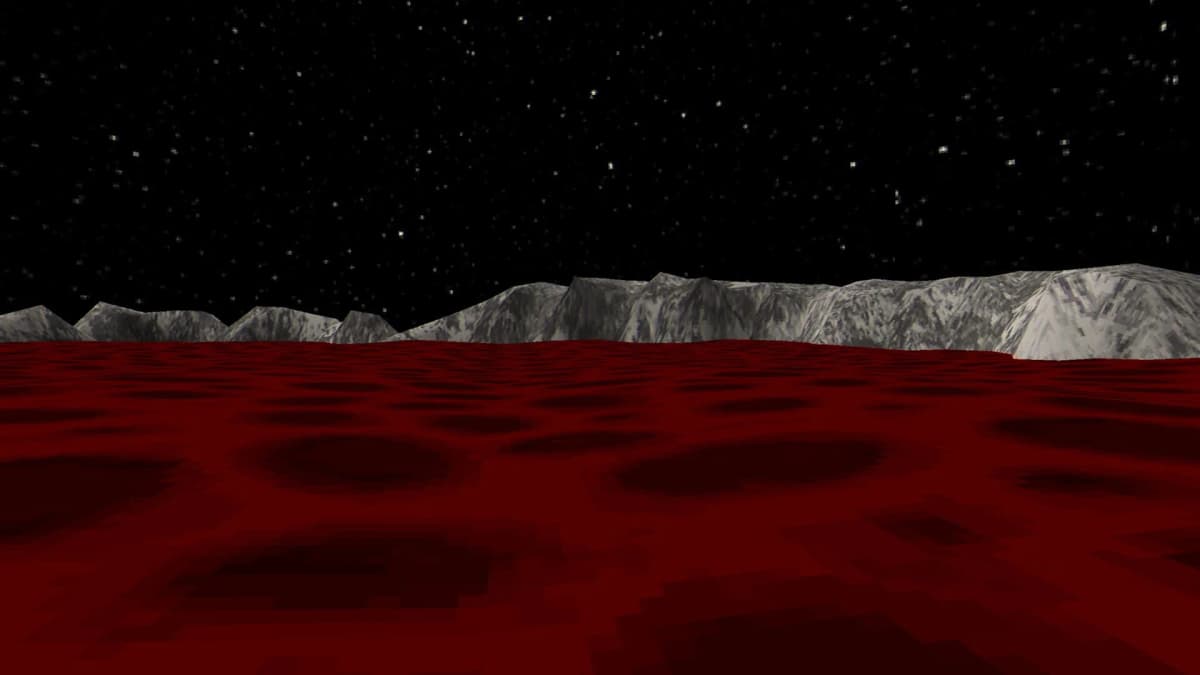
That limitation, Hulshult says, forced a creative pivot: rather than spending on fancy libraries and synth racks, he leaned into sound design. He even traced motifs back to Szymanski’s original game music, discovering that a key “whir” in the game’s theme came from an old fan’s sample — a revelation that nudged him away from orchestral shopping sprees toward found‑sound minimalism.
Composing for film vs. composing for games — the real differences
Hulshult outlines the practical gap bluntly: “You can’t operate this the exact same way.” Games let you build systems and write long, reactive arcs. Films are fixed in space, but unstable in delivery — cuts and edits can force you to rewrite or radically reshape a cue on short notice. For someone used to the modular, iterative workflow of a game’s soundtrack, that brittleness can be a new kind of pressure.
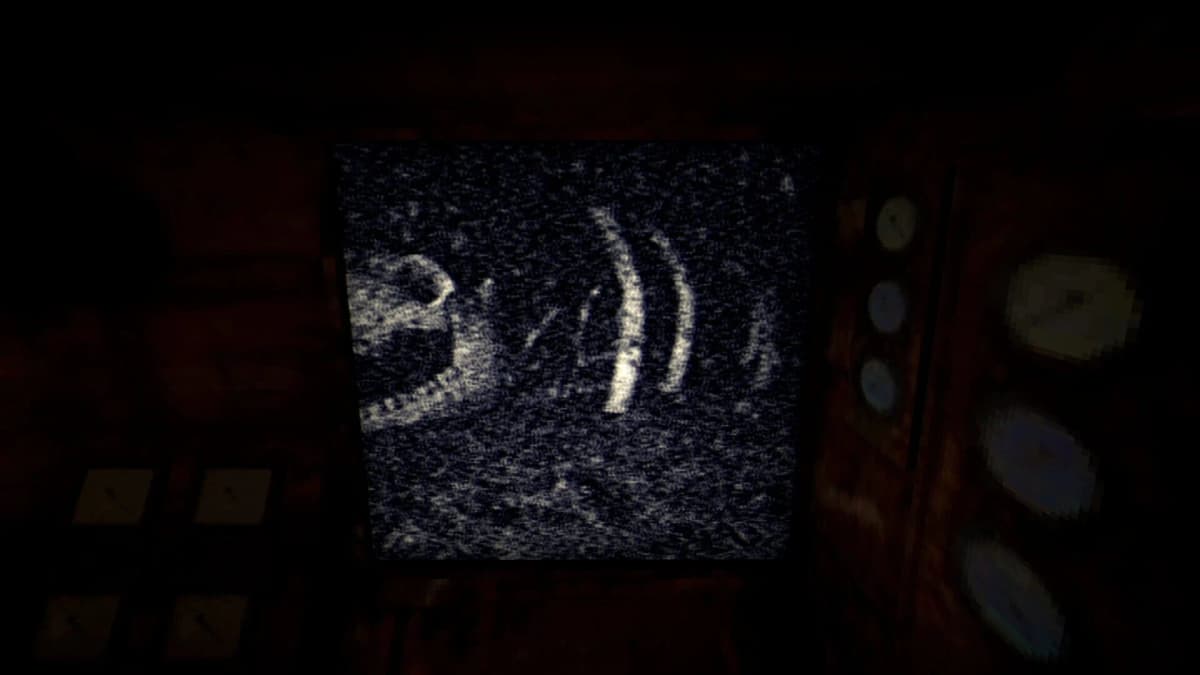
Still, his game experience buys him trust and a vocabulary for tension. Directors and game devs alike are used to handing over creative control when they’ve found someone who “gets it,” and Hulshult says he reached that point with Markiplier and Szymanski quickly: demos were sent, notes were few, and many early ideas made it into the final cut.
Why this matters for gamers and for game composers
Two reasons this feels like more than a fun anecdote. First, it demonstrates how game composers — especially those steeped in abrasive, texture‑driven genres — can be assets to low‑budget, high‑concept films that want an unsettling sonic identity. Second, it signals that the boundaries between indie film and indie games are still porous: shared collaborators, shared sound vocabularies, shared fanbases.
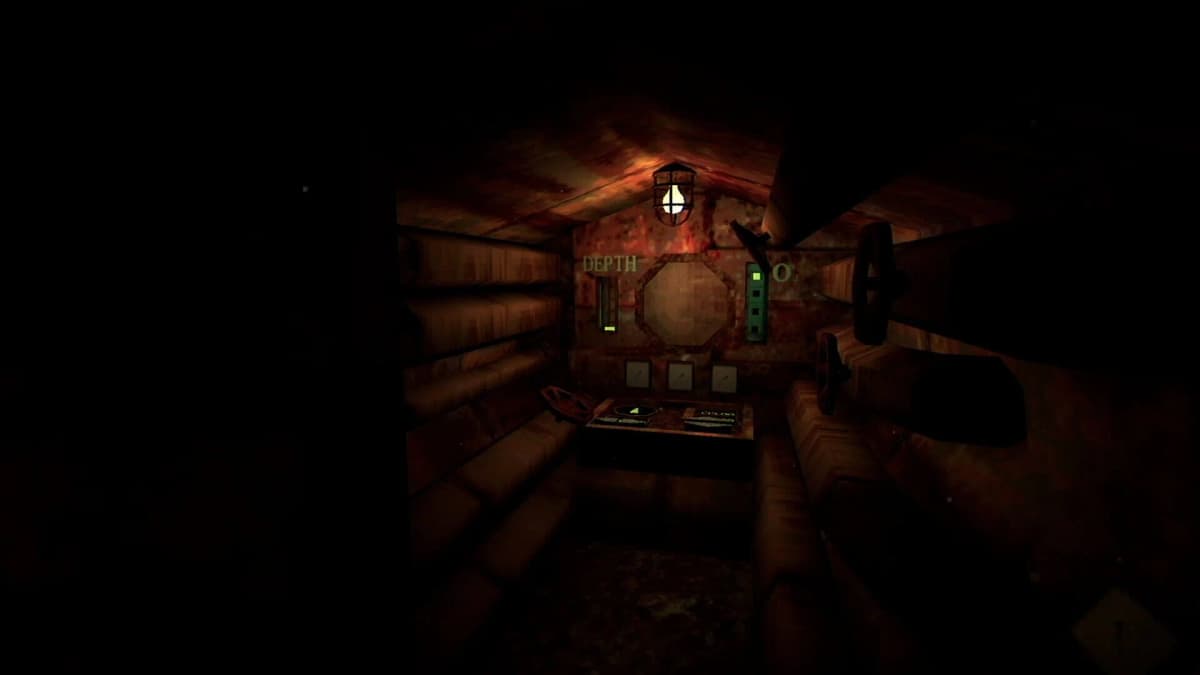
Also worth noting: Iron Lung is no tiny experimental film anymore. On a roughly $3 million budget it has grossed close to $50 million, and that visibility makes Hulshult’s pivot more than a one‑off career detour. The soundtrack is now on streaming platforms, so players who know him from Dusk or Doom Eternal can hear how his boomer‑shooter sensibility wears a director’s coat.
TL;DR
Andrew Hulshult took the abrasive, tactile instincts of boomer‑shooter music and turned them into a claustrophobic film score using found sounds and granular synthesis. It’s a smart, visible example of game composers translating their skills into film — and you can stream the results now while Iron Lung rides its unexpected box‑office wave.
FinalBoss // Gear
Level up your setup
01Top-rated gaming headsetson Amazon→02High-refresh gaming monitorson Amazon→03Gaming chairson Amazon→04Discounted game keyson Kinguin→Affiliate links · As an Amazon Associate, FinalBoss earns from qualifying purchases.
Want to Level Up Your Gaming?
Get access to exclusive strategies, hidden tips, and pro-level insights that we don't share publicly.
Ultimate Gaming Strategy Guide + Weekly Pro Tips