
Dying in the fire is one thing. Dying in the fire on command, in front of a live sportsbook, is something else entirely – and that’s what just got Dmytro “nifee” Tediashvili thrown out of top-tier Counter-Strike for four years.
The Esports Integrity Commission (ESIC) has banned the Inner Circle rifler until late 2029 for match manipulation and betting-related corruption at ESL Pro League Season 22. On paper it’s a “single player caught cheating the system” story. In reality, it’s another reminder that proposition betting and Counter-Strike’s money ecosystem are warping the game in ways that go way beyond skins and shady case sites.
Table of Contents (6)
Key takeaways
- ESIC found that nifee repeatedly took suspicious incendiary and molotov damage that lined up with unusual betting spikes on those exact outcomes.
- The ban was initially set at five years but reduced to four after he admitted wrongdoing and cooperated, following an initial denial.
- This wasn’t classic “throw the map” fixing – it was manipulating highly specific proposition markets that most fans don’t even think about.
- The case underlines how vulnerable esports is to tiny, plausibly deniable actions that can still move serious money in betting markets.
This wasn’t throwing maps, it was selling deaths
According to ESIC’s investigation, the suspicious pattern started with something most viewers would barely clock: nifee repeatedly dying to incendiary and molotov grenades in ways that didn’t make competitive sense.
On their own, those deaths are just “questionable plays.” But ESIC cross-referenced them with data from betting partners. Around those exact moments, proposition markets tied to those outcomes – things like specific death methods or damage types — suddenly spiked with atypical volume.
Those bets weren’t coming from your average $10 punter either. ESIC highlighted new, dormant, or unusually high-budget accounts that dumped money into those micro-markets in a way that didn’t fit normal behavior. When the grenades landed and the health bar ticked down, those bets paid out.
Gameplay experts brought in by ESIC flagged the same thing Counter-Strike veterans will be thinking: pro players just don’t move like that. Exposing yourself to avoidable fire damage, pathing into obvious utility, or lingering in burning areas without a tactical reason isn’t how you survive at this level. Taken together with the betting data, ESIC decided this wasn’t a bad day at the office — it was deliberate manipulation.
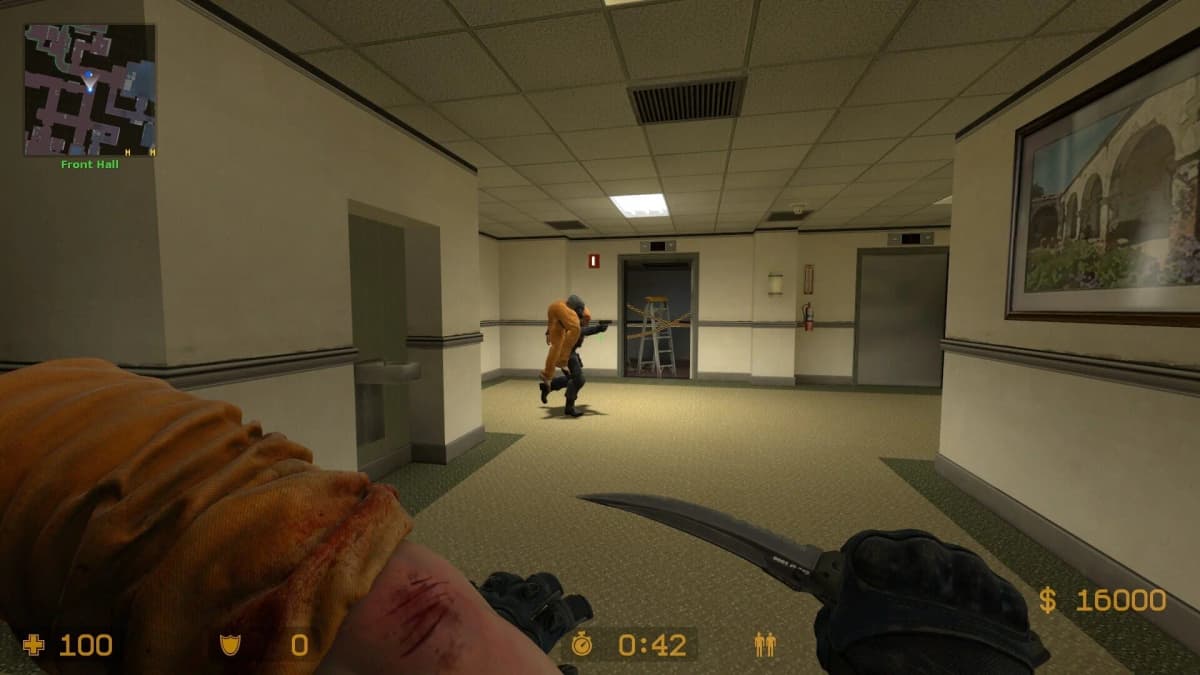
The outcome: a ban running from October 21, 2025 to October 20, 2029, covering all ESIC partner events and any tournament organizer that adheres to its sanctions. The original sanction was five years, cut to four after nifee dropped his initial denial, admitted the conduct, and cooperated with the investigation.
If I had ESIC’s PR rep on the line, the question would be simple: how many other players are tripping the same betting alarms but haven’t yet crossed the threshold where ESIC is confident enough to go public?
Prop bets are the soft underbelly of esports integrity
Everyone remembers the big match-fixing scandals — teams throwing maps in tier-two leagues, lifetime bans, careers erased. But the money has moved. Bettors and fixers have figured out that shaving outcomes on tiny, low-visibility markets can be safer and harder to detect than nuking an entire best-of-three.
Proposition markets let you bet on almost anything: who gets first kill, how many times a player dies to utility, even hyper-specific stat lines. You don’t need to lose the game. You just need one player to make a handful of bizarre, but not completely impossible, decisions.
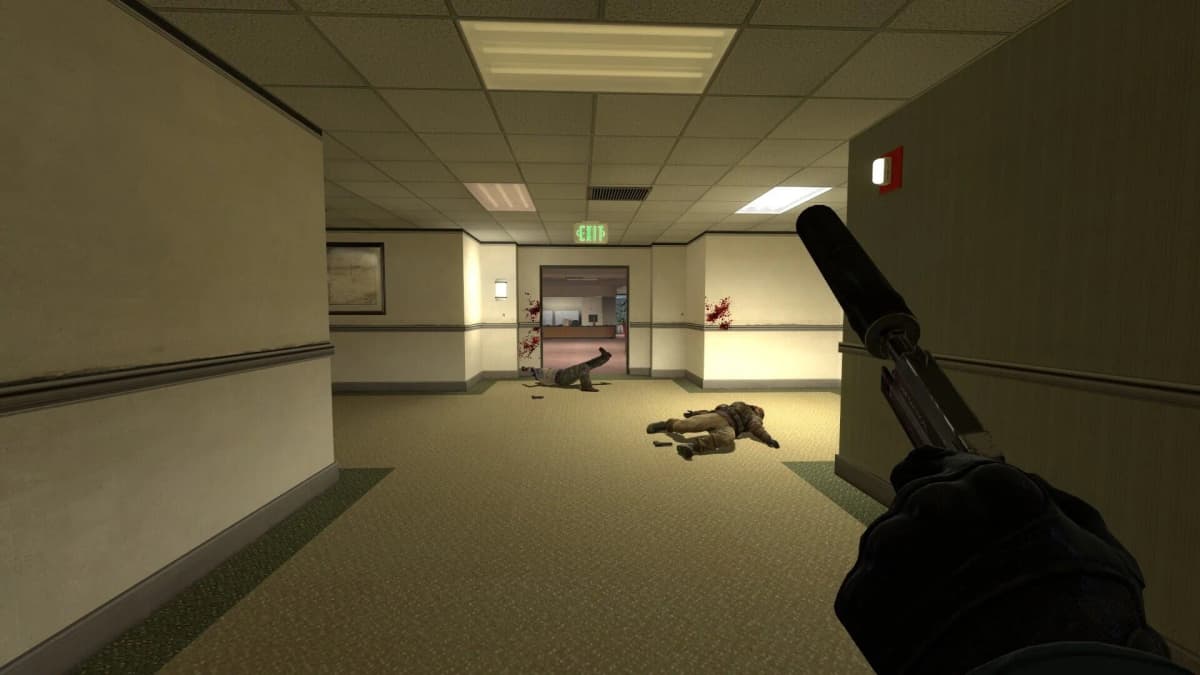
That’s exactly why this case matters more than the name attached to it. A star player griefing an eco round would trigger Reddit threads and analyst desk lectures. A rifler slightly overstepping into a molotov line five rounds in a row? That mostly triggers confusion and a couple of “what was he doing there?” tweets — unless you’re the sportsbook holding the data.
Zoom out and it plugs into a bigger pattern. The Counter-Strike ecosystem is awash with money flows that don’t care about the competitive result as long as something exploitable happens in-game. Valve just wiped out close to a million CS2 “farming bot” accounts in a single day for AFK skin grinding — bots that were feeding Steam Market sales and third-party sites. Different scam, same goal: squeeze real money out of in-game events without actually playing the game in good faith.
When that logic hits the pro scene via betting markets, you get exactly this: tiny manipulations that don’t always change the scoreboard, but absolutely wreck the integrity of what you’re watching.
ESIC’s ban is necessary — but it won’t be enough on its own
ESIC did what it had to do here. Four years is a career-threatening sentence, especially in a scene where talent cycles fast and orgs don’t wait around. Publicly outlining the evidence — the abnormal gameplay, the account patterns, the admission — also sends a message to anyone thinking these “small” fixes are unpoliceable.
But there are hard limits to what any integrity body can do when the core incentives stay the same. ESIC only has teeth where tournament organizers opt in. If a league, bookmaker, or region shrugs off its jurisdiction, this becomes a patchwork system where corrupt players can just move to softer ground.
And as long as sportsbooks can offer ever-more granular proposition markets on live esports, the temptation will be there. A single player doesn’t even have to loop in their teammates. One person, one account, one line of communication to a fixer, and you’ve got a revenue stream built on standing slightly too long in the flames.
That’s the part the industry doesn’t really want to address, because it’s awkward. Tournament organizers love sponsorship money. Betting partners love engagement and weird markets that keep people glued to the match. But every extra lever you give them is another angle for corruption. At some point, someone has to say: maybe we don’t need a live market on “Player X dies to utility three times on Mirage.”
From a fan perspective, the line is simple: if you can’t trust that players are trying to win every round, the whole product collapses. From a business perspective, that collapse happens long after the first handful of corrupted rounds. That gap is where this stuff festers.
What to watch next
- Bookmaker reaction: Do betting operators quietly retire or limit the most abusable proposition markets in top-tier Counter-Strike, or does nothing change?
- ESL and other TO policies: Expect questions about how much integrity data they’re sharing, and whether further historical reviews of match footage and betting logs are underway.
- More ESIC cases: If this investigation uncovered patterns beyond nifee, we may see additional bans in the same timeframe or from the same event.
- Valve’s stance on the wider ecosystem: Between massive bot ban waves and ongoing gambling concerns, any move to further wall off official CS from third-party betting partners would be significant.
TL;DR
ESIC has banned Dmytro “nifee” Tediashvili for four years after finding he manipulated proposition betting markets at ESL Pro League Season 22, mainly through suspicious deaths to incendiary and molotov grenades that lined up with abnormal betting spikes. The case shows how easy it is for a single player to corrupt tiny slices of a match without obviously throwing maps, as long as sportsbooks are taking action on ultra-specific in-game events. The practical takeaway: if esports wants fans to trust what they’re watching, it needs fewer gimmicky prop bets and stronger, unified integrity enforcement — not just another headline about one player getting caught.
FinalBoss // Gear
Level up your setup
01Top-rated gaming headsetson Amazon→02High-refresh gaming monitorson Amazon→03Gaming chairson Amazon→04Discounted game keyson Kinguin→Affiliate links · As an Amazon Associate, FinalBoss earns from qualifying purchases.
Want to Level Up Your Gaming?
Get access to exclusive strategies, hidden tips, and pro-level insights that we don't share publicly.
Ultimate Gaming Strategy Guide + Weekly Pro Tips