
Table of Contents (6)
How a desperate pitch and “fake” screenshots rescued Vicarious Visions
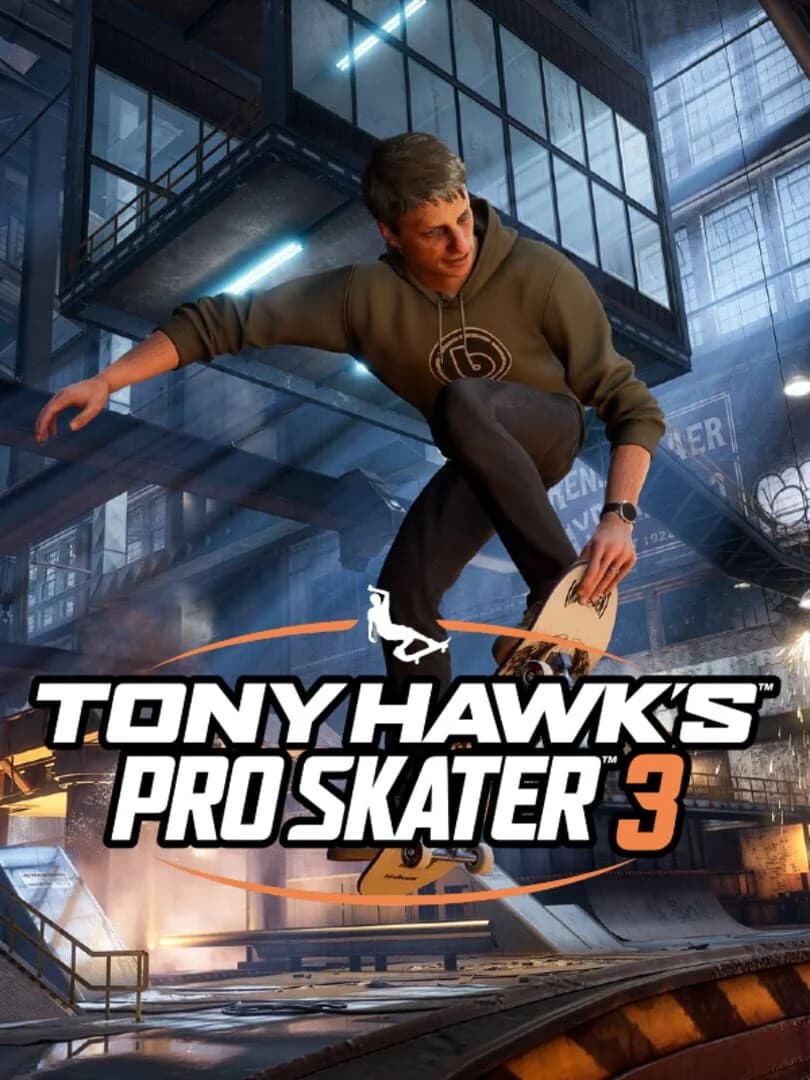
This caught my attention because it’s the kind of developer origin myth that actually lines up with how small studios survive: a reckless gamble, a technical Hail Mary, and a hit that changed everything. According to a Time Extension interview quoted by GamesRadar, Vicarious Visions-facing a $1 million loan and payroll shortfalls in 2000-faked screenshots at E3 to win the contract to make Tony Hawk’s Pro Skater for Game Boy Advance. Then, when 2D sprites wouldn’t fit on an 8MB cartridge, the team did something even crazier: they engineered real-time 3D polygonal skaters that ran at 60 frames per second on the GBA.
- Key takeaway: A risky pitch bought the studio a shot; clever engineering sealed the deal.
- Technical detail: Sprite animations would’ve needed ~80MB-so the team built 3D skaters instead.
- Impact: The GBA Tony Hawk paid off the studio’s debt, made Vicarious Visions a premier handheld partner, and led to a long Activision relationship.
Breaking down the story
Karthik Bala—who co-founded Vicarious Visions—recounts how the studio was “hand-to-mouth” after a major contract collapsed and banks refused to lend. They managed to secure a $1 million loan, but that was a stopgap. At E3 2000 they approached Activision about porting Tony Hawk to the then-new Game Boy Advance. Short on time and desperate to impress, artists whipped up convincing printouts—what Bala calls “fake up some screenshots”—and the pitch worked.
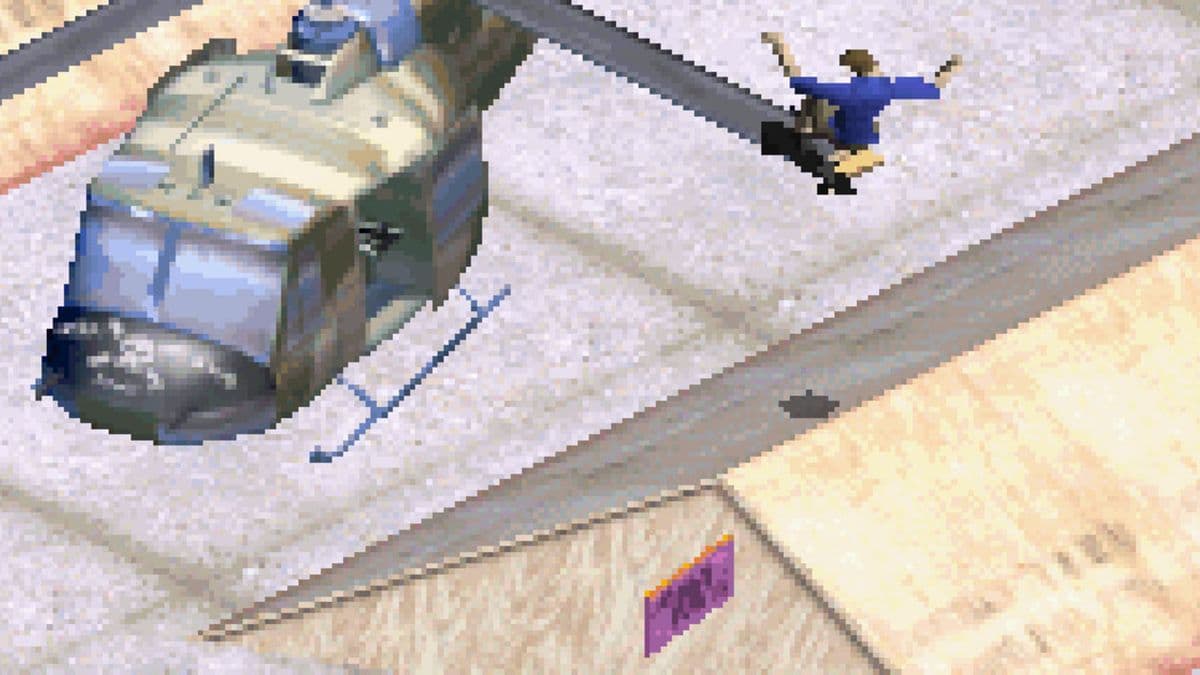
The jaw-dropper comes next: Vicarious Visions discovered that faithfully recreating Tony Hawk with sprite art was impossible on an 8MB cartridge—the animations alone would balloon to roughly 80MB. Facing that cliff, the team pivoted from attempting a sprite-heavy port to building a realtime 3D renderer for the GBA. Developers Matt Conte and Alex Rybakov led the effort. The result: polygonal skaters that ran at 60fps and felt like Tony Hawk on a handheld.
Why the technical move mattered
On paper, the Game Boy Advance was a 32-bit, 2D-focused handheld. Pulling 3D at 60fps out of that hardware wasn’t just a flex—it was a product-level difference. Players who bought the GBA Tony Hawk got an experience that actually played like the PlayStation original, rather than a watered-down isometric sidescroller. That authenticity translated into strong sales and critical goodwill, and for Vicarious Visions it was lifesaving: Bala says the game paid back their debt and cemented the studio’s relationship with Activision.
Industry context: desperate studios and wild engineering
This story is also a useful reminder of why studios take gambles. The indie-to-mid-size developer space has long been precarious—loans, missed payrolls, and sudden cancellations can force creative one-offs. The gamble to fake marketing assets would be ethically and legally risky today, and it could’ve backfired if Activision had pushed for proof earlier. But in this case it bought time for the technical team to deliver something genuinely impressive.
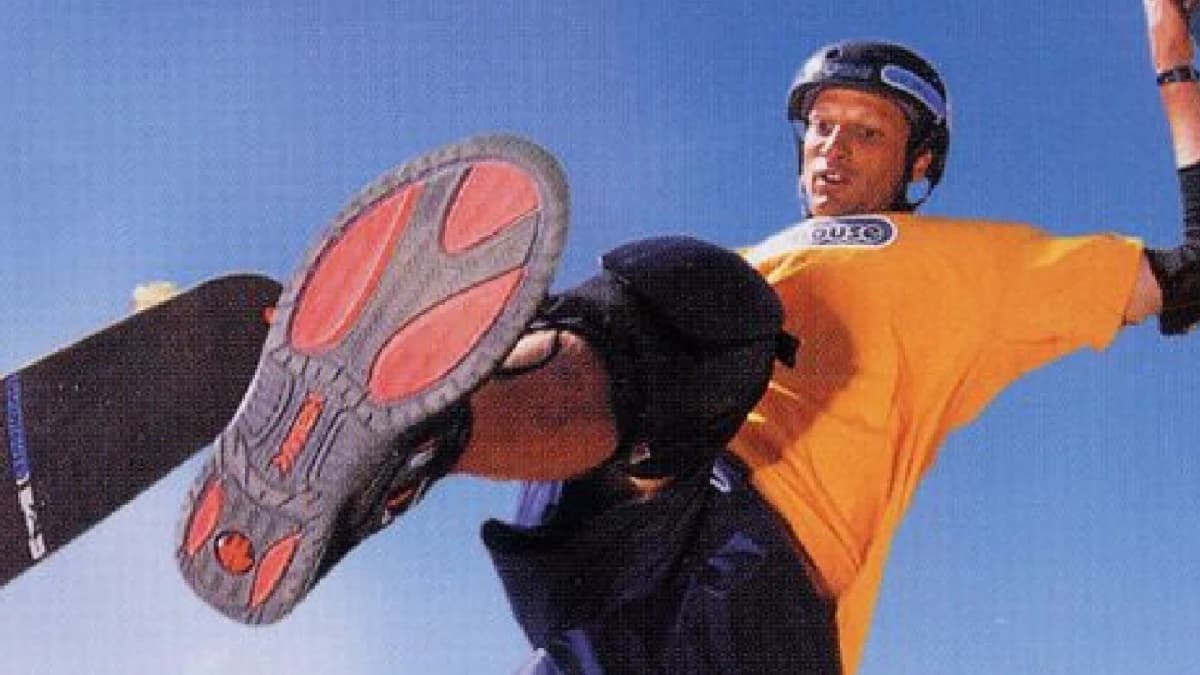
Vicarious Visions parlayed that momentum into more licensed handheld work, an acquisition by Activision in 2005, and decades of contract and first-party projects—culminating in high-profile work like the Tony Hawk’s Pro Skater 1 + 2 remakes in 2020 before the studio moved under Blizzard to support Diablo. It’s a clear example of how a single successful port can redirect a studio’s trajectory.
The gamer’s perspective: why this still matters
For retro fans and handheld purists, the GBA Tony Hawk remains a standout—partly because it dared to be faithful rather than compromise. For developers, it’s a cautionary tale and an inspiration: constraints can produce clever technical work, but the desperation that drove the fake screenshots also underscores how fragile studios can be. In today’s market—where layoffs and studio closures are still painfully common—it’s worth remembering there’s often a messy human story behind the games we praise.
TL;DR
Vicarious Visions faked E3 screenshots to win the Tony Hawk GBA job, then solved an impossible storage problem by building 60fps real-time 3D on the GBA. The gamble rescued the studio financially and set them up as Activision’s go-to handheld partner—proof that desperate times sometimes prompt the kind of engineering that changes a studio’s fate.
FinalBoss // Gear
Level up your setup
01Top-rated gaming headsetson Amazon→02High-refresh gaming monitorson Amazon→03Gaming chairson Amazon→04Discounted game keyson Kinguin→Affiliate links · As an Amazon Associate, FinalBoss earns from qualifying purchases.
Want to Level Up Your Gaming?
Get access to exclusive strategies, hidden tips, and pro-level insights that we don't share publicly.
Ultimate Gaming Strategy Guide + Weekly Pro Tips