
Table of Contents (6)
Why a five‑year‑old PS5 beat the Switch 2 in US January sales
This caught my attention because it contradicts the simple narrative of “new console = instant top seller.” Sony’s five‑year‑old PlayStation 5 reclaimed the top spot for US console sales in January 2026 – both by units and dollars – even though Nintendo’s Switch 2 had just launched. The explanation isn’t rocket science: lingering holiday bundles and a quiet release slate made bundle distribution more decisive than fresh hardware demand.
- PS5 led US January sales (units and dollars) per Circana data reported across outlets like IGN and Push Square.
- Hardware spending in the US was up (about $248M, +16% YoY), while overall gaming spend rose 3% to roughly $4.7B.
- Call of Duty: Black Ops 7 topped the software chart; Code Vein II was the only notable new entry into the overall chart.
- Sources line up on US rankings but diverge globally – VGChartz suggests Switch 2 had a narrow worldwide edge.
What the numbers actually show
Circana’s January window (Jan. 4-31) — reported by IGN, TechRaptor and Push Square — put PS5 first in the US for both unit and dollar sales, with Switch 2 in second. That’s notable because PS5’s dollar sales were down about 17% year‑over‑year despite the win, while Xbox Series X|S and the original Switch plunged (roughly ‑27% and ‑79% respectively in certain breakdowns).
Hardware spending in the US climbed roughly 16% YoY to $248 million, and content spending ticked up to about $4.3 billion (subscriptions jumped, helping content dollars). All told, total US gaming spend was around $4.7 billion, up 3% year‑over‑year. Those figures matter because they show the market wasn’t dying — it was just unevenly powered by leftover bundles and subscription growth rather than a stampede to new hardware.
Why holiday bundles and a light release calendar decided the rankings
Push Square and other coverage flagged “lingering holiday bundles” as the key real‑world lever. Many retailers still had PS5 bundles on shelves or in circulation in early January; when a big bundle clears at full price, it inflates both unit and dollar measures even if it’s technically leftover stock. Meanwhile, January’s new‑release slate was thin — Call of Duty remained the best‑selling game, and Code Vein II was the only fresh entry on the overall chart.
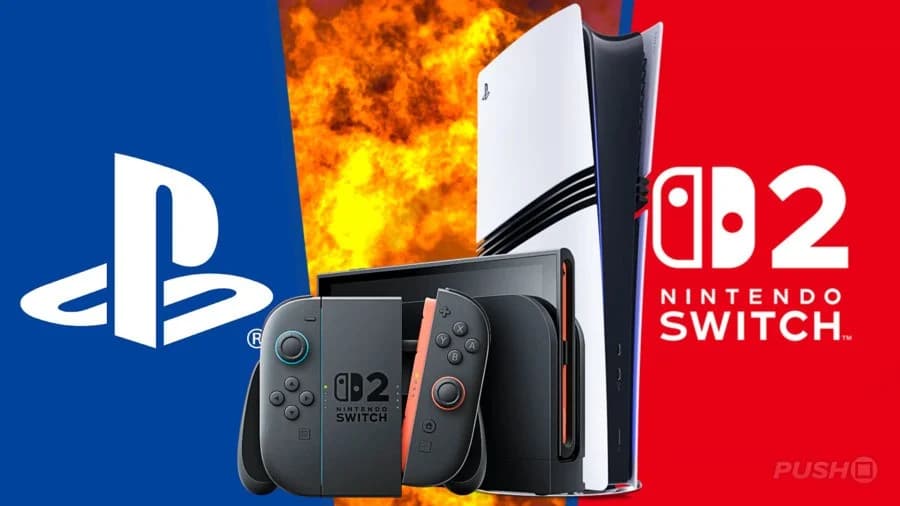
That combination matters because console rankings in quiet months are fragile. A hardware launch normally creates momentum, but Switch 2’s initial launch rush (and strong launch titles) didn’t entirely negate the tailwind Sony got from cross‑channel promotions. In plain terms: bundles are cheap marketing that still move charts.
Where sources agree — and where they don’t
Across Circana‑based reporting (IGN, TechRaptor, Nintendo Life, Push Square), the US story is consistent: PS5 #1, Switch 2 #2. They also agree that content, subscriptions and a handful of evergreen titles buoyed spending. The divergence appears when you step into global estimates. VGChartz’s numbers show Switch 2 slightly ahead worldwide for January (765K vs PS5’s 760K in their snapshot), suggesting regional differences — Japan and other markets leaned heavily to Switch 2 while the US briefly favored PS5.
On performance, the Switch 2 hasn’t been standing still: Digital Foundry’s recent coverage of a Skyrim Anniversary patch shows real improvements in framerate on Switch 2 hardware, which helps the platform’s library appeal — but those technical patches arrived after the January sales window and don’t retroactively change that month’s totals.
The gamer takeaway — and what to watch next
For players, this headline is less about “which console won” and more about what drives those wins: bundles, launch timing, and content cadence. PS5’s longevity is obvious — VGChartz now projects lifetime totals in the 90M range — but Switch 2’s launch is still early. Expect the balance to shift regionally and month‑to‑month as Nintendo lands big early‑year releases like Pokémon ports and Mario tennis updates.
Keep an eye on the February Circana report (mid‑March) to see whether Switch 2 rebounds in the US once its initial stock normalizes and new titles land. Also watch price/supply chatter: shortages, tariffs or retailer promotions will decide whether bundle momentum continues to favour older hardware or whether fresh demand for Switch 2 takes over.
TL;DR
PS5 topped US January sales mainly because leftover holiday bundles and a light new‑release month gave Sony a short‑term edge. Sources agree on the US outcome; they differ on the global picture. For gamers, this is a reminder that charts are fluid — and that the real fight between PS5 and Switch 2 will be decided by software lineups and supply, not a single month’s post‑holiday math.
FinalBoss // Gear
Level up your setup
01Best-selling Switch 2 gameson Amazon→02Switch 2 accessorieson Amazon→038BitDo controllerson Amazon→04Discounted game keyson Kinguin→Affiliate links · As an Amazon Associate, FinalBoss earns from qualifying purchases.
Want to Level Up Your Gaming?
Get access to exclusive strategies, hidden tips, and pro-level insights that we don't share publicly.
Ultimate Gaming Strategy Guide + Weekly Pro Tips