
Table of Contents (7)
Why Abide’s Kickstarter feels like more than a fundraiser
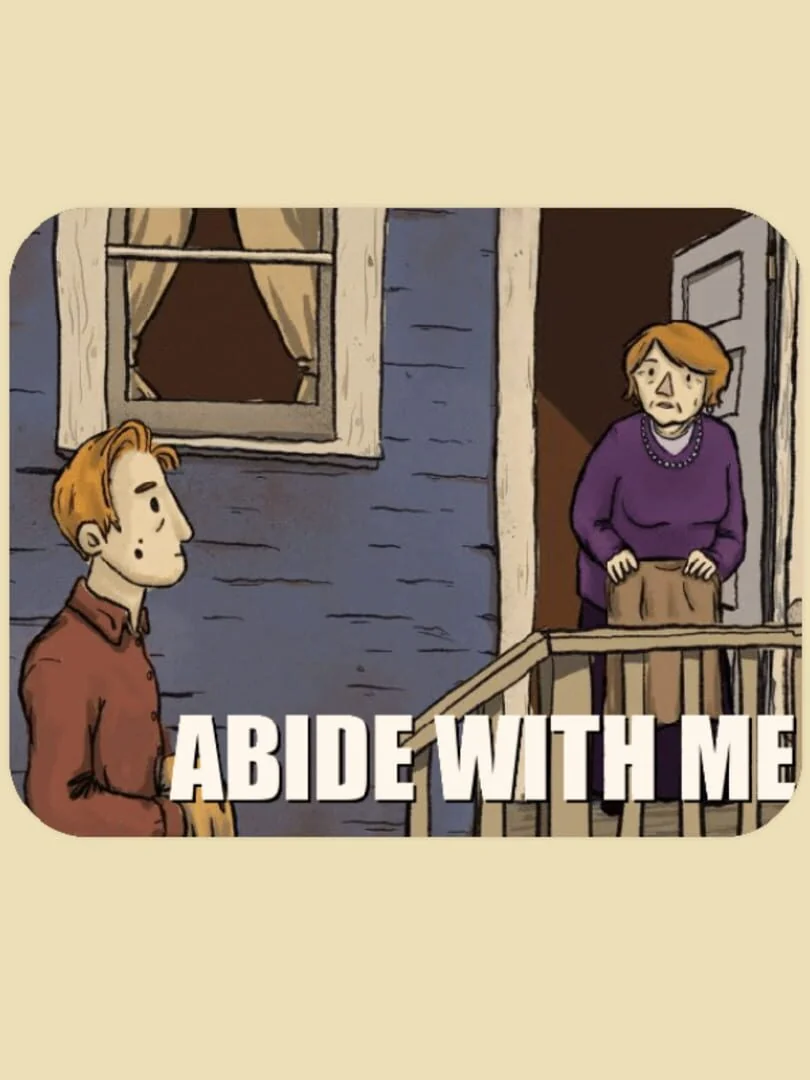
This caught my attention because Abide isn’t just another spooky indie-it’s a two‑person studio making stop‑motion psychological horror, and they’re racing the clock on Kickstarter while digital storefronts quietly shove difficult work off the shelves. With recent removals of mature, controversial titles from major marketplaces, Talha Kaya and Jack King‑Spooner are pleading that games that challenge or discomfort players still deserve distribution, not censorship.
- Abide is a handcrafted stop‑motion horror game from a two‑person team known for Judero and Mashina; its Kickstarter has raised roughly two‑thirds of its goal as the Feb. 28 deadline looms (per TheSixthAxis).
- Developers point to the recent removal of Horses from Steam and Epic as evidence that platform moderation is increasingly risky for mature indie games (reported by PC Gamer).
- The situation raises real questions about where controversial art can live: big storefronts, niche platforms, or only behind gated distribution channels?
What Abide is – and why it’s vulnerable
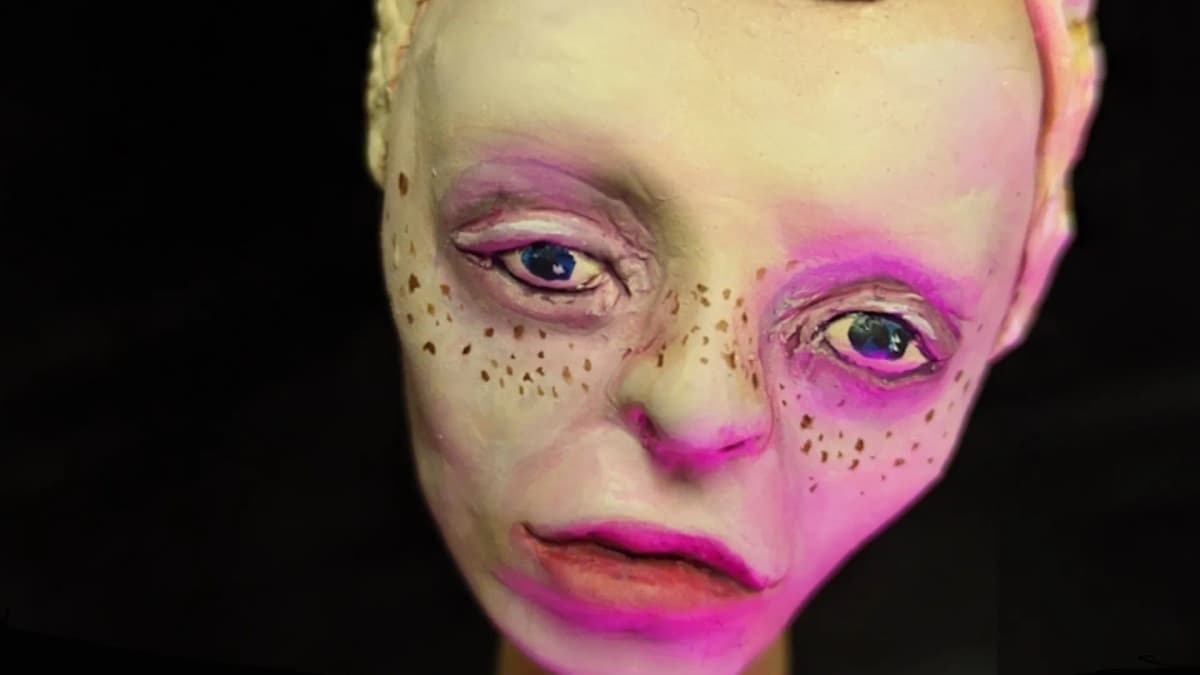
Abide is being made with stop‑motion models and a clear intent to unsettle. Talha and Jack have shifted from surreal fables into deliberately transgressive psychological material; they even consulted therapists to handle sensitive themes responsibly, according to an interview with TheSixthAxis. That kind of care matters, but it doesn’t protect a game from the blunt instrument of storefront policy.
Kickstarter currently hosts Abide’s campaign, which has attracted attention for both its craft-handmade claymation visuals—and its willingness to push boundaries. Being on Kickstarter buys the team time and direct connection to supporters, but it doesn’t guarantee a later path onto Steam or the Epic Games Store, which remain the most visible routes to a PC audience.
Horses, delistings, and the creeping chill
The immediate context that makes Abide’s situation feel urgent is the recent delisting of Horses from both Steam and Epic, a move widely reported in the press. Developers behind Abide point to that removal as proof platforms are increasingly willing to make judgment calls about what is allowed—even when creators argue their work is clearly not pornographic and has artistic intent.

That matters because storefront decisions are often opaque. When platforms remove a game, the practical result is distribution evaporates overnight for titles that don’t have another channel or a big publisher behind them. What used to be a consumer debate about taste can become a commercial death sentence for small teams.
Why this matters to indie developers and players
If digital stores begin to broaden what they deem unacceptable, creators working on difficult or transgressive art face a hard choice: self‑censor to meet storefront policies, embrace niche channels and smaller audiences, or bankroll direct distribution strategies that many teams lack resources to sustain. The chilling effect isn’t hypothetical—several devs now factor possible delisting into their design and release plans.
There’s also a cultural cost. Horror as a genre often uses discomfort to explore mental health, trauma, and taboo topics. When platform moderation removes access to those conversations, players lose chances to engage with complex, sometimes important themes in interactive form.
How Talha & Jack are responding
The duo have been explicit about their defense of artistic intent. “Horror seems to be under pressure from censorship, some subtle and some blatant,” they wrote on their Kickstarter page. Kaya told me she played and liked Horses and didn’t sense ill intent from its creator; King‑Spooner said it was “pretty sad and pathetic” that a difficult game can’t get on larger marketplaces. Their stance is pragmatic: finish the craft, fund the project, and hope commercial gatekeepers don’t shut the door.
That advocacy is part principle, part survival. For small teams, the question isn’t just free expression—it’s whether they’ll ever recoup the months or years spent building something if platform policy removes their primary sales channel.
Looking ahead
Abide’s Kickstarter closing soon makes this a moment to watch: if the campaign succeeds, the team gets breathing room to finish a risky creative project; if it fails, it will be another cautionary tale about how difficult it is for provocative indies to survive in a storefront‑dominated market. Either way, the broader debate about moderation, artistic freedom, and where tough games can live isn’t going away.
TL;DR
A handmade horror game, Abide, is crowdfunding while its creators warn recent delistings like Horses show major storefronts are less tolerant of mature, transgressive work. This threatens small teams’ ability to make and sell challenging games unless alternative distribution or public pressure changes the calculus.
FinalBoss // Gear
Level up your setup
01Top-rated gaming headsetson Amazon→02High-refresh gaming monitorson Amazon→03Gaming chairson Amazon→04Discounted game keyson Kinguin→Affiliate links · As an Amazon Associate, FinalBoss earns from qualifying purchases.
Want to Level Up Your Gaming?
Get access to exclusive strategies, hidden tips, and pro-level insights that we don't share publicly.
Ultimate Gaming Strategy Guide + Weekly Pro Tips