
Table of Contents (8)
Why this matters: a veteran left a “numbers-first” machine to prove small teams can still ship meaningful open worlds
Samson isn’t trying to out‑GTA Rockstar. It’s a statement: Christofer Sundberg – the Avalanche veteran behind Just Cause – walked away from a studio he felt had become “numbers focused” and founded Liquid Swords to make a smaller, sharper open‑world game. Samson: A Tyndalston Story launches on April 8 for PC via Steam and the Epic Games Store at $24.99/€24.99, and the pitch is plain: a single‑player, melee‑and‑driving crime brawler that trades scale for focus and a clear, constrained loop.
Key takeaways
- Release & price: Samson arrives April 8 on PC (Steam, Epic) for $24.99/€24.99; consoles come later (3DJuegos, VidaExtra, TheSixthAxis).
- Design focus: Heavy melee and weighty driving, a daily action‑point system, growing debt mechanic and irreversible choices to force tradeoffs (IGN/Steam, TheSixthAxis).
- Scope & length: Main story ~10-12 hours, full completion ~25 hours; single‑player with no multiplayer or microtransactions reported (TheSixthAxis, IGN preview).
- Studio thesis: Liquid Swords is a deliberately small team aiming to avoid “factory” development and monetization-first design, positioning Samson as a compact alternative to massive open worlds.
What Samson actually is – and isn’t
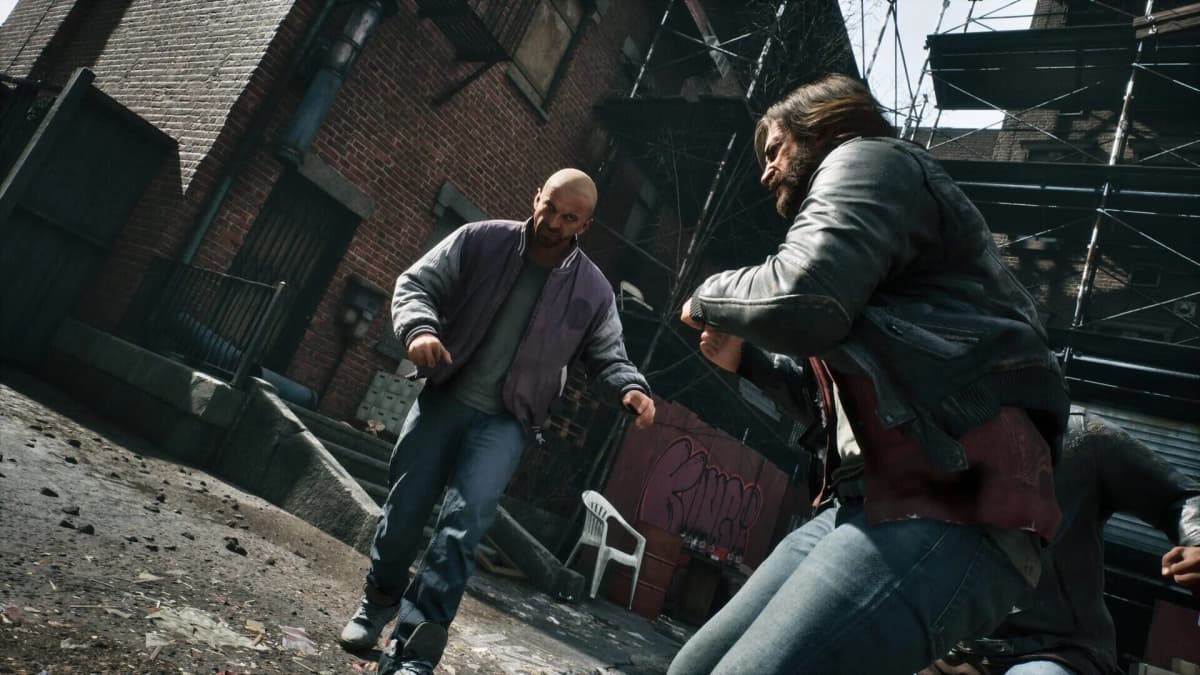
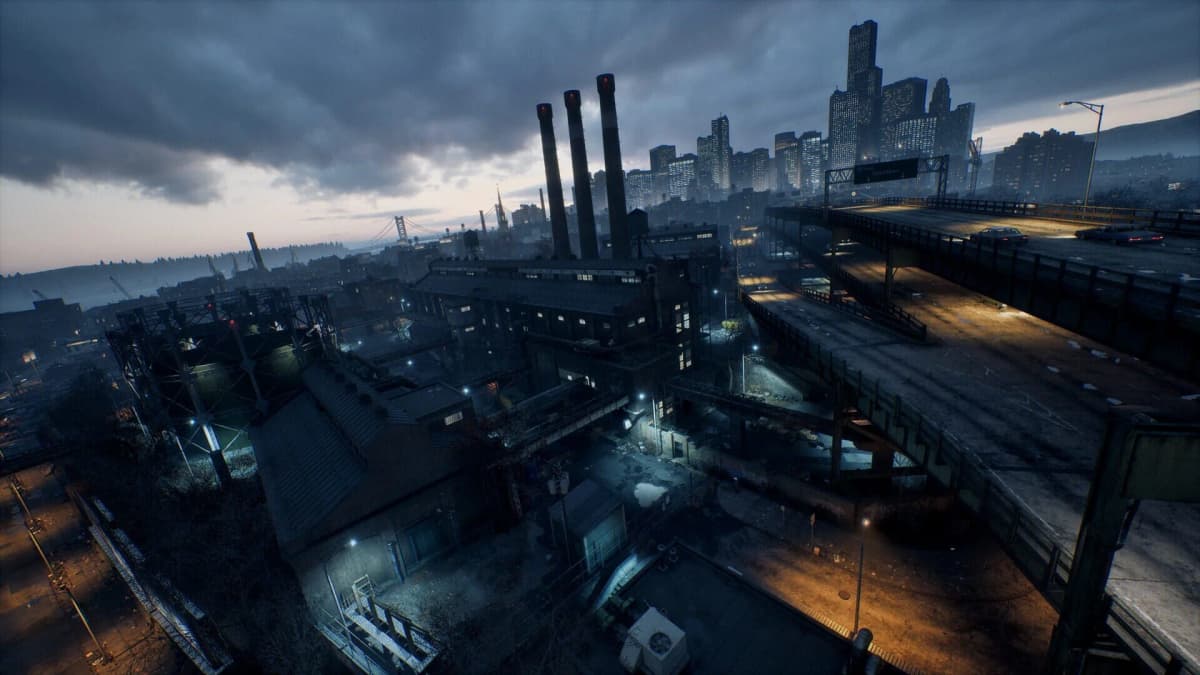
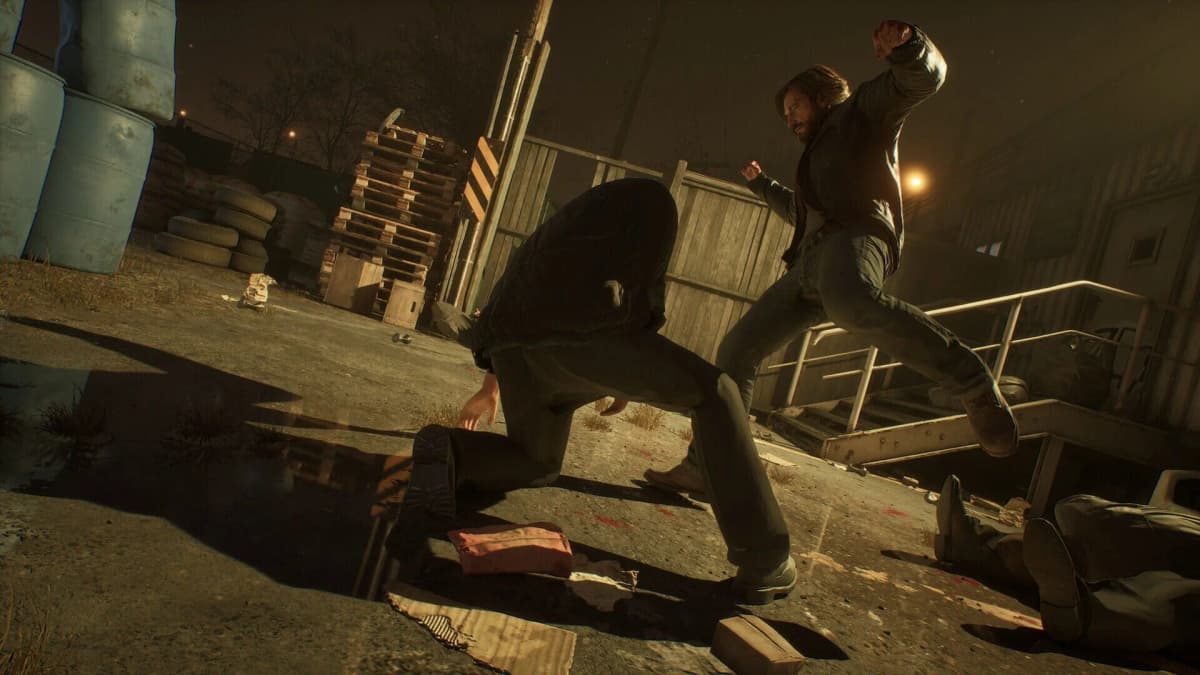
The game on display in previews plays like a 1990s noir brawler with a city to explore. IGN’s hands‑on described a gritty, lived‑in Tyndalston rendered in Unreal Engine 5, where punches feel weighty, cars move with deliberation, and painkillers help you stay in a fight. That’s the core: one hero, close combat and driving, not open‑ended sandbox systems. TheSixthAxis confirms it’s a purely single‑player experience with no microtransactions — a pointed contrast to so many open worlds that shoehorn live services in post‑launch.
Mechanically Samson leans on limits. You have action points each day to take jobs that pay cash toward a debt that keeps growing with interest. Spend your allotment and the day ends. Miss payments and consequences stack. Those constraints are the point: instead of infinite quest piles and emergent systems, Samson forces you into deliberate choices and scarcity — a design decision that makes a compact, cheaper game feel meaningful rather than understuffed.
The uncomfortable observation
There’s nothing novel about founders quitting big studios to chase creative purity — we’ve watched this movie before. What matters is whether a small team can ship a polished open world without the massive QA, live‑ops and post‑launch teams AAA titles use to paper over rough edges. Samson’s $25 price and single‑player promise are refreshing, but they also raise the question publishers rarely want to answer: how will Liquid Swords support the game after launch? Early impressions praise the city’s density and combat heft, but a smaller studio has less bandwidth for rapid patches, broad platform parity, and long tail support.
The thesis behind the studio — and the real test
Sundberg’s move reads as a deliberate counterpoint to the “bigger is better” logic that dominates open‑world budgets. Ship a shorter, focused experience at a fair price, and trust players to reward craft over scope. That’s an attractive model when the alternative is endless DLC, microtransactions, or games fattened to justify subscription tactics.
But the test arrives when Samson is in players’ hands. Steam reviews, player concurrency, and how quickly Liquid Swords turns around fixes will say more than the PR copy. If Samson is polished, well‑balanced and supported, it will be a useful precedent: smaller teams can make meaningful open worlds and still find an audience at mid‑tier prices. If it ships rough and gets left to rot because the studio can’t keep pace, it’ll become the cautionary tale instead.
The question I’d ask Liquid Swords’ PR rep
How many people are on the core development team, and what is your concrete plan for post‑launch support (patch cadence, platform parity, and bug‑fix staffing) once Samson ships to the wider public?
What to watch
- April 8 launch — first‑week Steam reviews and player counts will be the clearest early signal (TheSixthAxis).
- Patch cadence — note how quickly Liquid Swords issues fixes and addresses platform parity if/when console versions arrive (IGN/Steam preview concerns about scope).
- Sales vs. price — a $24.99 tag tests whether mid‑priced, single‑player open worlds can be commercially viable without live services.
- Community reaction to combat and daily action structure — those systems are Samson’s identity; if they don’t land, the game loses its core claim to focus.
TL;DR
Christofer Sundberg’s Liquid Swords launches Samson on April 8 for $24.99 — a compact, single‑player open‑world brawler built around daily action points and a growing debt mechanic. It’s a deliberate rebuttal to bloated, monetized open worlds: smaller scope, one player, no microtransactions (per reporting). What will prove the idea is execution and post‑launch support — watch Steam reviews, early patches and how the studio handles console ports.
FinalBoss // Gear
Level up your setup
01Top-rated gaming headsetson Amazon→02High-refresh gaming monitorson Amazon→03Gaming chairson Amazon→04Discounted game keyson Kinguin→
Affiliate links · As an Amazon Associate, FinalBoss earns from qualifying purchases.
Want to Level Up Your Gaming?
Get access to exclusive strategies, hidden tips, and pro-level insights that we don't share publicly.
Ultimate Gaming Strategy Guide + Weekly Pro Tips