
A Lost NES Game from Chris Oberth Just Got Finished — But Who Is This Release For?
Game intel
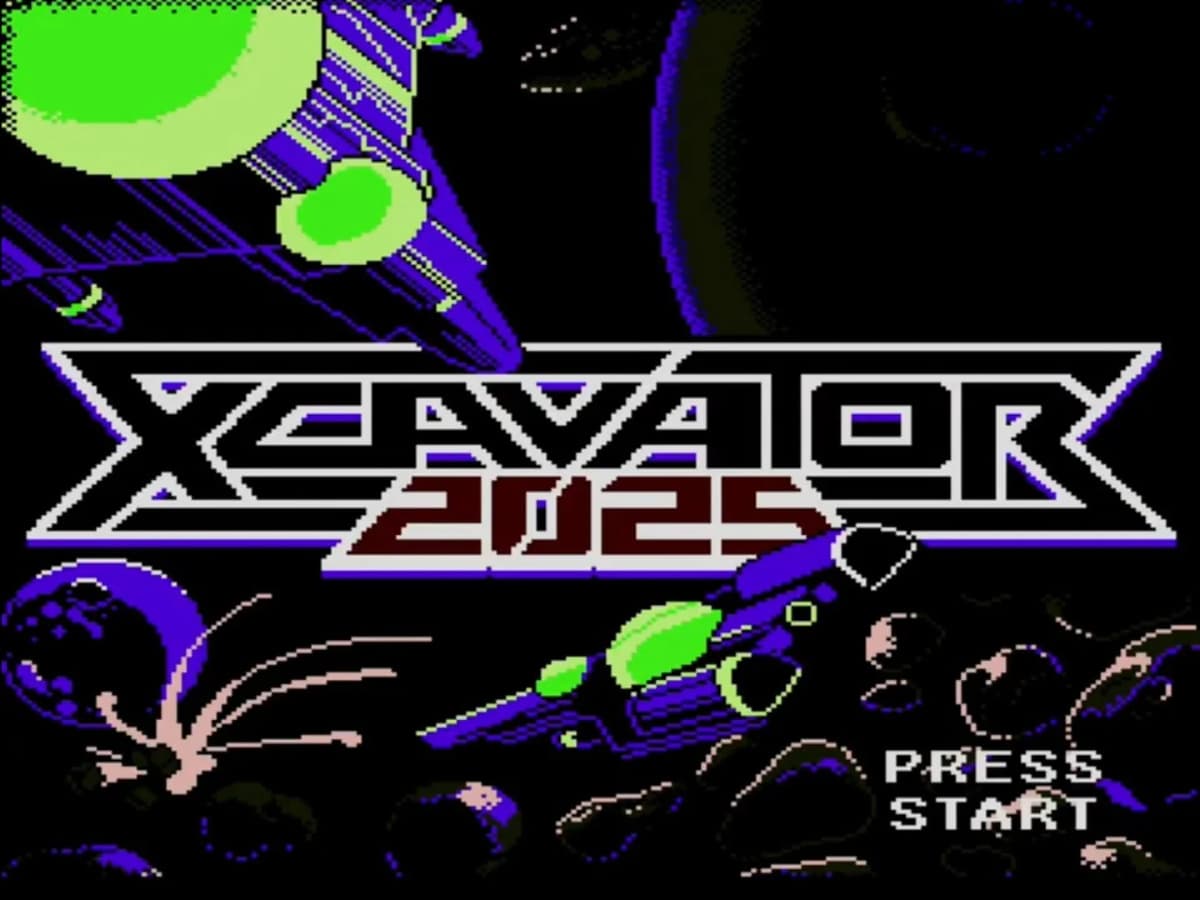
Xcavator 2025
This is Xcavator 2025 (NES Cartridge), a fully functional NES title built from Oberth’s original design of the same name. First developed at Incredible Technol…
Why this actually matters to retro gamers (and why I’m suspicious)
This caught my attention because it’s the rare moment when preservation, fan nostalgia and legit game archaeology collide: the Video Game History Foundation recovered source code for an unfinished Chris Oberth NES prototype, Mega Cat Studios finished it with period‑accurate tools, and iam8bit is selling a physical cartridge packaged like an authentic 8‑bit release. Preorders are open, first footage premiered at Day of the Devs, and iam8bit says a $100 boxed edition with a 14‑page manual will be sold with all profits going to the VGHF. That line – preservation first, profit second – is what separates this from a typical collector cash‑grab, but it’s still worth asking who this release is actually for.
- Key takeaway: A genuinely lost NES prototype has been resurrected and will exist on real hardware for collectors and preservationists.
- Who benefits: Video Game History Foundation and preservation efforts – proceeds support history work.
- Who should think twice: Casual players — $100 for a limited cartridge is a collector’s play, not a cheap way to try a new game.
Breaking down the announcement: what was recovered and how it was finished
According to the organizations involved, the recovered project is Xcavator 2025 — an unfinished NES title designed by Chris Oberth. The VGHF tracked down original source code and assets, then worked with Mega Cat Studios to complete the game using the same era‑appropriate development tools the NES team would have used back in the day. That matters because modern “retro” ports often cheat by using PC toolchains and modern conveniences; this was handled with an eye toward historical authenticity.
Mega Cat has a track record of shepherding new releases for old hardware, and iam8bit knows how to make things feel premium. Their choice to include a 14‑page manual, retro packaging, and an NES cartridge that runs on original hardware signals this is aimed squarely at collectors and preservationists, not just retro‑style gamers on Nintendo Switch or emulators.
What the finished game actually looks and plays like
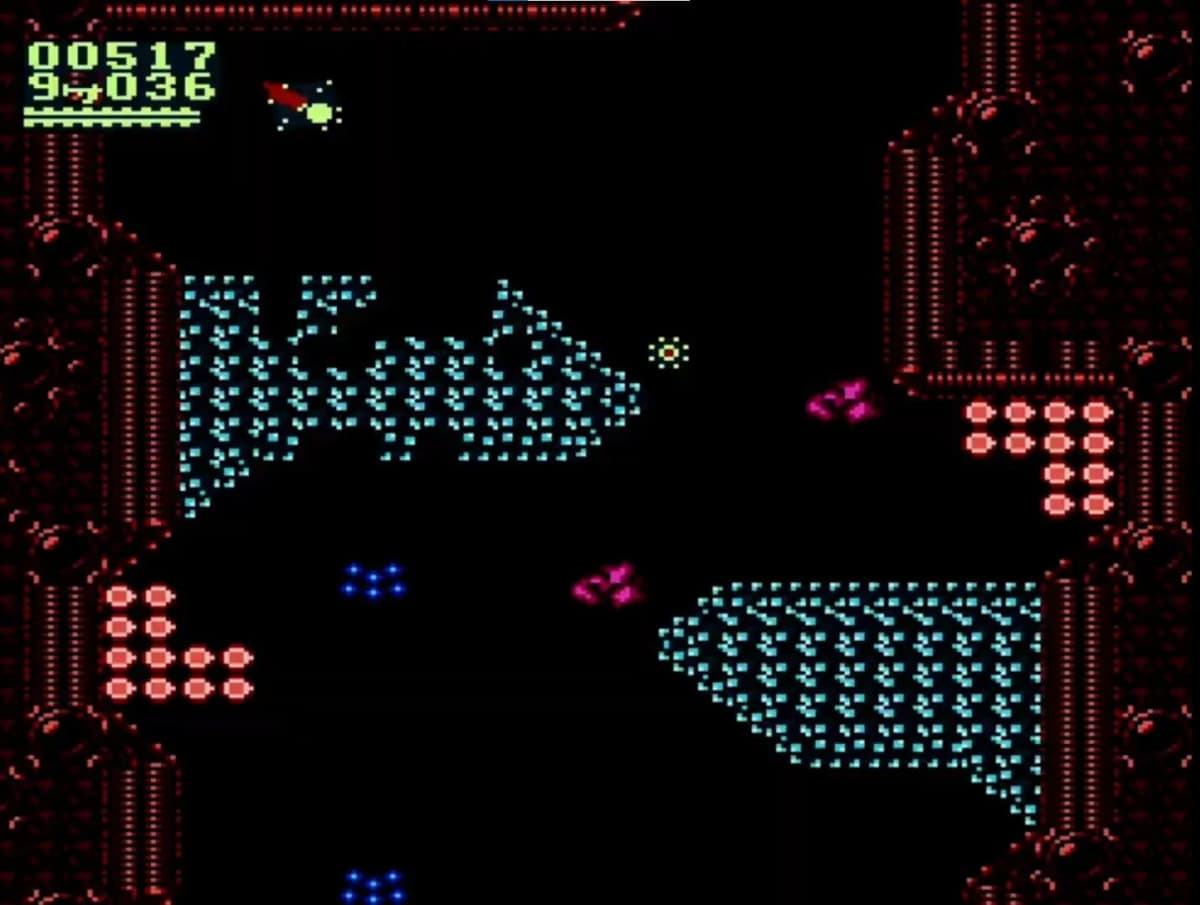
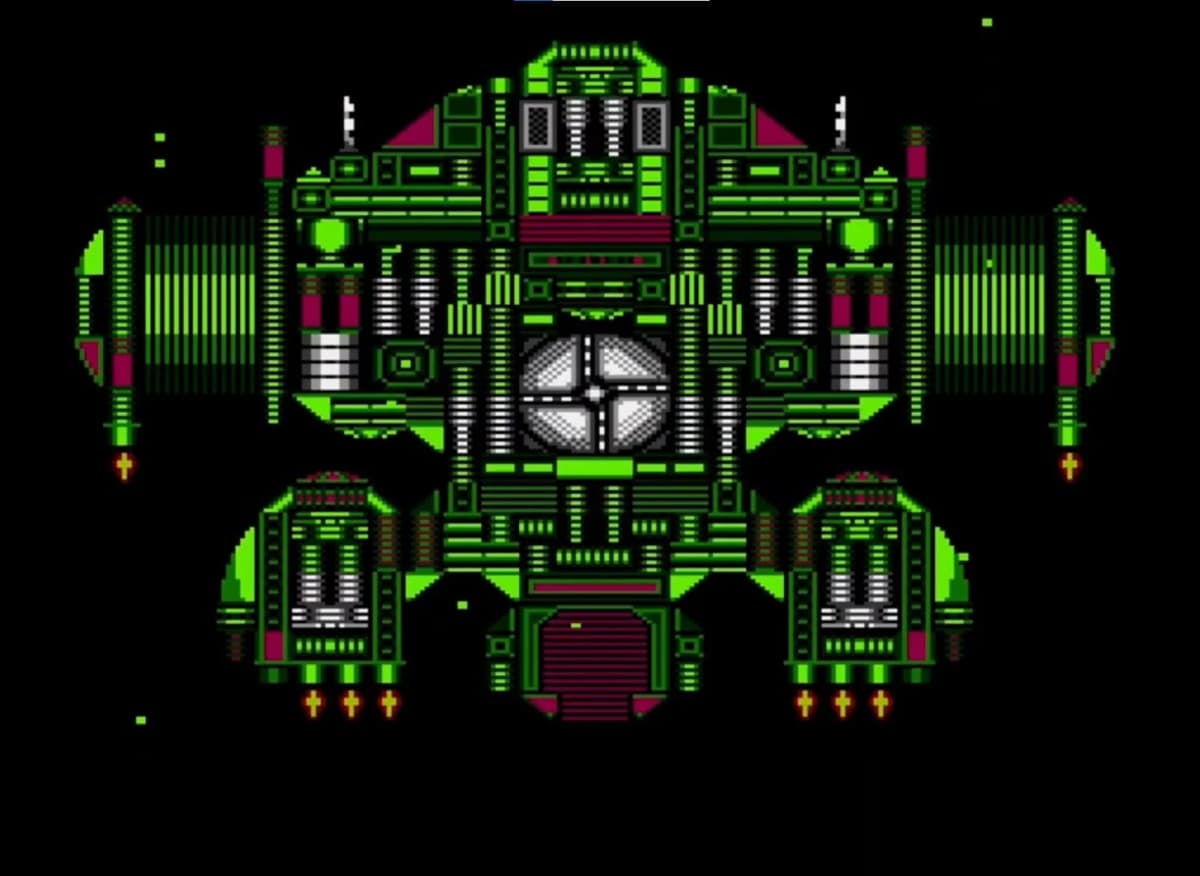
Footage screened at Day of the Devs shows a compact action‑adventure with digging mechanics, traps and exploration — the sort of ambitious non‑linear design Oberth was known to flirt with in prototypes. Pixel work and chiptune audio are faithful to NES limits; the mechanics feel dense for a late‑’80s concept. But a warning: “completed” prototypes can be a mixed bag. The team finishing a game is necessarily interpreting missing bits of design, so the end product might not be 100% Oberth’s original vision.
Who should buy the $100 cartridge (and who shouldn’t)
If you collect original NES cartridges, manuals and packaging, this is a no‑brainer — owning a game that never saw release until now has both emotional and historical cachet. If you care about preservation, the fact that proceeds go to the VGHF is meaningful: that organization does real archival work. If you’re mainly looking to play, consider the alternatives: the ROM will likely surface among preservation circles and emulation communities, and it’s by far the cheaper route.
At $100 for a boxed, limited edition cartridge and manual, iam8bit’s price sits comfortably in the high‑end niche of physical retro releases. That’s reasonable for a collectible but not for someone who just wants to sample an obscure NES oddity.
Want to Level Up Your Gaming?
Get access to exclusive strategies, hidden tips, and pro-level insights that we don't share publicly.
Ultimate Gaming Strategy Guide + Weekly Pro Tips
Why this could be bigger than one game
This release signals something important: preservation groups and boutique publishers can collaborate to turn orphaned source code into playable artifacts, raising awareness about how many lost, half‑finished projects are sitting in attics or company servers. If Xcavator 2025 sells and the VGHF grows its funding, we could see more archival rescues — but there are tradeoffs. Which projects get finished, who makes the creative calls, and how faithful a “completed” title should be are all questions that will come up more often.
TL;DR — The short, honest version
Xcavator 2025 is a legitimately exciting piece of game archaeology: source code recovered, completed with period tools, and released as a real NES cartridge with retro packaging and a manual. It’s a collector’s item and a win for preservation, but it’s not a cheap way to play a new retro title — and finishing someone else’s unfinished work always raises questions about fidelity to the original vision. If you love NES history and physical releases, preorder it; if you just want to try the game, wait for preservation releases or emulation.