
Table of Contents (5)
Why this tiny card-JRPG grabbed my attention
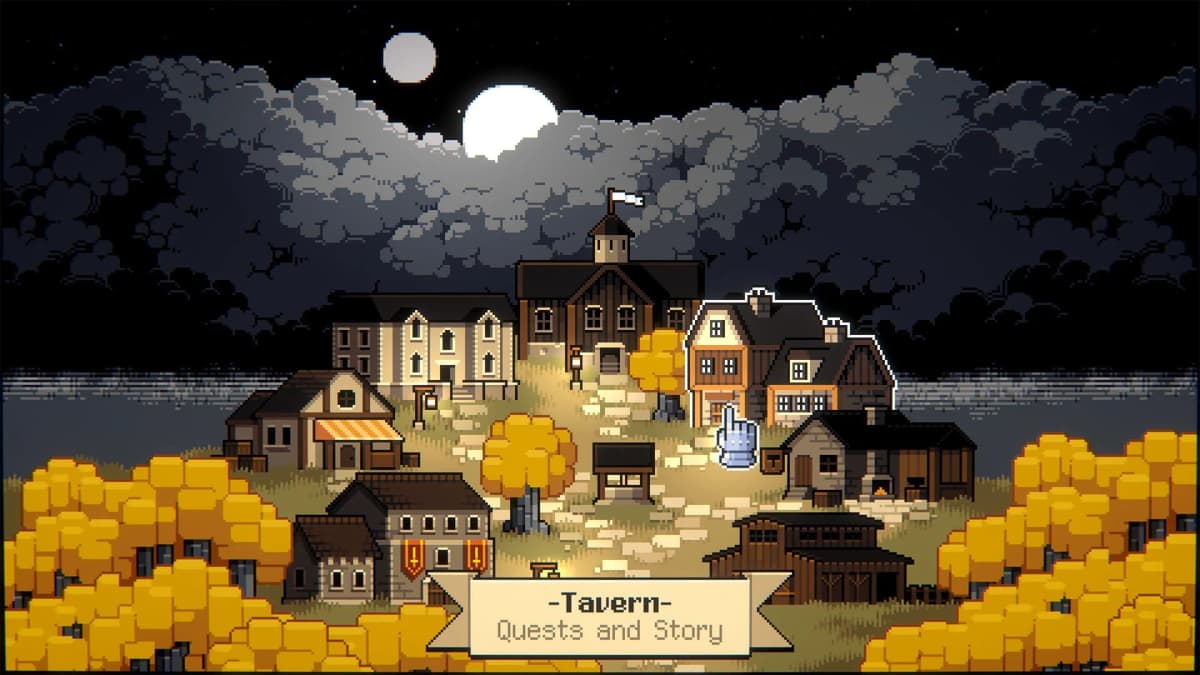
Dark Cards of Candlewood is the kind of indie pitch that sounds vague until you play it: a solo developer’s roguelite collectible card game that blends Loop Hero’s looping momentum and Final Fantasy VI’s party-driven feel into a deceptively deep two-card combat loop. The free Steam demo, timed for Next Fest, gives you the opening chapter, 150 cards, three recruitable party members and four difficulties-enough to judge whether Luno’s one-man vision has teeth.
- Solo dev Luno (Lunoland) delivers a compact, tactical two-choice combat system.
- Demo includes 150-card pool, three recruits, and four adventure difficulties.
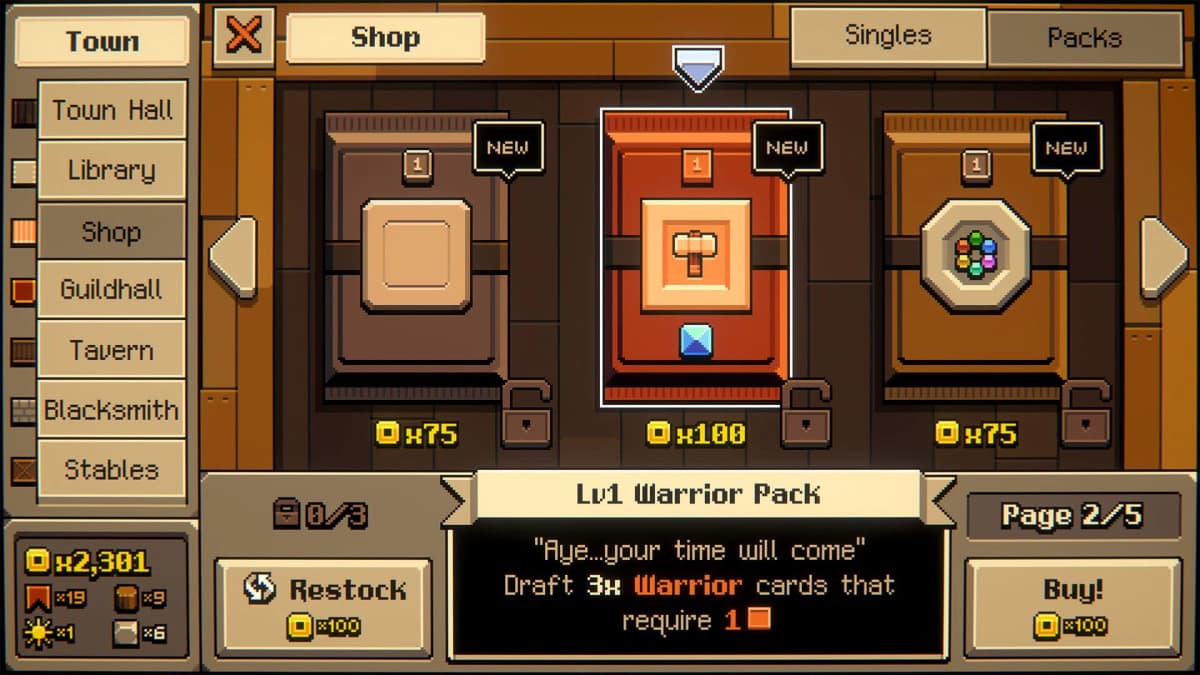
- No microtransactions: all card acquisition is in-game via play (packs, drops, drafts, crafts).
- Feels like Loop Hero loopiness + classic JRPG party moments; worth testing in Next Fest demo.
Breaking down the announcement
The hook is elegantly simple: every turn you pick between two cards. That binary choice sounds reductive on paper, but Luno layers in chain attacks, items in a backpack, a momentum mechanic, enchantments and card acquisition systems that create emergent combos. You’re not building a deck before a run so much as steering a living, changing arsenal acquired through play-packs, single-card drops, drafts and crafting all factor in. Crucially, there are no microtransactions; the developer says everything is earned in-game.
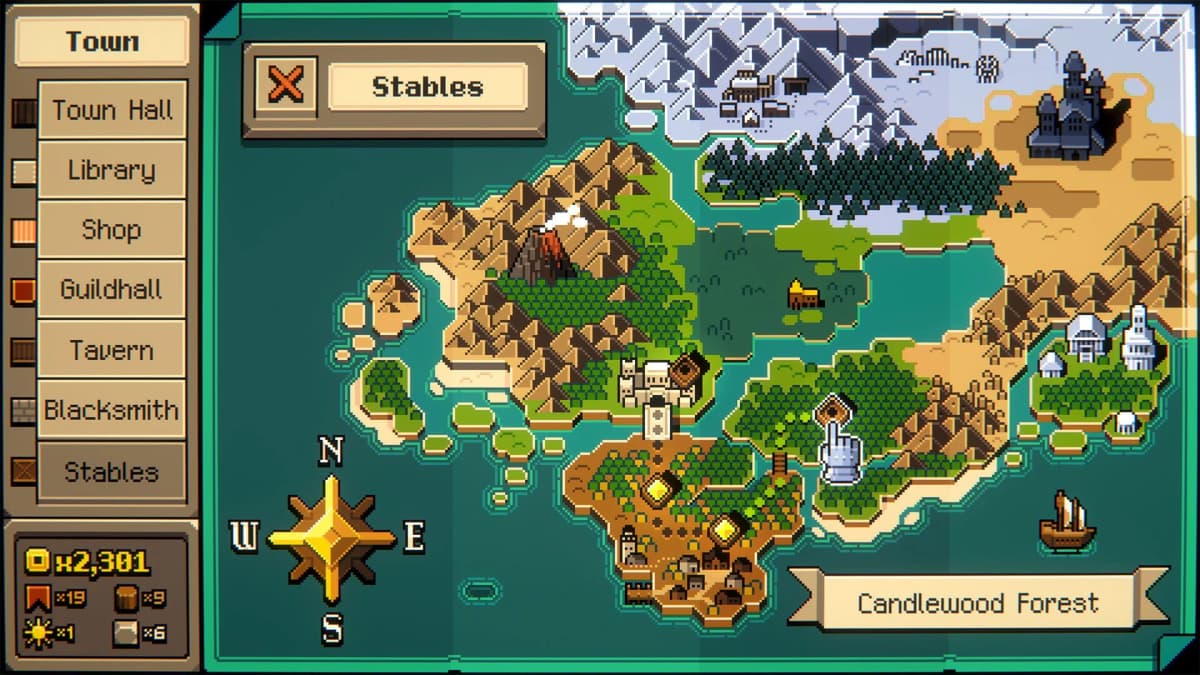
The demo gives a playable slice of the early game: the opening chapter, 150 cards to sample, three recruitable party members who inject JRPG-style party synergies, and four adventure difficulties that tease replay value. Beat the hardest mode and you get a special Discord role-small, but the kind of community carrot indie devs use well.
Why this matters for players (and why I’m cautiously optimistic)
Two things sell this to me: focused mechanics and studio honesty. A two-card-per-turn system forces the game to make every choice meaningful. Pair that with party members and chain attacks, and you have tense micro-decisions that can snowball into satisfying combos—exactly the twitchy-but-strategic loop loop fans love in roguelites.
Second, the no-microtransaction stance matters. Card games are often plagued by monetized card acquisition and pay-to-win optics. Luno’s model—cards via in-game play—keeps the loop about skill and choices, not your wallet. For a solo developer, that’s both admirable and risky: it limits revenue options, but it builds trust with players who are increasingly skeptical of card-game economies.
Context: Next Fest, solo dev momentum and the crowded card-roguelite space
Releasing a demo during Steam Next Fest is smart timing. The festival has become the indie treadmill where solo devs and small teams debut systems-heavy games to an audience hungry for bite-sized playable loops. That trend is visible across recent coverage: solo devs are getting noticed, and card-roguelites in particular are having a moment—PC Gamer recently highlighted another card-roguelite demo that leaned into turbocharged combos. That appetite makes Candlewood’s demo feel well-timed.
Still, the genre is crowded. Stalwarts like Slay the Spire set a high bar for replayability and card design. Dark Cards has to prove its depth beyond the first chapter: are the 150 demo cards varied enough? Do party synergies create interesting builds or just add menu bloat? The demo is the moment to find out.
What to watch for in the demo
- Card variety: Do the 150 demo cards show distinct archetypes and meaningful synergies?
- Difficulty curve: Are the four adventure difficulties balanced or one punishing slog?
- Party mechanics: Do recruitable members change playstyle in a meaningful way?
- Polish and stability: Solo projects can shine on ideas but stumble on balance and UI—test how smooth the systems feel.
FinalBoss // Gear
Level up your setup
01Top-rated gaming headsetson Amazon→02High-refresh gaming monitorson Amazon→03Gaming chairson Amazon→04Discounted game keyson Kinguin→Affiliate links · As an Amazon Associate, FinalBoss earns from qualifying purchases.
Want to Level Up Your Gaming?
Get access to exclusive strategies, hidden tips, and pro-level insights that we don't share publicly.
Ultimate Gaming Strategy Guide + Weekly Pro Tips