
Table of Contents (6)
This one purchase changes how we should talk about free-to-play games
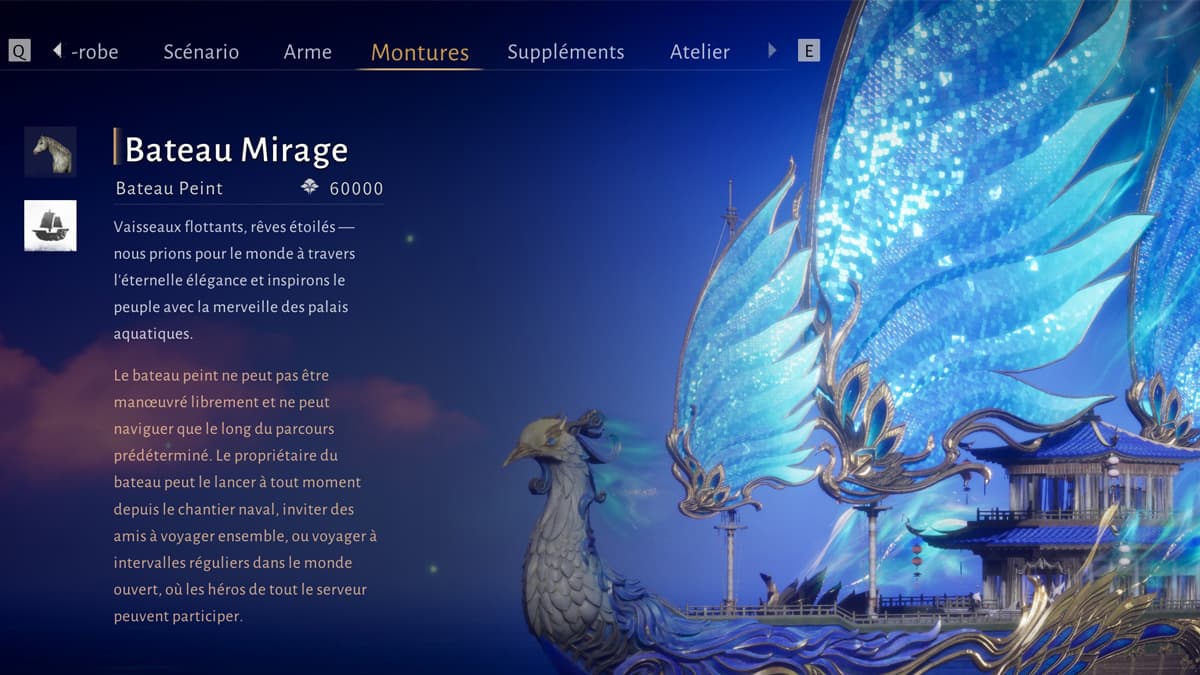
This caught my attention because it turns the usual “whale buys flex item” trope on its head: in Where Winds Meet a single player shelled out roughly $40,000 (over €36,000) for the ultra-rare “Mirage” ship – then used it as a community stage, opening server-wide voyages full of mini-games, XP and free skin trials. It’s a headline-grabbing act of generosity, but it also forces a clearer conversation about what free-to-play economies actually do to players and communities.
- Key takeaway 1: A $40K cosmetic became a public event – good for players, awkward for ethics.
- Key takeaway 2: Whales can subsidize content, but their purchases normalize extreme spending.
- Key takeaway 3: This stunt spotlights regulatory and safety questions around high-priced microtransactions.
Breaking down the stunt – what actually happened
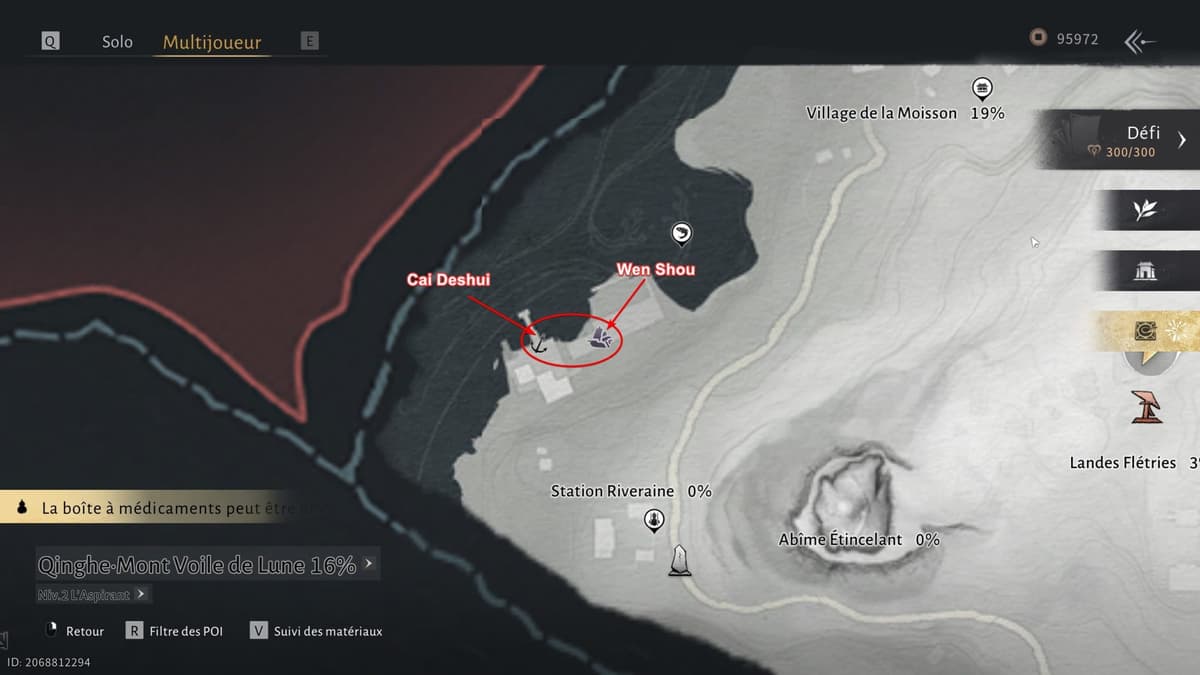
The Mirage is advertised as a premium “luxury” ship package: ornate visuals, multiple sailing routes and an onboard wardrobe where you can preview cosmetics. According to community posts and a viral tweet that circulated screenshots and clips, the buyer didn’t hide the purchase — they scheduled recurring sea expeditions and invited anyone on the server to join. While aboard, players can play short activities, earn rewards including experience points, and try skins without paying.
To be clear: this isn’t just a vanity parade. The Mirage becomes a literal content delivery mechanism. One prominent tweet summarized it neatly: “One whale funds the game with a cosmetic and everyone benefits from it.” That sums up the optics — an extravagant, private purchase turned communal benefit.

Why this matters — generosity vs. normalization
On the surface, the community reaction is heartwarming. Reddit threads applauded the generosity, with some joking that it’s “like taxing the rich” for the common good. For players who don’t want to spend a dime, the Mirage events are a free source of content that otherwise would sit behind paywalls.
But the applause shouldn’t blind us to the subtler problems. The very fact that the game allows a $40K purchase is the issue for many. One translated comment summed up the disgust plainly: “The very fact that it’s possible to spend $40,000 in the game makes me sick.” That’s not just snobbery — it’s a reasonable reaction to an ecosystem that monetizes status to an extreme degree.
The economics and the slippery slope
Free-to-play games live and die by a tiny percentage of players who spend large sums. That’s how studios fund ongoing development and live ops. But when “cosmetics” cross into the tens of thousands, the model shifts from optional fun to a playground where wealth visibly dictates access and influence. Even when a whale’s purchase benefits others, it still normalizes outsized spending and can put pressure on the community to emulate or celebrate that behavior.
There are also concrete harms to consider: kids and vulnerable people might be exposed to transactions they can’t responsibly evaluate, and social dynamics can pivot toward status signaling. Mechanically, if devs see players enjoying the Mirage events, they might create more ultra-pricey, server-changing items — because they work as both revenue generators and spectacle.
What players and devs should watch
- Developers: If you let single purchases alter shared servers, add guardrails — limits, age gating, or opt-in social features that don’t reward extreme spending with gameplay advantages.
- Players: Enjoy the free ride, but remember the optics. Public celebration of whale spending can normalize risky behavior among peers.
- Regulators & parents: Pay attention to transaction sizes and potential exposure of minors to high-cost sales inside social spaces.
It’s possible to imagine a middle ground: whales fund exclusive-looking content that also produces regular, developer-managed community events. That keeps the benefit while avoiding a market that incentivizes ever-larger price tags for attention.
TL;DR
A Where Winds Meet player bought a $40K Mirage ship and invited the whole server aboard, creating free mini-events and skin trials. It’s a generous, headline-friendly move — and a reminder that free-to-play economies can produce both communal wins and worrying precedents. Celebrate the moment, but don’t ignore why we should care about a system that lets someone spend that much in a single cosmetic.
FinalBoss // Gear
Level up your setup
01Top-rated gaming headsetson Amazon→02High-refresh gaming monitorson Amazon→03Gaming chairson Amazon→04Discounted game keyson Kinguin→Affiliate links · As an Amazon Associate, FinalBoss earns from qualifying purchases.
Want to Level Up Your Gaming?
Get access to exclusive strategies, hidden tips, and pro-level insights that we don't share publicly.
Ultimate Gaming Strategy Guide + Weekly Pro Tips