
Table of Contents (7)
Why the INFERIUS beta matters (and why it grabbed my attention)
This caught my attention because INFERIUS is trying to do something most games avoid: marry first-person stealth and environmental play with a roguelike deckbuilder built around Major Arcana tarot mechanics – then drape the whole thing in Dante-meets-Lovecraft horror. Beta sign-ups just went live on Steam, which means players can now peek under the hood and see whether this mash-up actually holds together or just looks cool on a press sheet.
- Beta access opened publicly via Steam on February 20, 2026, with internal playtesting already active (SteamDB shows a non-shareable beta branch, app ID 4350850, last updated Feb 21).
- The Steam store page (app/2470790) lists INFERIUS as a first-person roguelike deckbuilder using Major Arcana tarot cards across nine infernal domains.
- Core hooks include lantern-based stealth/environment interaction, pre-battle card enhancements (sigils & brands), and a sanity-gambling black market – plus rulers representing each circle’s sin.
Breaking down the beta: what’s actually live
Developer posts on Steam news declared “INFERIUS Internal Beta Playtesting has begun! Join now!” on February 20, mirroring Alpha Beta Gamer’s sign-up call. SteamDB confirms a closed, non-shareable beta branch (4350850) and indicates the Steam store assets were touched on January 20 – suggesting the team has been iterating privately for weeks. Important caveat: the beta excludes Steam Family Sharing, and SteamDB lists the game’s genre as “Unknown (0),” which reads like a hybrid that doesn’t fit tidy categories.
What the game actually does (the meat of the design)
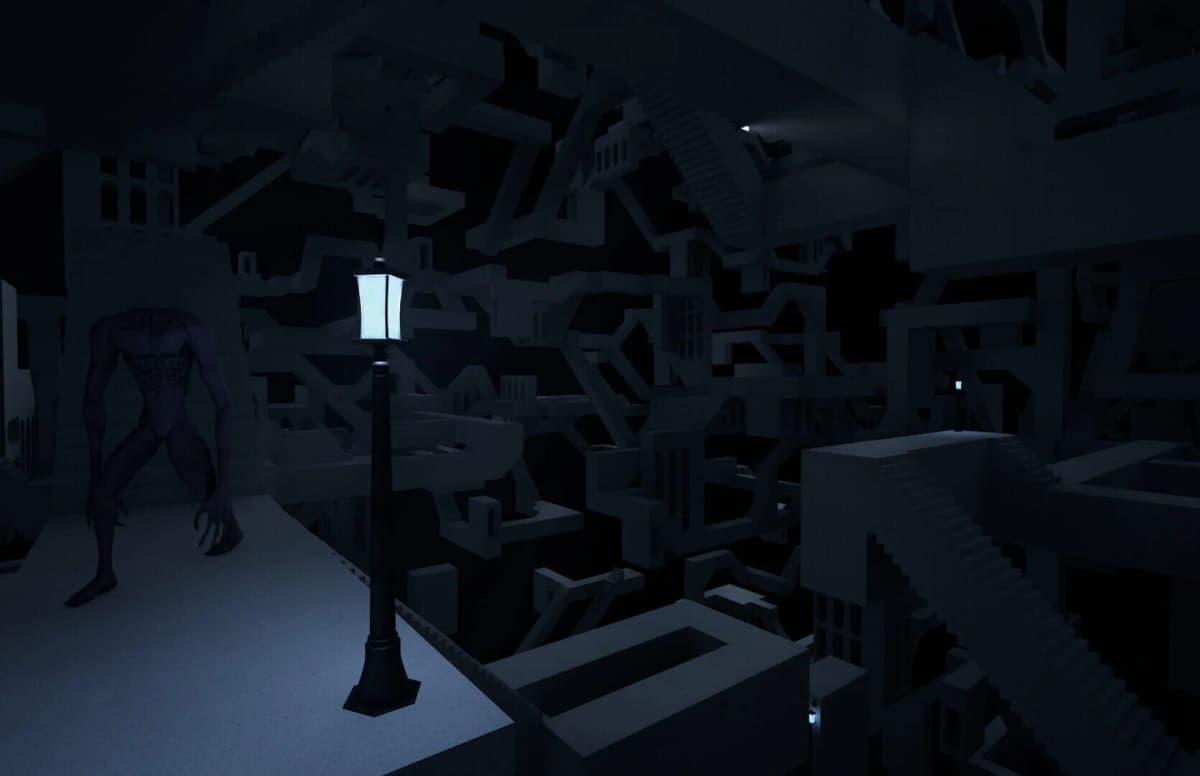
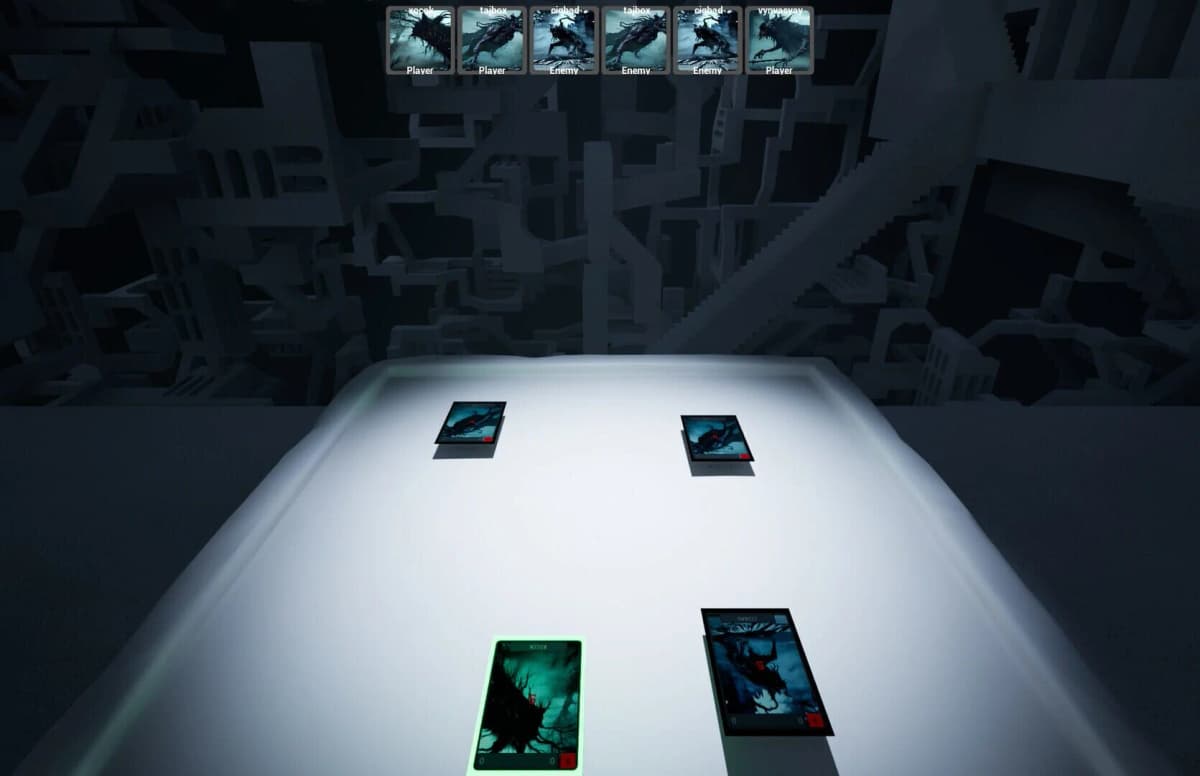
INFERIUS is not a card battler that confines you to a table. It’s a first-person roguelike where your deck is the core means of interacting with fights and the environment. You build a Major Arcana tarot deck, but you can also pre-enhance individual cards with sigils and brands before runs. A handheld lantern gives you stealth options and environmental manipulation — think shadows as a resource, not just atmosphere. There’s also a black-market mechanic where you can gamble sanity: short-term power at the cost of long-term stability. Each of the nine domains maps to Dante’s circles (from Limbo to Treachery), and each domain has a ruler embodying its sin — more narrative weight than many roguelikes bother to carry.
Why this blend stands out — and where it could fall flat
Deckbuilders and roguelikes have been flirting for years, and first-person + card systems have shown promise in experiments like The Killing Stone (tabletop meets first-person exploration). INFERIUS tries to push that further by making cards part of your in-world toolkit, not just a combat minigame. The lantern and sanity gambling add tense emergent decisions: do you burn your sanity for a quick edge, or do you play the long game?
That said, the hybrid nature raises questions. Will card management feel meaningful without slowing down first-person flow? Does pre-enhancing cards before runs reduce the procedural surprise roguelike players crave? And how well can the game balance stealth, horror, and card-based risk without one system cannibalizing the others? The lack of a known developer history makes those questions harder to answer — there’s no previous track record to judge how they’ll ship on these promises.
Community and evidence snapshot
So far, community noise is thin. Targeted searches turned up no Reddit threads, Discord buzz, or forum reactions tied to widespread impressions — likely because the beta is still tightly gated and Family Sharing is disabled. The public Steam page (app/2470790) and SteamDB entries give us the concrete signals we need for now: a live beta, a clearly stated design direction, and patches being pushed as recently as February 21.
What to watch next
- Check the Steam community hub after February 20 for initial beta impressions and crash reports.
- Watch SteamDB for new builds or changes to the beta branch — those are the clearest signs of active iteration.
- Look for developer updates on pacing between stealth and card combat, and any plans to expand access beyond the non-shareable beta build.
TL;DR
INFERIUS wants to be a unique hybrid: a first-person, tarot-powered roguelike where stealth, sanity, and card customization all matter. The beta just opened on Steam (public sign-ups Feb 20, 2026; SteamDB app ID 4350850), and it’s the first real chance to see if these systems mesh. If you like experimental indies that risk awkwardness to create something original, this beta is worth signing up for — but be ready to test a game that’s equal parts promise and unknowns.
FinalBoss // Gear
Level up your setup
01Graphics cardson Amazon→02Gaming laptopson Amazon→03High-refresh gaming monitorson Amazon→04Discounted game keyson Kinguin→Affiliate links · As an Amazon Associate, FinalBoss earns from qualifying purchases.
Want to Level Up Your Gaming?
Get access to exclusive strategies, hidden tips, and pro-level insights that we don't share publicly.
Ultimate Gaming Strategy Guide + Weekly Pro Tips