
A tiny Finnish studio just dropped a Subnautica-sized hit — but can it last?
Game intel
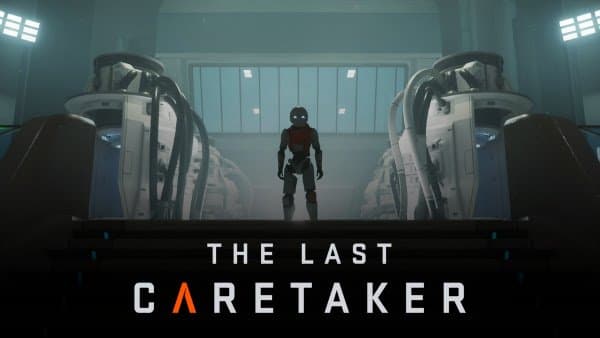
The Last Caretaker
The Last Caretaker is a thoughtful take on the survival-crafting genre, where every decision you make and every action has a consequence. Immerse yourself in a…
The sci-fi survival-crafter everyone’s suddenly watching-here’s the real story
The Last Caretaker landed in Early Access this month and immediately flooded my feeds. Not just with slick trailer cuts, but with something rarer: long sessions and “one more trip” stories. The numbers are noisy-15 million TikTok views, 3 million YouTube views-but the signal that matters is this: more than 1.2 million Twitch hours watched and an average player time reportedly over 16 hours. For a brand-new indie survival-crafter, that suggests people aren’t just doom-scrolling; they’re sticking around.
It helps that Channel37 is nine people out of Helsinki, not some giant live-service factory. The pedigree is interesting too: industry vets including Antti Ilvessuo (co-founder of Trials studio RedLynx) and community pro Jack Pattillo. It’s priced at $34.99 / €29.99 / £26.99 on Steam and the Epic Games Store—firmly in “serious indie” territory, not an impulse buy. So, should you jump in now or wait for the roadmap to fill in?
Key Takeaways
- Early Access momentum is real: high watch-time and an average 16+ hours played beat pure “viral” metrics.
- Single-player survival with a strong narrative hook—less Palworld chaos, more Subnautica-meets-Talos Principle vibes.
- Roadmap promises “regular” updates: new vehicles, world expansion, story and lore—cadence will make or break it.
- $34.99 asks for confidence; if you love narrative-leaning exploration and systems tinkering, it’s already compelling.
What The Last Caretaker actually is (and isn’t)
You’re a reawakened machine in a drowned world, nursing the last human seeds and sending survivors skyward to reboot civilization. That premise instantly separates it from the usual “wake up hungry, punch a tree” survival loop. The ocean isn’t just a backdrop; it’s the board you play on—silent docks, rusting towers, navigation beacons, sealed vaults. The press kit pitches “every structure has a purpose,” and if the level design holds that line, exploration becomes puzzle-solving, not waypoints spam.
Systems-wise, it sounds like a dynamic tug-of-war: salvage a ruin, break down machinery, and decide whether scarce materials become weapons, power, or mobility. The detail that caught my eye is choosing between offense and an “easy exit” from mechanical threats. That implies stealth-and-evade builds could be just as viable as going loud—think crafting batteries and thrusters instead of spears and turrets. The modular crafting mentions power grids, tools, and weapons; if the power management layer is deep, this could scratch the same itch as Subnautica’s base-planning without drowning you in spreadsheets.
What I don’t see (yet) is any mention of co-op. That’s not a knock—Subnautica thrived solo—but it sets expectations. If you want squad chaos, you’ll likely be waiting. If you want quiet, deliberate exploration with a narrative throughline, that’s the promise on the table.
Why this surge is happening now
Survival-crafting is crowded and cyclical. We swing from cozy colony sims to creature-collecting sandboxes to solitary deep dives. The Last Caretaker slots into that last lane, and the timing is sharp: players are hungry for narrative survival after a year dominated by co-op and meme-heavy clips. “You are a machine learning what it means to be human” is a hook that evokes The Talos Principle and NieR without copying them, and the ocean-wreck exploration taps the same curiosity nerve that made Subnautica and Raft binge-worthy.
The other factor is watchability. Streams thrive on discovery friction—audiences like seeing you open the wrong door, route power the wrong way, and then bodge together a fix. Early clips show enough moving parts (salvage choices, route planning, enemy avoidance) that streamers can tell stories without resorting to “look at this broken exploit.” That’s healthy attention, not just algorithm bait.
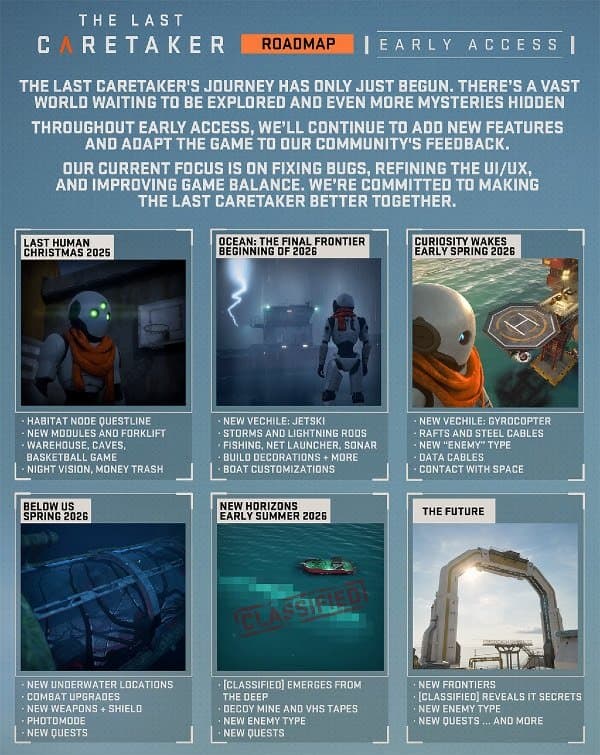
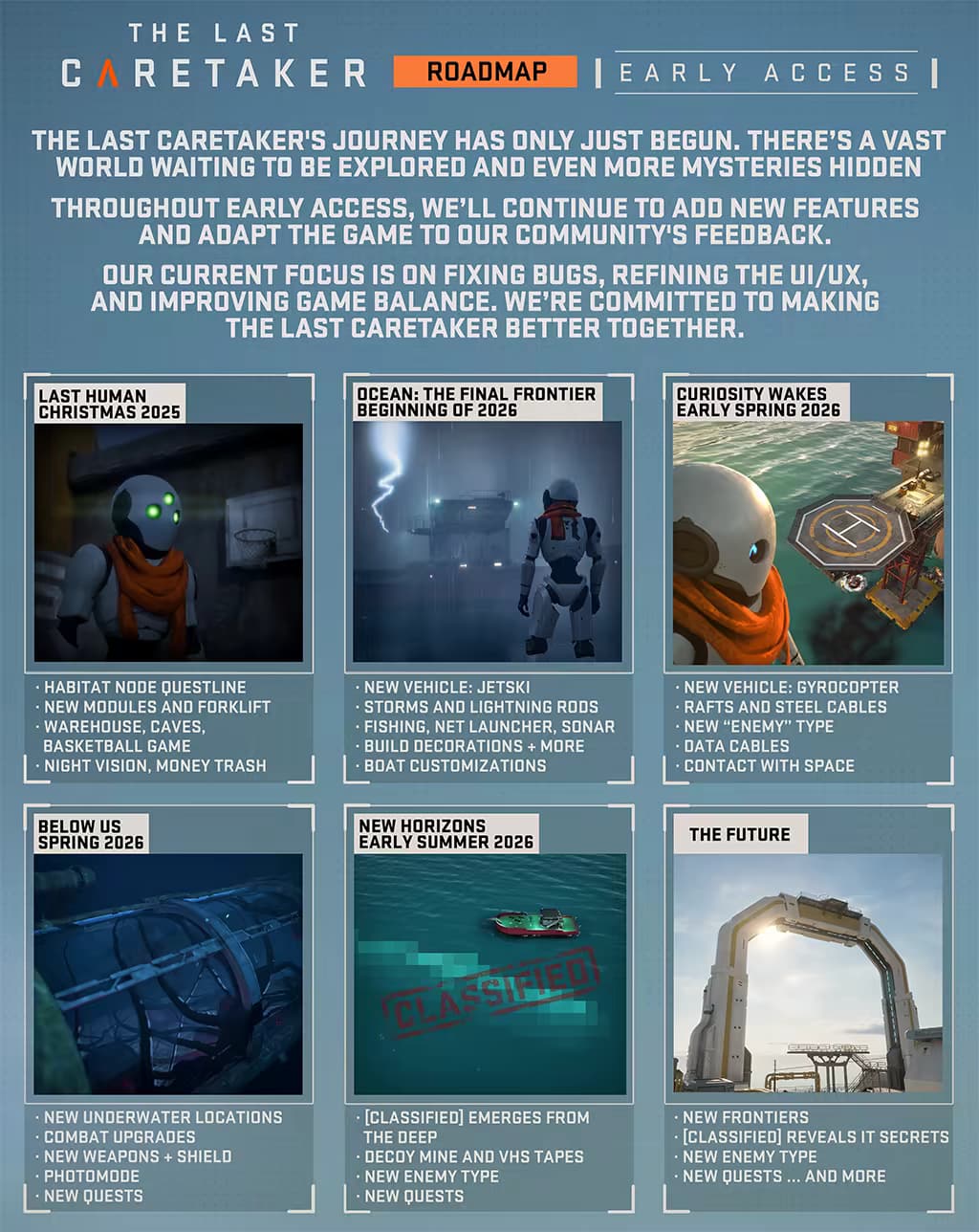
Early Access reality check: roadmap promises vs. player needs
Channel37 says the Early Access plan includes regular content drops: new vehicles, essential build items, world expansion, plus more lore and story. That’s the right shape, but cadence and clarity matter. Monthly beats with notes players can trust—balance tweaks, new biomes, bespoke story moments—keep survival games sticky. Vague “soon”s don’t. The studio also touts The Last Caretaker as the result of four years of hand-crafted systems, which is promising, but those systems need tuning passes in the wild: resource scarcity, enemy aggression, and travel times are the first places these games wobble.
Performance and save stability will be the real stress tests. Oceanic worlds can be brutal on streaming and physics, and nothing nukes Early Access goodwill faster than a corrupted base save or a stealth nerf that doubles grind. I’d also love a straight answer on long-term features—mod support, accessibility options, and whether co-op is a never, a maybe, or a post-1.0 conversation. If it’s single-player forever, say it loudly. Players respect a focused vision.
On value: at $34.99, you’re paying for ambition and narrative weight. The reported 16+ hour average playtime suggests there’s already a solid loop, but remember averages hide outliers. If you expect a full-fat campaign right now, wait for the first big content update. If you want to ride the discovery wave and give feedback, this is a prime time to jump in.
Want to Level Up Your Gaming?
Get access to exclusive strategies, hidden tips, and pro-level insights that we don't share publicly.
Ultimate Gaming Strategy Guide + Weekly Pro Tips
How it stacks up against the genre heavyweights
Compared to Subnautica, Caretaker reads less “underwater survival horror” and more “post-human caretaker sim with maritime ruins.” Versus Raft, it’s less about building a floating fortress with friends and more about planned excursions and story beats. If you enjoyed Dredge’s eerie worldbuilding and wished it had deeper systems, or if you loved Subnautica’s lonely awe but wanted more explicit narrative, this sits right in that overlap. That’s a good place to be—as long as the writing sticks the landing and the systems don’t collapse into optimal meta builds.
What I’m watching next
- Update cadence: are “regular” drops actually monthly and substantial?
- System depth: does power management create interesting trade-offs after 10-20 hours?
- Exploration payoff: do ruins keep surprising you with purposeful design, not filler loot?
- Technical stability: performance on mid-range PCs and save reliability after patches.
- Scope clarity: confirmation on co-op plans and any mod support.
TL;DR
The Last Caretaker isn’t just going viral; players are investing time, and that’s the metric that matters. It’s a thoughtful, single-player survival-crafter with a strong narrative hook and a salty, rusted world worth poking at. If you want polished co-op chaos, hold off. If you crave solo exploration with meaningful systems—and don’t mind a few Early Access barnacles—it’s already worth charting a course.