
The most important fact about the clip Texas governor Greg Abbott reposted with the caption “Bye bye” is not that it looks real. It’s that it was treated as real by a sitting governor-and then quickly traced back to videogame footage that uses World War II-era ordnance. That mismatch is the point: modern military sims are good enough to be reused as evidence, and in a high‑tension moment between the U.S. and Iran, that reuse becomes political ammunition.
Table of Contents (6)
Key takeaways
- AFP and Gaijin Entertainment both flagged the viral clip as almost certainly videogame footage-Gaijin PR’s Konstantin Govorun wrote: “Yes, this looks like ‘War Thunder’ footage.”
- The imagery uses WWII‑era ships and aircraft models (users noticed a USS Tennessee-style battleship and a Messerschmitt Komet), not modern ordnance, which weakens the claim that it shows a contemporary U.S.-Iran engagement.
- War Thunder’s ongoing Ninth Wave update is doubling down on modern visuals and new jets, making game footage more photorealistic and easier to mistake for real combat.
- The episode is a reminder that realistic milsim clips are now a political vector-capable of being amplified by officials—and that AI and deepfake tools only make the problem worse.
Why this small clip matters more than it should
The content itself is unremarkable: a warship fires and a plane goes down. The context makes it dangerous. AFP’s verification team traced the clip to a Reddit thread and contacted Gaijin, which identified strong similarities to assets used in War Thunder. No independent reporting backs the claim that a U.S. battleship shot down an Iranian jet—indeed, public reporting around the same dates shows denials and confusion about other alleged strikes.
This isn’t only about one viral post. A governor amplifying an unverified video normalizes skipping verification when footage confirms a political narrative. When a public official reposts content with a celebratory caption, it converts an unconfirmed clip into a political statement—regardless of authenticity.
Gaijin, War Thunder and the visuals that fool people
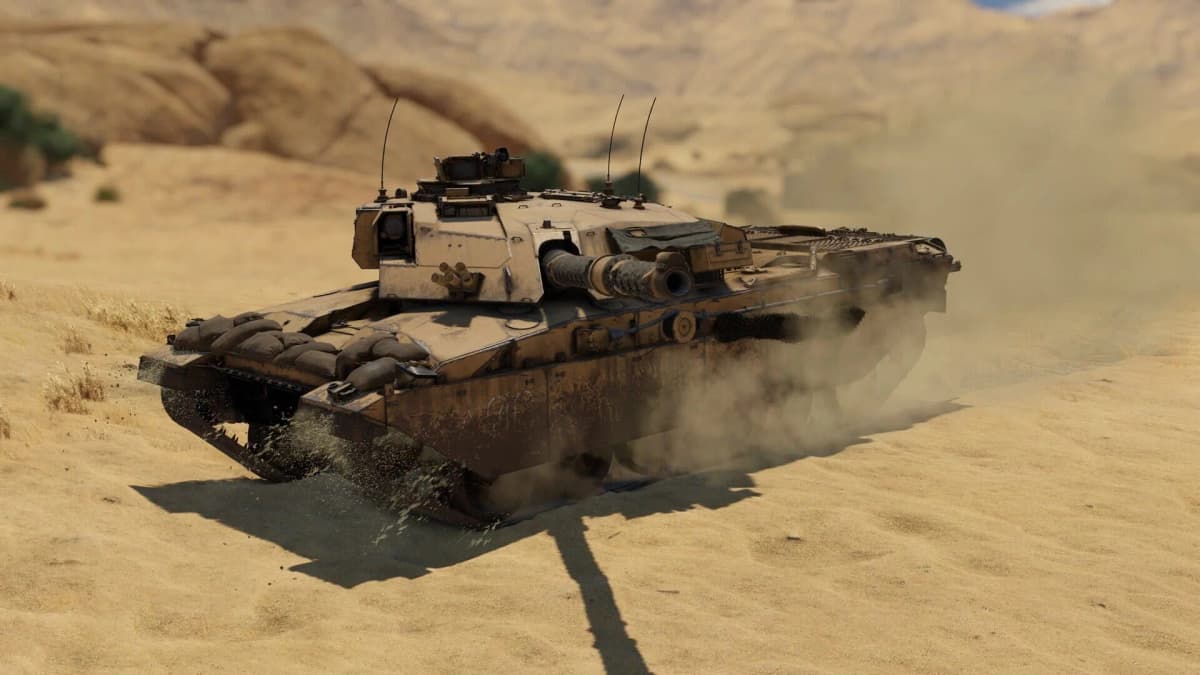
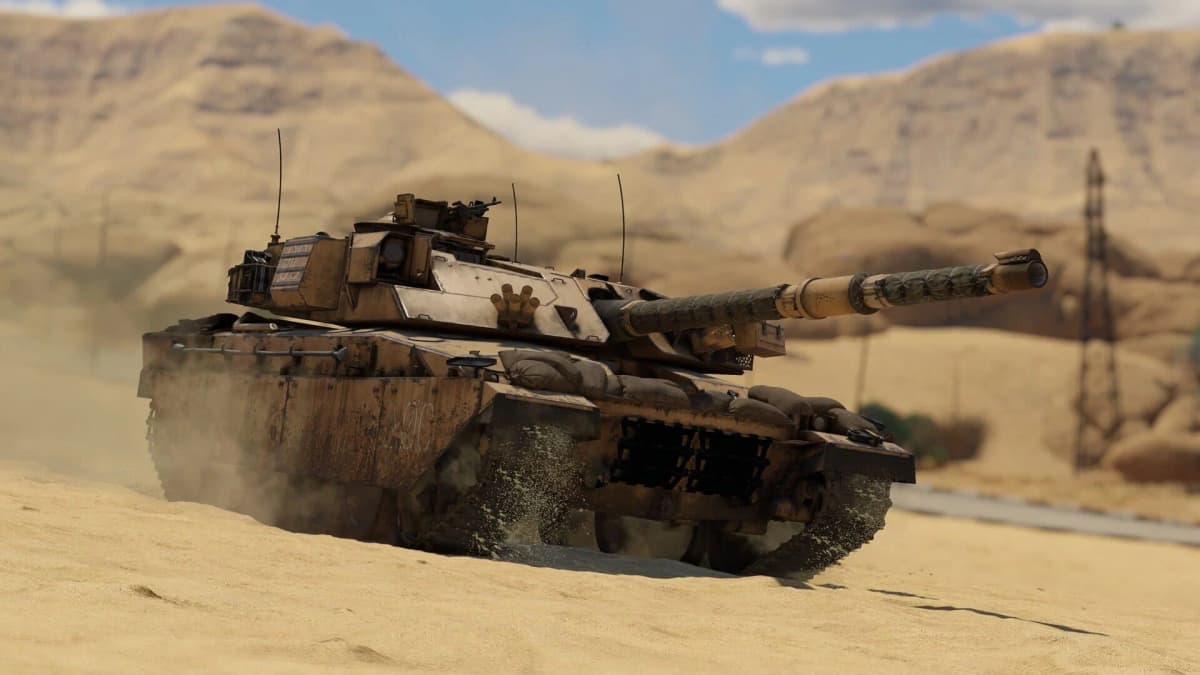
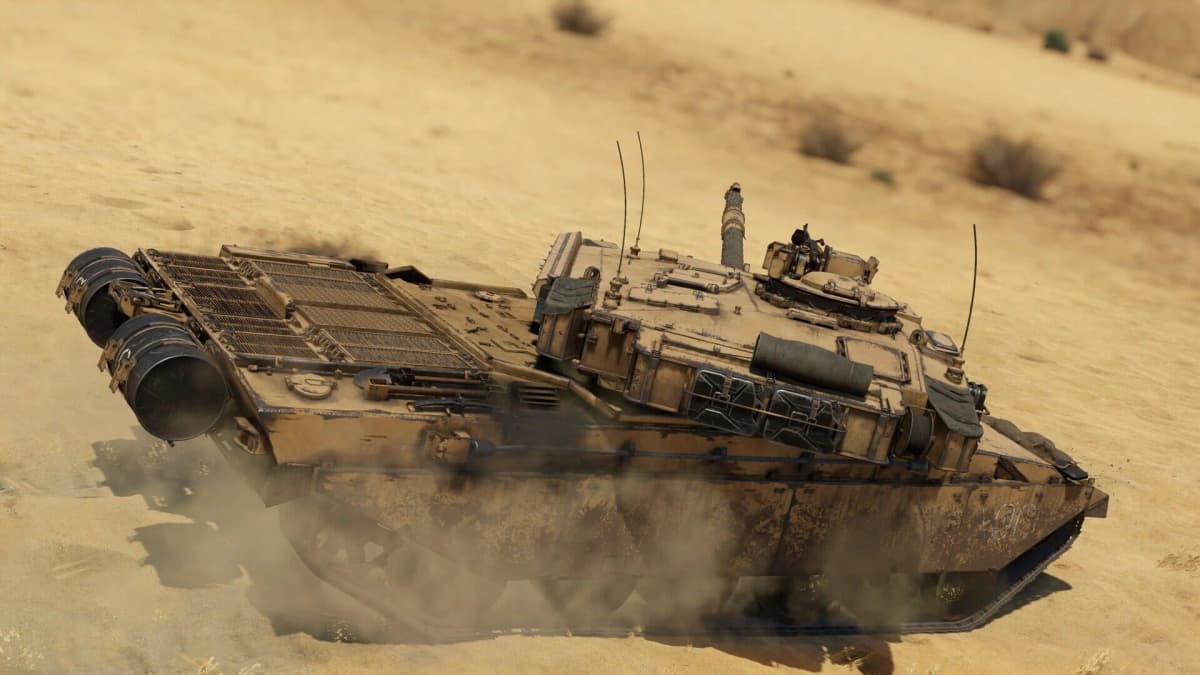
War Thunder is not some indie hobby project. Gaijin’s current Ninth Wave update—due mid‑March—adds Rank IX jets like the F/A‑18F and Su‑30SM2, rebuilds classic maps with “modern graphics standards,” and generally pushes the simulation’s fidelity higher. Steam posts previewing high‑end systems like the Pantsir‑SM‑SV show the developer is rolling out detailed modern hardware models and effects. The commercial push toward ever more accurate aircraft, ships, and weapon effects makes it easier for viewers to misidentify game footage as real, especially when shots are cropped, compressed, or reposted without context.
The uncomfortable observation no press release will say
Gamers and verification teams have been warning about this for years. ARMA 3 clips were repeatedly misused in prior conflicts; Bohemia Interactive even published a guide to spotting ARMA fakes after that game’s footage was repurposed in 2023. But the problem has metastasized: photorealistic engines plus accessible editing tools and generative AI mean it’s now easy to tweak simulated footage into something that looks plausible in a specific real‑world narrative. That’s a boon for attention-seeking actors and a hazard when tensions with actual kinetic consequences are high.
What to watch next
- AFP follow‑ups and any formal statement from Gaijin confirming the precise asset used. Gaijin’s PR already said the clip “looks like” War Thunder; a detailed confirmation would close the loop.
- Whether Greg Abbott or other officials issue a correction after deleting the post. Track any reposts or new context added to the original shares.
- Coverage from Pentagon or Iranian officials about alleged strikes—independent on‑the‑record confirmations remain the only reliable signal of real action.
- How Gaijin and other milsim developers respond in policy terms (e.g., flagging public videos as in‑game, or offering verification advice), and how platforms handle monetization of generative war content.
- The Ninth Wave release mid‑March. The update’s modern visuals will improve the game, but also raise the baseline for potential misuse of footage.
The internet has always been lousy at distinguishing simulation from reality when the image suits someone’s agenda. What changed is the fidelity and the speed of amplification. A lively community thread and a PR email are enough to debunk one clip—yet the political damage is already done when elected officials use that clip as shorthand for a real victory. That’s the real story: photorealism plus political opportunism creates a misinformation multiplier, and the next time it happens there may be fewer clues that the image is fake.
TL;DR
A viral clip shared by Gov. Greg Abbott was traced by AFP and Gaijin to likely War Thunder footage featuring WWII‑era models, not a modern U.S.–Iran engagement. War Thunder’s push toward higher fidelity—via its Ninth Wave update—makes game footage easier to mistake for real combat. Watch for formal confirmations from Gaijin or independent reporting; the bigger risk is political amplification of realistic milsim videos amid a rising tide of AI‑assisted misinformation.
FinalBoss // Gear
Level up your setup
01Top-rated gaming headsetson Amazon→02High-refresh gaming monitorson Amazon→03Gaming chairson Amazon→04Discounted game keyson Kinguin→Affiliate links · As an Amazon Associate, FinalBoss earns from qualifying purchases.
Want to Level Up Your Gaming?
Get access to exclusive strategies, hidden tips, and pro-level insights that we don't share publicly.
Ultimate Gaming Strategy Guide + Weekly Pro Tips