
Table of Contents (7)
Why Active Matter Caught My Eye
Active Matter is pitching a cocktail I didn’t realize I missed: hardcore military gunplay with acrobatic movement, all inside “quantum unstable zones” that morph mid-fight. As someone who splits time between Tarkov’s sweaty extractions and Titanfall 2’s blissful wall-running, this premise lands squarely in my Venn diagram of pain and joy. The hook is strong. But marrying milsim realism to parkour is a tough design problem, and the devil will be in the details.
- Realistic weapons and tactics meet wall-running and slides-if tuned well, that’s fresh territory.
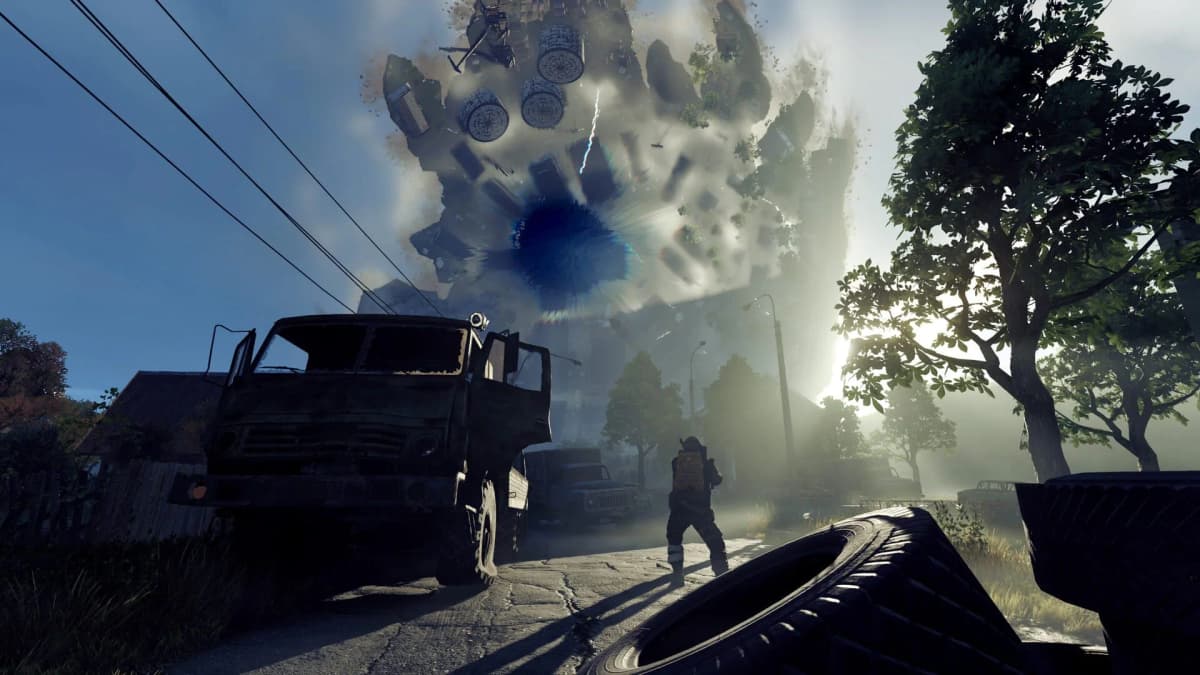
- “Quantum unstable zones” could evolve firefights organically-or devolve into chaos if not readable.
- Closed version launches first via Gaijin; full release planned on Steam next year.
- Success hinges on netcode, audio clarity, and how movement interacts with time-to-kill.
Breaking Down the Announcement
The pitch: small-squad gunfights across dynamic battlegrounds where reality itself flexes. You’ll sprint, slide, and wall-run while competing for a dimension-bending resource-active matter. That suggests an extraction-style loop (enter, complete objectives, leave with loot), but the messaging leaves some wiggle room. The big design swing is mixing grounded ballistics with high-mobility traversal. Get the balance wrong and either the guns feel like peashooters while players parkour past danger, or the time-to-kill is so quick that wall-running becomes a flashy death sentence.
The “quantum unstable zones” could be the X-factor. If they produce readable, telegraphed changes—shifted cover, temporary low-grav pockets, or corridors that open/close—you get dynamic problem-solving and spicy improvisation. If they’re random or visually noisy, they’ll just punish players for engaging. Competitive shooters live or die on predictability and legibility; even chaos has to be learnable.
The Gamer’s Perspective: Movement Meets Milsim
Hardcore shooters tend to worship inertia, stamina management, and sound discipline. Movement shooters prize fluidity and expression. Active Matter wants both. That’s not impossible, but it is rare. A few design questions I’ll be looking to answer the second I load in:
- Time-to-kill and armor: If TTK is low and armor meaningful, how often will aggressive parkour actually win fights?
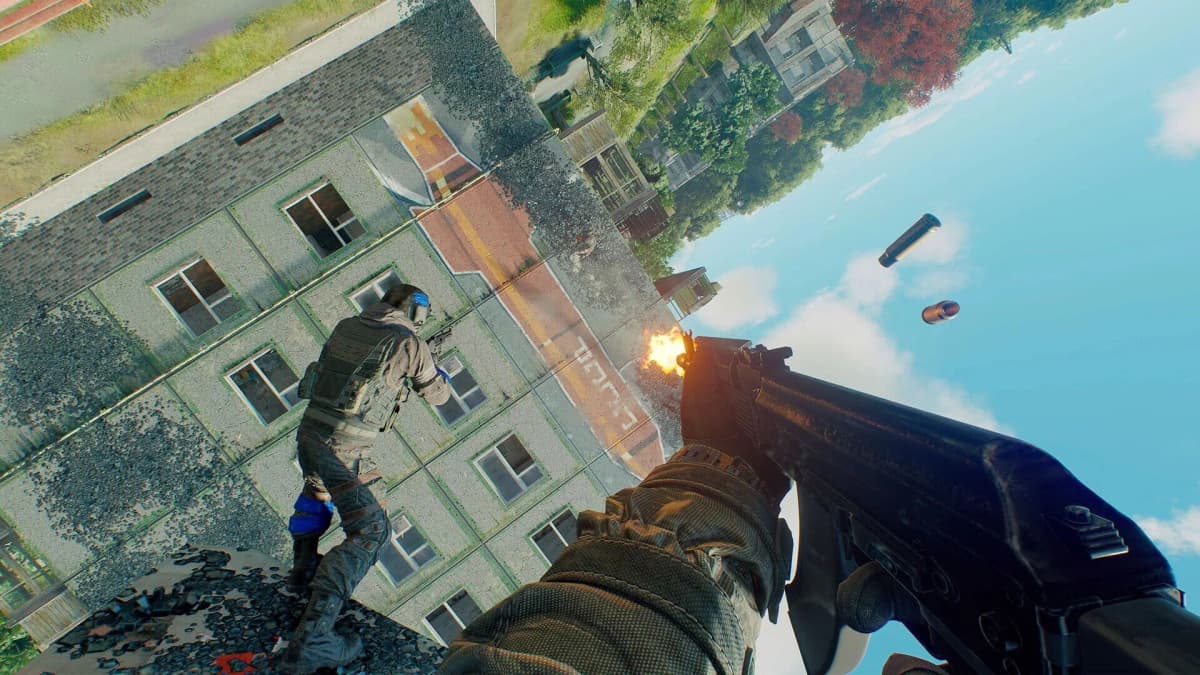
- Gun handling vs. motion: Can you maintain muzzle control and sight picture while wall-running, or is mobility for repositioning only?
- Audio hierarchy: With sliding and wall kicks, can footsteps still communicate intent and distance without becoming a jumble?
- Map verticality: Are there curated routes that reward skill, or is the whole space abusable? Smart lanes beat open paintball arenas.
If Active Matter hits the sweet spot—think the weight and gunfeel of a milsim with the decision trees of a movement shooter—it could stand out in a genre full of slow, punishing grinds. The fantasy of chaining a slide-cancel into a wall-run flank before a clean two-tap is powerful. But if the meta devolves into bunny-hopping lasers or corner-camping beyond belief, it’ll hemorrhage players fast.
Industry Context: Early Access via Gaijin, Steam Later
The closed version will be sold through publisher Gaijin first, with a full release expected on Steam next year. Gaijin knows live-service shooters (War Thunder, Enlisted), so the infrastructure and patch cadence shouldn’t be new territory. The flip side: launcher exclusivity for the early phase means fracturing friends lists and another account in your pile. If there’s one ask from day one, it’s clear communication on wipes, progression carryover, and server regions. Extraction-style games burn goodwill fast if early adopters feel like QA testers with no long-term perks.
Also: cheating. High-skill, high-TTK games with valuable loot are magnets for bad actors. If Active Matter leans into precision gunfights and movement tech, it needs strong anti-cheat, robust reporting, and frequent ban waves. Players will forgive balance patches; they won’t forgive dying to a silent aimbot after a 25-minute run.
What This Changes if It Works
For years, extraction shooters have skewed toward slow, gear-fear tension. Active Matter aims to inject momentum and expressive play without abandoning realism. If it sticks the landing, expect copycats—and a split in the genre between “methodical milsim” and “tactical movement.” It could be to Tarkov what The Finals was to arena shooters: a pace reset with enough mechanical identity to earn its own lane.
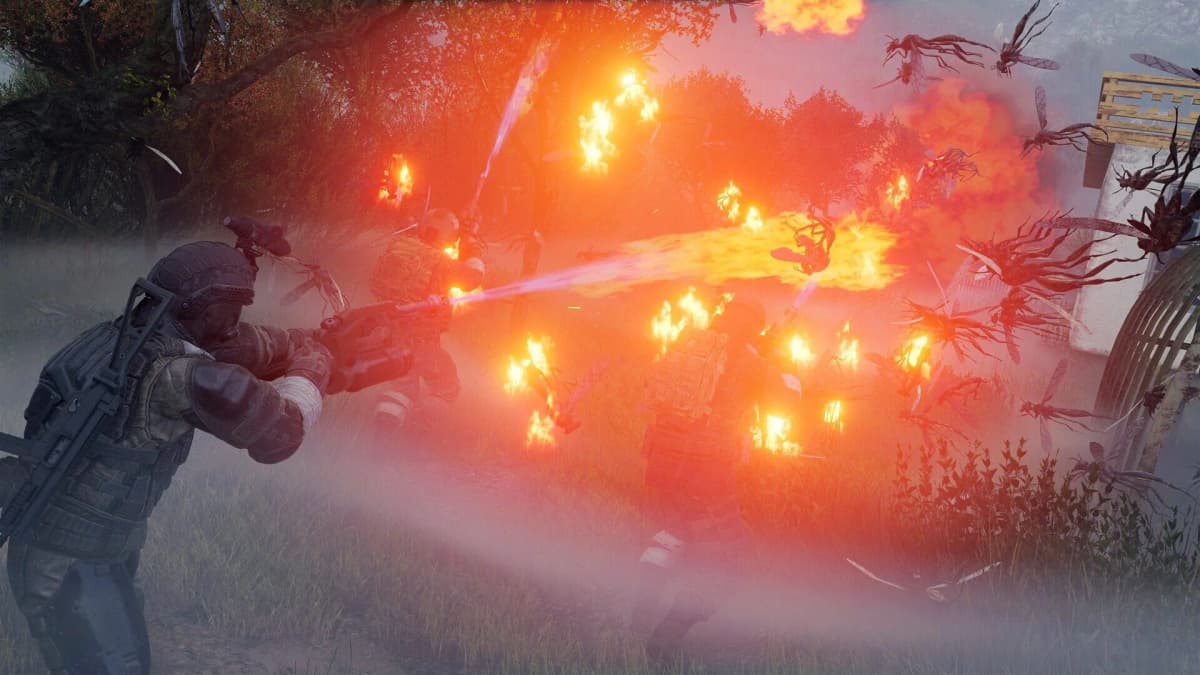
I’m cautiously optimistic. The concept is cool, the sci-fi framing gives permission for playful level design, and the movement promises skill ceiling. But I want to see proof in three places: stable hit registration under high speed, readable quantum events, and audio that preserves stealth play. Nail those, and you’ve got a contender—especially once it hits Steam and opens the floodgates.
What to Watch in the Closed Build
- Netcode and tick rate under heavy movement and verticality.
- How often “quantum” shifts help or hinder tactical reads.
- Progression clarity: wipes, carryover to Steam, and early adopter bonuses.
- Loadout flexibility: realistic ballistics balanced with tools that support mobility.
- Server regions, queue times, and anti-cheat responsiveness.
TL;DR
Active Matter wants to blend Tarkov’s tension with Titanfall-style movement in dynamic, reality-bending arenas. It’s an exciting pitch headed to a Gaijin-sold closed version first, then Steam next year. If the devs nail netcode, audio clarity, and the balance between lethality and mobility, this could be the first extraction-style shooter where wall-running isn’t a meme—it’s the meta.
FinalBoss // Gear
Level up your setup
01Top-rated gaming headsetson Amazon→02High-refresh gaming monitorson Amazon→03Gaming chairson Amazon→04Discounted game keyson Kinguin→Affiliate links · As an Amazon Associate, FinalBoss earns from qualifying purchases.