
Why the new Devil May Cry season matters more than a release date
Netflix’s May 12, 2026 release date and the new images are the easy headlines — but the real news is creative. Showrunner Adi Shankar has openly rejected the idea of a safe, “more of the same” follow-up. He’s promising unpredictability and a Dante who moves “closer to his game form,” and that’s not idle PR bluster. It’s a conscious decision to treat this anime like a film-franchise sequel instead of comfort-food TV, and that choice changes what every fan should expect from season 2.
- Netflix confirmed Devil May Cry season 2 drops May 12, 2026, and released imagery riffing on Devil May Cry 3.
- Showrunner Adi Shankar says he wants a non-formulaic, more game-faithful Dante; he warned against “comfort food” sequels.
- Season 1’s quick renewal and critical momentum gave Netflix latitude to let Shankar swing for the fences.
- Capcom has not issued a detailed public comment on how canonical this adaptation will be.
Table of Contents (10)
Who’s who, in case you skipped the lore lesson
Quick definitions so we’re all on the same page: Dante is the franchise’s fast-talking demon hunter and the series’ icon; Vergil is his twin brother and frequent foil; Mundus is a major demonic antagonist in the Devil May Cry (DMC) mythos. “Fanservice” is shorthand for material meant to please longtime fans by directly referencing beloved moments or aesthetics from the games — that can be great when done well, cheap when it’s not. When I say “closer to his game form,” I mean the swagger, combat-minded persona, and visual cues that many players associate with Dante, especially in Devil May Cry 3, which the new promo art clearly nods to.
Shankar is making this messy — and that seems deliberate
Adi Shankar’s line — “I dislike when successful shows turn into comfort food” — isn’t just a soundbite. It frames a production philosophy. In the rollout for season 2 (via Netflix’s press release and the official Netflix Geeked posts), Shankar promises Dante’s evolution across “varying stages of growth,” and a season that will avoid neat, episodic checklists. That’s a direct response to how season 1 landed: critics and many viewers praised its quieter character work and subtext, while others felt the Dante on screen lacked the swagger and brutality of his game counterpart.
That split matters. If you make a sequel aimed at pleasing the loudest subset of fans, you risk hollow nostalgia. If you swing the other way and chase spectacle or canonical beats, you risk alienating viewers who liked the show’s subtler choices. Shankar is openly choosing swing-for-the-fences territory — which is exciting, because it means the show could do something consequential rather than just replicate season 1’s formula.
Why Netflix can afford to be bolder this time
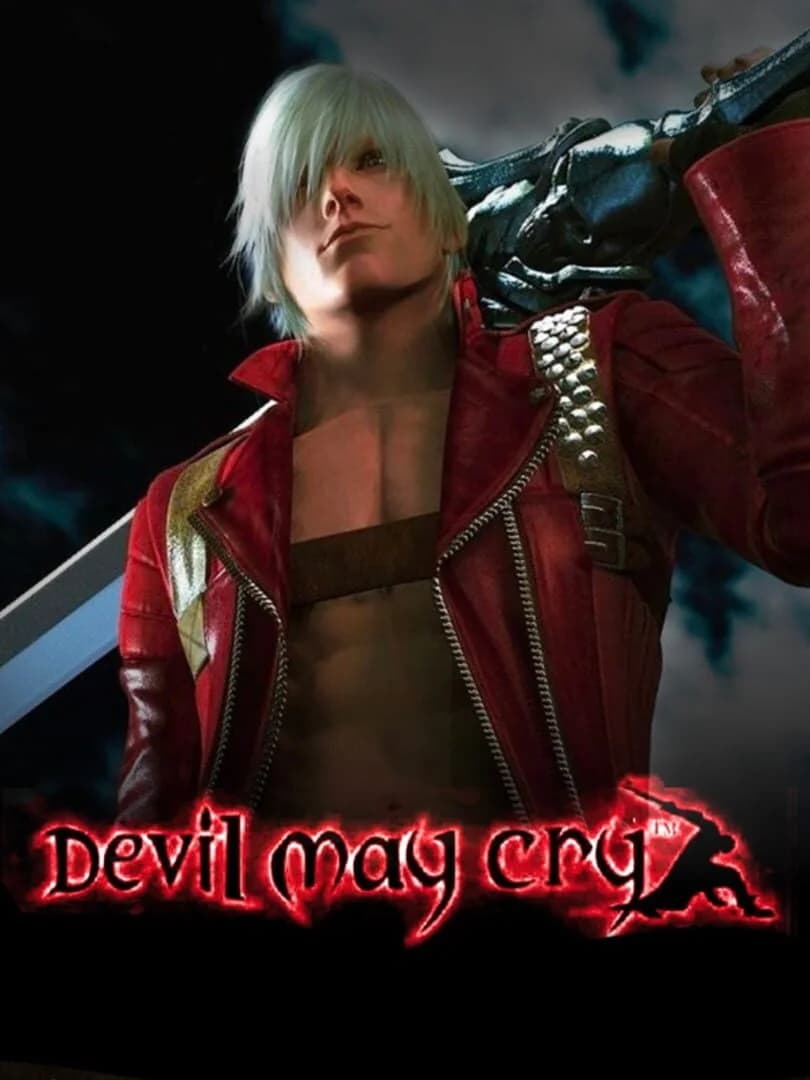
Season 1 premiered in April 2025 and, critically, the show earned strong early reviews and a rapid renewal. That gave Netflix leverage: when a platform sees an audience and good critic momentum, it’s more willing to grant creators latitude — bigger set pieces, tonal shifts, and structural experiments — because the brand value is proven. In practical terms, that’s why we’re seeing imagery that leans directly on DMC3 nostalgia (a Dante poster echoing the DMC3 cover and a Vergil tease) instead of the safer, more original designs Netflix used to introduce new properties.
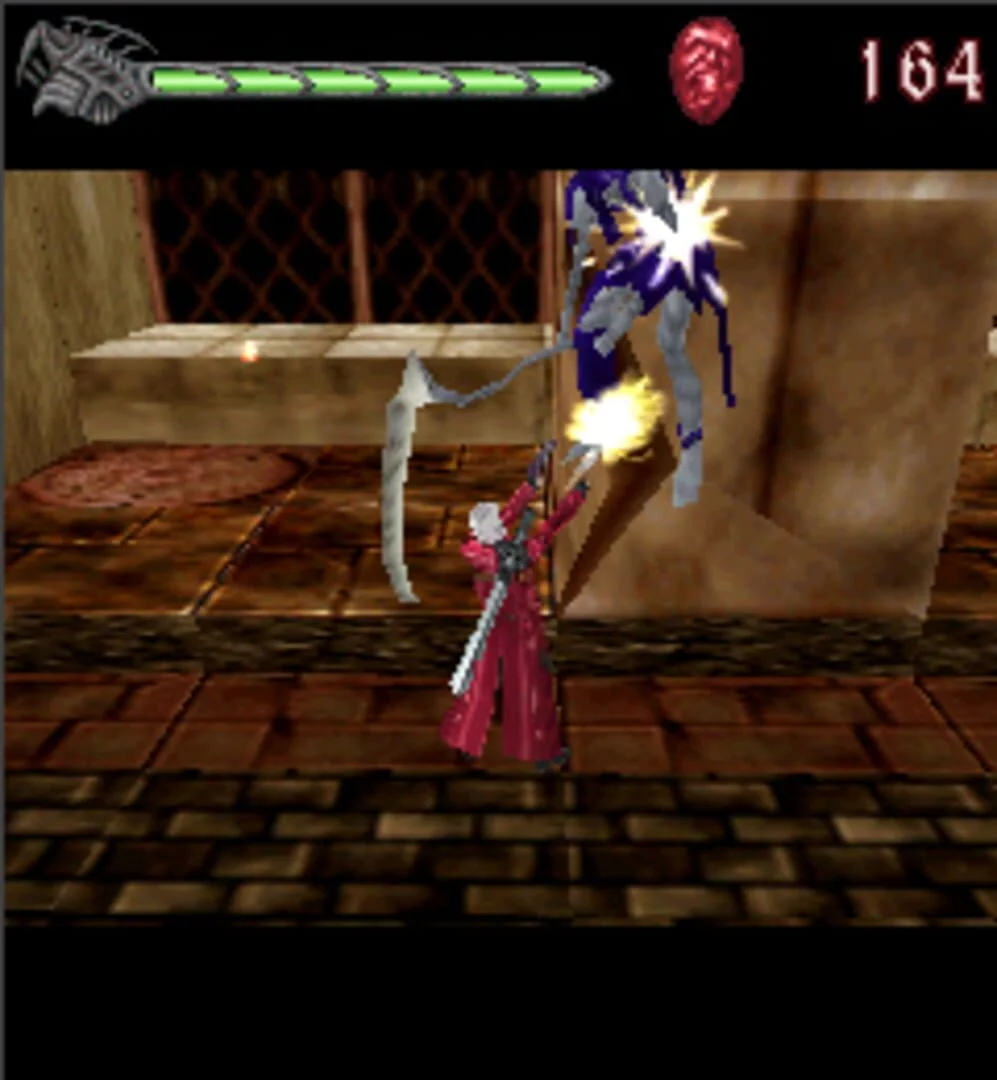
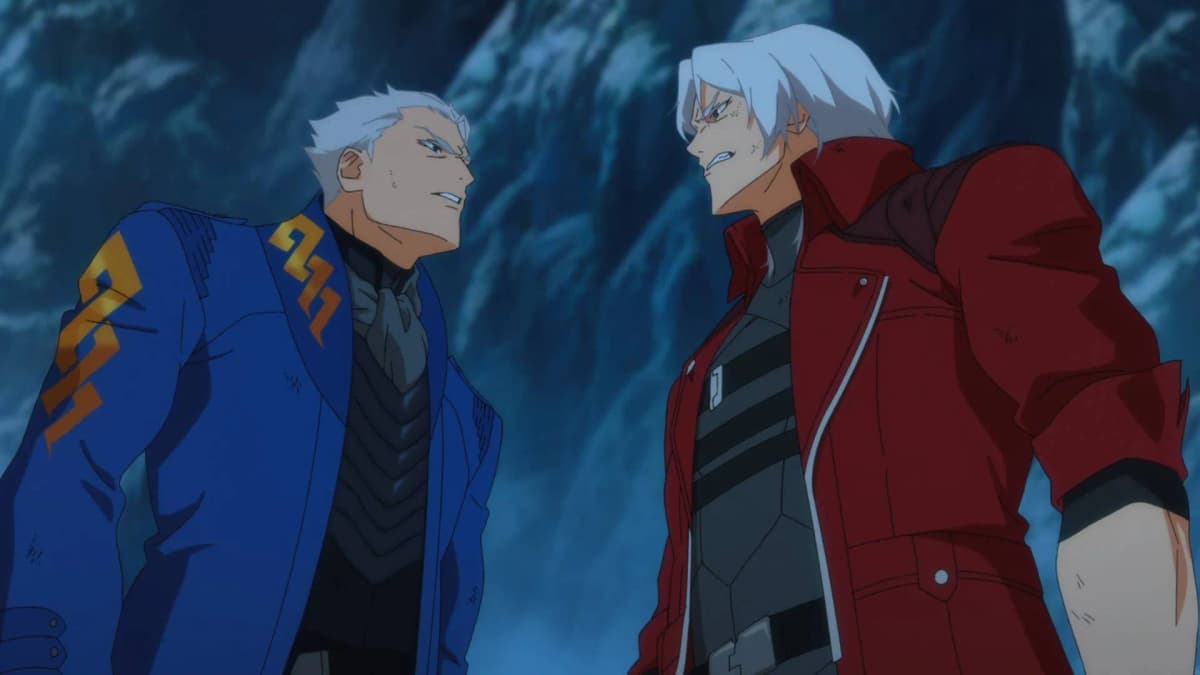
Of course, bigger swings require bigger budgets and creative trust. Netflix’s official copy and Geeked hashtag posts are promoting the May 12 date and teasing a “heart-warming family reunion” poster while also showing Vergil as an ominous force tied to Mundus. Those are deliberate narrative signals: the showrunner is telling fans he’s moving the show’s emotional and action stakes in a specific direction.
Nostalgia as a scalpel, not a bandaid
The new visuals are less a wink than a scalpel: they’re precisely aimed at where many fans feel the franchise peaked — DMC3-era Dante. That’s smart. Nostalgia can be a powerful tool when it helps re-center a story’s identity and stakes. But it’s risky if it’s only surface-level: if the show swaps in a few iconic poses and jokes without earning the larger narrative or tonal shift, it will feel cynical.
The better outcome is one where nods to DMC3 are integrated into a broader reorientation of the series’ voice and pacing — where Dante’s attitude and fight choreography match the swagger we expect, but the plot still surprises us. Shankar’s rhetoric suggests he wants the former: more of the game’s energy, not just the game’s poster art.
Comparisons from Netflix’s game-to-screen playbook
This kind of midstream tonal pivot isn’t unique to Devil May Cry. Look at Castlevania on Netflix: what began as a tighter, gothic revenge tale expanded into broader lore, higher spectacle, and larger-scale stakes across later seasons once the show proved its audience — with praise for ambition and occasional critique for pacing. Arcane (based on Riot’s League of Legends) is another useful example: it doubled down on cinematic production values and distinct storytelling voice, and the payoff was awards attention and a cultural moment that went beyond its origin as a game tie-in.
Those case studies show both paths: a bold pivot can raise a show into something culturally significant (Arcane) or deepen fan enjoyment and scale (Castlevania), but it can also attract new critiques as the narrative scope grows. That’s the tightrope Shankar is walking: chase cinematic escalation and you might win new audiences and prestige; stay too safe and you’ll be called inert; go too far toward fanservice and you’ll alienate those who liked the show’s original tone.
Where Capcom fits (or doesn’t) — and why it matters
One conspicuous absence in the rollout is Capcom. The production narrative right now is dominated by Shankar and Netflix messaging; I found no public, detailed statement from Capcom explaining how canonical this adaptation is or how involved the studio has been in creative choices. That doesn’t mean Capcom is uninvolved internally — it only means there’s no public record at the moment.
Why does that matter? Because “closer to his game form” can mean very different things: surface-level visual fidelity and attitude, or plot-level fidelity to character arcs like Vergil’s descent and Mundus’ role in the lore. If Capcom is hands-off, the show becomes primarily Shankar’s vision; if Capcom is heavily involved, Shankar’s unpredictability could still be modulated by franchise continuity concerns. Fans who care about canon will be watching for any official Capcom statement or credits that indicate deeper creative involvement.
Questions I’d ask the PR rep — and what to watch after May 12
- How involved is Capcom in season 2’s story and character decisions? Are they consulting on tone, plot beats, or only on IP clearance?
- When Shankar says “film-franchise,” does that mean higher-budget action set pieces, a different narrative structure across seasons, or both?
- Will Netflix schedule early critic screenings to test whether the unpredictability landed, or will viewers see the season all at once on May 12?
Practically, watch for three signals after release: any official Capcom statement (or continued silence); early critic reactions and movement on review aggregators like Rotten Tomatoes; and the fan conversation on X (formerly Twitter) and Reddit about whether Vergil’s introduction and Dante’s “game form” actually materialize in tone and action. Also check the credits and casting usage: Johnny Yong Bosch’s involvement was teased earlier (in a September 2024 teaser trailer), and how returning voice talent are used will reveal whether the show is leaning into familiar beats or rewriting them.
Possible outcomes and what they would mean
There are a few realistic arcs this season could take:
- It smartly integrates DMC3 nostalgia with earned character growth: That gives fans the feel they wanted while keeping narrative surprises intact. Best-case — the show becomes a cultural talking point and justifies the “film-franchise” framing.
- It leans too heavily on fanservice and bombast: You get flashy set pieces and callbacks but shallow storytelling. That will please some viewers briefly and annoy those who liked season 1’s subtler beats.
- It becomes a muddled compromise: tonal whiplash between subtle drama and big action sequences. That risks splitting the audience further and diluting the show’s identity.
Given Shankar’s stated intent and Netflix’s willingness to back larger swings after early success, I’m cautiously optimistic we’ll see the first or second outcome. The deciding factor will be whether nostalgia is used to deepen the narrative or to paper over it.
TL;DR
Netflix drops Devil May Cry season 2 on May 12 with images teasing Vergil and a Dante that leans on Devil May Cry 3 swagger. Showrunner Adi Shankar has explicitly rejected formulaic sequels, aiming for an unpredictable, film-franchise-style follow-up — a high-risk, high-reward move. The clearest signals to watch: any Capcom involvement, early critic responses, and fan reaction to Vergil’s debut and Dante’s “game form.”
Conclusion
This season is about stakes — creative ones. Netflix and Adi Shankar are betting that a bolder, less predictable approach will pay off by delivering a version of Dante that feels worth caring about again. Whether that gamble becomes the defining moment for the show or an unwelcome swerve will be clear once viewers and critics digest May 12’s episodes and Capcom either speaks up or stays silent.
FinalBoss // Gear
Level up your setup
01Top-rated gaming headsetson Amazon→02High-refresh gaming monitorson Amazon→03Gaming chairson Amazon→04Discounted game keyson Kinguin→Affiliate links · As an Amazon Associate, FinalBoss earns from qualifying purchases.
Want to Level Up Your Gaming?
Get access to exclusive strategies, hidden tips, and pro-level insights that we don't share publicly.
Ultimate Gaming Strategy Guide + Weekly Pro Tips