
Aether and Iron puts turn-based car chases in a floating 1939 NYC — and it might actually work
Game intel
Aether and Iron
Immerse yourself in this narrative RPG set in an alternate 1930s where anti-gravitational technology has taken cars, roads, and even New York City into the sky…
Dice, engines, and a city in the clouds
Aether and Iron caught my attention for one simple reason: it promises something I haven’t really seen before. Not just an allohistorical 1939 New York floating on anti-gravity tech (very BioShock Infinite), but a turn-based RPG where the headline set piece is a fast-feeling car chase. That’s a bold swing for Seismic Squirrel’s debut, and it’s the kind of weird, specific idea I want more studios to chase.
- Dice-led RPG systems (2d6) with Brass, Hustle, and Smarts skill checks guide conversations and outcomes.
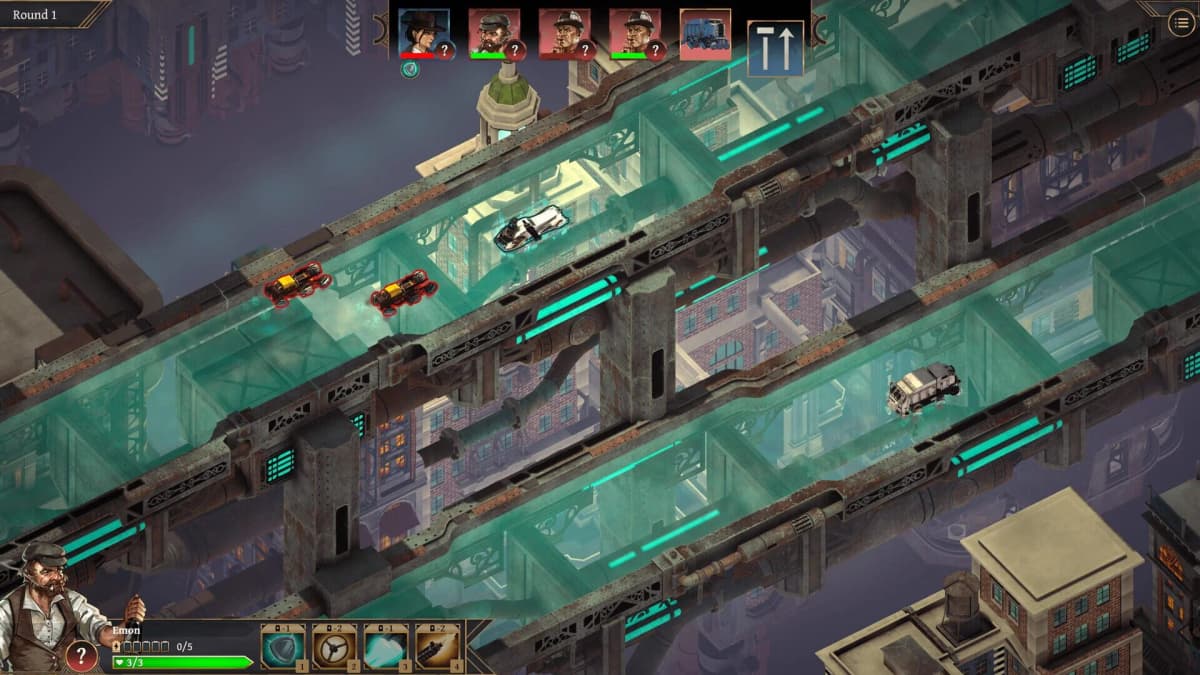
- Top-down, lane-based vehicle combat aims to feel like a real car chase despite being turn-based.
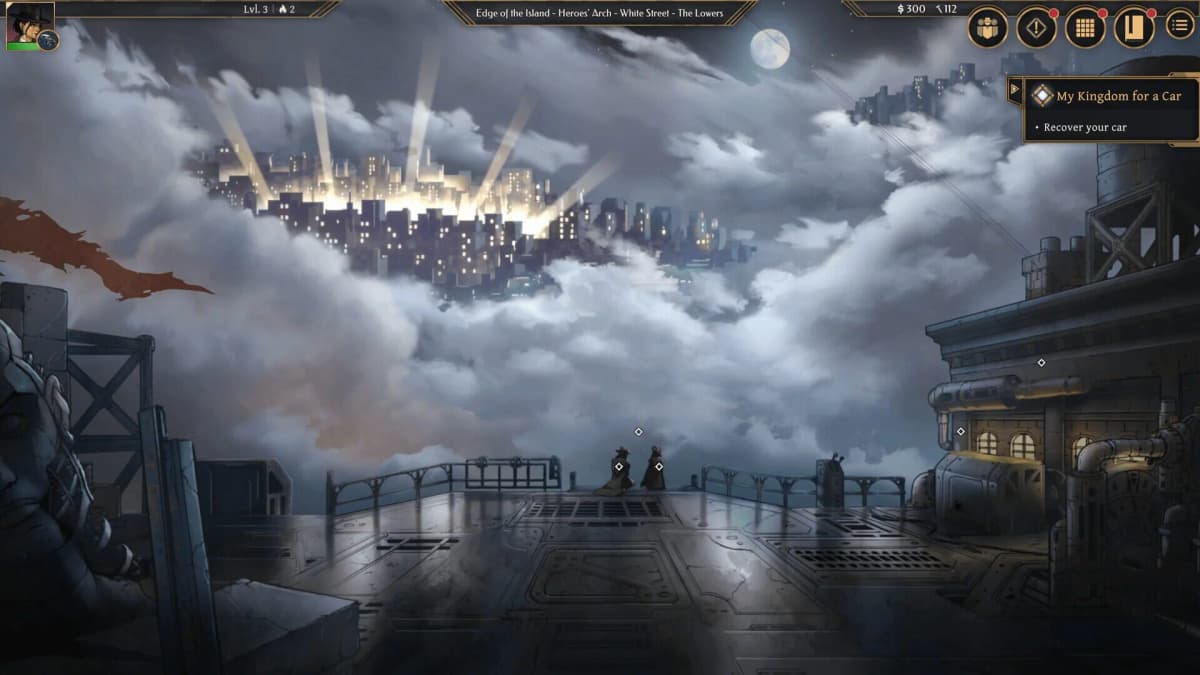
- Branching narrative with recruitable companions set in an art-deco, anti-gravity 1939 NYC.
- Slated for 2026; BioShock Infinite vibes with tabletop DNA closer to Baldur’s Gate 3 and Into the Breach.
Breaking down the pitch
You play as Gia, a seasoned smuggler with a silver tongue (if you spec that way). Every major action leans on two six-sided dice and three core skills: Brass (force), Hustle (coercion and charm), and Smarts (analysis). If you’ve rolled your way through Baldur’s Gate 3, you know the drill-embrace the RNG or rage against it. The early setup pairs Gia with Nellie, a seemingly innocent scientist who wants to visit the slums below a city that’s literally hovering above the world. It’s pulp noir with a gleaming art-deco finish and the faint smell of oil and ozone.
The choices push the butterfly effect angle hard-press Nellie about her past and she pulls away; flex on locals and they’ll remember. I’m all for consequence tracking, but anyone who’s been burned by “every choice matters” marketing knows the difference between real forks and flavor text. If Seismic Squirrel can land actual narrative permutations (not just different lines on the same railroad), that’ll be a big win.
Turn-based car chases: the real swing
The combat flips to a top-down view with multiple lanes, civilian traffic, hazards, and a surprising amount of positional jostling. You fire from the trunk, get nudged into different spaces, and plan around incoming lane closures and barriers. The trick is feel-turn-based usually screams tanks and mechs, not fender-to-fender heat. The team cites Into the Breach as inspiration, which makes sense: known information, telegraphed danger, clever positioning—just swap kaiju for Packards.
Producer Joshua Enz frames the intent clearly: “We wanted to do vehicle combat… like a run-and-gun mobster [film], but in a turn-based environment… it does feel like you’re moving fast and shooting, but also you get to think about your next move.” That’s the line to watch. If the system can deliver snap and clarity without devolving into puzzle-locks or chaos RNG, it could carve out a fresh subgenre—vehicular tactics with speed in its veins.
There’s also the promise of deep car customization—speed tuning and weapon upgrades. As someone who can lose an evening tweaking differentials in Forza, I’m fully prepared to live in the workshop, but only if the builds meaningfully change tactics. Give me a slippery interceptor that thrives on lane-switching and hazard baiting, or a bruiser that shoulder-checks enemies into barricades. If the choices are just flat stat bumps, that’ll be a missed opportunity.
Why this matters now
BG3 made dice sexy again, and suddenly we’re seeing more RPGs embrace visible rolls and honest probabilities instead of hiding the math. Pair that with a hunger for distinct settings (not more medieval mud) and Aether and Iron’s floating 1939 feels well-timed. We’ve seen art-deco cities with dirty secrets before, but marrying that aesthetic with tabletop-style decisions and vehicular tactics is a genuinely new flavor. The Strange Horticulture comparison tracks too—quirky systems meshing with narrative rather than being bolted on.
Skeptic mode: the questions that need answers
Dice fairness. Two d6s curve toward the middle—great for predictable odds, bad if difficulty classes are tuned to spike failures for drama. Will there be advantage-like modifiers, builds that mitigate whiffs, or fail-forward design so a bad roll creates interesting complications instead of hard-stopping quests?
Chase readability. “Fast-feeling” turn-based combat lives or dies on UI clarity. Telegraphs need to be unmistakable, hazards legible at a glance, and inputs snappy on both controller and mouse. If I’m pausing to parse icons every turn, the illusion of speed breaks.
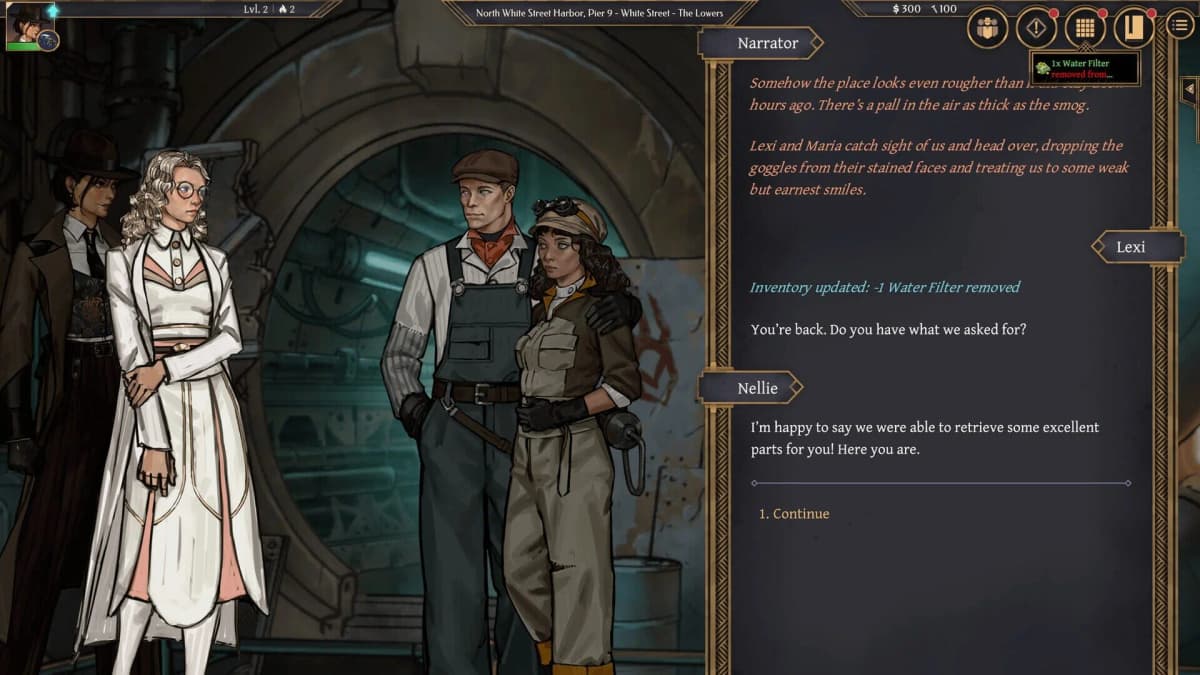
Branching narrative vs. scope. It’s an indie project aiming for 2026. Multiple companions and meaningful divergence are expensive in writing, VO, and QA. I’d rather have a tightly reactive core arc than endless promises. Show us one mission with radically different outcomes that echo for hours—that’s enough to prove the point.
Build depth without grind. Car customization needs more than DPS races. Give me tradeoffs—heat buildup vs. burst damage, grip vs. lane agility, armor vs. turning radius—and enemies that force me to rethink my kit.
What gamers should watch for
– A public demo that shows a full chase encounter from setup to escape or capture, with multiple viable approaches.
– Transparent dice tuning: visible DCs, re-roll mechanics, and whether fail-forward storytelling is a design pillar.
– Accessibility options: colorblind-friendly hazard markers, speed toggles for turn animations, and input remapping.
– Companion interplay that actually alters mission routes and car roles—don’t just make them stat sticks.
– Performance in busy scenes; turning a city of floating lanes into readable combat spaces is no small feat.
TL;DR
Aether and Iron aims to blend dicey RPG conversations with turn-based car chases in a floating, art-deco 1939 New York. If the team nails readable, snappy vehicular tactics and delivers real narrative consequences, this could be one of 2026’s standout indies. I’m cautiously excited—and yes, already eyeing the garage.