
Table of Contents (15)
Updated Guide: PS5 vs Xbox Series X for RPGs in 2024-2025 – Lived-In, Not Theoretical
I didn’t sit down to write a hardware spec sheet. I did what any unhealthy RPG addict would do: I spent months bouncing between my PS5 and Xbox Series X, losing weekends to Baldur’s Gate 3, beating my head against Demon’s Souls bosses, and fast-travel spamming across the Lands Between in Elden Ring. Somewhere between a 3 a.m. run in The Witcher 3 and a lazy Game Pass scroll, it hit me: these two boxes feel very different as RPG machines, even when they’re technically similar.
This isn’t a neutral “both are great, pick what you like” cop‑out. I have a clear preference depending on the kind of RPG fan you are. But which console “wins” actually changed for me over time, and not in the way I expected back when I unboxed them.
Quick Takeaways for Impatient RPG Gremlins
- If you live for big cinematic RPGs and JRPG exclusives: PS5 feels like home.
- If you want an endless RPG backlog and crazy value: Xbox Series X quietly dominates.
- Performance in most cross-platform RPGs is very close; tiny wins lean Xbox, immersion wins lean PS5.
- Backwards compatibility and subscriptions matter more than raw teraflops for RPGs in 2025.
Let’s talk about what it’s actually like to live with each box as your main RPG machine, not just what the spec tables say.
My Setup & What I Actually Care About in RPGs
Context first. I’m playing on a 55″ 4K OLED, both consoles wired in, performance mode whenever I can get 60 FPS, quality mode if the frame rate holds and the game leans cinematic. I care about three things more than anything else in RPGs:
- World feel – loading, streaming, how often the game rips me out of immersion.
- Story & systems – do I actually want to sink 80+ hours into this world?
- Comfort over long sessions – controller feel, UI, and how annoying it is to hop between games.
On paper, both consoles are close: 8‑core AMD CPUs, 16 GB GDDR6 RAM, ray tracing, up to 120 FPS. Xbox Series X edges ahead on raw GPU power (around 12 TFLOPS to PS5’s ~10.3) and base storage (1 TB vs 825 GB), while PS5 gambles on a custom SSD design and some very clever controller tricks.
In practice, that translates less to “this one is obviously more powerful” and more to “this one fits certain RPG habits better.”
First Weeks Swapping Between Consoles: Load Times, Menus, and Annoyances
The first thing that jumped out at me wasn’t graphics. It was how fast I could get back to the damn game.
On PS5, jumping back into Demon’s Souls after a wipe is almost comically quick. I’d die to some blue‑eyed knight nonsense, mash “continue,” and I’d be back at the archstone before my frustration could even fully load in my brain. Same with Final Fantasy XVI: fast travel between zones is just… gone in a blink. It really does help you stay in that “one more quest” spiral.
Xbox Series X is no slouch either. Loading up a save in Baldur’s Gate 3 or The Witcher 3 Complete Edition is fast enough that I never felt like I needed to pull out my phone. Where Xbox actually surprised me more was Quick Resume. I could have BG3, Starfield, and some old 360 RPG all suspended and hop between them without fully closing anything.
Example: I was mid‑act in Baldur’s Gate 3, hit a brutal fight, got annoyed, swapped straight to an old save of Dragon Age: Origins via backward compatibility to scratch that party‑based itch, and then came back to BG3 right where I left off. No fuss, no reload. PS5 can juggle games decently, but it doesn’t have anything as smooth or reliable as Quick Resume for RPG hopping.
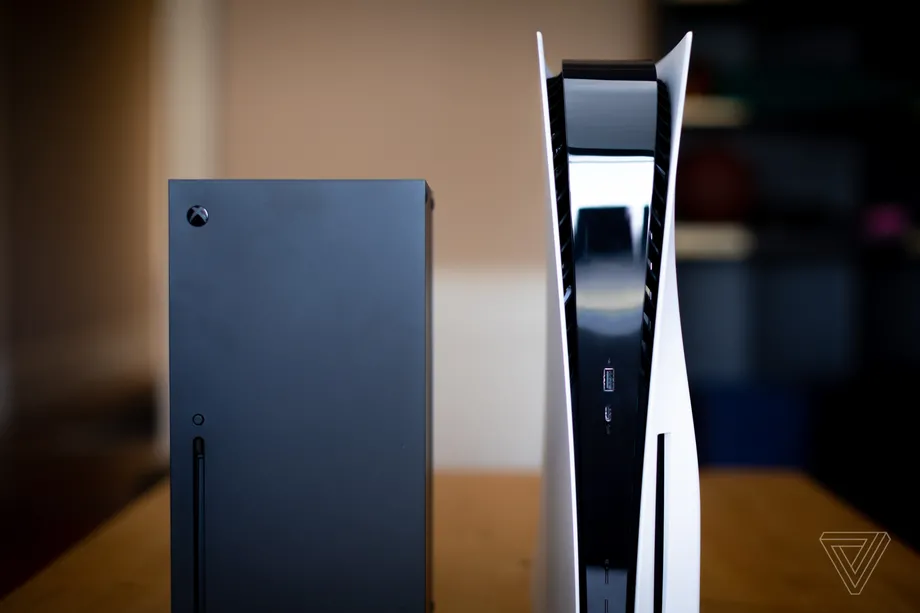
So early impression was:
- PS5: King of “I died, let me retry instantly.”
- Xbox Series X: King of “I’m playing three RPGs at once like a lunatic.”
Exclusive RPG Experiences: Where Each Box Actually Feels Special
When I bought both consoles, I assumed this category would be an easy win for PS5. And honestly, for now, it still is if you care about big, polished, story‑driven RPGs.
On PS5, my RPG‑adjacent rotation looked like this:
- God of War Ragnarök – more action‑adventure than pure RPG, but with enough character building, gear, and side quests that it might as well count. Playing it on PS5 with the DualSense made axe throws and shield blocks feel absurdly tactile. The adaptive triggers when you wind up the Leviathan Axe never got old.
- Demon’s Souls (remake) – this is still one of the best arguments for PS5 as an RPG machine. It looks viciously good, runs smoothly, and the nearly instant respawns soften the usual Souls-like punishment just enough that I kept queueing up “one more” run.
- Final Fantasy XVI – full send into action combat, but its spectacle and PS5‑first optimization makes it feel like a “this is what next‑gen RPGs look like” moment. The camera shakes, haptics, and spell effects are tuned to Sony’s box in a way you can tell was deliberate.
- Persona 5 Royal (PS5 version) – technically a last‑gen game, but those load time cuts and 60 FPS make a huge difference when you’re living in menus and bouncing around Tokyo for dozens of hours.
On Xbox, the current exclusive or heavily Xbox‑leaning RPG story is more about what’s coming and what’s on Game Pass than “right now, must‑play exclusives.”
- Avowed (upcoming) looks like Obsidian doing a first‑person fantasy answer to Skyrim with more reactive quests. On paper, it’s the kind of deep, systems‑heavy RPG that fits Xbox’s audience perfectly.
- The Outer Worlds 2 is another one I’m practically waiting by the door for. If it leans into player choice and weird faction design the way the first did, with Series X‑level performance, that’s a serious feather in the cap.
- On the horizon, Xbox also benefits from multi‑platform big hitters like Assassin’s Creed Shadows and Crimson Desert, which will of course be on PS5 too.
Right now, though, the PS5 simply feels like the machine you buy if you want prestige, cinematic, tightly curated single‑player RPG experiences out of the box. Xbox is gearing up to answer that, but if you’re shopping today, PS5’s head start is real.
Cross-Platform RPGs: Where the Fight Is Actually Close
Most of the games that ate my life are on both systems. This is where the debate gets interesting, because raw GPU numbers and SSD talk finally meet reality.
Some RPGs I put serious time into on both consoles:
- Baldur’s Gate 3
- Elden Ring
- The Witcher 3: Wild Hunt – Complete Edition
- Clair Obscur: Expedition 33 (preview sessions / early access style builds)
Here’s the pattern I kept seeing:
- Frame rates: In 60 FPS performance modes, Xbox Series X usually has a slight edge in stability. In Elden Ring, for example, busy areas like Leyndell and Caelid run a hair smoother on Series X, but the difference is small enough that you really have to stare at frame data to care.
- Resolution & visuals: Both machines do 4K/60 targets with similar visual settings. If there’s a win, it tends to be on Series X in tiny resolution bumps or less aggressive dynamic scaling, but in motion it’s basically a wash.
- Load times: PS5 tends to get you from main menu to save a touch faster, especially in games that were clearly optimized with its SSD in mind. Fast travel in Elden Ring or hopping between acts in Baldur’s Gate 3 is just a bit snappier on PS5, but again, nothing night‑and‑day.
Where PS5 does carve out an actual experience advantage is the controller.
In Baldur’s Gate 3, the DualSense haptics subtly react when you select spells, take damage, or move across different terrain. It’s not game‑changing, but it adds another layer of “I’m there at the table with this party.” In The Witcher 3, drawing your steel sword vs silver has different tactile feedback, and casting signs has a little kick that matches each spell’s vibe.
On Xbox, the Series X controller feels safer: familiar, comfortable, and really easy to use for long sessions, especially with that offset stick layout. But it doesn’t try to turn combat or traversal into a tactile event the way DualSense does. If you’re the type to notice rumble patterns and adaptive trigger tension, PS5 wins on immersion. If you just want a rock‑solid pad that doesn’t overthink things, Xbox is the chill option.
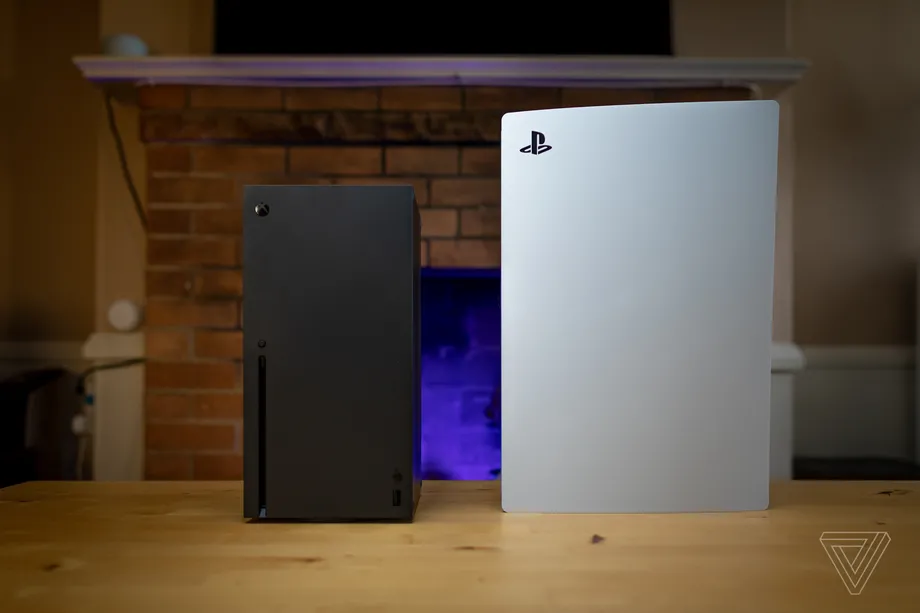
Subscriptions, Backlog Anxiety, and Why Game Pass Changed My Habits
Here’s where the “which console is better for RPGs?” question honestly flipped for me over months of use: subscriptions and backward compatibility.
On Xbox Series X, Game Pass Ultimate is kind of absurd if you’re an RPG grazer. At various points my sub gave me:
- The Outer Worlds
- Multiple Yakuza / Like a Dragon entries
- A pile of indie and AA RPGs I’d never have bought outright
- An easy on‑ramp to older backwards‑compatible RPGs from the Xbox 360 era
The way this changed my behavior was simple: instead of agonizing over whether a 7/10‑looking RPG was “worth it” at full price, I’d just download it on Game Pass and try it. That’s how I ended up sinking hours into smaller, experimental stuff between bigger epics. The value proposition for RPG fans who like to sample widely is ridiculous.
PlayStation Plus Extra/Premium on PS5 is solid, but it feels more curated and less wild. You get genuine bangers on there – Persona 5 Royal, older Final Fantasy titles, some Souls‑likes, and a handful of PS4‑era RPG gems. But day‑one drops are rarer, and the overall library leans more “handpicked highlights” than “here’s a firehose of things to try.”
If you’re a one‑or‑two‑RPGs‑a‑year person, that might not matter much. If you’re the type who treats RPGs like a buffet, dabbling in ten different character creators a year, Xbox’s ecosystem starts to feel like cheating.
Backward Compatibility: Your Old Saves Matter More Than You Think
One night I decided I wanted to replay Lost Odyssey. On PS5, that’s basically a non‑starter without streaming or digging into older hardware. On Xbox Series X, I popped in my old disc, downloaded the enhanced version, and I was off, enjoying higher resolution and steadier frame rates than it ever had on 360.
That experience repeats a lot:
- Xbox Series X: plays Xbox One, 360, and original Xbox titles, many with boosts. Your western RPG history – Fable, early Elder Scrolls, old Fallout, BioWare’s golden age – lives here with surprisingly little friction.
- PS5: does PS4 backwards compatibility very well, so your Bloodborne, Persona 5, Final Fantasy VII Remake, and so on are safe. Beyond that, you’re in streaming/emulation territory with a much patchier selection.
If you’ve got a deep JRPG history on older PlayStation systems, PS5 sadly doesn’t tap into that nearly as gracefully as Xbox does with its legacy library. For western RPG nostalgia, Xbox is a treasure chest. For PS4‑era and modern Japanese RPGs, PS5 still feels like the better lineage… but it could have been so much more.
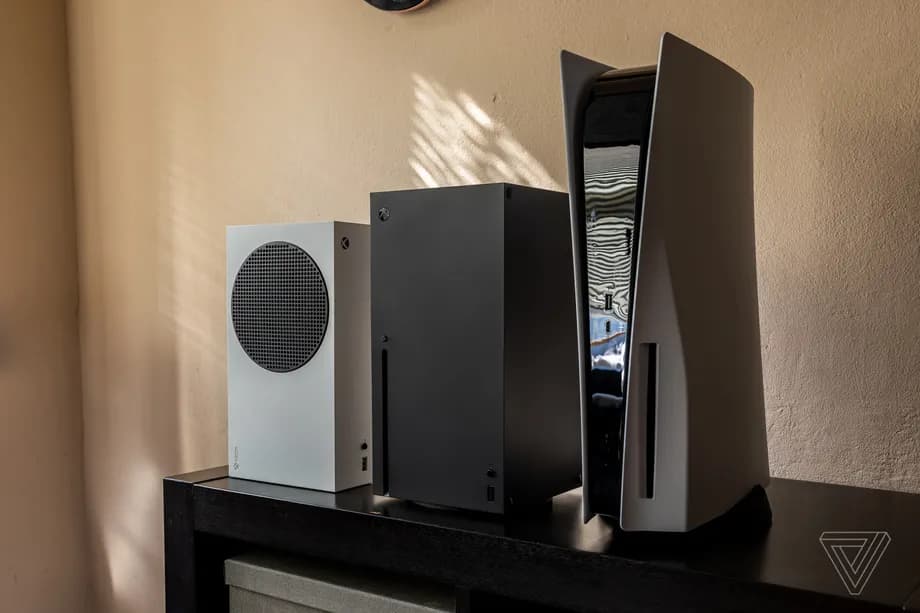
Storage, Massive Installs, and the Boring Stuff That Actually Hurts
RPGs are huge. Final Fantasy XVI, Baldur’s Gate 3, modern Assassin’s Creed entries, Crimson Desert on the horizon – we’re casually talking 80–150 GB installs now.
Here’s the reality:
- Xbox Series X: ships with a 1 TB SSD, which after system stuff leaves you a bit more breathing room than PS5. You’ll still want extra storage eventually, but I hit that wall slower on Xbox.
- PS5: starts at 825 GB, and modern RPGs melt that pretty fast. The upside is that expanding storage with a third‑party NVMe drive is straightforward if you’re comfortable popping a panel.
Functionally, both consoles push you toward extra SSDs if you’re deep into RPGs, because this genre loves 4K textures and voice packs. It’s just one of those quiet, annoying realities of being an RPG‑only player in 2025: you are going to start playing inventory management with your internal storage sooner than you’d like.
The Next Two Years: Shadows, Deserts, and Obsidian Worlds
Looking forward to 2025–2026, both consoles have plenty to keep RPG fans busy:
- Assassin’s Creed Shadows – Feudal Japan, dual protagonists, dynamic seasons that actually affect stealth and combat. It’s multiplatform, but you know both consoles will push their 4K/60 modes hard.
- Crimson Desert – big, messy open‑world RPG energy, likely a visual showpiece on both PS5 and Series X.
- Avowed – Xbox’s potential crown jewel for deep, reactive single‑player RPGs.
- Clair Obscur: Expedition 33 – that weird, stylish turn‑based/JRPG hybrid with Souls‑like timing that has “cult hit” written all over it, coming to both.
- The next Witcher down the line – when that lands, both consoles are absolutely getting a slice.
From what we know so far, I don’t see a future where one console absolutely smokes the other on raw performance. The more interesting question will keep being: where are these games cheaper or easier to play, and which library do they plug into better? On that front, Sony leans on “buy the prestige RPG full price, enjoy the spectacle,” while Microsoft leans on “here’s another massive RPG on your sub, have fun.”
So Which Console Is Better for RPGs in 2024–2025?
After a frankly irresponsible amount of time with both, here’s how I’d break it down.
Pick PS5 If:
- You care most about prestige, cinematic single‑player RPGs and action‑RPG hybrids.
- Demon’s Souls, Final Fantasy XVI, God of War Ragnarök, and Persona 5 Royal are your kind of comfort food.
- Immersion tricks like DualSense haptics and adaptive triggers matter to you.
- You’re mostly playing modern stuff and PS4‑era RPGs, not digging deep into older Xbox 360‑era western RPGs.
Pick Xbox Series X If:
- You want the widest RPG library per dollar thanks to Game Pass.
- You like to graze: try ten RPGs for a few hours instead of marrying one game for months.
- You care about backward compatibility and revisiting older western RPGs with better performance.
- You want slightly more stable performance in cross‑platform RPGs and don’t care about fancy rumble.
If I had to crown one “best RPG box” for most people purely on practicality and value, I’d honestly lean Xbox Series X. Game Pass plus that backward‑compatible library is just too strong if role‑playing games are your main thing.
But if we’re talking about where I had my favorite RPG moments – the goosebump cutscenes, the “holy hell, this feels next‑gen” boss fights – that award still goes to PS5, off the back of its exclusives and that ridiculous controller.
Put bluntly: if you can only afford one and you’re obsessed with value and variety, go Xbox. If you buy maybe three or four big games a year and want them to feel as premium and immersive as possible, go PS5.
Bottom Line & Rating
Rating a console as an “RPG machine” is weird, but here’s where I land after living with both:
- PS5 as an RPG experience: 9.0 / 10
Incredible exclusives, best‑in‑class immersion thanks to DualSense and speedy loading, slightly let down by weaker backward compatibility and subscription value. - Xbox Series X as an RPG experience: 9.2 / 10
Marginally better performance in many cross‑platform RPGs, huge value via Game Pass, and stellar backward compatibility. Lacks a few of the prestige, cinematic RPG showpieces you’ll find on PS5… for now.
The good news? There’s no wrong answer. The bad news? If you’re as deep into RPGs as I am, you’re going to look at this and start working out how to justify owning both.
TL;DR – PS5 vs Xbox Series X for RPG Fans
- Both consoles run modern RPGs beautifully; performance differences are usually minor.
- PS5 wins at immersive, cinematic RPG experiences and has the stronger exclusive lineup right now.
- Xbox Series X wins at value, backward compatibility, and library size for RPG junkies.
- DualSense makes RPG combat and exploration feel more physical; Xbox’s pad wins on long‑term comfort.
- If you play a few big RPGs a year and love Sony’s franchises, get a PS5. If you devour RPGs and want endless variety for a subscription fee, get an Xbox Series X.
FinalBoss // Gear
Level up your setup
01Best-selling Xbox Series X|S gameson Amazon→02Xbox controllerson Amazon→03Top-rated gaming headsetson Amazon→04Discounted game keyson Kinguin→Affiliate links · As an Amazon Associate, FinalBoss earns from qualifying purchases.
Want to Level Up Your Gaming?
Get access to exclusive strategies, hidden tips, and pro-level insights that we don't share publicly.
Ultimate Reviews Strategy Guide + Weekly Pro Tips