
After 21 Years, Bloodlines Returns — But Is It Really Bloodlines?
Game intel
Vampire: The Masquerade – Bloodlines 2
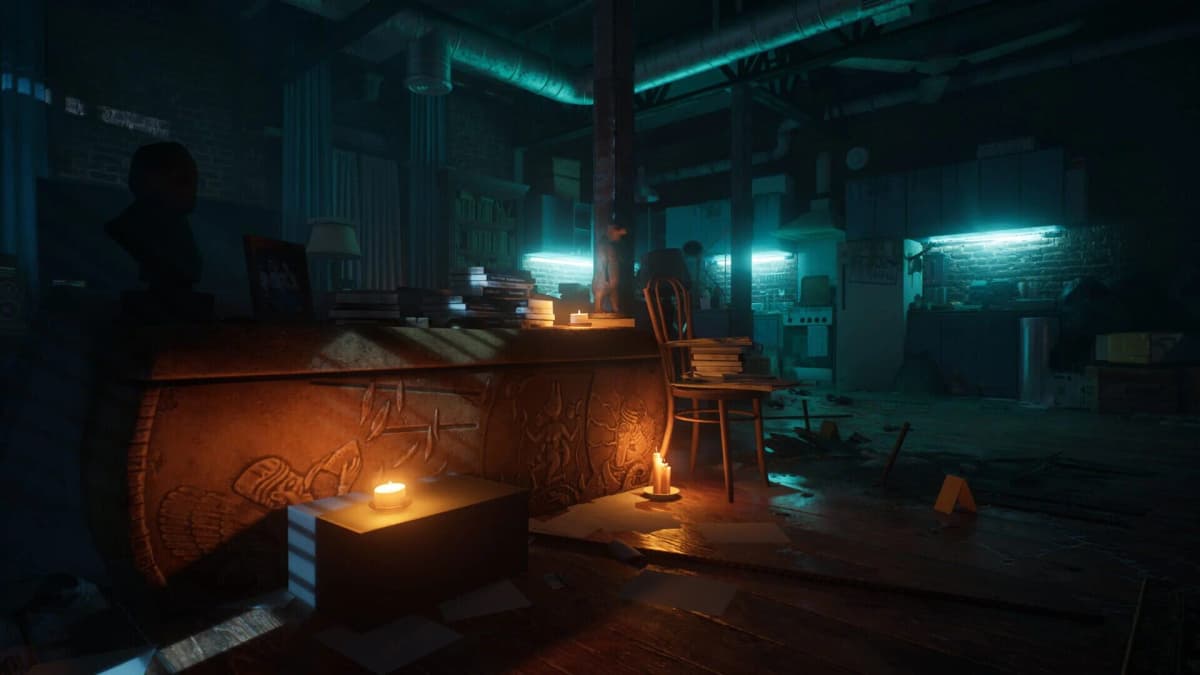
Santa Monica Memories is a cosmetic pack with iconic items, with a Stop Sign, Voerman Portrait, and Ankaran Sarcophagus, to decorate your haven. Each time you…
After 21 Years, Bloodlines Returns – But Is It Really Bloodlines?
We finally got Vampire: The Masquerade – Bloodlines 2, and my first reaction wasn’t joy-it was a hard wince. After two decades of waiting and a development saga that could fill a Jeff Grubb book, we’ve landed at a “Mixed” Steam rating (around 56% positive at the time of writing) with a respectable 27,000 peak players on day one. Those numbers tell a familiar story: the franchise still has real pull, but the game itself isn’t what many of us were hoping for. I’ve been neck-deep in the World of Darkness since Troika’s 2004 cult classic, and this caught my attention because the original’s legacy is reactivity, role-play depth, and messy brilliance. Bloodlines 2, at launch, feels more like VTM: Seattle than a true sequel.
Key Takeaways
- “Spiritual sequel” framing shows: there’s little connective tissue to Bloodlines 1 beyond lore nods and cameos.
- PC basics are lacking-limited settings (yes, motion blur you can’t disable) and no manual saves are baffling for a $60/£50 RPG.
- Standout characters exist, but combat is clumsy and progression shallow, undercutting replayability.
- The Chinese Room’s narrative chops show through, but the RPG systems feel half-baked—patches could help, not transform.
Breaking Down the Launch Reality
Let’s be blunt: performance and options are the first boss here, and they’re overtuned. Even if you scrape past the optimization issues, the settings menu is shockingly barebones for a PC-first audience in 2025. The inability to disable motion blur is a classic immersion killer, and the lack of manual saves is a deal-breaker for many—especially in a game about choices, consequences, and testing different builds. It reads as console-forward design decisions that didn’t get the PC pass they needed.
On the gameplay side, combat feels messy rather than chaotic in a fun, vampiric way. Encounters often devolve into animation soup, and the progression system doesn’t give you that satisfying escalation of power or identity you expect from a faction-driven RPG. You can spot flashes of greatness in character writing (the chatty Malkavian Fabien is already a community favorite), but those moments run headfirst into pacing issues and a story that never quite sinks its fangs in. When the best beats become blockers on the sprint to credits, something’s off in the structural design.
The Name Problem: Calling It “Bloodlines” Sets Expectations
This is the crux. The Chinese Room has been clear that this is a “spiritual sequel,” and you can feel that in every design decision. The connective tissue to the original—lore snippets, winks, maybe a familiar face—plays more like collectible nostalgia than true narrative continuity. For players who lived through Santa Monica’s grimy alleys and the ocean house terror, a Bloodlines sequel implies reactivity, build expression, and the sense that your clan choice rewires the entire playthrough. Here, that promise is muted. It’s not that the writing’s bad—it isn’t. It’s that the scaffolding around it is too thin for the name it’s wearing.
This mismatch shows in community sentiment. Steam users are calling it “Bloodlines in name only,” and it’s hard to argue when the core systems don’t meaningfully echo the first game’s identity. If you label your dish as the classic, the seasoning has to be familiar—even if the recipe is new.
Want to Level Up Your Gaming?
Get access to exclusive strategies, hidden tips, and pro-level insights that we don't share publicly.
Ultimate Gaming Strategy Guide + Weekly Pro Tips
The Chinese Room Factor: Strength in Story, Strain in Systems
I’ve followed The Chinese Room for years—Dear Esther and Everybody’s Gone to the Rapture put them on the map for atmospheric narrative, and Still Wakes the Deep proved they can do tension and place better than most. But crunchy, reactive RPG systems and satisfying combat loops? That’s not their historical lane. Combine that with Bloodlines 2’s notoriously turbulent development—originally with Hardsuit Labs, then a handoff and a reboot—and it’s little surprise the finished product feels thematically strong but mechanically underbaked. Trying to salvage and ship a long-gestating RPG is Herculean; the seams show.
What Gamers Need to Know Right Now
If you’re a diehard World of Darkness fan, there’s enjoyment to be found in the characters and the vibe of Seattle’s vampiric underbelly. If you’re here for deep builds, high reactivity, and replay value that rivals Troika’s cult classic, temper expectations. The current PC feature set is spartan, the combat doesn’t sing, and progression barely hums. At $60/£50, the lack of manual saves and basic toggles is rough to swallow.
Could patches fix this? Partly. Performance, options (please, motion blur toggle), and some combat tuning are realistic targets for early updates. Two planned DLCs may add meat, but DLC won’t fix identity. The more meaningful question is whether the team commits to a roadmap that addresses core PC pain points and tightens systemic depth. That’s what would turn “Mixed” into “Mostly Positive.”
Looking Ahead
- Watch for a near-term patch adding manual saves and expanded graphics options—those are non-negotiable for PC credibility.
- Performance optimization will determine whether the 27k peak was curiosity or the start of a healthier tail.
- Design tweaks to combat and progression could boost replayability, especially if clan identity gets sharper mechanical teeth.
- If you bounced off at launch, revisit after a couple of patches or alongside the first DLC drop.
TL;DR
Bloodlines 2 has strong characters and a cool setting, but as a “Bloodlines” sequel it’s a swing that grazes. PC options are thin, performance is rough, and the systems don’t carry the narrative. Fans of the World of Darkness will find moments to savor, but most players should wait to see if patches bring this one to un-life.