
Another year, another Call of Duty… and I went in ready to roll my eyes. But 30 hours later-split across the four-player co-op campaign, the new PvE-only Endgame extraction mode, a messy but fascinating multiplayer suite, and a Zombies map with a literal upgradeable car-I’ve got a lot to say. Some of it’s glowing. Some of it had me muting my mic and grumbling. All of it feels very Black Ops in the “maxi best-of” way: a kitchen sink of ideas, some recycled, many polished, a few begging for a patch or two.
Table of Contents (11)
My first 30 minutes: gas, gravity, and a hard pivot from skepticism
I booted into the campaign with three friends on a weeknight, thinking I’d knock out a mission and call it. Within minutes, we inhaled a gas that turned the squad’s traumas into reality. The floor literally flipped on us in a twisted Los Angeles, a rain of machetes cleaved through alleys in Central America, and the whole mission unfolded like a lucid nightmare. It’s punchy, it’s pulpy, and it immediately felt built for four: split objectives, roomy arenas, and complementary abilities so we weren’t just four mirror-image soldiers spraying the same corners.
The first time I realized they really tuned this for co-op was when I popped a dome shield to keep the team upright while another friend grappled to a high window, and our fourth used a “mega jump” to clear a gap and flank. That dance-the layers of movement and roles—was the moment my skepticism cracked. “Oh. This thinks about four brains at once.”
Co-op campaign: great with friends, clunky alone
I ran the 11-mission campaign twice: once with a full squad (about five hours, barely noticed the clock), and then again solo to see if it held up. With friends, it’s a tight, varied roller coaster that occasionally leans on “blockbuster logic” for its story but earns the big moments anyway—especially the surreal “awake nightmare” stages where the world warps under your boots. The cooperative DNA is clear in its mission layouts: parallel objectives, multi-entry arenas, and a forgiving, permissive use of movement power-ups (grapple, mega jump, dome shield) that encourage experiments rather than punish them.
Played alone, it’s less kind. That enemy count tuned for a squad? It doesn’t scale in a way that ever felt right on my solo run. There’s no difficulty selection either, which means you’re stuck on a middle-of-the-road challenge curve that can feel like banging your head against a wall when a room spawns just a few too many heavies for a one-person push. Several times I fell into a tedious kite-and-peek rhythm, the kind of attrition fight that’s the opposite of what the movement system encourages. The campaign never becomes bad solo, but it often feels wrong—like eating a family-sized meal by yourself because the menu doesn’t have small plates.
It also recycles more than I’d like. Enemies pulled from Zombies show up in multiple campaign beats, and you pass through Endgame real estate often enough that I had “déjà vu” flashbacks. I didn’t mind mid-firefight—shiny is shiny when bullets fly—but it does blur the identity lines between modes.
Endgame PvE extraction: the DMZ/Zombies remix that won me over
Call it what it is: a PvE extraction mode with a light rogue-lite spin. The map (Mediterranean vibes, lots of skylines to wingsuit over) is carved into four difficulty tiers, and you’re never alone: roughly thirty other squads coexist, but they can’t hurt you. The only “interaction” is help—sometimes a blessing when an abomination stomps into your path. Die, and you lose progression. Extract, and you bank it. Rinse. Repeat. I rolled my eyes at first, because I’ve bounced off Call of Duty’s previous experiments in this space. Three hours later I was still doing “just one more run.”
The trick is the operator progression. Beyond your weapon, your soldier gains XP and levels, and each ding forces a binary choice: faster reload or snappier wingsuit control; beefier dome shield or longer grapple reach. It’s simple but sticky. After a dozen levels, you’ve effectively built a class, and I started keeping multiple operators “in the garage” for different vibes—one for raw speed, one for survivability. That operator-tied progression, not account-wide, quietly encourages you to experiment by stashing builds instead of respeccing the same character forever.
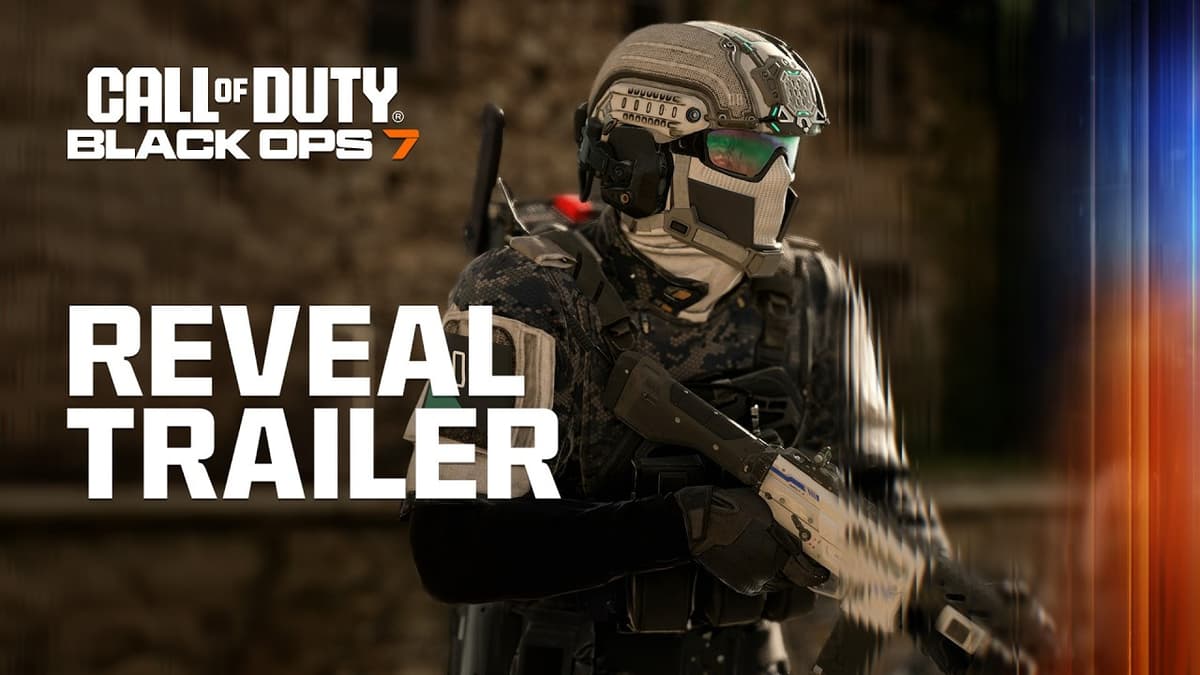
Two caveats. As you near the top, your movement speed gets cartoonish. One night I was sprinting and sliding so fast with stacked perks that a friend joked his game looked like it was on 1.25x playback. It’s funny… until you overshoot a ledge for the third time and zip straight into a miniboss. And those high-tier enemies? They skew toward Zombies imports that feel like HP cushions instead of smarter threats. It’s not that they hit cheap; they just tank forever, which turns some fights into ammo economy puzzles rather than skill checks.
Still, the loop works. My favorite run had us gliding from a church steeple, grappling onto a balcony, scooping an objective, and blasting a clean exfil while an enormous brute chased us through alleys. We almost ate it at the rope, then barely made the helo with slivers of health. When Endgame clicks, it’s pure “buddy heist” energy—coordinated, kinetic, and just dangerous enough to feel like you beat the system.
Multiplayer: omni-movement grows up with a walljump
Omni-movement returns from last year, and the new walljump slots into it nicely. It’s not a full-blown wallrun revival à la Black Ops 3; it’s a precise rebound you trigger with a second tap on jump after contacting a surface. In practice it’s a tool, not a lifestyle: a way to bounce into a window, adjust a line mid-air, or get that last inch to a flank you shouldn’t be able to make. Compared to the freer, floatier systems of Titanfall or BO3, this stays grounded. That’s a compliment. Black Ops 7 adds skill expression without breaking the pace for folks who stay on the floor.
Case in point: on Raid, I strung a slide-cancel into a walljump off the poolhouse, caught the ledge by the bedroom, and blipped a two-piece before dropping onto the point. It felt earned rather than cheesy. That’s the sweet spot.
Maps at launch skew close-quarters: 16 for 6v6 (13 new, plus Express, Raid, and Hijacked from Black Ops 2). Three-lane DNA, clear power positions, lots of mid-range sightlines that reward precise ARs or gutsy SMG pushes. I don’t love them as much as last year’s lineup aesthetically, but they flow well. The new modes are a mixed bag. Overcharge (a fast flag capture variant) meshes perfectly with the movement—messy fun, solid rotation decisions. Engagement, the 20v20 with vehicles and wingsuit drops, is chaos with a capital C. Objectives spawn and despawn, both teams respawn directly into fights from the sky, and the two maps are sliced from the Endgame zone, which means huge, open spaces. On Edge (the more vertical of the two), I had good moments controlling rooftops. On the other map, it often felt like everyone piled into a blender.
And yes—casual playlists ditch skill-based matchmaking. That decision absolutely changes the nightly texture. Some lobbies are sweat-fests because a demon with a sniper landed in your pool; others are breezy, goofy, “go for the clip” sessions. I expect the more competitive modes to wall off skill again, but for day-to-day MP, it’s a grab-bag. Personally, I liked not knowing what I’d get next. It reminds me of older COD nights, for better and worse.
Zombies: a bigger map, a modded car, and a straight shot between points
Ashes of the Damned is the headliner: larger than usual, with a car you can upgrade as the quest progresses. I was skeptical until the car changed how I played. Mobility, crowd control, resource management—you start thinking in “vehicle health” and route safety rather than just circle kiting. The wildest flourish: you can eventually slap Pack-a-Punch on the rear bumper, turning your vehicle into a rolling upgrade station. It’s a grin-inducing utility play when you pull it off mid-chase with crawlers nipping at your ankles. There are other attachments you can unlock (like a roof turret and some grisly front mods), but I didn’t get far enough to try them firsthand.
The downside? The map is basically clusters of key areas connected by roads. That hub-and-spoke feel keeps travel readable—handy when you’re playing with folks of different skill levels—but exploration suffers. There aren’t many detours; a lot of the connective tissue feels like a commute, not a hunt. There’s also a compact survival sub-map—Vandorn Farm—that hits the old-school “hold this space” itch. I bounced between the two depending on the squad’s mood and how much time we had. Dead Ops Arcade is now a standalone mode rather than a hidden bonus; I ran a couple twin-stick sessions and shrugged. It’s cute nostalgia, and a few friends love it, but it didn’t stick for me.

Guns, feel, and the grind
Gunplay is that unmistakable Black Ops crackle—sharp recoil patterns, quick TTKs that reward snap aim, and a forgiving enough movement model that you can style without losing the core firefight. The walljump nudges loadout choices in subtle ways; I leaned into SMGs with high ADS mobility and hipfire stability so I could rebound into hip-to-ADS duels, but I also had a blast abusing fast-mount ARs on classic headglitch lines. Footstep audio is readable in standard 6v6, muddier in Engagement where the wingsuit whooshes and engine noise create a constant din.
Progression and customization go deep, especially if you’re the kind of player who loves chasing an identity build. Beyond the Endgame’s operator upgrades, the classic multiplayer grind loops in more attachment tinkering and Prestige chasing than last year. I appreciated that my pile of unlocks actually supported different playstyles rather than funneling me toward one “meta.” My nightly routine became: a couple Endgame runs to push an operator’s quirk build, then multiplayer to stress-test it under pressure. It’s a smart loop for people who live in COD for months at a time.
Performance and polish (PS5)
I mostly played on PS5 in the 120 Hz performance setting, and it felt buttery in 6v6 and the campaign—snappy inputs, clean motion, and fast loads between deaths. Endgame is the only place I felt some occasional hitches, usually when a bunch of mobs spawned in the same courtyard while effects popped. Nothing show-stopping, but noticeable. Netcode felt consistent; I was rarely cursing hit registration. The UI remains a little busy (lotta boxes, lotta submenus), but once I remapped a few things—putting jump on L1 to nail walljump timing—the movement felt second nature.
What worked for me (and what didn’t)
- Co-op campaign magic: Built for four in a way that’s obvious from mission one—parallel objectives, open arenas, and delightful surreal set pieces.
- Endgame’s rogue-lite spice: Simple binary upgrades leading to surprisingly distinct operators; the loop is “just one more” bait at its finest.
- Movement tuned right: Walljump integrates into omni-movement without turning every lobby into parkour-only. Skill ceiling up, floor intact.
- Map feel: Three-lane design is readable and honest, with remasters (Express, Raid, Hijacked) sliding in like comfy sneakers.
- Casual lobbies without SBMM: Chaotic, nostalgic, sometimes unfair, often more memorable than hyper-curated matches.
- Zombies vehicle twist: A rolling Pack-a-Punch is exactly the kind of silly-cool tweak that freshens a long-running mode.
- Misses: Solo campaign is overstuffed with enemies, no difficulty options, Engagement mode is a chaos machine, some Endgame bosses are bullet sponges, and Zombies’ world connects hubs with bland roads.
Who should play this
If you’ve got a reliable squad—even just one or two friends—Black Ops 7’s campaign is one of the more purely fun COD story modes in years, not because the plot will blow your mind, but because the designers finally stopped pretending most of us solo these things. Endgame is the biggest surprise: if you bounced off DMZ but love the idea of a PvE climb where you build a weird operator and stress-test them, this is the revisited formula that finally lands. Competitive purists might long for tighter 10v10 or fixed-position big team fights; Engagement isn’t there yet. Zombies fans should expect something familiar with one new toy that really changes the feel.
If you only ever play solo and don’t care about multiplayer, my recommendation softens. You’ll still get spectacular sights, but the campaign friction will irritate, and Endgame’s best moments rely on coordinated risk-taking. It’s doable alone—it’s just not where this package sings.
The bottom line
Call of Duty: Black Ops 7 is a generous, sometimes unruly collection of smart ideas and familiar comfort food. The omni-movement plus walljump update brings back that “one more life” itch without throwing the meta into pure aerial clownery. The co-op campaign is a blast when you treat it like a proper hangout game, and Endgame turns a handful of old experiments into a mode I’ll actually keep playing between seasons. But there’s real grit in the gears: solo balance is off, Engagement needs a rethink, and the creative reuse of assets bleeds modes together a little too much.
I’ll keep logging in for friends-and-foam-dart nights, for Endgame builds that get too fast for their own good, and for that moment on Raid where a perfect walljump swings a fight. That’s worth a recommendation—with an asterisk for solo-only players.
TL;DR
- Co-op campaign rocks with friends; flat alone and no difficulty options.
- Endgame is a PvE extraction loop with rogue-lite upgrades that’s more fun than it has any right to be—until bullet-sponge bosses show up.
- Omni-movement + walljump feels great: movement skill ceiling rises without alienating grounded play.
- 16 launch maps (13 new + Express/Raid/Hijacked) lean into clean three-lane fights; Overcharge is fun, Engagement is chaos.
- Zombies gets a big map with an upgradeable car (yes, mobile Pack-a-Punch). Layout’s a bit “hubs and roads,” but the car changes the vibe.
- Casual playlists drop SBMM: expect lobbies that swing from sweaty to silly and back again.
- Verdict: A big, messy, highly entertaining Black Ops entry that shines in co-op and stumbles in solo balance. 8/10.
FinalBoss // Gear
Level up your setup
01Top-rated gaming headsetson Amazon→02High-refresh gaming monitorson Amazon→03Gaming chairson Amazon→04Discounted game keyson Kinguin→Affiliate links · As an Amazon Associate, FinalBoss earns from qualifying purchases.
Want to Level Up Your Gaming?
Get access to exclusive strategies, hidden tips, and pro-level insights that we don't share publicly.
Ultimate Reviews Strategy Guide + Weekly Pro Tips