
After Contraband’s Collapse, Avalanche Closes Liverpool Studio — What It Really Means
Game intel
Contraband
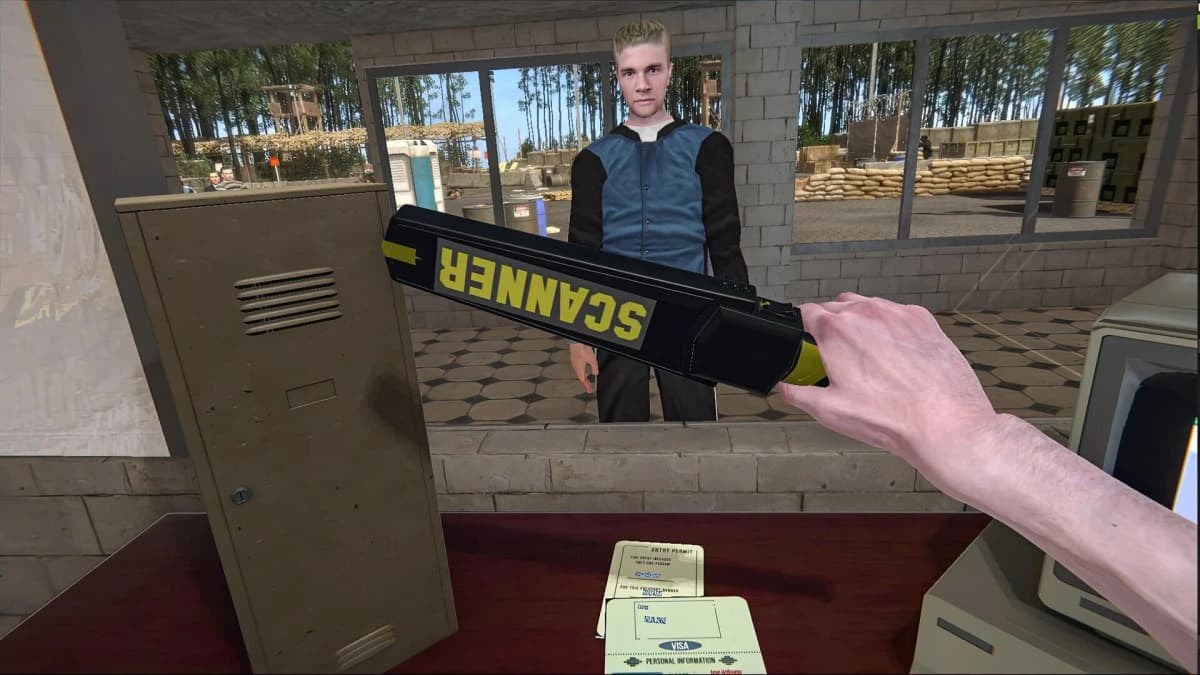
Welcome to Contraband, a co-op smuggler’s paradise set in the fictional world of 1970s Bayan.
Contraband’s Collapse Just Got Real for Avalanche
This caught my attention because Avalanche Studios is one of the last few teams still chasing big, messy open-world chaos for the sake of fun. After Contraband stalled out, Avalanche has now confirmed it’s closing its Liverpool studio and cutting roles in Malmö and Stockholm. No internal reassignments for Liverpool. That’s not just sad news for devs; it’s a flashing red sign about where mid-budget AAA co-op sits in 2025.
Key Takeaways
- Contraband’s cancellation has immediate consequences: Liverpool is shutting down; layoffs hit Malmö and Stockholm.
- No reassignments for Liverpool means hard stops on in-flight work and a loss of institutional knowledge.
- Avalanche says it remains committed to future games, but timelines and scope will almost certainly shrink.
- For players, expect fewer ambitious co-op sandboxes for a while-and more conservative bets.
Breaking Down the Announcement
Let’s strip the corporate phrasing. Avalanche is shuttering its Liverpool team outright and reducing headcount in its Swedish hubs, Malmö and Stockholm. The studio says it’ll support affected employees-good-but the blunt part is “no reassignments” for Liverpool. When a company can’t or won’t absorb a team, it usually means projects have been paused or reprioritized and the overhead can’t be justified.
All of this follows Contraband—Avalanche’s Xbox-published, 1970s smuggler co-op project—going dark and then getting pulled. The warning signs were there: a 2021 teaser, years of silence, and never a second of public gameplay. If you were holding out hope, this move closes the door. More importantly, it yanks a likely tentpole off Avalanche’s slate, which forces the whole studio to contract.
Why This Matters Now
Avalanche carved a niche with physics-first, systemic mayhem—Just Cause’s tethers-and-turbulence, Mad Max’s vehicular crunch, even the co-op experiments under its Systemic Reaction label. Contraband sounded like the natural evolution of that DNA: a heist-y, vehicle-heavy sandbox built around co-op synergy rather than single-player fireworks. That space is surprisingly under-served; GTA Online is a different beast, and Payday leans into corridor heists, not open-world hijinks.
Pulling the plug means we’re back to a familiar 2025 reality: publishers are gun-shy on big co-op bets that don’t scream live-service monetization from day one. And for Avalanche, the risk is deeper than “one project canceled.” Closing Liverpool likely disperses hard-won know-how—tools, mission design philosophy, netcode learnings tied to their in-house tech. You can rebuild headcount; you can’t instantly rebuild a team’s shared language for shipping a specific kind of game.
There’s also the engine angle. Avalanche’s proprietary tech has powered huge worlds with wild physics, but that strength becomes a liability if roadmaps get cut and middleware (or Unreal 5) starts to look cheaper and faster. Do they double down on their APEX tooling for a smaller-scale project, or pivot to something off-the-shelf to accelerate time-to-fun? Either route changes the feel of an Avalanche game.
Want to Level Up Your Gaming?
Get access to exclusive strategies, hidden tips, and pro-level insights that we don't share publicly.
Ultimate Gaming Strategy Guide + Weekly Pro Tips
The Industry Context You Can’t Ignore
Xbox has spent the last two years oscillating between ambition and austerity: closing studios like Tango Gameworks and Arkane Austin while quietly reevaluating risky projects. Across the pond, publishers are trimming anything that doesn’t look like a near-certain hit. Avalanche isn’t owned by Embracer—they sit under Nordisk Film—but the macro pressure is the same. When budgets swell and timelines slip, mid-tier AAA gets squeezed first.
The Liverpool shutdown also hits the UK scene at a rough moment. We’ve seen multiple British teams downsize or close since 2023, and once a satellite studio goes, it rarely comes back. It’s not just jobs—it’s a local network of collaborators, QA houses, audio folks, and graduates who were counting on that pipeline.
What Gamers Should Expect Next
If you were waiting on Contraband, it’s time to let it go. For co-op chaos in the meantime, the menu is piecemeal: Payday 3 for heists (minus the open-world), GTA Online for vehicles and antics (minus structured co-op progression), and Just Cause 3/4 with community multiplayer mods if you want that Avalanche flavor with friends.
For Avalanche’s roadmap, read between the lines. “Committed to future games” usually means refocusing on proven playbooks and faster-turn projects. That could be fresh content for ongoing titles from its labels (think theHunter or Generation Zero), a smaller new IP built on existing tech, or a return to familiar territory with a tighter scope. A full-fat, new open-world co-op blockbuster? Not soon.
I’d love to be wrong. Avalanche at its best feels like a toy box nobody else builds anymore. But until we see a real announcement with gameplay—and a clear pitch that balances co-op ambition with sustainable scope—the smart move is to temper expectations.
TL;DR
Contraband’s cancellation has triggered a studio closure in Liverpool and layoffs in Malmö and Stockholm, with no reassignments for Liverpool staff. Avalanche says it’s pressing on with future games, but expect smaller, safer projects for a while—and fewer big, experimental co-op sandboxes across the industry.